The Best Albums of the 1970s
If you are building a serious vinyl shelf, the best albums of the 1970s are more than familiar classics. They are records that changed how albums were written, recorded, packaged, collected, and replayed. The decade stretched from singer-songwriter intimacy to studio-built disco, from heavy metal to punk, from reggae to electronic pop, and from jazz fusion to arena rock. It is the decade where the LP became both a mass-market object and a collector's artifact.
This ranking is written for people who actually play records, not just people who frame covers. I weighted cultural impact, album-length flow, vinyl sound, original packaging, pressing lore, chart history, certifications, and how rewarding each title is to own in physical form. Sources include album histories, RIAA and BPI certification databases, Official Charts, and the public album pages linked throughout.
There is no single correct 1970s canon, which is part of the fun. Still, these 15 albums are the kind of records that explain the decade when you drop the needle. They are also perfect test records for a collection tracker like What's Spinning, because the albums you return to again and again usually tell the truth about your taste.
The best albums of the 1970s for vinyl collectors
 Pink Floyd, The Dark Side of the Moon (1973)
The Dark Side of the Moon by Pink Floyd is one of those seventies albums that still feels like a complete argument for the LP format. Pink Floyd produced it at Abbey Road Studios, and the record reached number 1 on the Billboard 200 and number 2 on the UK Albums Chart. RIAA lists it at 15x Platinum in the United States, while BPI lists it at 16x Platinum in the UK. Original UK Harvest SHVL 804 copies, especially the solid blue triangle pressing with both posters and stickers, are among the most chased seventies rock LPs. Those numbers matter because they show how the record crossed from specialist enthusiasm into broad household ownership, but they do not explain why collectors still care. The real appeal is in the way the album uses sequencing, room tone, dynamics, and sleeve identity to make the physical record feel like the intended medium rather than a delivery container. On a good setup, the transitions, side breaks, and quiet passages make you listen differently than you do on a playlist.
For vinyl buyers, the first question is usually whether to chase an original or buy a clean modern reissue. Originals can carry the closest historical connection, but they also carry decades of groove wear, sleeve rub, spindle marks, and missing inserts. With The Dark Side of the Moon, condition and completeness are more important than bragging rights. A strong copy should play with steady surfaces, clean high frequencies, and enough low-end shape to show why the record became a reference point. Essential tracks include Time, Money, Us and Them, Brain Damage, Eclipse, but the deeper reward is hearing how the album works as a full side-one to side-two experience.
The collector lesson is simple: buy the pressing that makes you want to play it, then log how often you actually do. The most valuable record on your shelf is not always the rarest one, it is the one that survives repeated listening without turning into wallpaper. The Dark Side of the Moon earns its place here because it combines documented chart performance, recognizable packaging, credible pressing history, and genuine musical influence. It is not just an important seventies album, it is a record that helps explain why seventies albums remain the backbone of so many vinyl collections. For buyers comparing copies in the wild, also check the small details: label design, matrix marks, inner sleeves, inserts, warps, and whether the loudest choruses stay clean near the end of a side. Those clues often separate a merely famous album from a copy you will actually want to spin for years. [source]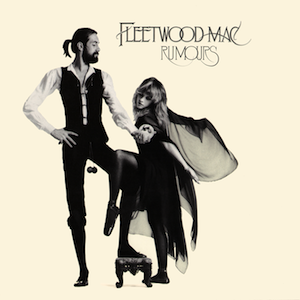 Fleetwood Mac, Rumours (1977)
Rumours by Fleetwood Mac is one of those seventies albums that still feels like a complete argument for the LP format. Produced by Fleetwood Mac with Ken Caillat and Richard Dashut, Rumours was assembled across Record Plant, Sausalito, Wally Heider, Davlen, Criteria, and Record Plant Los Angeles. It reached number 1 in both the United States and the UK. RIAA lists it at 21x Platinum, and BPI lists it at 17x Platinum. US Warner Bros. BSK 3010 copies on the Burbank palm tree label remain staple crate finds. Those numbers matter because they show how the record crossed from specialist enthusiasm into broad household ownership, but they do not explain why collectors still care. The real appeal is in the way the album uses sequencing, room tone, dynamics, and sleeve identity to make the physical record feel like the intended medium rather than a delivery container. On a good setup, the transitions, side breaks, and quiet passages make you listen differently than you do on a playlist.
For vinyl buyers, the first question is usually whether to chase an original or buy a clean modern reissue. Originals can carry the closest historical connection, but they also carry decades of groove wear, sleeve rub, spindle marks, and missing inserts. With Rumours, condition and completeness are more important than bragging rights. A strong copy should play with steady surfaces, clean high frequencies, and enough low-end shape to show why the record became a reference point. Essential tracks include Dreams, Go Your Own Way, The Chain, Don't Stop, Gold Dust Woman, but the deeper reward is hearing how the album works as a full side-one to side-two experience.
The collector lesson is simple: buy the pressing that makes you want to play it, then log how often you actually do. The most valuable record on your shelf is not always the rarest one, it is the one that survives repeated listening without turning into wallpaper. Rumours earns its place here because it combines documented chart performance, recognizable packaging, credible pressing history, and genuine musical influence. It is not just an important seventies album, it is a record that helps explain why seventies albums remain the backbone of so many vinyl collections. For buyers comparing copies in the wild, also check the small details: label design, matrix marks, inner sleeves, inserts, warps, and whether the loudest choruses stay clean near the end of a side. Those clues often separate a merely famous album from a copy you will actually want to spin for years. [source] Stevie Wonder, Songs in the Key of Life (1976)
Songs in the Key of Life by Stevie Wonder is one of those seventies albums that still feels like a complete argument for the LP format. Stevie Wonder produced this sprawling double album after sessions at Crystal Sound, Record Plant, and the Hit Factory. It debuted at number 1 on the Billboard 200, reached number 2 in the UK, and carries a Diamond certification from RIAA. Original Tamla T13-340C2 copies included two LPs, the bonus EP A Something's Extra, and a booklet, so completeness matters. Those numbers matter because they show how the record crossed from specialist enthusiasm into broad household ownership, but they do not explain why collectors still care. The real appeal is in the way the album uses sequencing, room tone, dynamics, and sleeve identity to make the physical record feel like the intended medium rather than a delivery container. On a good setup, the transitions, side breaks, and quiet passages make you listen differently than you do on a playlist.
For vinyl buyers, the first question is usually whether to chase an original or buy a clean modern reissue. Originals can carry the closest historical connection, but they also carry decades of groove wear, sleeve rub, spindle marks, and missing inserts. With Songs in the Key of Life, condition and completeness are more important than bragging rights. A strong copy should play with steady surfaces, clean high frequencies, and enough low-end shape to show why the record became a reference point. Essential tracks include Sir Duke, I Wish, As, Isn't She Lovely, Pastime Paradise, but the deeper reward is hearing how the album works as a full side-one to side-two experience.
The collector lesson is simple: buy the pressing that makes you want to play it, then log how often you actually do. The most valuable record on your shelf is not always the rarest one, it is the one that survives repeated listening without turning into wallpaper. Songs in the Key of Life earns its place here because it combines documented chart performance, recognizable packaging, credible pressing history, and genuine musical influence. It is not just an important seventies album, it is a record that helps explain why seventies albums remain the backbone of so many vinyl collections. For buyers comparing copies in the wild, also check the small details: label design, matrix marks, inner sleeves, inserts, warps, and whether the loudest choruses stay clean near the end of a side. Those clues often separate a merely famous album from a copy you will actually want to spin for years. [source]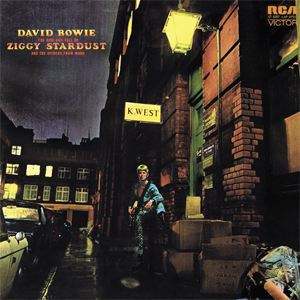 David Bowie, The Rise and Fall of Ziggy Stardust and the Spiders from Mars (1972)
The Rise and Fall of Ziggy Stardust and the Spiders from Mars by David Bowie is one of those seventies albums that still feels like a complete argument for the LP format. Produced by David Bowie and Ken Scott at Trident Studios, Ziggy Stardust reached number 5 in the UK and number 75 on the Billboard 200 before its legend fully caught up with it. RIAA lists it Gold in the United States, while BPI lists it at 2x Platinum. Early UK RCA Victor SF 8287 orange label copies with the correct lyric inner are collector favorites. Those numbers matter because they show how the record crossed from specialist enthusiasm into broad household ownership, but they do not explain why collectors still care. The real appeal is in the way the album uses sequencing, room tone, dynamics, and sleeve identity to make the physical record feel like the intended medium rather than a delivery container. On a good setup, the transitions, side breaks, and quiet passages make you listen differently than you do on a playlist.
For vinyl buyers, the first question is usually whether to chase an original or buy a clean modern reissue. Originals can carry the closest historical connection, but they also carry decades of groove wear, sleeve rub, spindle marks, and missing inserts. With The Rise and Fall of Ziggy Stardust and the Spiders from Mars, condition and completeness are more important than bragging rights. A strong copy should play with steady surfaces, clean high frequencies, and enough low-end shape to show why the record became a reference point. Essential tracks include Five Years, Starman, Moonage Daydream, Suffragette City, Rock 'n' Roll Suicide, but the deeper reward is hearing how the album works as a full side-one to side-two experience.
The collector lesson is simple: buy the pressing that makes you want to play it, then log how often you actually do. The most valuable record on your shelf is not always the rarest one, it is the one that survives repeated listening without turning into wallpaper. The Rise and Fall of Ziggy Stardust and the Spiders from Mars earns its place here because it combines documented chart performance, recognizable packaging, credible pressing history, and genuine musical influence. It is not just an important seventies album, it is a record that helps explain why seventies albums remain the backbone of so many vinyl collections. For buyers comparing copies in the wild, also check the small details: label design, matrix marks, inner sleeves, inserts, warps, and whether the loudest choruses stay clean near the end of a side. Those clues often separate a merely famous album from a copy you will actually want to spin for years. [source] Led Zeppelin, Led Zeppelin IV (1971)
Led Zeppelin IV by Led Zeppelin is one of those seventies albums that still feels like a complete argument for the LP format. Jimmy Page produced the untitled fourth Led Zeppelin album using Headley Grange, the Rolling Stones Mobile Studio, Island Studios, and Sunset Sound. It reached number 2 on the Billboard 200 and number 1 in the UK. RIAA lists it at 24x Platinum, and BPI lists it at 6x Platinum. UK Atlantic 2401012 and US Atlantic SD 7208 pressings with Porky and Pecko Duck deadwax are especially prized. Those numbers matter because they show how the record crossed from specialist enthusiasm into broad household ownership, but they do not explain why collectors still care. The real appeal is in the way the album uses sequencing, room tone, dynamics, and sleeve identity to make the physical record feel like the intended medium rather than a delivery container. On a good setup, the transitions, side breaks, and quiet passages make you listen differently than you do on a playlist.
For vinyl buyers, the first question is usually whether to chase an original or buy a clean modern reissue. Originals can carry the closest historical connection, but they also carry decades of groove wear, sleeve rub, spindle marks, and missing inserts. With Led Zeppelin IV, condition and completeness are more important than bragging rights. A strong copy should play with steady surfaces, clean high frequencies, and enough low-end shape to show why the record became a reference point. Essential tracks include Black Dog, Rock and Roll, Stairway to Heaven, Going to California, When the Levee Breaks, but the deeper reward is hearing how the album works as a full side-one to side-two experience.
The collector lesson is simple: buy the pressing that makes you want to play it, then log how often you actually do. The most valuable record on your shelf is not always the rarest one, it is the one that survives repeated listening without turning into wallpaper. Led Zeppelin IV earns its place here because it combines documented chart performance, recognizable packaging, credible pressing history, and genuine musical influence. It is not just an important seventies album, it is a record that helps explain why seventies albums remain the backbone of so many vinyl collections. For buyers comparing copies in the wild, also check the small details: label design, matrix marks, inner sleeves, inserts, warps, and whether the loudest choruses stay clean near the end of a side. Those clues often separate a merely famous album from a copy you will actually want to spin for years. [source] Marvin Gaye, What's Going On (1971)
What's Going On by Marvin Gaye is one of those seventies albums that still feels like a complete argument for the LP format. Marvin Gaye produced What's Going On in Detroit at Hitsville U.S.A., Golden World, and United Sound. The album reached number 6 on the Billboard 200 and later became one of soul music's most cited long players. RIAA lists it Gold, while BPI lists it Platinum. Original Tamla TS310 gatefold copies are desirable, especially because the quieter passages reveal surface noise immediately. Those numbers matter because they show how the record crossed from specialist enthusiasm into broad household ownership, but they do not explain why collectors still care. The real appeal is in the way the album uses sequencing, room tone, dynamics, and sleeve identity to make the physical record feel like the intended medium rather than a delivery container. On a good setup, the transitions, side breaks, and quiet passages make you listen differently than you do on a playlist.
For vinyl buyers, the first question is usually whether to chase an original or buy a clean modern reissue. Originals can carry the closest historical connection, but they also carry decades of groove wear, sleeve rub, spindle marks, and missing inserts. With What's Going On, condition and completeness are more important than bragging rights. A strong copy should play with steady surfaces, clean high frequencies, and enough low-end shape to show why the record became a reference point. Essential tracks include What's Going On, What's Happening Brother, Mercy Mercy Me, Inner City Blues, Save the Children, but the deeper reward is hearing how the album works as a full side-one to side-two experience.
The collector lesson is simple: buy the pressing that makes you want to play it, then log how often you actually do. The most valuable record on your shelf is not always the rarest one, it is the one that survives repeated listening without turning into wallpaper. What's Going On earns its place here because it combines documented chart performance, recognizable packaging, credible pressing history, and genuine musical influence. It is not just an important seventies album, it is a record that helps explain why seventies albums remain the backbone of so many vinyl collections. For buyers comparing copies in the wild, also check the small details: label design, matrix marks, inner sleeves, inserts, warps, and whether the loudest choruses stay clean near the end of a side. Those clues often separate a merely famous album from a copy you will actually want to spin for years. [source] The Clash, London Calling (1979)
London Calling by The Clash is one of those seventies albums that still feels like a complete argument for the LP format. Guy Stevens produced London Calling at Wessex Sound Studios, and the record turned punk into a broader language of reggae, rockabilly, ska, and streetwise rock. It reached number 9 in the UK and number 27 on the Billboard 200 after its US release. RIAA lists it Platinum, and BPI lists it at 2x Platinum. UK CBS CLASH 3 copies are beloved because the double LP was priced close to a single album. Those numbers matter because they show how the record crossed from specialist enthusiasm into broad household ownership, but they do not explain why collectors still care. The real appeal is in the way the album uses sequencing, room tone, dynamics, and sleeve identity to make the physical record feel like the intended medium rather than a delivery container. On a good setup, the transitions, side breaks, and quiet passages make you listen differently than you do on a playlist.
For vinyl buyers, the first question is usually whether to chase an original or buy a clean modern reissue. Originals can carry the closest historical connection, but they also carry decades of groove wear, sleeve rub, spindle marks, and missing inserts. With London Calling, condition and completeness are more important than bragging rights. A strong copy should play with steady surfaces, clean high frequencies, and enough low-end shape to show why the record became a reference point. Essential tracks include London Calling, Spanish Bombs, Clampdown, The Guns of Brixton, Train in Vain, but the deeper reward is hearing how the album works as a full side-one to side-two experience.
The collector lesson is simple: buy the pressing that makes you want to play it, then log how often you actually do. The most valuable record on your shelf is not always the rarest one, it is the one that survives repeated listening without turning into wallpaper. London Calling earns its place here because it combines documented chart performance, recognizable packaging, credible pressing history, and genuine musical influence. It is not just an important seventies album, it is a record that helps explain why seventies albums remain the backbone of so many vinyl collections. For buyers comparing copies in the wild, also check the small details: label design, matrix marks, inner sleeves, inserts, warps, and whether the loudest choruses stay clean near the end of a side. Those clues often separate a merely famous album from a copy you will actually want to spin for years. [source]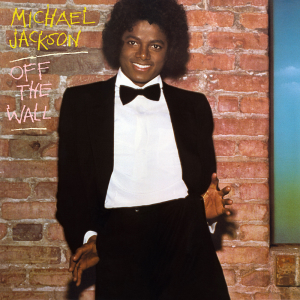 Michael Jackson, Off the Wall (1979)
Off the Wall by Michael Jackson is one of those seventies albums that still feels like a complete argument for the LP format. Quincy Jones produced Off the Wall at Allen Zentz, Westlake Audio, and Cherokee Studios in Los Angeles. The album reached number 3 on the Billboard 200 and number 5 in the UK, with RIAA now listing it Diamond and BPI listing it at 6x Platinum. Original US Epic FE 35745 and UK Epic EPC 83468 gatefold copies capture a moment before pop became stadium-sized in the eighties. Those numbers matter because they show how the record crossed from specialist enthusiasm into broad household ownership, but they do not explain why collectors still care. The real appeal is in the way the album uses sequencing, room tone, dynamics, and sleeve identity to make the physical record feel like the intended medium rather than a delivery container. On a good setup, the transitions, side breaks, and quiet passages make you listen differently than you do on a playlist.
For vinyl buyers, the first question is usually whether to chase an original or buy a clean modern reissue. Originals can carry the closest historical connection, but they also carry decades of groove wear, sleeve rub, spindle marks, and missing inserts. With Off the Wall, condition and completeness are more important than bragging rights. A strong copy should play with steady surfaces, clean high frequencies, and enough low-end shape to show why the record became a reference point. Essential tracks include Don't Stop 'Til You Get Enough, Rock with You, Workin' Day and Night, She's Out of My Life, Off the Wall, but the deeper reward is hearing how the album works as a full side-one to side-two experience.
The collector lesson is simple: buy the pressing that makes you want to play it, then log how often you actually do. The most valuable record on your shelf is not always the rarest one, it is the one that survives repeated listening without turning into wallpaper. Off the Wall earns its place here because it combines documented chart performance, recognizable packaging, credible pressing history, and genuine musical influence. It is not just an important seventies album, it is a record that helps explain why seventies albums remain the backbone of so many vinyl collections. For buyers comparing copies in the wild, also check the small details: label design, matrix marks, inner sleeves, inserts, warps, and whether the loudest choruses stay clean near the end of a side. Those clues often separate a merely famous album from a copy you will actually want to spin for years. [source]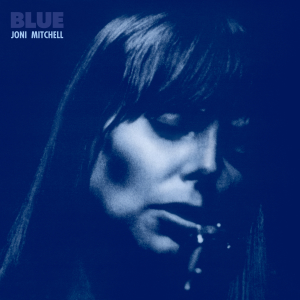 Joni Mitchell, Blue (1971)
Blue by Joni Mitchell is one of those seventies albums that still feels like a complete argument for the LP format. Joni Mitchell produced Blue at A&M Studios in Hollywood, and the intimacy of the recording is exactly why vinyl condition matters. It reached number 15 on the Billboard 200 and number 3 in the UK. RIAA lists it Platinum, and BPI lists it at 2x Platinum. Early Reprise MS 2038 and UK K 44128 copies are sought after because the album's dulcimer, piano, guitar, and vocal spaces punish noisy vinyl. Those numbers matter because they show how the record crossed from specialist enthusiasm into broad household ownership, but they do not explain why collectors still care. The real appeal is in the way the album uses sequencing, room tone, dynamics, and sleeve identity to make the physical record feel like the intended medium rather than a delivery container. On a good setup, the transitions, side breaks, and quiet passages make you listen differently than you do on a playlist.
For vinyl buyers, the first question is usually whether to chase an original or buy a clean modern reissue. Originals can carry the closest historical connection, but they also carry decades of groove wear, sleeve rub, spindle marks, and missing inserts. With Blue, condition and completeness are more important than bragging rights. A strong copy should play with steady surfaces, clean high frequencies, and enough low-end shape to show why the record became a reference point. Essential tracks include Carey, Blue, River, A Case of You, California, but the deeper reward is hearing how the album works as a full side-one to side-two experience.
The collector lesson is simple: buy the pressing that makes you want to play it, then log how often you actually do. The most valuable record on your shelf is not always the rarest one, it is the one that survives repeated listening without turning into wallpaper. Blue earns its place here because it combines documented chart performance, recognizable packaging, credible pressing history, and genuine musical influence. It is not just an important seventies album, it is a record that helps explain why seventies albums remain the backbone of so many vinyl collections. For buyers comparing copies in the wild, also check the small details: label design, matrix marks, inner sleeves, inserts, warps, and whether the loudest choruses stay clean near the end of a side. Those clues often separate a merely famous album from a copy you will actually want to spin for years. [source]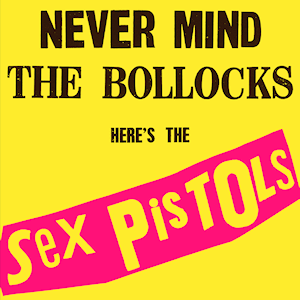 Sex Pistols, Never Mind the Bollocks Here's the Sex Pistols (1977)
Never Mind the Bollocks Here's the Sex Pistols by Sex Pistols is one of those seventies albums that still feels like a complete argument for the LP format. Chris Thomas and Bill Price produced the Sex Pistols' only studio album at Wessex Sound Studios and AIR Studios. It reached number 1 in the UK and number 106 on the Billboard 200, with RIAA listing it Platinum in the United States. UK Virgin V2086 copies are a collector rabbit hole because early versions differ by 11 or 12 tracks, sleeve backs, and track listings. Those numbers matter because they show how the record crossed from specialist enthusiasm into broad household ownership, but they do not explain why collectors still care. The real appeal is in the way the album uses sequencing, room tone, dynamics, and sleeve identity to make the physical record feel like the intended medium rather than a delivery container. On a good setup, the transitions, side breaks, and quiet passages make you listen differently than you do on a playlist.
For vinyl buyers, the first question is usually whether to chase an original or buy a clean modern reissue. Originals can carry the closest historical connection, but they also carry decades of groove wear, sleeve rub, spindle marks, and missing inserts. With Never Mind the Bollocks Here's the Sex Pistols, condition and completeness are more important than bragging rights. A strong copy should play with steady surfaces, clean high frequencies, and enough low-end shape to show why the record became a reference point. Essential tracks include Holidays in the Sun, God Save the Queen, Anarchy in the U.K., Pretty Vacant, Bodies, but the deeper reward is hearing how the album works as a full side-one to side-two experience.
The collector lesson is simple: buy the pressing that makes you want to play it, then log how often you actually do. The most valuable record on your shelf is not always the rarest one, it is the one that survives repeated listening without turning into wallpaper. Never Mind the Bollocks Here's the Sex Pistols earns its place here because it combines documented chart performance, recognizable packaging, credible pressing history, and genuine musical influence. It is not just an important seventies album, it is a record that helps explain why seventies albums remain the backbone of so many vinyl collections. For buyers comparing copies in the wild, also check the small details: label design, matrix marks, inner sleeves, inserts, warps, and whether the loudest choruses stay clean near the end of a side. Those clues often separate a merely famous album from a copy you will actually want to spin for years. [source] Bob Marley and the Wailers, Exodus (1977)
Exodus by Bob Marley and the Wailers is one of those seventies albums that still feels like a complete argument for the LP format. Bob Marley and the Wailers produced Exodus in London, with Island Studios central to its sound after Marley left Jamaica following the 1976 assassination attempt. It reached number 20 on the Billboard 200 and number 8 in the UK. RIAA lists it Gold, and BPI lists it at 2x Platinum. Original Island ILPS 9498 copies are prized for bass weight, sleeve presence, and a track sequence that splits mystic dread from open-hearted uplift. Those numbers matter because they show how the record crossed from specialist enthusiasm into broad household ownership, but they do not explain why collectors still care. The real appeal is in the way the album uses sequencing, room tone, dynamics, and sleeve identity to make the physical record feel like the intended medium rather than a delivery container. On a good setup, the transitions, side breaks, and quiet passages make you listen differently than you do on a playlist.
For vinyl buyers, the first question is usually whether to chase an original or buy a clean modern reissue. Originals can carry the closest historical connection, but they also carry decades of groove wear, sleeve rub, spindle marks, and missing inserts. With Exodus, condition and completeness are more important than bragging rights. A strong copy should play with steady surfaces, clean high frequencies, and enough low-end shape to show why the record became a reference point. Essential tracks include Natural Mystic, Exodus, Jamming, Waiting in Vain, One Love/People Get Ready, but the deeper reward is hearing how the album works as a full side-one to side-two experience.
The collector lesson is simple: buy the pressing that makes you want to play it, then log how often you actually do. The most valuable record on your shelf is not always the rarest one, it is the one that survives repeated listening without turning into wallpaper. Exodus earns its place here because it combines documented chart performance, recognizable packaging, credible pressing history, and genuine musical influence. It is not just an important seventies album, it is a record that helps explain why seventies albums remain the backbone of so many vinyl collections. For buyers comparing copies in the wild, also check the small details: label design, matrix marks, inner sleeves, inserts, warps, and whether the loudest choruses stay clean near the end of a side. Those clues often separate a merely famous album from a copy you will actually want to spin for years. [source] Kraftwerk, Trans-Europe Express (1977)
Trans-Europe Express by Kraftwerk is one of those seventies albums that still feels like a complete argument for the LP format. Ralf Hutter and Florian Schneider produced Trans-Europe Express at Kling Klang Studio in Dusseldorf, crafting one of electronic music's most influential LPs. It reached number 119 on the Billboard 200 and number 49 in the UK, and BPI lists it Silver. German Kling Klang and EMI Electrola 1C 064-82 306 copies, along with English language editions, interest collectors because language, sleeve, and pressing choices change the experience. Those numbers matter because they show how the record crossed from specialist enthusiasm into broad household ownership, but they do not explain why collectors still care. The real appeal is in the way the album uses sequencing, room tone, dynamics, and sleeve identity to make the physical record feel like the intended medium rather than a delivery container. On a good setup, the transitions, side breaks, and quiet passages make you listen differently than you do on a playlist.
For vinyl buyers, the first question is usually whether to chase an original or buy a clean modern reissue. Originals can carry the closest historical connection, but they also carry decades of groove wear, sleeve rub, spindle marks, and missing inserts. With Trans-Europe Express, condition and completeness are more important than bragging rights. A strong copy should play with steady surfaces, clean high frequencies, and enough low-end shape to show why the record became a reference point. Essential tracks include Europe Endless, The Hall of Mirrors, Showroom Dummies, Trans-Europe Express, Metal on Metal, but the deeper reward is hearing how the album works as a full side-one to side-two experience.
The collector lesson is simple: buy the pressing that makes you want to play it, then log how often you actually do. The most valuable record on your shelf is not always the rarest one, it is the one that survives repeated listening without turning into wallpaper. Trans-Europe Express earns its place here because it combines documented chart performance, recognizable packaging, credible pressing history, and genuine musical influence. It is not just an important seventies album, it is a record that helps explain why seventies albums remain the backbone of so many vinyl collections. For buyers comparing copies in the wild, also check the small details: label design, matrix marks, inner sleeves, inserts, warps, and whether the loudest choruses stay clean near the end of a side. Those clues often separate a merely famous album from a copy you will actually want to spin for years. [source] Black Sabbath, Paranoid (1970)
Paranoid by Black Sabbath is one of those seventies albums that still feels like a complete argument for the LP format. Rodger Bain produced Paranoid at Regent Sound Studios and Island Studios in London, catching Black Sabbath at the exact moment heavy metal hardened into a vocabulary. It reached number 1 in the UK and number 12 on the Billboard 200. RIAA lists it at 4x Platinum. UK Vertigo 6360 011 large swirl pressings with the swirl inner are the collector benchmark, while clean Warner Bros. copies remain practical play copies. Those numbers matter because they show how the record crossed from specialist enthusiasm into broad household ownership, but they do not explain why collectors still care. The real appeal is in the way the album uses sequencing, room tone, dynamics, and sleeve identity to make the physical record feel like the intended medium rather than a delivery container. On a good setup, the transitions, side breaks, and quiet passages make you listen differently than you do on a playlist.
For vinyl buyers, the first question is usually whether to chase an original or buy a clean modern reissue. Originals can carry the closest historical connection, but they also carry decades of groove wear, sleeve rub, spindle marks, and missing inserts. With Paranoid, condition and completeness are more important than bragging rights. A strong copy should play with steady surfaces, clean high frequencies, and enough low-end shape to show why the record became a reference point. Essential tracks include War Pigs, Paranoid, Planet Caravan, Iron Man, Fairies Wear Boots, but the deeper reward is hearing how the album works as a full side-one to side-two experience.
The collector lesson is simple: buy the pressing that makes you want to play it, then log how often you actually do. The most valuable record on your shelf is not always the rarest one, it is the one that survives repeated listening without turning into wallpaper. Paranoid earns its place here because it combines documented chart performance, recognizable packaging, credible pressing history, and genuine musical influence. It is not just an important seventies album, it is a record that helps explain why seventies albums remain the backbone of so many vinyl collections. For buyers comparing copies in the wild, also check the small details: label design, matrix marks, inner sleeves, inserts, warps, and whether the loudest choruses stay clean near the end of a side. Those clues often separate a merely famous album from a copy you will actually want to spin for years. [source]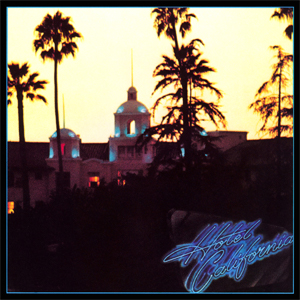 Eagles, Hotel California (1976)
Hotel California by Eagles is one of those seventies albums that still feels like a complete argument for the LP format. Bill Szymczyk produced Hotel California at Criteria Studios in Miami and Record Plant in Los Angeles. The album reached number 1 on the Billboard 200 and number 2 in the UK. RIAA lists it at 28x Platinum, one of the largest album certifications in US history, while BPI lists it at 6x Platinum. Original Asylum 7E-1084 copies with poster and Sterling marks are preferred by collectors who want both package and sound. Those numbers matter because they show how the record crossed from specialist enthusiasm into broad household ownership, but they do not explain why collectors still care. The real appeal is in the way the album uses sequencing, room tone, dynamics, and sleeve identity to make the physical record feel like the intended medium rather than a delivery container. On a good setup, the transitions, side breaks, and quiet passages make you listen differently than you do on a playlist.
For vinyl buyers, the first question is usually whether to chase an original or buy a clean modern reissue. Originals can carry the closest historical connection, but they also carry decades of groove wear, sleeve rub, spindle marks, and missing inserts. With Hotel California, condition and completeness are more important than bragging rights. A strong copy should play with steady surfaces, clean high frequencies, and enough low-end shape to show why the record became a reference point. Essential tracks include Hotel California, New Kid in Town, Life in the Fast Lane, Wasted Time, The Last Resort, but the deeper reward is hearing how the album works as a full side-one to side-two experience.
The collector lesson is simple: buy the pressing that makes you want to play it, then log how often you actually do. The most valuable record on your shelf is not always the rarest one, it is the one that survives repeated listening without turning into wallpaper. Hotel California earns its place here because it combines documented chart performance, recognizable packaging, credible pressing history, and genuine musical influence. It is not just an important seventies album, it is a record that helps explain why seventies albums remain the backbone of so many vinyl collections. For buyers comparing copies in the wild, also check the small details: label design, matrix marks, inner sleeves, inserts, warps, and whether the loudest choruses stay clean near the end of a side. Those clues often separate a merely famous album from a copy you will actually want to spin for years. [source]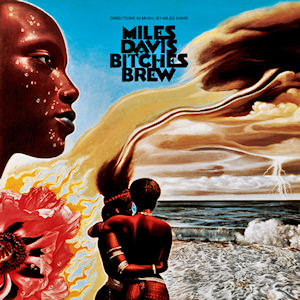 Miles Davis, Bitches Brew (1970)
Bitches Brew by Miles Davis is one of those seventies albums that still feels like a complete argument for the LP format. Teo Macero produced Bitches Brew at Columbia Studio B in New York, editing expansive electric sessions into a double LP that changed jazz, rock, and studio production. It reached number 35 on the Billboard 200 and number 71 in the UK, and RIAA lists it Gold. Original Columbia GP 26 copies, early UK CBS pressings, and quadraphonic editions attract different collectors, helped by Mati Klarwein's unforgettable cover art. Those numbers matter because they show how the record crossed from specialist enthusiasm into broad household ownership, but they do not explain why collectors still care. The real appeal is in the way the album uses sequencing, room tone, dynamics, and sleeve identity to make the physical record feel like the intended medium rather than a delivery container. On a good setup, the transitions, side breaks, and quiet passages make you listen differently than you do on a playlist.
For vinyl buyers, the first question is usually whether to chase an original or buy a clean modern reissue. Originals can carry the closest historical connection, but they also carry decades of groove wear, sleeve rub, spindle marks, and missing inserts. With Bitches Brew, condition and completeness are more important than bragging rights. A strong copy should play with steady surfaces, clean high frequencies, and enough low-end shape to show why the record became a reference point. Essential tracks include Pharaoh's Dance, Bitches Brew, Spanish Key, Miles Runs the Voodoo Down, Sanctuary, but the deeper reward is hearing how the album works as a full side-one to side-two experience.
The collector lesson is simple: buy the pressing that makes you want to play it, then log how often you actually do. The most valuable record on your shelf is not always the rarest one, it is the one that survives repeated listening without turning into wallpaper. Bitches Brew earns its place here because it combines documented chart performance, recognizable packaging, credible pressing history, and genuine musical influence. It is not just an important seventies album, it is a record that helps explain why seventies albums remain the backbone of so many vinyl collections. For buyers comparing copies in the wild, also check the small details: label design, matrix marks, inner sleeves, inserts, warps, and whether the loudest choruses stay clean near the end of a side. Those clues often separate a merely famous album from a copy you will actually want to spin for years. [source]
What to buy first
If you are starting from scratch, buy clean copies of Rumours, The Dark Side of the Moon, What's Going On, Blue, and London Calling before chasing expensive first pressings. That starter shelf gives you studio rock, soul, singer-songwriter intimacy, and punk-era range without forcing you into collector-grade pricing on day one.
Once those are in regular rotation, use your listening history to guide the next purchases. If you keep returning to the bass and groove of Exodus, move toward reggae and dub. If Trans-Europe Express becomes a repeat spin, start exploring electronic and post-punk records. What's Spinning helps by turning your turntable sessions into a record of what you actually play, which is often more useful than any ranked list.
FAQ
What is the best 1970s album to buy first on vinyl?
For most collectors, Fleetwood Mac's Rumours or Pink Floyd's The Dark Side of the Moon is the safest first buy. Both are easy to find, endlessly replayable, and useful for testing a system because they balance familiar songs with careful studio production.
Are original 1970s pressings better than modern reissues?
Not always. A clean original can sound wonderful and carries historical appeal, but many originals were played heavily. A well-mastered modern reissue may be quieter, flatter, and better value. For expensive titles, prioritize condition, mastering reputation, and return policy.
Why do so many seventies albums matter to vinyl collectors?
The seventies were built around the LP as the primary album format. Artists sequenced sides carefully, labels invested in gatefold sleeves and inserts, and listeners experienced records as physical objects. That makes the decade especially rewarding for collectors who care about sound, packaging, and context.
How should I track a growing seventies vinyl collection?
Track artist, title, pressing, condition, and how often you actually play each copy. What's Spinning is useful because it listens to your turntable and turns real listening sessions into a history of what gets played, not just what sits on the shelf.
A spreadsheet tracks what you own. What's Spinning identifies what's playing.
On-device vinyl ID logs your listening history automatically. 7-day free trial.
Looking for Shazam for vinyl?
What's Spinning identifies what's playing on your turntable on-device, logs history, and AirPlays now-playing to your TV.
Comparing vinyl ID apps?
Analog requires Discogs and is iPhone-first (iPad coming). What's Spinning works without Discogs on iPhone and iPad with AirPlay.
Try What's Spinning Free
Turn your iPad into a live now-playing display. Track every record you spin.
START FREE TRIALThen $4.99/mo or $39.99/yr · Cancel anytime
Get it on your iPhone
Open on iPhone