Best Albums of the 2000s for Vinyl Lovers
The 2000s were a strange, fertile decade for albums. CD sales were still powerful, downloads were reshaping listening habits, and vinyl was beginning the revival that would eventually become a mainstream collecting culture. The revival is often dated to the late 2000s, and by 2022 vinyl albums in the United States had outsold CDs in units for the first time since 1987, 44 million versus 33 million according to the RIAA figures summarized in the vinyl revival record.[23] That makes the decade especially interesting for collectors: many of the best albums were conceived in a digital marketplace, but they now feel newly alive as physical records.
This guide focuses on the best albums 2000s vinyl collectors should know, not just the most famous records from the decade. I weighted albums by musical importance, pressing interest, side-flow, cover-art value, and whether a copy still feels rewarding on a turntable today. If you use What's Spinning to let your turntable automatically log what you play, this is the kind of list that turns a listening history into a real collecting map.
A quick buying note before the list: edition research matters. The LP format dates to Columbia's 1948 introduction of the long-playing microgroove record, and the format has always rewarded listeners who pay attention to side length, mastering, and condition.[24] Discogs-style grading language is also useful, especially when a record has quiet passages or was commonly played by DJs.[5]
The best 2000s albums for vinyl lovers
Kid A, Radiohead, 2000

Radiohead did not simply follow OK Computer with another guitar record; they built an icy, side-length mood piece out of modular synths, manipulated vocals, brass, and Nigel Godrich's close-mic patience. On vinyl, that matters because Kid A rewards quiet playback. The low-end pulse of Everything in Its Right Place, the clipped drums of Idioteque, and the unsettling room tone around How to Disappear Completely all ask more from your cartridge alignment than from your nostalgia. Early pressings and later reissues are both sought after, but the collector appeal is broader than scarcity. This is one of the decade's clearest examples of a digital-age rock band making an album that still behaves beautifully as a two-sided object, with side changes functioning like emotional resets rather than interruptions. [6]
Is This It, The Strokes, 2001

A tiny guitar tone can fill a room when the arrangements leave enough air around it. Is This It is almost stubbornly economical, with clipped drums, dry vocals, and riffs that seem designed to sit in a single apartment speaker before they conquered festival fields. Vinyl collectors also get a little artifact drama here because the original UK and international cover differs from the U.S. artwork, and the U.S. track list replaced New York City Cops after September 11. That makes the album a practical lesson in pressing research: the copy you want depends on whether you care more about the sleeve, the sequence, or the version you first heard. Its best vinyl quality is not audiophile spectacle. It is immediacy, the feeling that five people are standing close together and refusing to overcomplicate the moment. [7]
Discovery, Daft Punk, 2001
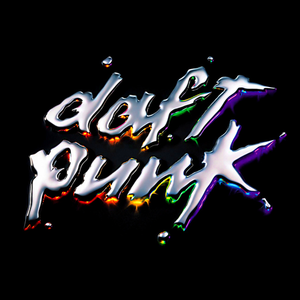
Discovery is the rare dance record that works as both a singles machine and a front-to-back living-room album. Daft Punk moved away from the rawer Chicago-house pressure of Homework and built a brighter, sample-rich pop universe where One More Time, Digital Love, and Something About Us share the same chrome-plated optimism. For vinyl buyers, the draw is side energy. The album has enough punch for a party copy, but it also has enough melodic detail to justify a clean keeper copy. It is worth checking matrix notes and edition details because this title has moved through several reissue waves, and electronic records can expose noisy vinyl fast. A good copy should sound glossy without turning brittle, with bass that feels round rather than bloated. [8]
Yankee Hotel Foxtrot, Wilco, 2002

Few 2000s rock albums carry a better backstory for sleeve-flipping conversations. Yankee Hotel Foxtrot was streamed by Wilco after label conflict, then released by Nonesuch, turning corporate rejection into one of indie rock's defining success stories. The record itself is less triumphant than that summary suggests. It is full of static, cracked Americana, loose percussion, and melodies that drift through interference like late-night AM radio. On vinyl, the pacing is the selling point. The towers on the cover promise urban geometry, while the music keeps dissolving clean lines into noise and tenderness. Collectors should care about condition here because quiet passages do real narrative work, and groove wear can turn intentional texture into plain fuzz. [9]
The Blueprint, Jay-Z, 2001

The Blueprint belongs in a vinyl list because it is a producer's record as much as an MC's record. Kanye West, Just Blaze, Bink, and others turned soul samples into bright, hard-edged architecture, while Jay-Z rapped with a confidence that made the album feel preordained even when it arrived in a chaotic release week. Hip-hop LP buying from this era can be tricky because clean copies were often used hard by DJs, and some later pressings vary in loudness and surface quality. Still, a strong copy is hugely satisfying. The drums are assertive, the hooks are carved deep, and the sequencing has the sweep of a champion's lap without losing street-corner specificity. For collectors who mostly buy rock reissues, this is an essential reminder that 2000s vinyl culture is incomplete without rap records built for both clubs and couches. [10]
Stankonia, Outkast, 2000
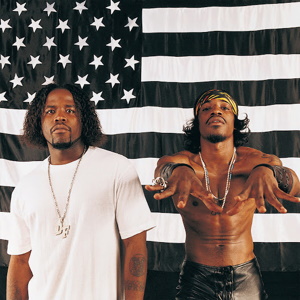
Atlanta futurism hits different when it is spread across wax. Stankonia was recorded after Outkast bought and transformed a studio into their own creative base, and that independence shows in the album's restless collisions: gospel heat, electro shock, drum-machine snap, live-band looseness, and hooks that refuse to stay in one lane. The vinyl appeal is movement. B.O.B. still sounds like a machine overheating in the best possible way, while Ms. Jackson lands because the melody gives all that chaos a human face. Original and early copies can command collector attention, but the real reason to own it is range. One side might feel like a block party, the next like a science experiment with better choruses than anyone else had. [11]
White Blood Cells, The White Stripes, 2001

Two people, one color scheme, and almost no room to hide: White Blood Cells is garage rock with the excess scraped off. Jack White's production favors impact over polish, which makes vinyl condition more important than the album's deliberately rough aesthetic might suggest. Surface noise during Hotel Yorba is one thing; groove damage fighting the guitar bite on Dead Leaves and the Dirty Ground is another. The record also has cover-art value beyond decoration, since the red, white, and black visual language became inseparable from the band's myth. This is a smart 2000s pick for collectors who like records that feel handmade without sounding small. It has the thrift-store spirit of older blues and punk LPs, but it also helped define a new century's appetite for analog simplicity. [12]
Turn On the Bright Lights, Interpol, 2002
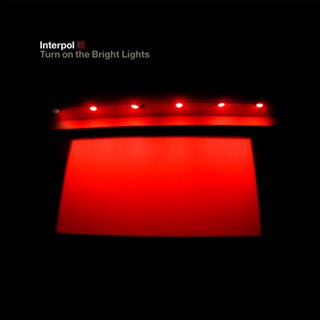
Interpol's debut is a room-light record, the kind you understand differently depending on whether it is playing at midnight or after a long commute home. The guitars interlock with cold precision, but the bass carries a surprising amount of warmth, which is why a decent vinyl pressing can beat a flat digital listen. Turn On the Bright Lights also captures a New York indie moment without sounding like a museum exhibit from that scene. The album cover's red glow gives collectors a visual shorthand for the music's mood: stylish, anxious, and slightly dangerous. Pay attention to reissue notes because demand has kept the title circulating, and not every copy will have the same noise floor. When it is right, the record turns negative space into drama. [13]
Speakerboxxx/The Love Below, Outkast, 2003

A double album is usually a warning sign; in Outkast's hands it became a format argument. Speakerboxxx/The Love Below is really two solo visions packaged as one cultural event, Big Boi's muscular rap record sitting beside Andre 3000's eccentric funk, pop, and heartbreak suite. Vinyl makes the split concept tactile. You physically move between identities, moods, and production languages rather than letting a playlist blur them together. The collector challenge is storage and condition, since multi-disc sets invite seam splits, missing inserts, and mixed-grade records. Musically, though, the sprawl is the point. Hey Ya! may be the unavoidable entry point, but the deeper reward is hearing how two artists used the album format to stay together by pulling in opposite directions. [14]
Funeral, Arcade Fire, 2004

Funeral arrived with a handmade grandeur that still feels hard to fake. Recorded around grief, neighborhood memory, and communal release, Arcade Fire's debut uses accordion, strings, piano, group vocals, and charging drums without turning into polite chamber rock. For vinyl collectors, the record's power is dynamic arrangement rather than pristine studio sheen. Neighborhood #1 starts intimate and grows until the room feels crowded, while Wake Up turns a shout-along chorus into something almost liturgical. The cover art helps, too, with its storybook unease and old-world texture. This is an album to buy when you want indie rock that earns its big emotions. The best copies keep the dense peaks from smearing and let the quieter passages breathe. [15]
Madvillainy, Madvillain, 2004

Madvillainy sounds like it was assembled from smoke, dust, comic panels, and records nobody else reached for quickly enough. Madlib's short loops and abrupt edits leave MF DOOM plenty of odd angles, and DOOM responds with internal rhymes that reward lyric-sheet concentration. Vinyl is a natural home for it because the album is already obsessed with fragments, texture, and crate logic. The cover's stark portrait has also become one of underground hip-hop's most recognizable images, which means counterfeits and condition deserve attention when buying outside trusted shops. Do not expect blockbuster low end. Expect a record that makes surface texture feel thematically appropriate, then surprises you with how carefully the chaos is arranged. [16]
Illinois, Sufjan Stevens, 2005
Illinois is a collector's rabbit hole before you even get to the songs. The original artwork included Superman, later pressings changed the cover after licensing concerns, and that visual-history wrinkle gives buyers a clear reason to compare editions. Musically, Sufjan Stevens turns state history, personal memory, brass charts, whispered folk, and maximalist indie pop into a record that feels both academic and deeply vulnerable. Vinyl suits its chaptered structure. The side breaks give your ears a chance to reset between crowded arrangements and miniature confessions. Because the album is long and detailed, pressing quality matters. You want quiet sides, centered records, and packaging that does justice to the project-book feel. This is not background folk; it is a shelf piece that keeps revealing footnotes. [17]
Sound of Silver, LCD Soundsystem, 2007
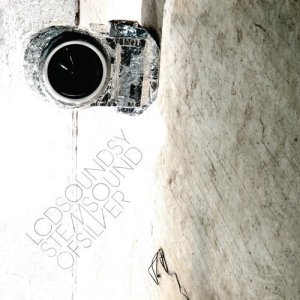
James Murphy made a dance-punk record about aging, friendship, New York, and the absurdity of caring this much, then made it groove hard enough that the self-awareness never curdled. Sound of Silver is a terrific turntable album because repetition becomes physical. All My Friends builds through piano insistence and drum endurance, while Someone Great turns grief into clean electronic motion. For buyers, this is where vinyl and club culture overlap in a very practical way: bass response, side length, and mastering choices all affect whether the record feels alive or merely loud. A good pressing should give the kick drum weight without swallowing the vocal wit. It is also one of the decade's best examples of a record about music obsessives that never sounds like homework. [18]
Back to Black, Amy Winehouse, 2006
Back to Black became enormous, but the vinyl case for it starts in the room sound. Mark Ronson, Salaam Remi, the Dap-Kings connection, and Winehouse's phrasing gave the album a retro-soul frame without turning her into a costume act. Her voice is the center, dry enough to feel close and sharp enough to carry every joke, wound, and bad decision. Collectors should be selective because mass-demand titles often generate many editions, some bought as souvenirs and played on rough setups. The record deserves better than that. When the pressing is clean, Rehab's snap, Love Is a Losing Game's restraint, and Tears Dry on Their Own's bright lift make the album feel less like a tragic biography and more like disciplined pop craft. [19]
In Rainbows, Radiohead, 2007
The pay-what-you-want release story can overshadow how sensual In Rainbows is as a record. Radiohead stripped away some of Kid A's frost and let guitars, hand percussion, strings, and Thom Yorke's voice feel unusually close to the skin. On vinyl, the album's warmth is not a minor detail. Nude, Weird Fishes/Arpeggi, and Reckoner all depend on shimmer and decay, and those qualities can turn papery if the copy is noisy or the setup is mistracking inner grooves. The deluxe discbox has obvious collector appeal, but even standard copies make a strong argument for owning this physically. It is the rare late-career masterpiece that feels intimate rather than monumental. [20]
For Emma, Forever Ago, Bon Iver, 2007
The cabin story is famous because it is useful, but For Emma, Forever Ago lasts because the recording makes solitude audible. Justin Vernon's falsetto, layered harmonies, and spare guitar figures create a wintered-in atmosphere that vinyl can either flatter or expose. A noisy copy will intrude quickly, especially on Lump Sum and re: Stacks, so this is a record where grading is not a formality. It is also a good reminder that 2000s vinyl collecting is not only about big reissue campaigns and canonical rock titles. Small, fragile records from the CD and download era became touchstones for a generation that wanted intimacy to feel physical again. Keep this one clean, and it will do more with silence than many louder albums do with a whole studio budget. [21]
Merriweather Post Pavilion, Animal Collective, 2009
By the end of the decade, indie experimentalism had learned to glow. Merriweather Post Pavilion turns loops, samples, beachy harmonies, and overloaded rhythm into music that feels communal rather than difficult. The optical-illusion cover is part of the experience, a sleeve that seems to vibrate before the needle even drops. Vinyl collectors should listen for low-end control because the album's density can become mush on weak pressings or poorly set-up systems. My Girls is the obvious peak, but the album works best when heard as a saturated whole, full of motion and color. It closes the 2000s with a useful lesson: not every collectible record needs vintage warmth. Some need the format to make modern brightness feel touchable. [22]
What to buy first
If you are starting from zero, do not try to buy the whole list in one weekend. Start with records that teach different parts of 2000s collecting:
- Best all-around first purchase: In Rainbows. It is widely loved, sounds warm on a good pressing, and gives you an immediate feel for why modern records can still reward attentive listening.
- Best crate-digging education: Madvillainy. It teaches you to care about label history, underground hip-hop pressings, cover condition, and texture.
- Best party record: Discovery. Buy a clean copy, then notice how quickly people stop talking when One More Time starts.
- Best packaging rabbit hole: Illinois. The artwork variations make it a perfect case study in why the sleeve can be part of the collectible story.
- Best quiet-room test: For Emma, Forever Ago. It will tell you fast whether your copy, stylus, and room are ready for intimate records.
The other useful strategy is to buy slowly enough that each record teaches you something about your room and setup. Play a dense record like Stankonia after a quiet one like For Emma, Forever Ago, then notice where surface noise, bass bloom, or inner-groove strain appears. That kind of listening makes collecting feel less like shopping and more like building a personal reference library.
FAQ
What makes a 2000s album good for vinyl collectors?
A strong 2000s vinyl pick usually has more than famous songs. Look for albums with thoughtful sequencing, collectible artwork, interesting pressing history, and production that benefits from focused listening. Quiet albums need clean copies, dance and hip-hop records need solid bass and low distortion, and long albums need sides that are not cut too quietly.
Should I buy original 2000s pressings or modern reissues?
It depends on the title. Originals can be more collectible, especially if the artwork, label, or track list changed, but modern reissues may be easier to find in clean condition. Check label information, mastering notes, matrix details, and buyer comments before paying a premium.
Are 2000s vinyl records expensive?
Some are, especially limited originals from the CD era or albums with famous alternate artwork. Many core titles have been reissued, which keeps entry prices reasonable. Condition still matters, and sealed does not always mean best if a known pressing has quality-control issues.
How many albums from this list should a beginner buy first?
Start with three to five across different styles. A rock record, a hip-hop record, an electronic record, and a quieter singer-songwriter album will teach you more about your taste and your setup than buying ten similar records at once.
Sources
- Discogs grading guide
- Kid A, Wikipedia
- Is This It, Wikipedia
- Discovery, Wikipedia
- Yankee Hotel Foxtrot, Wikipedia
- The Blueprint, Wikipedia
- Stankonia, Wikipedia
- White Blood Cells, Wikipedia
- Turn On the Bright Lights, Wikipedia
- Speakerboxxx/The Love Below, Wikipedia
- Funeral, Wikipedia
- Madvillainy, Wikipedia
- Illinois, Wikipedia
- Sound of Silver, Wikipedia
- Back to Black, Wikipedia
- In Rainbows, Wikipedia
- For Emma, Forever Ago, Wikipedia
- Merriweather Post Pavilion, Wikipedia
- Vinyl revival, Wikipedia
- LP record, Wikipedia
Try What's Spinning Free
Turn your iPad into a live now-playing display. Track every record you spin.
START FREE TRIALThen $4.99/mo or $39.99/yr · Cancel anytime