Best Albums to Listen to Front-to-Back on Vinyl
Some records make the strongest case for vinyl by refusing to behave like a pile of singles. They have side breaks that feel dramatic, production choices that reward a real stereo setup, and sequencing that turns a listening session into a small ceremony. That is why the search for the best albums to listen to front to back vinyl usually leads to albums from very different worlds: classic rock, soul, jazz, electronic music, hip hop, art pop, post-rock, and R&B all have records that make more sense when you let the needle travel from the first groove to the runout.
For this list, I looked for albums with a few shared traits: an intentional full-album arc, meaningful vinyl history, strong production or studio identity, and enough collector interest that pressing details matter. I also leaned toward albums where chart performance, certifications, studios, producers, and original-label information are well documented. The goal is not to crown the most valuable records. It is to identify records that reward the behavior vinyl encourages best: put the phone down, listen to one side, flip the record, and finish the thought.
One practical note for collectors: prices move constantly, and condition matters more than mythology. A near-mint reissue often delivers more joy than a trashed first pressing with a famous matrix number. Use the notes below as a map, then let your ears, your budget, and your shelf space make the final call.
15 best albums to listen to front-to-back on vinyl
-
The Dark Side of the Moon, Pink Floyd, 1973
If you are building a shelf around the best albums to listen to front to back vinyl, The Dark Side of the Moon by Pink Floyd is the kind of record that explains why the LP still matters. Released in 1973, it was produced by Pink Floyd, issued on Harvest SHVL 804 in the UK and Capitol SMAS-11163 in the US, and connected to EMI Studios, Abbey Road, London. The commercial story is not just trivia for collectors, since it tells you why so many pressings, reissues, imports, and anniversary editions exist in the bins today. The album reached Billboard 200 number 1 and UK Albums Chart number 2, and its certification history includes RIAA 15x Platinum and BPI 14x Platinum, according to commonly cited chart and certification references summarized in the linked album source.
What makes this an especially good front-to-back vinyl listen is structure. The heartbeat-to-heartbeat arc and the side-one close with The Great Gig in the Sky make the flip feel like an intentional intermission before side two turns toward money, conflict, mortality, and reprise. The essential tracks, Time, Money, Us and Them, work beautifully on their own, but the bigger pleasure is hearing how they sit inside the full sequence. On a streaming service, the temptation is to jump straight to the famous cuts. On vinyl, the side break asks you to stay with the argument of the record, reset your attention, and come back for the second act.
From a collecting angle, early UK Harvest solid-blue prism labels are prized, while the 30th and 50th anniversary editions remain practical audiophile choices. That does not mean you need the most expensive copy to enjoy it. For most listeners, a clean, flat, well-mastered reissue will beat a noisy original with groove wear every time. Still, the original label, catalog number, and production history give you useful search terms when you are crate digging, checking Discogs-style listings, or comparing a shop copy against your collection notes.
The vinyl-specific appeal is also sonic. This is music with dynamic contrast, careful sequencing, and enough album-length intention that surface noise and room ritual can become part of the experience rather than a distraction. Put it on, let the side play, flip it without rushing, and you hear the record as a complete work instead of a playlist of highlights. That is exactly the habit What's Spinning is built to preserve: the app can automatically track what played from your turntable, so your listening history reflects the albums you actually lived with, not just the individual songs you remembered to log. Source: album background and chart details.
-
What’s Going On, Marvin Gaye, 1971
If you are building a shelf around the best albums to listen to front to back vinyl, What’s Going On by Marvin Gaye is the kind of record that explains why the LP still matters. Released in 1971, it was produced by Marvin Gaye, issued on Tamla TS310 original US LP, and connected to Hitsville U.S.A., Golden World, and United Sound Studios in Detroit. The commercial story is not just trivia for collectors, since it tells you why so many pressings, reissues, imports, and anniversary editions exist in the bins today. The album reached Billboard 200 number 6 and Billboard Soul LPs number 1, and its certification history includes RIAA Platinum and BPI Gold, according to commonly cited chart and certification references summarized in the linked album source.
What makes this an especially good front-to-back vinyl listen is structure. The record flows like a civic and spiritual song cycle, with recurring voices, street sounds, and melodic motifs that reward uninterrupted listening. The essential tracks, What’s Going On, Mercy Mercy Me, Inner City Blues, work beautifully on their own, but the bigger pleasure is hearing how they sit inside the full sequence. On a streaming service, the temptation is to jump straight to the famous cuts. On vinyl, the side break asks you to stay with the argument of the record, reset your attention, and come back for the second act.
From a collecting angle, original Tamla gatefold copies are desirable, and Mobile Fidelity editions are valued for bass warmth and vocal detail. That does not mean you need the most expensive copy to enjoy it. For most listeners, a clean, flat, well-mastered reissue will beat a noisy original with groove wear every time. Still, the original label, catalog number, and production history give you useful search terms when you are crate digging, checking Discogs-style listings, or comparing a shop copy against your collection notes.
The vinyl-specific appeal is also sonic. This is music with dynamic contrast, careful sequencing, and enough album-length intention that surface noise and room ritual can become part of the experience rather than a distraction. Put it on, let the side play, flip it without rushing, and you hear the record as a complete work instead of a playlist of highlights. That is exactly the habit What's Spinning is built to preserve: the app can automatically track what played from your turntable, so your listening history reflects the albums you actually lived with, not just the individual songs you remembered to log. Source: album background and chart details.
-
Kind of Blue, Miles Davis, 1959
If you are building a shelf around the best albums to listen to front to back vinyl, Kind of Blue by Miles Davis is the kind of record that explains why the LP still matters. Released in 1959, it was produced by Irving Townsend, issued on Columbia CL 1355 mono and CS 8163 stereo, and connected to Columbia 30th Street Studio, New York. The commercial story is not just trivia for collectors, since it tells you why so many pressings, reissues, imports, and anniversary editions exist in the bins today. The album reached Billboard 200 number 12, and its certification history includes RIAA 5x Platinum and BPI Gold, according to commonly cited chart and certification references summarized in the linked album source.
What makes this an especially good front-to-back vinyl listen is structure. Side one establishes the modal language with spacious blues and ballad forms, while side two stretches into the hypnotic long-form drift of All Blues and Flamenco Sketches. The essential tracks, So What, Freddie Freeloader, All Blues, work beautifully on their own, but the bigger pleasure is hearing how they sit inside the full sequence. On a streaming service, the temptation is to jump straight to the famous cuts. On vinyl, the side break asks you to stay with the argument of the record, reset your attention, and come back for the second act.
From a collecting angle, original Columbia six-eye mono and stereo pressings are blue-chip jazz collectibles, with Classic Records, Mobile Fidelity, and Analogue Productions reissues also sought after. That does not mean you need the most expensive copy to enjoy it. For most listeners, a clean, flat, well-mastered reissue will beat a noisy original with groove wear every time. Still, the original label, catalog number, and production history give you useful search terms when you are crate digging, checking Discogs-style listings, or comparing a shop copy against your collection notes.
The vinyl-specific appeal is also sonic. This is music with dynamic contrast, careful sequencing, and enough album-length intention that surface noise and room ritual can become part of the experience rather than a distraction. Put it on, let the side play, flip it without rushing, and you hear the record as a complete work instead of a playlist of highlights. That is exactly the habit What's Spinning is built to preserve: the app can automatically track what played from your turntable, so your listening history reflects the albums you actually lived with, not just the individual songs you remembered to log. Source: album background and chart details.
-
Rumours, Fleetwood Mac, 1977
If you are building a shelf around the best albums to listen to front to back vinyl, Rumours by Fleetwood Mac is the kind of record that explains why the LP still matters. Released in 1977, it was produced by Fleetwood Mac, Ken Caillat, and Richard Dashut, issued on Warner Bros. BSK 3010 original US LP, and connected to Record Plant in Sausalito, Wally Heider Studios in Los Angeles, and Davlen Sound Studios in North Hollywood. The commercial story is not just trivia for collectors, since it tells you why so many pressings, reissues, imports, and anniversary editions exist in the bins today. The album reached Billboard 200 number 1 and UK Albums Chart number 1, and its certification history includes RIAA 21x Platinum and BPI 14x Platinum, according to commonly cited chart and certification references summarized in the linked album source.
What makes this an especially good front-to-back vinyl listen is structure. The album alternates confession, accusation, and release, and The Chain closes side one like a theatrical curtain drop before side two turns more bruised and reflective. The essential tracks, Dreams, Go Your Own Way, The Chain, work beautifully on their own, but the bigger pleasure is hearing how they sit inside the full sequence. On a streaming service, the temptation is to jump straight to the famous cuts. On vinyl, the side break asks you to stay with the argument of the record, reset your attention, and come back for the second act.
From a collecting angle, clean early BSK 3010 copies are worth finding, and the 45 RPM edition mastered by Steve Hoffman and Kevin Gray is a favorite among collectors. That does not mean you need the most expensive copy to enjoy it. For most listeners, a clean, flat, well-mastered reissue will beat a noisy original with groove wear every time. Still, the original label, catalog number, and production history give you useful search terms when you are crate digging, checking Discogs-style listings, or comparing a shop copy against your collection notes.
The vinyl-specific appeal is also sonic. This is music with dynamic contrast, careful sequencing, and enough album-length intention that surface noise and room ritual can become part of the experience rather than a distraction. Put it on, let the side play, flip it without rushing, and you hear the record as a complete work instead of a playlist of highlights. That is exactly the habit What's Spinning is built to preserve: the app can automatically track what played from your turntable, so your listening history reflects the albums you actually lived with, not just the individual songs you remembered to log. Source: album background and chart details.
-
OK Computer, Radiohead, 1997
If you are building a shelf around the best albums to listen to front to back vinyl, OK Computer by Radiohead is the kind of record that explains why the LP still matters. Released in 1997, it was produced by Nigel Godrich and Radiohead, issued on Parlophone NODATA 02 original UK vinyl and Capitol in the US, and connected to Canned Applause in Oxfordshire and St Catherine’s Court near Bath. The commercial story is not just trivia for collectors, since it tells you why so many pressings, reissues, imports, and anniversary editions exist in the bins today. The album reached UK Albums Chart number 1 and Billboard 200 number 21, and its certification history includes RIAA 2x Platinum and BPI 5x Platinum, according to commonly cited chart and certification references summarized in the linked album source.
What makes this an especially good front-to-back vinyl listen is structure. Its vinyl layout turns the album’s anxiety spiral into chapters, moving from technological dread into emotional shutdown and the fragile recovery of The Tourist. The essential tracks, Paranoid Android, Karma Police, No Surprises, work beautifully on their own, but the bigger pleasure is hearing how they sit inside the full sequence. On a streaming service, the temptation is to jump straight to the famous cuts. On vinyl, the side break asks you to stay with the argument of the record, reset your attention, and come back for the second act.
From a collecting angle, original UK Parlophone vinyl is collectible, while OKNOTOK is the accessible expanded reissue with period B-sides. That does not mean you need the most expensive copy to enjoy it. For most listeners, a clean, flat, well-mastered reissue will beat a noisy original with groove wear every time. Still, the original label, catalog number, and production history give you useful search terms when you are crate digging, checking Discogs-style listings, or comparing a shop copy against your collection notes.
The vinyl-specific appeal is also sonic. This is music with dynamic contrast, careful sequencing, and enough album-length intention that surface noise and room ritual can become part of the experience rather than a distraction. Put it on, let the side play, flip it without rushing, and you hear the record as a complete work instead of a playlist of highlights. That is exactly the habit What's Spinning is built to preserve: the app can automatically track what played from your turntable, so your listening history reflects the albums you actually lived with, not just the individual songs you remembered to log. Source: album background and chart details.
-
Discovery, Daft Punk, 2001
If you are building a shelf around the best albums to listen to front to back vinyl, Discovery by Daft Punk is the kind of record that explains why the LP still matters. Released in 2001, it was produced by Daft Punk, issued on Virgin 7243 8 49606 1 5 common original 2LP, and connected to Daft House, Paris. The commercial story is not just trivia for collectors, since it tells you why so many pressings, reissues, imports, and anniversary editions exist in the bins today. The album reached UK Albums Chart number 2 and Billboard 200 number 44, and its certification history includes RIAA Gold and BPI Platinum, according to commonly cited chart and certification references summarized in the linked album source.
What makes this an especially good front-to-back vinyl listen is structure. The side breaks frame the record as a neon disco journey, moving from euphoric singles into deeper emotional and cinematic electronic pop. The essential tracks, One More Time, Digital Love, Harder, Better, Faster, Stronger, work beautifully on their own, but the bigger pleasure is hearing how they sit inside the full sequence. On a streaming service, the temptation is to jump straight to the famous cuts. On vinyl, the side break asks you to stay with the argument of the record, reset your attention, and come back for the second act.
From a collecting angle, original European and Japanese-period editions are collectible, while later 2LP reissues keep its bass-heavy production easy to find. That does not mean you need the most expensive copy to enjoy it. For most listeners, a clean, flat, well-mastered reissue will beat a noisy original with groove wear every time. Still, the original label, catalog number, and production history give you useful search terms when you are crate digging, checking Discogs-style listings, or comparing a shop copy against your collection notes.
The vinyl-specific appeal is also sonic. This is music with dynamic contrast, careful sequencing, and enough album-length intention that surface noise and room ritual can become part of the experience rather than a distraction. Put it on, let the side play, flip it without rushing, and you hear the record as a complete work instead of a playlist of highlights. That is exactly the habit What's Spinning is built to preserve: the app can automatically track what played from your turntable, so your listening history reflects the albums you actually lived with, not just the individual songs you remembered to log. Source: album background and chart details.
-
The Miseducation of Lauryn Hill, Lauryn Hill, 1998
If you are building a shelf around the best albums to listen to front to back vinyl, The Miseducation of Lauryn Hill by Lauryn Hill is the kind of record that explains why the LP still matters. Released in 1998, it was produced by Lauryn Hill with contributors including Che Pope and Vada Nobles, issued on Ruffhouse and Columbia C2 69035 original US 2LP, and connected to Tuff Gong Studios in Kingston, Chung King Studios in New York, and Sony Music Studios in New York. The commercial story is not just trivia for collectors, since it tells you why so many pressings, reissues, imports, and anniversary editions exist in the bins today. The album reached Billboard 200 number 1 and UK Albums Chart number 2, and its certification history includes RIAA Diamond and BPI 4x Platinum, according to commonly cited chart and certification references summarized in the linked album source.
What makes this an especially good front-to-back vinyl listen is structure. Classroom skits, soul confessionals, reggae touches, and hip hop singles form a coming-of-age narrative that gains emotional force when heard in order. The essential tracks, Doo Wop, Ex-Factor, Everything Is Everything, work beautifully on their own, but the bigger pleasure is hearing how they sit inside the full sequence. On a streaming service, the temptation is to jump straight to the famous cuts. On vinyl, the side break asks you to stay with the argument of the record, reset your attention, and come back for the second act.
From a collecting angle, original 1998 Columbia 2LP copies are desirable, and the album has remained in demand through many reissues. That does not mean you need the most expensive copy to enjoy it. For most listeners, a clean, flat, well-mastered reissue will beat a noisy original with groove wear every time. Still, the original label, catalog number, and production history give you useful search terms when you are crate digging, checking Discogs-style listings, or comparing a shop copy against your collection notes.
The vinyl-specific appeal is also sonic. This is music with dynamic contrast, careful sequencing, and enough album-length intention that surface noise and room ritual can become part of the experience rather than a distraction. Put it on, let the side play, flip it without rushing, and you hear the record as a complete work instead of a playlist of highlights. That is exactly the habit What's Spinning is built to preserve: the app can automatically track what played from your turntable, so your listening history reflects the albums you actually lived with, not just the individual songs you remembered to log. Source: album background and chart details.
-
To Pimp a Butterfly, Kendrick Lamar, 2015
If you are building a shelf around the best albums to listen to front to back vinyl, To Pimp a Butterfly by Kendrick Lamar is the kind of record that explains why the LP still matters. Released in 2015, it was produced by Sounwave, Terrace Martin, Thundercat, Flying Lotus, Pharrell Williams, Boi-1da, Knxwledge, and others, issued on Top Dawg, Aftermath, and Interscope B0023464-01 common US 2LP, and connected to Chalice Recording Studios in Los Angeles, Downtown Studios in New York, and No Excuses Studios in Santa Monica. The commercial story is not just trivia for collectors, since it tells you why so many pressings, reissues, imports, and anniversary editions exist in the bins today. The album reached Billboard 200 number 1 and UK Albums Chart number 1, and its certification history includes RIAA Platinum and BPI Gold, according to commonly cited chart and certification references summarized in the linked album source.
What makes this an especially good front-to-back vinyl listen is structure. The poem fragments, jazz-funk interludes, and Tupac interview make it feel like a staged political and psychological drama that lands best in sequence. The essential tracks, King Kunta, Alright, The Blacker the Berry, work beautifully on their own, but the bigger pleasure is hearing how they sit inside the full sequence. On a streaming service, the temptation is to jump straight to the famous cuts. On vinyl, the side break asks you to stay with the argument of the record, reset your attention, and come back for the second act.
From a collecting angle, standard black 2LP copies are widely available, while limited color variants and clean early copies draw collector interest. That does not mean you need the most expensive copy to enjoy it. For most listeners, a clean, flat, well-mastered reissue will beat a noisy original with groove wear every time. Still, the original label, catalog number, and production history give you useful search terms when you are crate digging, checking Discogs-style listings, or comparing a shop copy against your collection notes.
The vinyl-specific appeal is also sonic. This is music with dynamic contrast, careful sequencing, and enough album-length intention that surface noise and room ritual can become part of the experience rather than a distraction. Put it on, let the side play, flip it without rushing, and you hear the record as a complete work instead of a playlist of highlights. That is exactly the habit What's Spinning is built to preserve: the app can automatically track what played from your turntable, so your listening history reflects the albums you actually lived with, not just the individual songs you remembered to log. Source: album background and chart details.
-
Forever Changes, Love, 1967
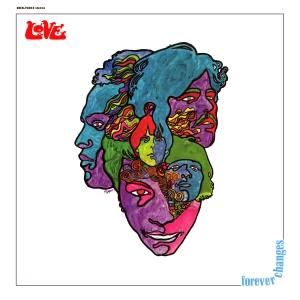
If you are building a shelf around the best albums to listen to front to back vinyl, Forever Changes by Love is the kind of record that explains why the LP still matters. Released in 1967, it was produced by Arthur Lee and Bruce Botnick, issued on Elektra EKL-4013 mono and EKS-74013 stereo, and connected to Sunset Sound, Hollywood. The commercial story is not just trivia for collectors, since it tells you why so many pressings, reissues, imports, and anniversary editions exist in the bins today. The album reached Billboard 200 number 154 and UK Albums Chart number 24, and its certification history includes BPI Gold, according to commonly cited chart and certification references summarized in the linked album source.
What makes this an especially good front-to-back vinyl listen is structure. Side A pulls listeners into ornate folk rock and tension, while side B deepens into Arthur Lee’s darker, apocalyptic suite-like finale. The essential tracks, Alone Again Or, The Red Telephone, You Set the Scene, work beautifully on their own, but the bigger pleasure is hearing how they sit inside the full sequence. On a streaming service, the temptation is to jump straight to the famous cuts. On vinyl, the side break asks you to stay with the argument of the record, reset your attention, and come back for the second act.
From a collecting angle, original gold and tan Elektra mono and stereo pressings are collectible, with Rhino and Mobile Fidelity reissues often recommended. That does not mean you need the most expensive copy to enjoy it. For most listeners, a clean, flat, well-mastered reissue will beat a noisy original with groove wear every time. Still, the original label, catalog number, and production history give you useful search terms when you are crate digging, checking Discogs-style listings, or comparing a shop copy against your collection notes.
The vinyl-specific appeal is also sonic. This is music with dynamic contrast, careful sequencing, and enough album-length intention that surface noise and room ritual can become part of the experience rather than a distraction. Put it on, let the side play, flip it without rushing, and you hear the record as a complete work instead of a playlist of highlights. That is exactly the habit What's Spinning is built to preserve: the app can automatically track what played from your turntable, so your listening history reflects the albums you actually lived with, not just the individual songs you remembered to log. Source: album background and chart details.
-
Hounds of Love, Kate Bush, 1985
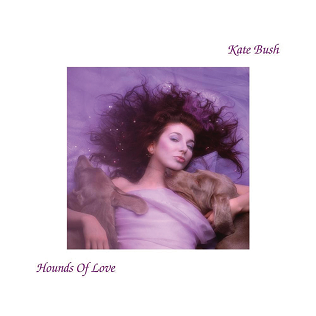
If you are building a shelf around the best albums to listen to front to back vinyl, Hounds of Love by Kate Bush is the kind of record that explains why the LP still matters. Released in 1985, it was produced by Kate Bush, issued on EMI KAB1 and EJ 24 0384 1 UK LP, and connected to Wickham Farm Home Studio, Welling, England. The commercial story is not just trivia for collectors, since it tells you why so many pressings, reissues, imports, and anniversary editions exist in the bins today. The album reached UK Albums Chart number 1 and Billboard 200 number 30 originally, with a later US peak of number 12 in 2022, and its certification history includes BPI 2x Platinum plus Platinum certifications in Canada and Germany, according to commonly cited chart and certification references summarized in the linked album source.
What makes this an especially good front-to-back vinyl listen is structure. Side A plays like a perfect art-pop singles run, then side B becomes The Ninth Wave, a continuous conceptual sequence about danger, memory, and survival. The essential tracks, Running Up That Hill, Hounds of Love, Cloudbusting, work beautifully on their own, but the bigger pleasure is hearing how they sit inside the full sequence. On a streaming service, the temptation is to jump straight to the famous cuts. On vinyl, the side break asks you to stay with the argument of the record, reset your attention, and come back for the second act.
From a collecting angle, original UK EMI gatefold copies are sought after, and remastered editions are widely available. That does not mean you need the most expensive copy to enjoy it. For most listeners, a clean, flat, well-mastered reissue will beat a noisy original with groove wear every time. Still, the original label, catalog number, and production history give you useful search terms when you are crate digging, checking Discogs-style listings, or comparing a shop copy against your collection notes.
The vinyl-specific appeal is also sonic. This is music with dynamic contrast, careful sequencing, and enough album-length intention that surface noise and room ritual can become part of the experience rather than a distraction. Put it on, let the side play, flip it without rushing, and you hear the record as a complete work instead of a playlist of highlights. That is exactly the habit What's Spinning is built to preserve: the app can automatically track what played from your turntable, so your listening history reflects the albums you actually lived with, not just the individual songs you remembered to log. Source: album background and chart details.
-
Voodoo, D’Angelo, 2000

If you are building a shelf around the best albums to listen to front to back vinyl, Voodoo by D’Angelo is the kind of record that explains why the LP still matters. Released in 2000, it was produced by D’Angelo, with contributors including DJ Premier and Raphael Saadiq, issued on Virgin and Cheeba Sound 7243 8 48499 1 7 US 2LP, and connected to Electric Lady Studios, New York. The commercial story is not just trivia for collectors, since it tells you why so many pressings, reissues, imports, and anniversary editions exist in the bins today. The album reached Billboard 200 number 1 and UK Albums Chart number 21, and its certification history includes RIAA Platinum, BPI Gold, and Music Canada Gold, according to commonly cited chart and certification references summarized in the linked album source.
What makes this an especially good front-to-back vinyl listen is structure. Its loose, behind-the-beat groove benefits from uninterrupted side-long immersion, moving like one smoky Electric Lady session. The essential tracks, Devil’s Pie, Untitled, The Root, work beautifully on their own, but the bigger pleasure is hearing how they sit inside the full sequence. On a streaming service, the temptation is to jump straight to the famous cuts. On vinyl, the side break asks you to stay with the argument of the record, reset your attention, and come back for the second act.
From a collecting angle, original US 2LP pressings are desirable, and the 2012 Light in the Attic and Modern Classics reissue is a notable collector edition. That does not mean you need the most expensive copy to enjoy it. For most listeners, a clean, flat, well-mastered reissue will beat a noisy original with groove wear every time. Still, the original label, catalog number, and production history give you useful search terms when you are crate digging, checking Discogs-style listings, or comparing a shop copy against your collection notes.
The vinyl-specific appeal is also sonic. This is music with dynamic contrast, careful sequencing, and enough album-length intention that surface noise and room ritual can become part of the experience rather than a distraction. Put it on, let the side play, flip it without rushing, and you hear the record as a complete work instead of a playlist of highlights. That is exactly the habit What's Spinning is built to preserve: the app can automatically track what played from your turntable, so your listening history reflects the albums you actually lived with, not just the individual songs you remembered to log. Source: album background and chart details.
-
Mezzanine, Massive Attack, 1998

If you are building a shelf around the best albums to listen to front to back vinyl, Mezzanine by Massive Attack is the kind of record that explains why the LP still matters. Released in 1998, it was produced by Massive Attack and Neil Davidge, issued on Wild Bunch, Circa, and Virgin WBRLP4 / 7243 8 45599 1 5 UK LP, and connected to mixed at Olympic Studios, London. The commercial story is not just trivia for collectors, since it tells you why so many pressings, reissues, imports, and anniversary editions exist in the bins today. The album reached UK Albums Chart number 1 and Billboard 200 number 60, and its certification history includes BPI Platinum, plus Platinum certifications in Australia and Belgium, according to commonly cited chart and certification references summarized in the linked album source.
What makes this an especially good front-to-back vinyl listen is structure. The album is a dark trip-hop arc, with each side emphasizing bass weight, negative space, guitar abrasion, and slow-building dread. The essential tracks, Angel, Teardrop, Inertia Creeps, work beautifully on their own, but the bigger pleasure is hearing how they sit inside the full sequence. On a streaming service, the temptation is to jump straight to the famous cuts. On vinyl, the side break asks you to stay with the argument of the record, reset your attention, and come back for the second act.
From a collecting angle, original UK 2LP pressings are collectible, while anniversary editions revived interest in the album’s heavy, widescreen sound. That does not mean you need the most expensive copy to enjoy it. For most listeners, a clean, flat, well-mastered reissue will beat a noisy original with groove wear every time. Still, the original label, catalog number, and production history give you useful search terms when you are crate digging, checking Discogs-style listings, or comparing a shop copy against your collection notes.
The vinyl-specific appeal is also sonic. This is music with dynamic contrast, careful sequencing, and enough album-length intention that surface noise and room ritual can become part of the experience rather than a distraction. Put it on, let the side play, flip it without rushing, and you hear the record as a complete work instead of a playlist of highlights. That is exactly the habit What's Spinning is built to preserve: the app can automatically track what played from your turntable, so your listening history reflects the albums you actually lived with, not just the individual songs you remembered to log. Source: album background and chart details.
-
The Low End Theory, A Tribe Called Quest, 1991
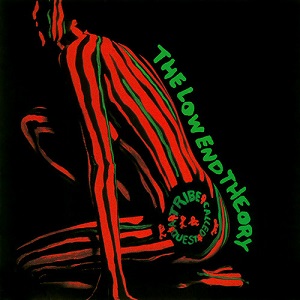
If you are building a shelf around the best albums to listen to front to back vinyl, The Low End Theory by A Tribe Called Quest is the kind of record that explains why the LP still matters. Released in 1991, it was produced by A Tribe Called Quest and Skeff Anselm, issued on Jive 1418-1-J original US LP, and connected to Battery, Greene St., and Soundtrack in New York. The commercial story is not just trivia for collectors, since it tells you why so many pressings, reissues, imports, and anniversary editions exist in the bins today. The album reached Billboard 200 number 45, Top R&B/Hip-Hop Albums number 13, and UK Albums Chart number 58, and its certification history includes RIAA Platinum and BPI Silver, according to commonly cited chart and certification references summarized in the linked album source.
What makes this an especially good front-to-back vinyl listen is structure. The sequencing balances jazz-bass minimalism, Q-Tip and Phife chemistry, and a final posse-cut payoff that feels built for the LP format. The essential tracks, Excursions, Buggin’ Out, Scenario, work beautifully on their own, but the bigger pleasure is hearing how they sit inside the full sequence. On a streaming service, the temptation is to jump straight to the famous cuts. On vinyl, the side break asks you to stay with the argument of the record, reset your attention, and come back for the second act.
From a collecting angle, original US Jive LPs are collectible, and clean early copies are prized because the bass and drums remain central to the experience. That does not mean you need the most expensive copy to enjoy it. For most listeners, a clean, flat, well-mastered reissue will beat a noisy original with groove wear every time. Still, the original label, catalog number, and production history give you useful search terms when you are crate digging, checking Discogs-style listings, or comparing a shop copy against your collection notes.
The vinyl-specific appeal is also sonic. This is music with dynamic contrast, careful sequencing, and enough album-length intention that surface noise and room ritual can become part of the experience rather than a distraction. Put it on, let the side play, flip it without rushing, and you hear the record as a complete work instead of a playlist of highlights. That is exactly the habit What's Spinning is built to preserve: the app can automatically track what played from your turntable, so your listening history reflects the albums you actually lived with, not just the individual songs you remembered to log. Source: album background and chart details.
-
Spirit of Eden, Talk Talk, 1988
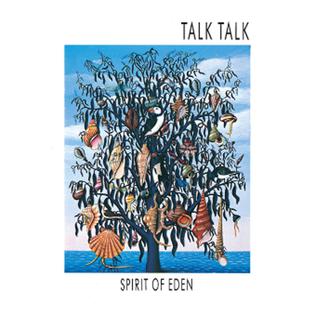
If you are building a shelf around the best albums to listen to front to back vinyl, Spirit of Eden by Talk Talk is the kind of record that explains why the LP still matters. Released in 1988, it was produced by Tim Friese-Greene, issued on Parlophone and EMI PCSD 105 UK LP, and connected to Wessex Sound Studios, London. The commercial story is not just trivia for collectors, since it tells you why so many pressings, reissues, imports, and anniversary editions exist in the bins today. The album reached UK Albums Chart number 19, Germany number 16, and Switzerland number 12, and its certification history includes BPI Silver, according to commonly cited chart and certification references summarized in the linked album source.
What makes this an especially good front-to-back vinyl listen is structure. It behaves like a chamber-scale post-rock suite, where silence, room tone, and side breaks are central to the emotional pacing. The essential tracks, The Rainbow, Eden, I Believe in You, work beautifully on their own, but the bigger pleasure is hearing how they sit inside the full sequence. On a streaming service, the temptation is to jump straight to the famous cuts. On vinyl, the side break asks you to stay with the argument of the record, reset your attention, and come back for the second act.
From a collecting angle, original UK Parlophone copies are desirable, especially clean vinyl because the album uses extreme quiet-loud dynamics and long silences. That does not mean you need the most expensive copy to enjoy it. For most listeners, a clean, flat, well-mastered reissue will beat a noisy original with groove wear every time. Still, the original label, catalog number, and production history give you useful search terms when you are crate digging, checking Discogs-style listings, or comparing a shop copy against your collection notes.
The vinyl-specific appeal is also sonic. This is music with dynamic contrast, careful sequencing, and enough album-length intention that surface noise and room ritual can become part of the experience rather than a distraction. Put it on, let the side play, flip it without rushing, and you hear the record as a complete work instead of a playlist of highlights. That is exactly the habit What's Spinning is built to preserve: the app can automatically track what played from your turntable, so your listening history reflects the albums you actually lived with, not just the individual songs you remembered to log. Source: album background and chart details.
-
Mingus Ah Um, Charles Mingus, 1959
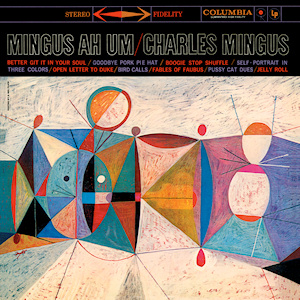
If you are building a shelf around the best albums to listen to front to back vinyl, Mingus Ah Um by Charles Mingus is the kind of record that explains why the LP still matters. Released in 1959, it was produced by Teo Macero, issued on Columbia CL 1370 mono and CS 8171 stereo, and connected to Columbia 30th Street Studio, New York. The commercial story is not just trivia for collectors, since it tells you why so many pressings, reissues, imports, and anniversary editions exist in the bins today. The album reached not a major pop-chart blockbuster, but now a cornerstone of modern jazz canon lists, and its certification history includes BPI Silver, according to commonly cited chart and certification references summarized in the linked album source.
What makes this an especially good front-to-back vinyl listen is structure. The record moves like a gallery of Mingus portraits, shifting from gospel shout to elegy to satire with deliberate LP-era drama. The essential tracks, Better Git It in Your Soul, Goodbye Pork Pie Hat, Fables of Faubus, work beautifully on their own, but the bigger pleasure is hearing how they sit inside the full sequence. On a streaming service, the temptation is to jump straight to the famous cuts. On vinyl, the side break asks you to stay with the argument of the record, reset your attention, and come back for the second act.
From a collecting angle, original Columbia six-eye mono and stereo pressings are collectible, and many later audiophile editions restore longer takes than the original edited LP. That does not mean you need the most expensive copy to enjoy it. For most listeners, a clean, flat, well-mastered reissue will beat a noisy original with groove wear every time. Still, the original label, catalog number, and production history give you useful search terms when you are crate digging, checking Discogs-style listings, or comparing a shop copy against your collection notes.
The vinyl-specific appeal is also sonic. This is music with dynamic contrast, careful sequencing, and enough album-length intention that surface noise and room ritual can become part of the experience rather than a distraction. Put it on, let the side play, flip it without rushing, and you hear the record as a complete work instead of a playlist of highlights. That is exactly the habit What's Spinning is built to preserve: the app can automatically track what played from your turntable, so your listening history reflects the albums you actually lived with, not just the individual songs you remembered to log. Source: album background and chart details.
What to buy first
If you are starting from scratch, buy records you will actually play. My first-five recommendation is Kind of Blue for jazz and room sound, What’s Going On for soul and narrative flow, Rumours for pop-rock songwriting, Discovery for party-ready electronic sequencing, and To Pimp a Butterfly for a modern double-LP that demands attention. Those five cover a wide emotional and sonic range, and each one teaches a different lesson about why album order matters.
After that, choose based on mood. If you want late-night depth, try Voodoo, Mezzanine, or Spirit of Eden. If you want canonical rock and art-pop statements, go for The Dark Side of the Moon, OK Computer, Hounds of Love, or Forever Changes. If you want a collection that says something about jazz history beyond the obvious starter records, add Mingus Ah Um beside Kind of Blue.
FAQ
What makes an album good for front-to-back vinyl listening?
The best candidates have intentional sequencing, side breaks that feel natural, and production that rewards focused listening. A great front-to-back record makes the deep cuts feel necessary, not like filler between singles.
Should I buy original pressings or modern reissues?
Buy the cleanest copy you can afford. Originals can be wonderful, but condition, mastering, and pressing quality matter more than bragging rights. Many modern reissues sound excellent and are easier to replace if you play them often.
How many albums should a beginner vinyl collector start with?
Start with five to ten records you already love enough to hear without skipping. A small collection that gets played is better than a huge shelf of trophy copies you never spin.
How can I remember which albums I actually played?
Use a listening log or a turntable-aware collection tracker like What's Spinning. It can help preserve the ritual of album listening by showing which records you played, when you played them, and how your habits change over time.
A spreadsheet tracks what you own. What's Spinning identifies what's playing.
On-device vinyl ID logs your listening history automatically. 7-day free trial.
Looking for Shazam for vinyl?
What's Spinning identifies what's playing on your turntable on-device, logs history, and AirPlays now-playing to your TV.
Comparing vinyl ID apps?
Analog requires Discogs and is iPhone-first (iPad coming). What's Spinning works without Discogs on iPhone and iPad with AirPlay.
Try What's Spinning Free
Turn your iPad into a live now-playing display. Track every record you spin.
START FREE TRIALThen $4.99/mo or $39.99/yr · Cancel anytime
Get it on your iPhone
Open on iPhone