The Best Albums Released in 1997: 15 Essential Records for Vinyl Collectors
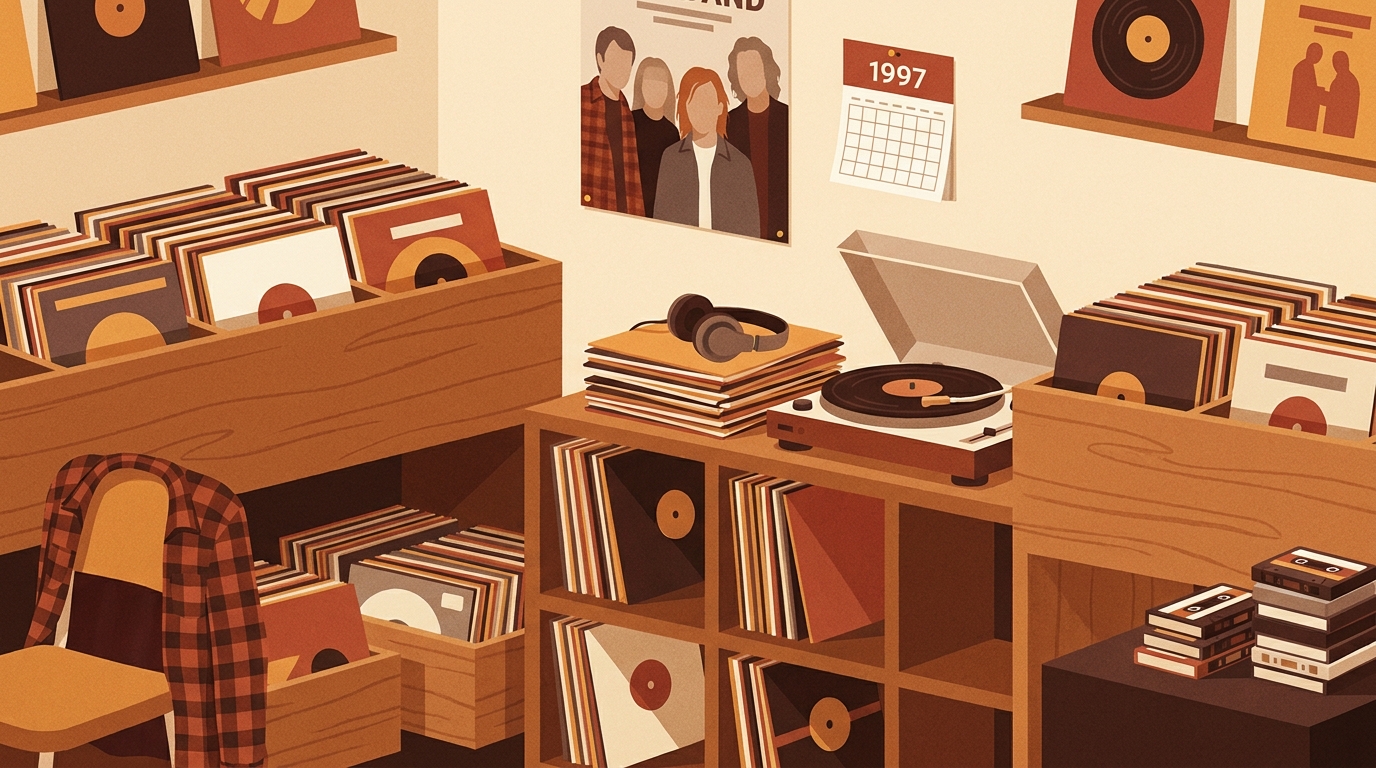
If you collect records, 1997 is a fascinating year. The compact disc was still king, the vinyl revival was nowhere in sight, and yet some of the decade's most durable albums still appeared on LP in runs that now feel historically revealing. That is why a list of the best albums released in 1997 should not just ask which records won the most awards or sold the most copies. It should ask which ones still make sense when you are standing in front of a turntable, deciding what deserves a full side of attention.
The best 1997 albums cut across alternative rock, hip-hop, neo-soul, French house, big beat, Cuban music, indie rock, and art-pop. They also show how wide vinyl collecting can be. Some are blockbuster albums with surprisingly scarce original LPs. Some are independent records whose first pressings document a scene before it became canon. Some are simply beautiful listening records, the kind you want to hear end to end because the sequencing, cover art, and physical ritual all support the music.
This ranking favors records that matter musically and make sense for vinyl collectors. Chart performance, certifications, production credits, original labels, catalog notes, and collector context all count. Condition still matters more than mythology, but if you are building a serious 1997 shelf, these are the records I would start with.
The 15 best albums released in 1997 for vinyl collectors
-

OK Computer, Radiohead, 1997. OK Computer earns its place among the best albums released in 1997 because it captures a very specific late-1990s moment while still sounding alive on a turntable today. It was released by Parlophone and Capitol, and its core credits point to Nigel Godrich and Radiohead. The album is not here only because it is famous; it is here because the writing, sequencing, artwork, and physical presence make sense as a record collection choice. In 1997, vinyl was no longer the default format for many mainstream buyers, so LP copies from this period often tell a different story than the CD copies that filled stores and cars.
Commercially, the album reached No. 1 on the UK Albums Chart and No. 21 on the Billboard 200, with certifications including 5x Platinum in the UK and 2x Platinum in the United States. Those numbers matter for collectors because they show the gap between cultural footprint and original vinyl availability. A record could sell millions on CD while LP runs stayed relatively small, which is why 1997 originals can be more collectible than casual fans expect. The essential tracks are Airbag, Paranoid Android, Karma Police, Lucky, and No Surprises, and they explain why the record still has everyday listening value instead of being a museum piece. This is music that rewards being pulled from the shelf, played in order, and logged as part of a real listening habit.
The production story is just as important. The album was recorded or shaped around Canned Applause in Didcot, St Catherine's Court near Bath, and The Church in Crouch End, and that context helps explain why it behaves the way it does on vinyl. The record has wide dynamic contrasts, dry acoustic guitars, processed drums, and sudden guitar bursts that make pressing quality easy to hear. A clean copy gives the quieter passages real room and keeps the dense climaxes from turning brittle. The best 1997 LPs tend to sit in an interesting technical zone: many were made with digital tools, analog instruments, or hybrid workflows, then mastered for a market that was increasingly CD-first. When the vinyl cut is good, that tension becomes part of the appeal. You hear late-century studio ambition through a format that asks for patience and attention.
For buying decisions, the collector note is straightforward: Early UK and European double LP pressings tend to be the serious collector targets, while OKNOTOK and later reissues are practical listening copies. Because this was released deep in the compact disc era, clean original vinyl is less common than the album's fame might suggest. Pressing details also matter. For this title, original UK 2LP copies are commonly associated with Parlophone NODATA 02. Treat catalog numbers, country of manufacture, sleeve condition, and matrix information as part of the research, especially when prices climb. If you are buying online, ask for photos of the actual copy and check whether the seller grades conservatively. If you are buying in a shop, inspect the disc under strong light and look for inner-sleeve scuffs, warps, and noisy-looking groove wear.
Most importantly, OK Computer matters because it is the rare alternative rock blockbuster that treats the LP as a coherent, side-length journey rather than a container for singles. That is what separates an essential album from a merely collectible one. A scarce pressing is fun, but a record earns shelf space when it still changes the room after the needle drops. For a What's Spinning user, this is exactly the kind of album worth tracking over time: not just owned, not just cataloged, but actually played. Sources: Wikipedia, Discogs.
-

Urban Hymns, The Verve, 1997. Urban Hymns earns its place among the best albums released in 1997 because it captures a very specific late-1990s moment while still sounding alive on a turntable today. It was released by Hut, and its core credits point to The Verve, Chris Potter, and Youth. The album is not here only because it is famous; it is here because the writing, sequencing, artwork, and physical presence make sense as a record collection choice. In 1997, vinyl was no longer the default format for many mainstream buyers, so LP copies from this period often tell a different story than the CD copies that filled stores and cars.
Commercially, the album reached No. 1 in the UK and No. 23 on the Billboard 200, with certifications including 11x Platinum in the UK and Platinum in the United States. Those numbers matter for collectors because they show the gap between cultural footprint and original vinyl availability. A record could sell millions on CD while LP runs stayed relatively small, which is why 1997 originals can be more collectible than casual fans expect. The essential tracks are Bitter Sweet Symphony, The Drugs Don't Work, Lucky Man, Sonnet, and This Time, and they explain why the record still has everyday listening value instead of being a museum piece. This is music that rewards being pulled from the shelf, played in order, and logged as part of a real listening habit.
The production story is just as important. The album was recorded or shaped around Olympic Studios in London, and that context helps explain why it behaves the way it does on vinyl. The record rewards full-range systems. The strings on Bitter Sweet Symphony, the bass weight under The Drugs Don't Work, and the long reverbs across the album all benefit from a pressing that is flat and quiet. The best 1997 LPs tend to sit in an interesting technical zone: many were made with digital tools, analog instruments, or hybrid workflows, then mastered for a market that was increasingly CD-first. When the vinyl cut is good, that tension becomes part of the appeal. You hear late-century studio ambition through a format that asks for patience and attention.
For buying decisions, the collector note is straightforward: Collectors watch for original Hut double LPs because the album arrived when UK vinyl was still available but no longer the default mass format. Later anniversary editions are easier to find, but first pressings with sharp sleeves and quiet sides carry the period magic. Pressing details also matter. For this title, original UK double LP copies are usually listed as HUTLP 45. Treat catalog numbers, country of manufacture, sleeve condition, and matrix information as part of the research, especially when prices climb. If you are buying online, ask for photos of the actual copy and check whether the seller grades conservatively. If you are buying in a shop, inspect the disc under strong light and look for inner-sleeve scuffs, warps, and noisy-looking groove wear.
Most importantly, Urban Hymns matters because it is the album that turned British guitar melancholy into late-1990s arena language. That is what separates an essential album from a merely collectible one. A scarce pressing is fun, but a record earns shelf space when it still changes the room after the needle drops. For a What's Spinning user, this is exactly the kind of album worth tracking over time: not just owned, not just cataloged, but actually played. Sources: Wikipedia, Discogs.
-
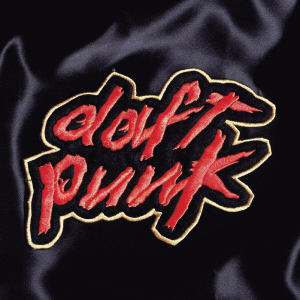
Homework, Daft Punk, 1997. Homework earns its place among the best albums released in 1997 because it captures a very specific late-1990s moment while still sounding alive on a turntable today. It was released by Virgin and Soma, and its core credits point to Thomas Bangalter and Guy-Manuel de Homem-Christo. The album is not here only because it is famous; it is here because the writing, sequencing, artwork, and physical presence make sense as a record collection choice. In 1997, vinyl was no longer the default format for many mainstream buyers, so LP copies from this period often tell a different story than the CD copies that filled stores and cars.
Commercially, the album reached No. 3 in France, No. 8 in the UK, and No. 150 on the Billboard 200, with certifications including Platinum in the UK, Gold in the United States, and Platinum in France. Those numbers matter for collectors because they show the gap between cultural footprint and original vinyl availability. A record could sell millions on CD while LP runs stayed relatively small, which is why 1997 originals can be more collectible than casual fans expect. The essential tracks are Da Funk, Around the World, Revolution 909, Burnin', and Rollin' & Scratchin', and they explain why the record still has everyday listening value instead of being a museum piece. This is music that rewards being pulled from the shelf, played in order, and logged as part of a real listening habit.
The production story is just as important. The album was recorded or shaped around Daft House in Paris, and that context helps explain why it behaves the way it does on vinyl. Homework is blunt in the best way: drum machines, filtered loops, rubbery bass, and hard-edged repetition. On vinyl, the groove-based construction feels natural, especially when a pressing preserves low-end punch without inner-groove congestion. The best 1997 LPs tend to sit in an interesting technical zone: many were made with digital tools, analog instruments, or hybrid workflows, then mastered for a market that was increasingly CD-first. When the vinyl cut is good, that tension becomes part of the appeal. You hear late-century studio ambition through a format that asks for patience and attention.
For buying decisions, the collector note is straightforward: Original 1997 double LPs remain central for dance collectors because the music was built for loud rooms, long grooves, and physical playback. The album also sits at the point where DJ utility and album canon overlap, which keeps demand strong. Pressing details also matter. For this title, UK and European 2LP Virgin copies are commonly tied to V2821 and 7243 8 44423 1 7. Treat catalog numbers, country of manufacture, sleeve condition, and matrix information as part of the research, especially when prices climb. If you are buying online, ask for photos of the actual copy and check whether the seller grades conservatively. If you are buying in a shop, inspect the disc under strong light and look for inner-sleeve scuffs, warps, and noisy-looking groove wear.
Most importantly, Homework matters because it is a home-studio dance record that helped move French house from club bins into global pop culture. That is what separates an essential album from a merely collectible one. A scarce pressing is fun, but a record earns shelf space when it still changes the room after the needle drops. For a What's Spinning user, this is exactly the kind of album worth tracking over time: not just owned, not just cataloged, but actually played. Sources: Wikipedia, Discogs.
-

Baduizm, Erykah Badu, 1997. Baduizm earns its place among the best albums released in 1997 because it captures a very specific late-1990s moment while still sounding alive on a turntable today. It was released by Kedar and Universal, and its core credits point to Erykah Badu with Madukwu Chinwah, Bob Power, the Roots, James Poyser, and others. The album is not here only because it is famous; it is here because the writing, sequencing, artwork, and physical presence make sense as a record collection choice. In 1997, vinyl was no longer the default format for many mainstream buyers, so LP copies from this period often tell a different story than the CD copies that filled stores and cars.
Commercially, the album reached No. 2 on the Billboard 200 and No. 1 on Top R&B/Hip-Hop Albums, with certifications including 3x Platinum in the United States and Platinum in the UK. Those numbers matter for collectors because they show the gap between cultural footprint and original vinyl availability. A record could sell millions on CD while LP runs stayed relatively small, which is why 1997 originals can be more collectible than casual fans expect. The essential tracks are On & On, Next Lifetime, Appletree, Other Side of the Game, and Certainly, and they explain why the record still has everyday listening value instead of being a museum piece. This is music that rewards being pulled from the shelf, played in order, and logged as part of a real listening habit.
The production story is just as important. The album was recorded or shaped around Sigma Sound and Ivory in Philadelphia, Battery in New York, and Dallas Sound Lab, and that context helps explain why it behaves the way it does on vinyl. The appeal on vinyl is space. The upright-feeling bass lines, brushed textures, Rhodes tones, and Badu's unhurried vocal phrasing breathe when surface noise is low and the cartridge tracks inner grooves cleanly. The best 1997 LPs tend to sit in an interesting technical zone: many were made with digital tools, analog instruments, or hybrid workflows, then mastered for a market that was increasingly CD-first. When the vinyl cut is good, that tension becomes part of the appeal. You hear late-century studio ambition through a format that asks for patience and attention.
For buying decisions, the collector note is straightforward: Original 1997 vinyl matters because the album became much bigger than its initial format moment. Clean Kedar and Universal copies are not casual dollar-bin finds, and later represses can be good listening choices if the first issue is outside budget. Pressing details also matter. For this title, original US vinyl is often associated with Kedar and Universal catalog U-53027. Treat catalog numbers, country of manufacture, sleeve condition, and matrix information as part of the research, especially when prices climb. If you are buying online, ask for photos of the actual copy and check whether the seller grades conservatively. If you are buying in a shop, inspect the disc under strong light and look for inner-sleeve scuffs, warps, and noisy-looking groove wear.
Most importantly, Baduizm matters because it is one of the defining neo-soul albums, connecting jazz phrasing, hip-hop rhythm, and intimate R&B songwriting. That is what separates an essential album from a merely collectible one. A scarce pressing is fun, but a record earns shelf space when it still changes the room after the needle drops. For a What's Spinning user, this is exactly the kind of album worth tracking over time: not just owned, not just cataloged, but actually played. Sources: Wikipedia, Discogs.
-

The Colour and the Shape, Foo Fighters, 1997. The Colour and the Shape earns its place among the best albums released in 1997 because it captures a very specific late-1990s moment while still sounding alive on a turntable today. It was released by Roswell and Capitol, and its core credits point to Gil Norton. The album is not here only because it is famous; it is here because the writing, sequencing, artwork, and physical presence make sense as a record collection choice. In 1997, vinyl was no longer the default format for many mainstream buyers, so LP copies from this period often tell a different story than the CD copies that filled stores and cars.
Commercially, the album reached No. 10 on the Billboard 200 and No. 3 on the UK Albums Chart, with certifications including Platinum in the United States, the UK, Canada, and Australia. Those numbers matter for collectors because they show the gap between cultural footprint and original vinyl availability. A record could sell millions on CD while LP runs stayed relatively small, which is why 1997 originals can be more collectible than casual fans expect. The essential tracks are Monkey Wrench, Everlong, My Hero, Walking After You, and Hey, Johnny Park!, and they explain why the record still has everyday listening value instead of being a museum piece. This is music that rewards being pulled from the shelf, played in order, and logged as part of a real listening habit.
The production story is just as important. The album was recorded or shaped around Grandmaster in Hollywood, Bear Creek in Washington, and WGNS in Washington, D.C., and that context helps explain why it behaves the way it does on vinyl. Gil Norton's production balances radio compression with enough guitar layering and drum impact to make vinyl playback satisfying. Everlong in particular shows why a good pressing matters, since the guitars need density without masking the vocal and cymbal detail. The best 1997 LPs tend to sit in an interesting technical zone: many were made with digital tools, analog instruments, or hybrid workflows, then mastered for a market that was increasingly CD-first. When the vinyl cut is good, that tension becomes part of the appeal. You hear late-century studio ambition through a format that asks for patience and attention.
For buying decisions, the collector note is straightforward: Collectors value original copies because the album is massive culturally but not especially common as a clean first-period LP. Modern reissues are useful, but early pressings with intact jackets and quiet sides are the conversation pieces. Pressing details also matter. For this title, original 1997 vinyl was issued as a 2LP set in a period when rock LP runs were comparatively modest. Treat catalog numbers, country of manufacture, sleeve condition, and matrix information as part of the research, especially when prices climb. If you are buying online, ask for photos of the actual copy and check whether the seller grades conservatively. If you are buying in a shop, inspect the disc under strong light and look for inner-sleeve scuffs, warps, and noisy-looking groove wear.
Most importantly, The Colour and the Shape matters because it is the moment Foo Fighters became a full-band institution rather than Dave Grohl's post-Nirvana project. That is what separates an essential album from a merely collectible one. A scarce pressing is fun, but a record earns shelf space when it still changes the room after the needle drops. For a What's Spinning user, this is exactly the kind of album worth tracking over time: not just owned, not just cataloged, but actually played. Sources: Wikipedia, Discogs.
-

Time Out of Mind, Bob Dylan, 1997. Time Out of Mind earns its place among the best albums released in 1997 because it captures a very specific late-1990s moment while still sounding alive on a turntable today. It was released by Columbia, and its core credits point to Daniel Lanois. The album is not here only because it is famous; it is here because the writing, sequencing, artwork, and physical presence make sense as a record collection choice. In 1997, vinyl was no longer the default format for many mainstream buyers, so LP copies from this period often tell a different story than the CD copies that filled stores and cars.
Commercially, the album reached No. 10 in both the United States and the UK, with certifications including Platinum in the United States and Gold in the UK, Canada, Australia, New Zealand, and Norway. Those numbers matter for collectors because they show the gap between cultural footprint and original vinyl availability. A record could sell millions on CD while LP runs stayed relatively small, which is why 1997 originals can be more collectible than casual fans expect. The essential tracks are Love Sick, Not Dark Yet, Tryin' to Get to Heaven, Cold Irons Bound, and Make You Feel My Love, and they explain why the record still has everyday listening value instead of being a museum piece. This is music that rewards being pulled from the shelf, played in order, and logged as part of a real listening habit.
The production story is just as important. The album was recorded or shaped around Criteria Studios in Miami with mixing tied to Teatro Studios, and that context helps explain why it behaves the way it does on vinyl. Lanois gives the record a foggy, nocturnal soundstage. On vinyl, the value is not hi-fi sparkle; it is mood, body, and the way the band seems to appear from behind Dylan's voice. The best 1997 LPs tend to sit in an interesting technical zone: many were made with digital tools, analog instruments, or hybrid workflows, then mastered for a market that was increasingly CD-first. When the vinyl cut is good, that tension becomes part of the appeal. You hear late-century studio ambition through a format that asks for patience and attention.
For buying decisions, the collector note is straightforward: Original Columbia double LPs have a strong collector pull because this album was a CD-era release by an artist whose audience cares deeply about format history. The retro label styling and printed inners add to the object value. Pressing details also matter. For this title, original US 2LP copies are commonly listed as C2 68556 or COL 68556. Treat catalog numbers, country of manufacture, sleeve condition, and matrix information as part of the research, especially when prices climb. If you are buying online, ask for photos of the actual copy and check whether the seller grades conservatively. If you are buying in a shop, inspect the disc under strong light and look for inner-sleeve scuffs, warps, and noisy-looking groove wear.
Most importantly, Time Out of Mind matters because it is Dylan's late-career rebirth, and a reminder that atmosphere can be as important as melody. That is what separates an essential album from a merely collectible one. A scarce pressing is fun, but a record earns shelf space when it still changes the room after the needle drops. For a What's Spinning user, this is exactly the kind of album worth tracking over time: not just owned, not just cataloged, but actually played. Sources: Wikipedia, Discogs.
-
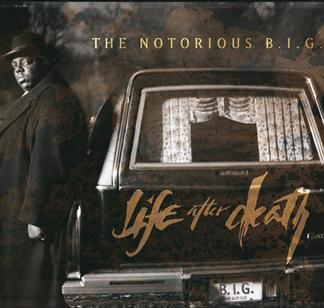
Life After Death, The Notorious B.I.G., 1997. Life After Death earns its place among the best albums released in 1997 because it captures a very specific late-1990s moment while still sounding alive on a turntable today. It was released by Bad Boy and Arista, and its core credits point to Sean Combs and Mark Pitts as executive producers, with the Hitmen, DJ Premier, RZA, Easy Mo Bee, Havoc, Buckwild, and others. The album is not here only because it is famous; it is here because the writing, sequencing, artwork, and physical presence make sense as a record collection choice. In 1997, vinyl was no longer the default format for many mainstream buyers, so LP copies from this period often tell a different story than the CD copies that filled stores and cars.
Commercially, the album reached No. 1 on the Billboard 200 and No. 1 on Top R&B/Hip-Hop Albums, with certifications including 11x Platinum in the United States and Platinum in the UK. Those numbers matter for collectors because they show the gap between cultural footprint and original vinyl availability. A record could sell millions on CD while LP runs stayed relatively small, which is why 1997 originals can be more collectible than casual fans expect. The essential tracks are Hypnotize, Mo Money Mo Problems, Sky's the Limit, Going Back to Cali, and Ten Crack Commandments, and they explain why the record still has everyday listening value instead of being a museum piece. This is music that rewards being pulled from the shelf, played in order, and logged as part of a real listening habit.
The production story is just as important. The album was recorded or shaped around Daddy's House in New York and Caribbean Sound Basin in Trinidad, and that context helps explain why it behaves the way it does on vinyl. The production moves from glossy radio funk to street-corner minimalism, so a good vinyl copy should deliver both low-end weight and vocal focus. Biggie's voice is the instrument to listen for; if sibilance is under control, the copy is doing its job. The best 1997 LPs tend to sit in an interesting technical zone: many were made with digital tools, analog instruments, or hybrid workflows, then mastered for a market that was increasingly CD-first. When the vinyl cut is good, that tension becomes part of the appeal. You hear late-century studio ambition through a format that asks for patience and attention.
For buying decisions, the collector note is straightforward: The 3LP format matters. It gives the album more physical scale than the CD and makes it feel like a major archival object. Original Bad Boy and Arista sets with clean jackets, all discs present, and low groove wear are collectible for both hip-hop and 1990s pop culture shelves. Pressing details also matter. For this title, original US limited-edition 3LP copies are commonly cataloged as 78612-73011-1. Treat catalog numbers, country of manufacture, sleeve condition, and matrix information as part of the research, especially when prices climb. If you are buying online, ask for photos of the actual copy and check whether the seller grades conservatively. If you are buying in a shop, inspect the disc under strong light and look for inner-sleeve scuffs, warps, and noisy-looking groove wear.
Most importantly, Life After Death matters because it is one of hip-hop's most ambitious double albums, released days after Biggie's death and immediately absorbed as myth. That is what separates an essential album from a merely collectible one. A scarce pressing is fun, but a record earns shelf space when it still changes the room after the needle drops. For a What's Spinning user, this is exactly the kind of album worth tracking over time: not just owned, not just cataloged, but actually played. Sources: Wikipedia, Discogs.
-

Wu-Tang Forever, Wu-Tang Clan, 1997. Wu-Tang Forever earns its place among the best albums released in 1997 because it captures a very specific late-1990s moment while still sounding alive on a turntable today. It was released by Wu-Tang, Loud, RCA, and BMG, and its core credits point to RZA with 4th Disciple, True Master, and Inspectah Deck. The album is not here only because it is famous; it is here because the writing, sequencing, artwork, and physical presence make sense as a record collection choice. In 1997, vinyl was no longer the default format for many mainstream buyers, so LP copies from this period often tell a different story than the CD copies that filled stores and cars.
Commercially, the album reached No. 1 in the United States, UK, Canada, and New Zealand, with certifications including 4x Platinum in the United States, 2x Platinum in Canada, and Gold in the UK. Those numbers matter for collectors because they show the gap between cultural footprint and original vinyl availability. A record could sell millions on CD while LP runs stayed relatively small, which is why 1997 originals can be more collectible than casual fans expect. The essential tracks are Triumph, Reunited, It's Yourz, For Heaven's Sake, and Hellz Wind Staff, and they explain why the record still has everyday listening value instead of being a museum piece. This is music that rewards being pulled from the shelf, played in order, and logged as part of a real listening habit.
The production story is just as important. The album was recorded or shaped around sessions credited around the Wu-Tang recording orbit, including 36 Chambers-related work, and that context helps explain why it behaves the way it does on vinyl. RZA's production is denser and stranger than most blockbuster rap records of its moment. Vinyl playback emphasizes the dust, loops, martial drums, and layered voices, but condition is critical because long hip-hop sides can reveal groove wear fast. The best 1997 LPs tend to sit in an interesting technical zone: many were made with digital tools, analog instruments, or hybrid workflows, then mastered for a market that was increasingly CD-first. When the vinyl cut is good, that tension becomes part of the appeal. You hear late-century studio ambition through a format that asks for patience and attention.
For buying decisions, the collector note is straightforward: The 4LP gatefold is the version collectors talk about because it makes the album's sprawl tactile. You are not just buying the songs, you are buying the whole late-1990s Wu-Tang universe as a large-format object. Pressing details also matter. For this title, original US 4LP gatefold copies are commonly listed as 07863-66905-1 or 66905-1. Treat catalog numbers, country of manufacture, sleeve condition, and matrix information as part of the research, especially when prices climb. If you are buying online, ask for photos of the actual copy and check whether the seller grades conservatively. If you are buying in a shop, inspect the disc under strong light and look for inner-sleeve scuffs, warps, and noisy-looking groove wear.
Most importantly, Wu-Tang Forever matters because it is a maximalist sequel that proved an underground aesthetic could dominate mainstream album charts without sanding off all its edges. That is what separates an essential album from a merely collectible one. A scarce pressing is fun, but a record earns shelf space when it still changes the room after the needle drops. For a What's Spinning user, this is exactly the kind of album worth tracking over time: not just owned, not just cataloged, but actually played. Sources: Wikipedia, Discogs.
-

Homogenic, Björk, 1997. Homogenic earns its place among the best albums released in 1997 because it captures a very specific late-1990s moment while still sounding alive on a turntable today. It was released by One Little Indian, Elektra, Mother, and Polydor, and its core credits point to Björk, Mark Bell, Guy Sigsworth, Howie B, and Markus Dravs. The album is not here only because it is famous; it is here because the writing, sequencing, artwork, and physical presence make sense as a record collection choice. In 1997, vinyl was no longer the default format for many mainstream buyers, so LP copies from this period often tell a different story than the CD copies that filled stores and cars.
Commercially, the album reached No. 4 in the UK and No. 28 on the Billboard 200, with certifications including Gold in the United States, Gold in the UK, and Platinum across Europe through IFPI. Those numbers matter for collectors because they show the gap between cultural footprint and original vinyl availability. A record could sell millions on CD while LP runs stayed relatively small, which is why 1997 originals can be more collectible than casual fans expect. The essential tracks are Hunter, Jóga, Bachelorette, Unravel, and All Is Full of Love, and they explain why the record still has everyday listening value instead of being a museum piece. This is music that rewards being pulled from the shelf, played in order, and logged as part of a real listening habit.
The production story is just as important. The album was recorded or shaped around Björk's home in London and El Cortijo in Spain, and that context helps explain why it behaves the way it does on vinyl. The album is a test for systems because the beats can hit hard while the strings and voice need space. On vinyl, a strong pressing gives Jóga emotional size without making the electronic percussion feel detached from the orchestra. The best 1997 LPs tend to sit in an interesting technical zone: many were made with digital tools, analog instruments, or hybrid workflows, then mastered for a market that was increasingly CD-first. When the vinyl cut is good, that tension becomes part of the appeal. You hear late-century studio ambition through a format that asks for patience and attention.
For buying decisions, the collector note is straightforward: Homogenic has an unusually strong visual identity, so sleeve condition matters nearly as much as audio condition. Original One Little Indian copies, poster variants, and later colored reissues all serve different collector instincts. Pressing details also matter. For this title, original UK LP copies are commonly associated with One Little Indian TPLP71. Treat catalog numbers, country of manufacture, sleeve condition, and matrix information as part of the research, especially when prices climb. If you are buying online, ask for photos of the actual copy and check whether the seller grades conservatively. If you are buying in a shop, inspect the disc under strong light and look for inner-sleeve scuffs, warps, and noisy-looking groove wear.
Most importantly, Homogenic matters because it is an art-pop landmark where volcanic strings, programmed beats, and intimate songwriting feel inseparable. That is what separates an essential album from a merely collectible one. A scarce pressing is fun, but a record earns shelf space when it still changes the room after the needle drops. For a What's Spinning user, this is exactly the kind of album worth tracking over time: not just owned, not just cataloged, but actually played. Sources: Wikipedia, Discogs.
-

Buena Vista Social Club, Buena Vista Social Club, 1997. Buena Vista Social Club earns its place among the best albums released in 1997 because it captures a very specific late-1990s moment while still sounding alive on a turntable today. It was released by World Circuit and Nonesuch, and its core credits point to Ry Cooder. The album is not here only because it is famous; it is here because the writing, sequencing, artwork, and physical presence make sense as a record collection choice. In 1997, vinyl was no longer the default format for many mainstream buyers, so LP copies from this period often tell a different story than the CD copies that filled stores and cars.
Commercially, the album reached No. 1 on Billboard's Top Latin, Tropical, and World Albums charts, plus No. 80 on the Billboard 200, with certifications including Platinum in the United States, Platinum in the UK, and multi-platinum in several European markets. Those numbers matter for collectors because they show the gap between cultural footprint and original vinyl availability. A record could sell millions on CD while LP runs stayed relatively small, which is why 1997 originals can be more collectible than casual fans expect. The essential tracks are Chan Chan, De Camino a la Vereda, El Cuarto de Tula, Dos Gardenias, and Candela, and they explain why the record still has everyday listening value instead of being a museum piece. This is music that rewards being pulled from the shelf, played in order, and logged as part of a real listening habit.
The production story is just as important. The album was recorded or shaped around EGREM Studios in Havana, and that context helps explain why it behaves the way it does on vinyl. The recording has air around voices, hand percussion, piano, trumpet, and guitar. A good LP copy can feel like a small club set, with the performers placed in a real acoustic space rather than flattened into a digital postcard. The best 1997 LPs tend to sit in an interesting technical zone: many were made with digital tools, analog instruments, or hybrid workflows, then mastered for a market that was increasingly CD-first. When the vinyl cut is good, that tension becomes part of the appeal. You hear late-century studio ambition through a format that asks for patience and attention.
For buying decisions, the collector note is straightforward: This is one of the most satisfying 1997 albums to own on vinyl because the format suits the room sound and ensemble feel. Collectors compare early World Circuit and Nonesuch-related issues with later audiophile editions, often choosing based on quiet vinyl and natural instrument tone. Pressing details also matter. For this title, notable early vinyl issues include World Circuit and Nonesuch 2LP editions, with some Japanese and Classic Records pressings prized by collectors. Treat catalog numbers, country of manufacture, sleeve condition, and matrix information as part of the research, especially when prices climb. If you are buying online, ask for photos of the actual copy and check whether the seller grades conservatively. If you are buying in a shop, inspect the disc under strong light and look for inner-sleeve scuffs, warps, and noisy-looking groove wear.
Most importantly, Buena Vista Social Club matters because it is a world-music phenomenon that introduced a huge global audience to classic Cuban son and bolero traditions. That is what separates an essential album from a merely collectible one. A scarce pressing is fun, but a record earns shelf space when it still changes the room after the needle drops. For a What's Spinning user, this is exactly the kind of album worth tracking over time: not just owned, not just cataloged, but actually played. Sources: Wikipedia, Discogs.
-

The Fat of the Land, The Prodigy, 1997. The Fat of the Land earns its place among the best albums released in 1997 because it captures a very specific late-1990s moment while still sounding alive on a turntable today. It was released by XL Recordings and Maverick, and its core credits point to Liam Howlett. The album is not here only because it is famous; it is here because the writing, sequencing, artwork, and physical presence make sense as a record collection choice. In 1997, vinyl was no longer the default format for many mainstream buyers, so LP copies from this period often tell a different story than the CD copies that filled stores and cars.
Commercially, the album reached No. 1 in the UK and No. 1 on the Billboard 200, with certifications including 5x Platinum in the UK and 2x Platinum in the United States. Those numbers matter for collectors because they show the gap between cultural footprint and original vinyl availability. A record could sell millions on CD while LP runs stayed relatively small, which is why 1997 originals can be more collectible than casual fans expect. The essential tracks are Smack My Bitch Up, Breathe, Diesel Power, Firestarter, and Narayan, and they explain why the record still has everyday listening value instead of being a museum piece. This is music that rewards being pulled from the shelf, played in order, and logged as part of a real listening habit.
The production story is just as important. The album was recorded or shaped around Strongroom in London and Earthbound in Braintree, and that context helps explain why it behaves the way it does on vinyl. It needs bass control, transient attack, and clean high frequencies. When the pressing is right, the drums punch without smearing and the distorted synth lines remain thrilling rather than simply loud. The best 1997 LPs tend to sit in an interesting technical zone: many were made with digital tools, analog instruments, or hybrid workflows, then mastered for a market that was increasingly CD-first. When the vinyl cut is good, that tension becomes part of the appeal. You hear late-century studio ambition through a format that asks for patience and attention.
For buying decisions, the collector note is straightforward: This is a natural vinyl record because so much of its DNA comes from clubs, breakbeats, and DJ culture. Original XL pressings appeal to collectors who want the album before nostalgia softened its edges. Pressing details also matter. For this title, UK double LP copies are commonly associated with XL catalog XLLP 121. Treat catalog numbers, country of manufacture, sleeve condition, and matrix information as part of the research, especially when prices climb. If you are buying online, ask for photos of the actual copy and check whether the seller grades conservatively. If you are buying in a shop, inspect the disc under strong light and look for inner-sleeve scuffs, warps, and noisy-looking groove wear.
Most importantly, The Fat of the Land matters because it is the big beat record that made electronic aggression feel like stadium rock. That is what separates an essential album from a merely collectible one. A scarce pressing is fun, but a record earns shelf space when it still changes the room after the needle drops. For a What's Spinning user, this is exactly the kind of album worth tracking over time: not just owned, not just cataloged, but actually played. Sources: Wikipedia, Discogs.
-

Ladies and Gentlemen We Are Floating in Space, Spiritualized, 1997. Ladies and Gentlemen We Are Floating in Space earns its place among the best albums released in 1997 because it captures a very specific late-1990s moment while still sounding alive on a turntable today. It was released by Dedicated, and its core credits point to Jason Pierce and John Coxon. The album is not here only because it is famous; it is here because the writing, sequencing, artwork, and physical presence make sense as a record collection choice. In 1997, vinyl was no longer the default format for many mainstream buyers, so LP copies from this period often tell a different story than the CD copies that filled stores and cars.
Commercially, the album reached No. 4 on the UK Albums Chart and No. 26 on Billboard Heatseekers, with certifications including not a major certification record, but a deep critical and collector favorite. Those numbers matter for collectors because they show the gap between cultural footprint and original vinyl availability. A record could sell millions on CD while LP runs stayed relatively small, which is why 1997 originals can be more collectible than casual fans expect. The essential tracks are Ladies and Gentlemen We Are Floating in Space, Come Together, I Think I'm in Love, Electricity, Broken Heart, and Cop Shoot Cop, and they explain why the record still has everyday listening value instead of being a museum piece. This is music that rewards being pulled from the shelf, played in order, and logged as part of a real listening habit.
The production story is just as important. The album was recorded or shaped around Moles in Bath, The Church, Rooster and Strongroom in London, plus sessions in Memphis, New York, and Los Angeles, and that context helps explain why it behaves the way it does on vinyl. It is a record of build and release. Vinyl can be beautiful here because the quiet sections, choirs, horns, feedback, and huge crescendos need flow rather than track-skipping attention. The best 1997 LPs tend to sit in an interesting technical zone: many were made with digital tools, analog instruments, or hybrid workflows, then mastered for a market that was increasingly CD-first. When the vinyl cut is good, that tension becomes part of the appeal. You hear late-century studio ambition through a format that asks for patience and attention.
For buying decisions, the collector note is straightforward: The album has always felt made for physical presentation, from its pharmaceutical packaging concept to its long-form sequencing. Original Dedicated-era vinyl can be expensive, while deluxe reissues are often the sane path for listeners who want to play it often. Pressing details also matter. For this title, original Dedicated vinyl is commonly associated with DEDLP 034. Treat catalog numbers, country of manufacture, sleeve condition, and matrix information as part of the research, especially when prices climb. If you are buying online, ask for photos of the actual copy and check whether the seller grades conservatively. If you are buying in a shop, inspect the disc under strong light and look for inner-sleeve scuffs, warps, and noisy-looking groove wear.
Most importantly, Ladies and Gentlemen We Are Floating in Space matters because it is a space-rock, gospel, drone, and orchestral rock landmark that treats heartbreak like a widescreen sound installation. That is what separates an essential album from a merely collectible one. A scarce pressing is fun, but a record earns shelf space when it still changes the room after the needle drops. For a What's Spinning user, this is exactly the kind of album worth tracking over time: not just owned, not just cataloged, but actually played. Sources: Wikipedia, Discogs.
-
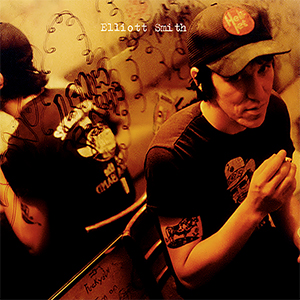
Either/Or, Elliott Smith, 1997. Either/Or earns its place among the best albums released in 1997 because it captures a very specific late-1990s moment while still sounding alive on a turntable today. It was released by Kill Rock Stars, and its core credits point to Elliott Smith, Tom Rothrock, and Rob Schnapf. The album is not here only because it is famous; it is here because the writing, sequencing, artwork, and physical presence make sense as a record collection choice. In 1997, vinyl was no longer the default format for many mainstream buyers, so LP copies from this period often tell a different story than the CD copies that filled stores and cars.
Commercially, the album reached not a major chart album on release, but later became one of the canonical independent singer-songwriter records of the decade, with certifications including Silver in the UK according to BPI certification reporting. Those numbers matter for collectors because they show the gap between cultural footprint and original vinyl availability. A record could sell millions on CD while LP runs stayed relatively small, which is why 1997 originals can be more collectible than casual fans expect. The essential tracks are Speed Trials, Alameda, Ballad of Big Nothing, Between the Bars, Angeles, and Say Yes, and they explain why the record still has everyday listening value instead of being a museum piece. This is music that rewards being pulled from the shelf, played in order, and logged as part of a real listening habit.
The production story is just as important. The album was recorded or shaped around recorded across various locations between 1995 and 1996, and that context helps explain why it behaves the way it does on vinyl. This is a detail record. Finger noise, close-miked vocals, thin drum textures, and double-tracked melodies all benefit from low surface noise. A clean copy feels like Smith is leaning in rather than being reproduced at a distance. The best 1997 LPs tend to sit in an interesting technical zone: many were made with digital tools, analog instruments, or hybrid workflows, then mastered for a market that was increasingly CD-first. When the vinyl cut is good, that tension becomes part of the appeal. You hear late-century studio ambition through a format that asks for patience and attention.
For buying decisions, the collector note is straightforward: Original Kill Rock Stars vinyl is attractive because Either/Or grew in stature after release, especially after Smith's songs reached broader audiences through Good Will Hunting. Later reissues are easier to recommend as daily players, but original KRS copies remain special artifacts. Pressing details also matter. For this title, original 1997 US LP copies are associated with Kill Rock Stars KRS 269. Treat catalog numbers, country of manufacture, sleeve condition, and matrix information as part of the research, especially when prices climb. If you are buying online, ask for photos of the actual copy and check whether the seller grades conservatively. If you are buying in a shop, inspect the disc under strong light and look for inner-sleeve scuffs, warps, and noisy-looking groove wear.
Most importantly, Either/Or matters because it is an intimate indie folk and rock album that made small rooms feel emotionally enormous. That is what separates an essential album from a merely collectible one. A scarce pressing is fun, but a record earns shelf space when it still changes the room after the needle drops. For a What's Spinning user, this is exactly the kind of album worth tracking over time: not just owned, not just cataloged, but actually played. Sources: Wikipedia, Discogs.
-

Dig Me Out, Sleater-Kinney, 1997. Dig Me Out earns its place among the best albums released in 1997 because it captures a very specific late-1990s moment while still sounding alive on a turntable today. It was released by Kill Rock Stars, and its core credits point to John Goodmanson. The album is not here only because it is famous; it is here because the writing, sequencing, artwork, and physical presence make sense as a record collection choice. In 1997, vinyl was no longer the default format for many mainstream buyers, so LP copies from this period often tell a different story than the CD copies that filled stores and cars.
Commercially, the album reached not a mainstream chart blockbuster, but one of the most acclaimed indie rock releases of 1997, with certifications including not certified by RIAA or BPI in the checked sources. Those numbers matter for collectors because they show the gap between cultural footprint and original vinyl availability. A record could sell millions on CD while LP runs stayed relatively small, which is why 1997 originals can be more collectible than casual fans expect. The essential tracks are Dig Me Out, One More Hour, Turn It On, Words and Guitar, Little Babies, and The Drama You've Been Craving, and they explain why the record still has everyday listening value instead of being a museum piece. This is music that rewards being pulled from the shelf, played in order, and logged as part of a real listening habit.
The production story is just as important. The album was recorded or shaped around John and Stu's in Seattle, recorded from December 1996 into January 1997, and that context helps explain why it behaves the way it does on vinyl. The album is lean, urgent, and treble-forward by design. On vinyl, the best copies keep the guitars biting without turning them papery, while Weiss's drums give the record its forward motion. The best 1997 LPs tend to sit in an interesting technical zone: many were made with digital tools, analog instruments, or hybrid workflows, then mastered for a market that was increasingly CD-first. When the vinyl cut is good, that tension becomes part of the appeal. You hear late-century studio ambition through a format that asks for patience and attention.
For buying decisions, the collector note is straightforward: Original KRS copies are essential for collectors who care about 1990s independent rock as a vinyl culture, not just a streaming category. Reissues are useful, but early copies carry label and scene context that matters. Pressing details also matter. For this title, original 1997 US vinyl is associated with Kill Rock Stars KRS 279. Treat catalog numbers, country of manufacture, sleeve condition, and matrix information as part of the research, especially when prices climb. If you are buying online, ask for photos of the actual copy and check whether the seller grades conservatively. If you are buying in a shop, inspect the disc under strong light and look for inner-sleeve scuffs, warps, and noisy-looking groove wear.
Most importantly, Dig Me Out matters because it is a defining riot grrrl and indie rock document, introducing Janet Weiss's drumming and sharpening the band's twin-guitar attack. That is what separates an essential album from a merely collectible one. A scarce pressing is fun, but a record earns shelf space when it still changes the room after the needle drops. For a What's Spinning user, this is exactly the kind of album worth tracking over time: not just owned, not just cataloged, but actually played. Sources: Wikipedia, Discogs.
-
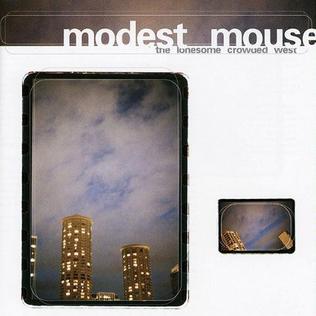
The Lonesome Crowded West, Modest Mouse, 1997. The Lonesome Crowded West earns its place among the best albums released in 1997 because it captures a very specific late-1990s moment while still sounding alive on a turntable today. It was released by Up Records, and its core credits point to Calvin Johnson, Isaac Brock, and Scott Swayze. The album is not here only because it is famous; it is here because the writing, sequencing, artwork, and physical presence make sense as a record collection choice. In 1997, vinyl was no longer the default format for many mainstream buyers, so LP copies from this period often tell a different story than the CD copies that filled stores and cars.
Commercially, the album reached not a major chart album on release, but later became a cornerstone of American indie rock, with certifications including not certified by RIAA or BPI in the checked sources. Those numbers matter for collectors because they show the gap between cultural footprint and original vinyl availability. A record could sell millions on CD while LP runs stayed relatively small, which is why 1997 originals can be more collectible than casual fans expect. The essential tracks are Teeth Like God's Shoeshine, Heart Cooks Brain, Doin' the Cockroach, Cowboy Dan, Trailer Trash, and Bankrupt on Selling, and they explain why the record still has everyday listening value instead of being a museum piece. This is music that rewards being pulled from the shelf, played in order, and logged as part of a real listening habit.
The production story is just as important. The album was recorded or shaped around Moon Studios in Olympia plus Avast and John and Stu's in Seattle, and that context helps explain why it behaves the way it does on vinyl. It is not glossy, and that is the point. Vinyl highlights the roominess, guitar scrape, shouting, and sudden quiet sections. A good copy turns the mess into a landscape rather than smoothing it into polite indie rock. The best 1997 LPs tend to sit in an interesting technical zone: many were made with digital tools, analog instruments, or hybrid workflows, then mastered for a market that was increasingly CD-first. When the vinyl cut is good, that tension becomes part of the appeal. You hear late-century studio ambition through a format that asks for patience and attention.
For buying decisions, the collector note is straightforward: Original Up Records double LPs are prized because the album's reputation kept growing long after its first run. Glacial Pace reissues are practical for listeners, but first-period copies represent the Northwest indie ecosystem that produced the record. Pressing details also matter. For this title, original 1997 US 2LP copies are associated with Up Records UP 044. Treat catalog numbers, country of manufacture, sleeve condition, and matrix information as part of the research, especially when prices climb. If you are buying online, ask for photos of the actual copy and check whether the seller grades conservatively. If you are buying in a shop, inspect the disc under strong light and look for inner-sleeve scuffs, warps, and noisy-looking groove wear.
Most importantly, The Lonesome Crowded West matters because it is a sprawling, anxious, funny, furious portrait of highways, malls, debt, and American expansion. That is what separates an essential album from a merely collectible one. A scarce pressing is fun, but a record earns shelf space when it still changes the room after the needle drops. For a What's Spinning user, this is exactly the kind of album worth tracking over time: not just owned, not just cataloged, but actually played. Sources: Wikipedia, Discogs.
What to buy first
If you want the safest first five, start with OK Computer, Homework, Baduizm, Urban Hymns, and Buena Vista Social Club. That stack gives you alternative rock ambition, club culture, neo-soul warmth, British guitar grandeur, and acoustic ensemble realism. It also gives your turntable a useful workout: deep bass, quiet passages, dense guitars, close vocals, and natural room sound.
If your budget is limited, do not chase original pressings automatically. A clean reissue you play every month is more valuable to your listening life than a noisy first press you are afraid to touch. Use originals for historical attachment and collection value, use reissues for daily listening, and let your own play history tell you what deserves an upgrade. That is where a tool like What's Spinning becomes useful: it turns your turntable sessions into evidence, so your collection reflects what you actually play.
FAQ
What is the single best 1997 album to buy first on vinyl?
Start with OK Computer if you want the broadest mix of historical importance, vinyl-friendly sequencing, and repeat listening value. If your shelf leans dance, choose Homework; if you collect soul and R&B, Baduizm is the better first move.
Are original 1997 pressings worth the price?
Sometimes, but not always. The late 1990s were a low-volume vinyl period for many mainstream albums, so originals can be scarce. Buy originals for collector value, but choose clean modern reissues when you mainly want a quiet copy to play often.
Why are 1997 albums interesting for record collectors?
1997 sits between the CD boom and the vinyl revival. That means many landmark albums exist on LP, but original runs were often smaller than their cultural impact suggests. Scarcity, strong artwork, and genre variety make the year especially fun to collect.
How should I track which 1997 albums I actually play?
Keep notes on pressing, condition, and listening frequency. What's Spinning can help because it listens to your turntable and turns plays into a collection history, so your shelf is organized around records you actually spin.
A spreadsheet tracks what you own. What's Spinning identifies what's playing.
On-device vinyl ID logs your listening history automatically. 7-day free trial.
Looking for Shazam for vinyl?
What's Spinning identifies what's playing on your turntable on-device, logs history, and AirPlays now-playing to your TV.
Comparing vinyl ID apps?
Analog requires Discogs and is iPhone-first (iPad coming). What's Spinning works without Discogs on iPhone and iPad with AirPlay.
Try What's Spinning Free
Turn your iPad into a live now-playing display. Track every record you spin.
START FREE TRIALThen $4.99/mo or $39.99/yr · Cancel anytime
Get it on your iPhone
Open on iPhone