Best Ambient Vinyl Albums: 15 Records for Headphone Listening, From Eno to Boards of Canada
The best ambient albums for vinyl are not always the loudest, rarest, or most expensive records in the bin. They are the records that make a room feel different. Ambient music rewards attention, but it also respects the listener enough to leave space, which is exactly why the format matters. On vinyl, the quiet between events becomes part of the performance.
That also makes ambient a demanding genre for collectors. A noisy pressing, off-center spindle hole, or careless long side can turn a slow fade into a distraction. The best copies are the ones with stable pitch, clean surfaces, sensible side breaks, and mastering that protects low-level detail. For collectors using What's Spinning, these albums are perfect candidates for a listening history because they reveal when you actually return to a record, not just when you admire it on the shelf.
This guide weighs musical influence, availability, pressing history, collector interest, and the specific way each album behaves on a turntable. Some are charting classics; others barely touched mainstream charts but became foundational listening records through reputation, reissues, and decades of late-night plays.
The best ambient albums for vinyl listening
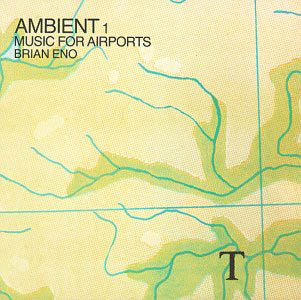
1. Ambient 1: Music for Airports, Brian Eno, 1978/1979
Brian Eno did not just create a masterpiece with his 1978 landmark release; he literally coined the term ambient music with this very record. Recorded in London and Cologne and produced by Eno himself, Ambient 1: Music for Airports stands as the definitive foundation of the genre. Eno designed this sonic tapestry to be as ignorable as it is interesting, creating a functional art piece meant to defuse the tense atmosphere of modern travel hubs. The recording process relied heavily on complex, unsynchronized tape loops of different lengths, which allowed the acoustic piano notes, synthesizer washes, and wordless vocalizations to drift in and out of phase. This organic, non-repeating structure makes the album a living, breathing entity, cementing its place as an absolute necessity for anyone who appreciates the intersection of avant-garde art and deep listening.
For vinyl enthusiasts, the production techniques behind this record present a unique set of challenges and rewards. Because the music is incredibly sparse and relies on vast expanses of near-silence, quiet vinyl surfaces are absolutely paramount to the listening experience. Any pop, click, or hiss can shatter the delicate spell cast by Eno's arrangements. Serious collectors should hunt for the original UK pressing released on the E.G. and Polydor labels under the catalog number AMB 001. If you can find a clean, well-preserved copy of this early pressing, the warmth of the analog tape transfer is unmatched. However, if an original is out of reach, look for high-quality modern reissues pressed on heavy, virgin vinyl, specifically those cut at half-speed, which preserve the delicate high-frequency decay of the piano and the subtle texture of the tape hiss.
While it was initially a niche release meant for art galleries and forward-thinking listeners, the album has achieved remarkable longevity. In terms of commercial success, later catalog entries and reissues eventually registered on the UK Official Charts, proving that its appeal only grew over the decades. The British Phonographic Industry officially certified the record as Silver on December 11, 2015, a rare and impressive feat for an experimental ambient release. When dropping the needle, the essential tracks to focus on are 1/1, which features the sublime, slow-rolling acoustic piano co-composed with Rhett Davies, and 2/1, which relies on hauntingly beautiful vocal loops that seem to suspend time itself. This record remains the ultimate test of a turntable's ability to convey space, depth, and silence, making it a crown jewel for any serious vinyl collection.
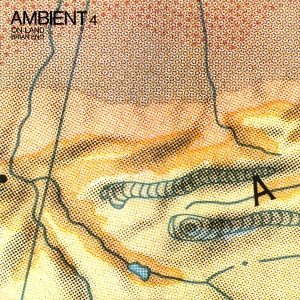
2. Ambient 4: On Land, Brian Eno, 1982
Taking the number two spot on our list, Brian Eno's 1982 masterpiece, Ambient 4: On Land, represents a pivotal moment in the evolution of ambient music. While his earlier ambient works focused on bright, generative synthesizer patterns, this final installment in his seminal ambient series plunges listeners into a murky, deeply evocative sonic geography. Recorded between 1978 and 1982 and produced entirely by Eno himself, the album shifted the genre away from pleasant background music and toward something far more mysterious and transportive. It is an essential ambient document because it pioneered the concept of dark ambient and environmental soundscapes, proving that music could evoke physical terrain and psychological depth. To fully appreciate this shifting topography, serious collectors should seek out the original UK pressing on the Editions EG label, catalog number EGED 20, which remains the definitive way to experience Eno's dark, pastoral vision.
From a technical standpoint, the production of this record is a masterclass in acoustic ecology. Eno blended traditional instrumentation with field recordings, feeding frogs, birds, and wind through complex tape delays and equalization matrices. These intricate, low-level textures and deep, subterranean bass frequencies demand a high-quality vinyl playback system. The quiet passages are incredibly delicate, meaning that a clean, well-pressed copy is absolutely vital to appreciate the subtle rustle of dry leaves and distant, echoing thuds that populate the soundstage. In terms of commercial reception, the album made a brief appearance on the UK Albums Chart, peaking at number 93 during its single-week run. Despite its massive critical legacy and enduring influence on modern electronic artists, no widely documented sales certification was ever awarded to this release, making its value purely artistic and historical rather than commercial.
For those spinning this record, the essential tracks to focus on are "Lantern Marsh" and "The Lost Day." These pieces showcase Eno's brilliant use of three-dimensional stereo imaging, where sounds seem to drift from far beyond the physical boundaries of your speakers. When hunting for a copy, collectors should prioritize finding an original pressing with minimal surface noise. Because of the sheer density of the quiet, environmental recordings, even minor scuffs can distract from the immersive experience. If you want to dive deeper into the history of this landmark release, you can read more about Ambient 4: On Land to understand how Eno's innovative studio techniques forever changed our relationship with sound and space. Spinning this record on a quiet night, with the lights dimmed, remains one of the most rewarding analog experiences any vinyl enthusiast can undertake

3. Discreet Music, Brian Eno, 1975
Coming in at number three on our list is Brian Eno's landmark 1975 release, Discreet Music. This album is not just a classic; it is the foundational blueprint for the entire ambient music genre. Recorded during a period of convalescence when Eno was forced to listen to a low-volume harp record amidst the sound of rain, the album realized his vision of music that could coexist with the environment rather than dominate it. Side A was recorded at Eno's home studio, while Side B was captured at Trident Studios. This release is absolutely essential to ambient music because it shifted the listener's relationship with sound, establishing a philosophy where music functions as atmosphere.
From a production standpoint, the techniques used here are fascinating but present unique challenges for the vinyl format. Side A consists of a single, self-generating thirty-minute piece created using a synthesizer, a graphic equalizer, and an ingenious dual-reel tape delay system. Side B features three beautiful variations on Johann Pachelbel's Canon in D Major, performed by the Cockpit Ensemble. Because Side A runs over thirty minutes, the grooves on the vinyl must be cut incredibly thin and close together. This production technique directly affects vinyl playback, resulting in a lower overall volume level and making the record highly susceptible to surface noise. To truly appreciate the delicate, quiet passages of this generative masterpiece, collectors must seek out an exceptionally clean copy of the vinyl.
For serious collectors, the ultimate prize is an original pressing on Eno's own Obscure Records label, bearing the catalog number OBS 3. As is typical for experimental releases of this era, the album did not make a dent on the mainstream music charts upon its initial release, and no widely documented certification status has ever been found or awarded. Despite the lack of commercial accolades, the original Obscure pressings are highly sought after for their historical significance and unique cover art variations.
If you are hunting for this record, our primary collector advice is to prioritize visual and play-grading over sleeve condition. Because of the quiet nature of both the title track and the Pachelbel variations, even minor dust or paper scuffs can ruin the immersive listening experience. Whether you find an original OBS 3 pressing or opt for a high-quality modern reissue, this album remains a mandatory addition to any serious turntable setup. For more detailed historical context on this ambient milestone, you can explore the Wikipedia page for Discreet Music.

4. The Pearl, Harold Budd and Brian Eno, 1984
Coming in at number four is a towering achievement in minimalist beauty, the 1984 collaborative masterpiece The Pearl by Harold Budd and Brian Eno. Recorded at the famous Grant Avenue Studio in Hamilton, Ontario, this album represents a peak in the ambient genre, serving as a spiritual successor to their earlier landmark collaboration. The album was produced by Brian Eno and Daniel Lanois, a brilliant creative partnership that brought an unparalleled depth and warmth to Budd's signature soft pedal piano style. It remains an essential ambient record because it perfectly balances acoustic instrumentation with pioneering electronic treatments, creating a delicate, drifting atmosphere that feels both intimate and vast. For vinyl enthusiasts, this record is a masterclass in spatial audio, offering a deeply immersive listening experience that rewards close, uninterrupted attention.
From a technical perspective, the production techniques utilized on this album place unique demands on your playback system. The sonic landscape is defined by Budd's feather light piano strokes, which are treated with long, shimmering reverb tails and subtle delay effects. On vinyl, the piano decay and pitch stability are absolutely critical to the listening experience. Any speed variations or wow and flutter from a poorly calibrated turntable will immediately distort the fragile, sustained notes, pulling you out of the hypnotic trance the music induces. The deep, black backgrounds of the mix require a high quality cartridge to resolve the micro details of the quietest passages. Lanois and Eno crafted a three dimensional soundstage where the instruments seem to float in mid air, making this a supreme test of your stereo system's ability to reproduce subtle, organic acoustic spaces.
When hunting for this gem, serious collectors should target the original 1984 pressing released on the Editions EG label under the catalog number EGED 37. While the album did not achieve significant mainstream chart performance upon its initial release and has no widely documented sales certification status, its reputation among audiophiles and ambient collectors has only grown over the decades. Essential tracks like "Late October", "Against the Sky", and "Their Memories" showcase the brilliant synergy between Budd's improvisational melodies and Eno's atmospheric treatments. Because of the incredibly quiet, sparse nature of these compositions, finding a copy with minimal surface noise is absolutely paramount. Seek out original UK or US pressings that have been meticulously cared for, as even minor sleeve scuffs can disrupt the quiet, meditative flow of this ambient landmark.

5. Ambient 3: Day of Radiance, Laraaji, 1980
Taking the fifth spot on our list is a shimmering masterpiece of acoustic mysticism: Laraaji's 1980 release, Ambient 3: Day of Radiance. Produced by the legendary Brian Eno, who famously discovered the multi-instrumentalist performing for tips in Washington Square Park, this album represents a fascinating detour in Eno's landmark Ambient series. While other entries in the series rely heavily on slow-moving synthesizer drones and tape loops, this record is built around the vibrant, acoustic resonance of Laraaji's open-tuned zither and hammered dulcimer. It remains an essential cornerstone of the ambient genre because it proved that ambient music could be bright, ecstatic, and deeply rhythmic rather than merely dark, passive, or melancholic.
For vinyl enthusiasts, the original pressing on the Editions EG label, bearing the catalog number EGAMB 003, is the ultimate prize. From a technical standpoint, Eno's production techniques heavily affect how this record translates to a turntable. He treated Laraaji's acoustic instruments with electronic effects like tape delay, equalization, and subtle flanging to create a vast, shimmering soundstage. However, the sharp, rapid transients of the hammered dulcimer and zither present a unique tracking challenge for phono cartridges. Unlike the soft, rounded attacks of typical ambient synthesizers, these percussive acoustic strikes require a highly capable stylus to reproduce without distortion. In terms of commercial reception, the album did not make any major mainstream billboard charts, and no widely documented sales certification was ever found, but its cultural capital among collectors remains incredibly high.
When hunting for a copy of EGAMB 003, collector advice is to inspect the vinyl surface with extreme care. Because of the bright, high-frequency nature of the zither and dulcimer, previous owners playing this record on poorly calibrated or heavy-tracking turntables may have introduced permanent groove wear. You must check for high frequency wear, which often manifests as a fuzzy, distorted sibilance during the busiest passages of the album. The essential tracks to test-play are "The Dance #1," which features a dizzying, hypnotic cascade of rapid-fire notes, and "Meditation #1," a much slower, deeply immersive piece where the notes decay into a beautiful, warm analog wash. Finding a clean, quiet copy of this pressing is a challenging but immensely rewarding pursuit that will truly show off the transient response and spatial imaging of your high-fidelity stereo system.

6. Selected Ambient Works 85-92, Aphex Twin, 1992
Taking the number six spot on our list is a release that fundamentally redefined the boundaries of electronic music. Released in 1992, Aphex Twin's landmark debut, Selected Ambient Works 85-92, is an absolute cornerstone for any serious vinyl collector. Produced entirely by Richard D. James, this double album showed the world that ambient music did not have to be purely beatless or academic; it could be warm, rhythmic, and deeply emotional. Upon its initial release, the record made a significant impact, peaking at number six on the UK Dance Albums Chart in December 1992. Over the years, its reputation has only grown, eventually securing a Gold certification from the British Phonographic Industry, a rare feat for an experimental electronic release. It remains an essential masterpiece because it bridged the gap between club culture and home listening, proving that techno could possess a delicate, introspective soul.
The magic of this album lies in its unorthodox recording context and unique production techniques. James recorded much of this early material in his bedroom using homemade synthesizers and modified gear, capturing the tracks onto standard cassette tapes. Some of these cassettes even suffered from minor damage, such as being chewed by tape decks, which added a distinct layer of tape hiss and micro-dropouts. This charming lo-fi haze is not a defect; it is an integral part of the sonic landscape. When pressed to vinyl, this analog warmth is amplified beautifully. The format highlights the mid-range frequencies and softens the digital harshness, making the sub-bass frequencies feel incredibly round and present. The crackle of the wax blends seamlessly with the original tape hiss, creating an immersive, intimate listening experience that digital files simply cannot replicate.
For collectors hunting down the definitive copy, the holy grail is the original 1992 pressing on Apollo, a sub-label of R&S Records, under the catalog number AMB 3922. This original double LP is highly sought after and commands premium prices on the secondary market. If a pristine original is out of reach, several high-quality reissues have kept the album in print, though you should look for editions that preserve the original track sequencing across four sides to avoid inner-groove distortion. When you drop the needle, essential tracks like Heliosphan, Xtal, and Ageispolis immediately showcase James's genius. The track Xtal, with its ethereal vocal samples and gliding synth pads, sounds especially breathtaking on vinyl, as the physical grooves breathe life into the delicate percussion. Whether you are a seasoned audiophile or a casual listener, this record demands a dedicated space on your turntable shelf.
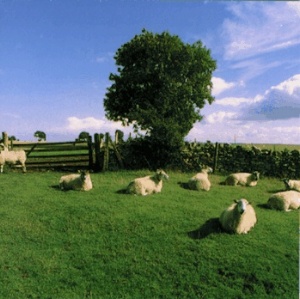
7. Chill Out, The KLF, 1990
Taking the number seven spot on our list is a legendary masterpiece of late-night soundscapes: The KLF's seminal 1990 release, Chill Out. Recorded in a single live take at their London studio, Trancentral, and produced by the enigmatic duo of Bill Drummond and Jimmy Cauty, this record essentially birthed the ambient house genre. It is an absolute cornerstone of ambient music, serving as a sonic roadmap for the chill-out rooms of the early nineties British rave scene. While the album did not achieve massive mainstream chart success upon its initial release and no widely documented certification was found, its reputation has grown to mythic proportions among electronic music aficionados. The album remains a vital, historical document of a time when dance music subverted its own high-energy tropes to create something deeply meditative yet profoundly trippy.
What makes this record an essential vinyl listening experience is its dense, continuous collage of sound. Drummond and Cauty wove together an impressionistic journey across the American Gulf Coast using a mix of original synthesizer pads, field recordings of passing trains, snippets of old radio broadcasts, and the evocative, haunting slide of a pedal steel guitar. When played on a high-quality turntable, the analog warmth of the vinyl format enhances the depth of these field recordings, making the listener feel as though they are actually sitting on a porch in the deep South as a locomotive rumbles past in the distance. Because the music is presented as a seamless, uninterrupted soundscape, the physical act of flipping the record from side A to side B becomes an active part of the journey, offering a brief moment of silence to digest the sonic travelogue before diving back into the dreamlike atmosphere.
For collectors, tracking down an authentic copy of this album is a holy grail quest. The original pressing was released on the band's own KLF Communications label under the catalog number JAMS LP5. Because the duo famously deleted their entire back catalog in 1992, original vinyl copies are scarce, highly sought after, and command premium prices on the secondary market. Collectors must be wary of numerous bootlegs that have circulated over the years. Although the album is designed to be experienced as a single, continuous trip, standout moments like the ethereal pedal steel melodies on "3 a.m. Somewhere out on the Beaumont Highway" and the haunting use of Tuvan throat singers represent the peak of the album's genius. To learn more about the fascinating history and sample clearances of this release, you can check out the Wikipedia article on Chill Out. This record is a mandatory addition for any serious vinyl enthusiast who appreciates the art of the ambient journey.

8. Substrata, Biosphere, 1997
At number eight on our countdown, we arrive at a towering monument of ambient music: Biosphere's 1997 masterpiece, Substrata. Produced entirely by Norwegian electronic musician Geir Jenssen, this album is widely regarded as one of the greatest ambient releases of all time. It redefined the ambient house and chillout genres of the nineties by stripping away rhythmic beats in favor of vast, frozen soundscapes. Despite its legendary status among audiophiles and electronic music historians, the album did not achieve mainstream commercial success upon its initial release. No widely documented sales certifications or major billboard chart positions exist for the record, yet its influence on the development of ambient music is immeasurable. It remains a foundational text for anyone interested in environmental, cinematic sound design. You can read more about its historical impact on the Substrata Wikipedia page which details how it cemented Jenssen's reputation as a pioneer of arctic ambient music.
Jenssen's production techniques on this record are particularly fascinating for vinyl enthusiasts. He crafted the album using a rich tapestry of cold field recordings, incorporating the sounds of rushing water, howling wind, and distant, icy drones. These environmental elements are layered with delicate synthesizer pads and subtle acoustic guitar samples to create an intensely atmospheric, almost physical sense of coldness. However, these highly dynamic production choices present unique challenges when translated to the wax format. The incredibly quiet passages, sparse arrangements, and near-silent transitions mean that any dust, scratches, or minor pressing defects will be instantly audible. The vinyl format naturally exposes surface noise during these delicate moments, making a pristine copy and a high-quality playback setup absolutely essential to fully appreciate the depth of the soundstage.
For collectors, navigating the physical releases of this album requires some patience. The original 1997 release by All Saints Records was actually a CD-only affair, carrying the catalog number ASCD33. Vinyl lovers had to wait years for a proper wax pressing, which finally arrived via subsequent reissues. When hunting for this record, collectors should look for the high-quality double vinyl reissues, which give the sprawling tracks plenty of room to breathe across four sides of wax, minimizing inner groove distortion. Essential tracks like "Poa Alpina" and "Novelty Waves" showcase the brilliant integration of natural field recordings and warm, analog synthesis. If you are lucky enough to secure a copy, make sure to give it a deep wet cleaning before spinning. This is a record that demands your full attention, a quiet room, and a pristine stylus to truly transport you to the frozen landscapes of the far north.

9. 76:14, Global Communication, 1994
Coming in at number 9 on our list is a towering monument of nineties electronic music: Global Communication's ambient masterpiece, 76:14. Released in 1994, this album represents the absolute pinnacle of atmospheric sound design, crafted by the legendary duo of Tom Middleton and Mark Pritchard. Recorded at their Evolution studio in Crewkerne, Somerset, the album is named after its exact running time, a conceptual choice that underscores the immersive, uninterrupted journey the music offers. It is an absolute essential for any ambient music collector because it bridges the gap between warm, analog techno textures and deep, space-age minimalism. Rather than relying on traditional melodic hooks, Middleton and Pritchard constructed vast, evolving soundscapes that feel both organic and futuristic, making it a definitive record of the decade's electronic golden age.
For vinyl enthusiasts, the original pressing on the Dedicated label, carrying the catalog number DEDLP 014, is a highly prized double LP. Spreading a seventy-six minute program across a 2xLP format was a crucial technical decision. If crammed onto a single record, the grooves would have been too shallow, severely compromising the audio quality. Instead, this double vinyl presentation allows the intricate production techniques to truly shine, particularly the deep, subsonic low end that Middleton and Pritchard engineered. These massive bass frequencies serve as a rigorous test for any turntable setup, demanding excellent tracking and isolation to prevent acoustic feedback. In terms of commercial reception, the album achieved critical acclaim rather than mainstream commercial dominance, and no widely documented sales certification was found, though its legacy among audiophiles has only grown over the decades.
When hunting for this record, collectors should seek out clean pressings that can handle the quiet, dynamic passages without excessive surface noise. Tracks like "14:31" and "09:47" are essential listening, showcasing the duo's ability to build tension and release through subtle shifts in frequency and tone. Because so much of the album relies on delicate high-end shimmer and deep, resonant bass, finding a copy with minimal wear is paramount for the ultimate listening experience. Whether you secure an original Dedicated pressing or one of the subsequent high-quality reissues, putting this record on your platter is an invitation to sit back, lower the tonearm, and get lost in one of the greatest sonic journeys ever pressed to wax.

10. The Tired Sounds of Stars of the Lid, Stars of the Lid, 2001
At number ten, we arrive at a towering monument of modern ambient music: Stars of the Lid's 2001 masterpiece, *The Tired Sounds of Stars of the Lid*. This double-CD and triple-LP release is widely considered an absolute pinnacle of the genre, essential for its ability to stretch time and paint vast, melancholic soundscapes. The album was born out of a unique bicoastal collaboration. Band members Adam Wiltzie and Brian McBride lived in different cities, mailing Digital Audio Tape (DAT) recordings back and forth to layer their ideas. By slowly building up compositions from field recordings, swelling drones, delicate strings, and muted horns, they created an incredibly warm, organic, and deeply immersive listening experience.
Originally released by the legendary independent label Kranky under catalog number krank050, this album was designed with vinyl in mind despite its massive length. While it did not make a dent on mainstream commercial charts and no widely documented certification was found, its critical reputation among audiophiles is unmatched. From a production standpoint, the mastering of these six sides of vinyl is a masterclass in dynamic range. Because the music relies on incredibly quiet, sustained drones and subtle acoustic textures, any surface noise can disrupt the spell. The lacquer cutting had to accommodate these deep, low-frequency vibrations without causing the needle to skip, meaning you get a remarkably quiet, warm, and spacious analog playback that digital formats simply cannot replicate.
For vinyl collectors, securing a copy of this ambient holy grail requires some strategy. Original 2001 pressings on Kranky are highly sought after and command premium prices on the secondary market. Fortunately, Kranky issued a much-needed repress in 2015 after the vinyl had gone out of print for years, making it accessible once again to listeners who refuse to pay exorbitant collector fees. When auditioning this triple-vinyl set, pay close attention to essential tracks like "Requiem for Dying Mothers, Part 1" and "The Austin Texas Mental Hospital, Part 3." You can read more about the album's background and track listing on the Wikipedia page for The Tired Sounds of Stars of the Lid. For the ultimate listening experience, ensure your turntable is perfectly leveled and your stylus is pristine, as the delicate, fading string arrangements demand a silent background to truly appreciate the genius of Wiltzie and McBride.

11. Phaedra, Tangerine Dream, 1974
Coming in at number 11 is a towering monument of electronic music, Tangerine Dream's 1974 masterpiece, Phaedra. Recorded at the legendary Manor studio in Oxfordshire and produced by the band's own Edgar Froese, this album is absolutely essential to the ambient genre. It practically birthed the Berlin School of electronic music, shifting the band away from their earlier space-rock improvisations into a structured, hypnotic realm of sequencer-driven dreamscapes. For ambient enthusiasts, Phaedra represents the moment where synthesizers stopped trying to mimic traditional instruments and instead began constructing entirely new, immersive worlds of sound. The dark, mysterious textures of this record create a deeply atmospheric listening experience that is perfectly suited for a late-night, lights-out vinyl session.
The sonic magic of Phaedra is deeply tied to its pioneering and temperamental production techniques, which make it a fascinating study for vinyl playback. The band utilized a massive Moog modular synthesizer, early step sequencers, and a Mellotron to build their complex, layered soundscapes. Because these early analog synthesizers were highly sensitive to temperature changes in the studio, the oscillators would drift out of tune, creating a natural, organic microtonal tension. This famous oscillator drift gives the music a living, breathing quality that translates spectacularly to the vinyl format. When you spin this record on a high-quality turntable, the analog warmth highlights the subtle fluctuations of the synthesizers, offering a three-dimensional depth and a rich midrange that digital transfers simply cannot replicate.
Upon its release, the album achieved surprising commercial success for such an avant-garde instrumental project. Released on the progressive Virgin Records label, Phaedra climbed all the way to number 15 on the UK Albums Chart, enjoying an impressive fifteen-week run, and it also reached number 13 on the Australian charts. Despite this remarkable chart performance and its enduring legacy as an electronic classic, no widely documented official sales certification was found for the release. This lack of a gold or platinum plaque does nothing to diminish its legendary status among crate diggers, who recognize it as one of the most influential records of the seventies.
For collectors seeking the ultimate listening experience, the original UK pressing on Virgin Records, sporting the catalog number Virgin V 2010, remains the holy grail. You should look for clean copies with the classic black and white double-image Virgin label to ensure you get the most dynamic master. The essential tracks to spin are the side-long title track, which occupies all of side one with its bubbling sequencers, and the hauntingly beautiful Mysterious Semblance at the Strand of Nightmares on side two, which showcases Edgar Froese's solo Mellotron work. To learn more about the fascinating history of this electronic landmark, you can read the detailed Phaedra Wikipedia page. Finding a quiet, well-preserved copy of this pressing is a must for any serious ambient vinyl collection.
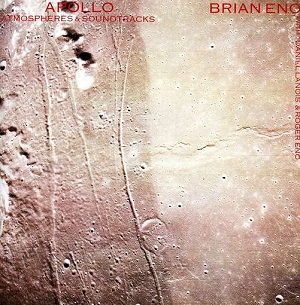
12. Apollo: Atmospheres and Soundtracks, Brian Eno, Daniel Lanois, Roger Eno, 1983
Number 12 on our list is a masterpiece that redefined the boundaries of cosmic soundscapes: Apollo: Atmospheres and Soundtracks by Brian Eno, Daniel Lanois, and Roger Eno. Released in 1983, this landmark album was originally commissioned for the documentary film For All Mankind, capturing the awe and isolation of the Apollo moon missions. It stands as an essential pillar of ambient music because of how it marries cold, infinite space with warm, terrestrial nostalgia. By blending traditional Americana elements with pioneering electronic synthesis, the trio created a sub-genre often described as ambient country. To experience this breathtaking contrast, you can read more about its history on the Apollo: Atmospheres and Soundtracks Wikipedia page, which details its creation and enduring legacy.
The magic of this record was captured at Grant Avenue Studio in Hamilton, Ontario, where it was produced by Brian Eno and Daniel Lanois. The production techniques employed here are crucial to how the album translates to vinyl. Lanois utilized his signature pedal steel guitar, treated with heavy delay and pitch-shifting effects, to create a weightless, floating sensation. This is layered over Roger Eno's delicate piano and Brian's DX7 synthesizer pads. On a high-quality turntable, the vinyl playback benefits immensely from these spacious arrangements. The wide dynamic range and deep low-frequency synth drones require a clean, quiet pressing to truly appreciate the black backgrounds and the delicate decay of the steel guitar strings, which can easily be masked by surface noise on lesser formats.
For serious collectors, tracking down the right pressing is part of the journey. The original UK release on EG Records carries the catalog number EGLP 53, while the US counterpart was released under EGS 103. While no widely documented sales certification was found for this release, its cultural impact far outweighs its commercial accolades. That said, it did achieve modest chart success, peaking at number 48 on the New Zealand charts, and its acclaimed 2019 remastered reissue also made a splash on various international charts. If you are hunting for an original EG pressing, look for copies with clean grooves, as the quiet passages in tracks like "An Ending (Ascent)" and "Deep Blue Day" demand pristine vinyl surfaces to avoid distracting clicks.
When spinning this record, the standout tracks demonstrate why vinyl remains the ultimate format for ambient music. "An Ending (Ascent)" is a secular hymn of unparalleled beauty, where the synthesizer swells seem to breathe through your speakers. Meanwhile, "Deep Blue Day" brings Lanois's pedal steel to the forefront, offering a warm, analog contrast to the colder electronic textures. Collectors should note that the 2019 double-LP reissue, which includes an entire second disc of new compositions, is an excellent alternative if original EG pressings are too scarce or noisy. Whichever version you choose, this album remains a mandatory addition to any serious ambient vinyl collection, offering a deeply therapeutic listening session every time the needle drops.

13. The Disintegration Loops, William Basinski, 2002-2003
At number 13 on our list is a monumental achievement in ambient music, William Basinski's legendary series, The Disintegration Loops, released between 2002 and 2003. This massive collection is not just essential to the ambient genre; it completely redefined the emotional potential of minimalist soundscapes. The recording context is famously poignant, captured at Basinski's home studio, Arcadia, in Brooklyn. While attempting to digitize his old magnetic tape loops from the early 1980s, Basinski realized the active playback was physically destroying the fragile oxide layer of the tapes. As the magnetic material flaked off the plastic backing, the music slowly dissolved into silence during the transfer. This process-based decay created a haunting, melancholic masterpiece that accidentally captured the literal sound of time eroding. It remains essential to ambient music because it mirrors human memory and mortality, transforming simple tape loops into a profound meditation on transience.
For vinyl collectors, tracking down this masterwork requires some serious dedication and budget. The project originally debuted on CD via Basinski's own 2062 label. However, the definitive vinyl release arrived in 2012 as a massive, highly coveted nine-LP box set issued by Temporary Residence under the catalog number TRR217. This deluxe box set, which includes all four volumes, remains a holy grail for ambient enthusiasts. In terms of commercial metrics, the album did not achieve mainstream chart success, nor did it earn any traditional gold or platinum certifications. Indeed, no widely documented certification was found for this release, which is entirely expected for an avant-garde, self-released project of this nature. Its value lies instead in its immense critical acclaim and its legendary status within the collector community, where original copies of the 2012 box set command premium prices on the secondary market.
The unique production techniques of The Disintegration Loops make it a fascinating, albeit challenging, experience on the turntable. Because the music relies on tape hiss, crumbling high frequencies, and the gradual loss of low-end warmth as the physical tape disintegrated, the mastering for vinyl required exceptional care. On a high-quality vinyl press, these subtle textural changes are magnified. The format's natural surface noise blends seamlessly with the organic tape hiss, creating an incredibly immersive, tactile listening experience. For essential tracks, one must start with "dlp 1.1," a majestic, repeating orchestral loop that slowly fractures over its mesmerizing duration. Collector advice for those who cannot secure the rare nine-LP box set is to look for the individual volume reissues that occasionally surface. When spinning these records, ensure your turntable is perfectly calibrated, as the quiet, repetitive passages will expose any tracking errors. To dive deeper into the history of this groundbreaking work, you can explore the detailed background on Wikipedia to understand how these fragile tapes became an enduring monument of modern art.

14. Ravedeath, 1972, Tim Hecker, 2011
At number 14, we arrive at Tim Hecker's masterpiece, *Ravedeath, 1972*, an album that stands as a monumental achievement in modern ambient and drone music. Released in 2011, this record completely redefined how physical space and digital decay can coexist. The core of the album was captured mainly on July 21, 2010, inside the historic Fríkirkjan Church in Reykjavik, Iceland. Here, Hecker performed on a pipe organ, later integrating guitar, piano, and heavy digital processing to create a hybrid studio and live record. It is essential to the ambient canon because it moves away from passive, soothing soundscapes, opting instead for a visceral, emotional, and sometimes confrontational exploration of sonic ruin. For those interested in the history of this masterpiece, the Wikipedia page for Ravedeath, 1972 offers great insight into its conceptual background and critical reception.
While ambient music rarely dominates mainstream charts, this release made a significant impact, peaking at number 11 on the Billboard Top Heatseekers chart and number 36 on the Independent Albums chart. As is common for independent experimental releases, no widely documented sales certification was ever found or awarded, but its cultural currency among audiophiles is immeasurable. The original pressing was handled by the revered Chicago-based label Kranky under catalog number KRANK154. This initial release was spread across a double LP to ensure the massive dynamic range of Hecker's compositions had plenty of physical groove space to breathe, a crucial decision for an album of this sonic magnitude.
From a technical perspective, the production techniques utilized here present a thrilling challenge for vinyl playback. The juxtaposition of the pipe organ's deep, resonant sub-bass with sharp, digital crackles and heavily processed guitar swells requires a cartridge with excellent tracking capabilities. On a high-quality turntable, the vinyl format tames some of the harsh digital high frequencies, warming up the church's natural acoustics and providing a deeper, more three-dimensional soundstage than digital files can offer. For collectors, the original Kranky double LP remains the gold standard, though subsequent represses maintain high quality. It is vital to find a clean copy, as the quiet, decaying passages between the sonic storms are easily disrupted by surface noise. When spinning this record, pay close attention to essential tracks like the crushing opener "The Piano Drop" and the multi-part suites "In the Air" and "Hatred of Music," which showcase the absolute peak of Hecker's brilliant manipulation of acoustic space.

15. Green, Hiroshi Yoshimura, 1986
Coming in at number 15 is a holy grail of Japanese environmental music, Hiroshi Yoshimura's masterpiece, Green. Released in 1986, this album is an essential cornerstone of ambient music, perfectly embodying the concept of "Kankyo Ongaku" or music designed to coexist with everyday life rather than dominate it. Recorded between 1985 and 1986 at Yoshimura's home studio and entirely produced by the artist himself, the album utilizes FM synthesis, specifically the Yamaha DX7, to create warm, organic textures that mimic the natural world. While the album did not achieve mainstream chart performance upon its initial release and has no widely documented sales certifications, its legendary status has grown exponentially among collectors and ambient aficionados worldwide. It remains an absolute masterclass in minimalist composition, offering a serene sonic sanctuary that feels incredibly intimate yet vast.
For vinyl enthusiasts, understanding the pressing history of this release is crucial. The original Japanese pressing was released on the Sona Gaia label with the catalog number SGM-002. If you are hunting for an original, you must be aware of a major difference in the mixes. Yoshimura's original LP mix consists purely of his electronic synthesizer compositions. When the album was later released on CD in the United States, nature sound effects like birds chirping and rainfall were added to the tracks. While some enjoy those organic additions, purists prefer the pristine, unaltered synth landscapes of the original vinyl mix. Fortunately, the excellent 2020 reissue by Light in the Attic, catalog number LITA 184, restores this original, untouched vinyl mix. The production techniques employed by Yoshimura, featuring delicate digital delay and spacious stereo panning, require a quiet vinyl pressing to truly shine. On a high-quality turntable setup, the clean FM synthesis creates a three-dimensional soundstage where notes hang delicately in the air, making the vinyl format the ultimate way to experience this record.
When building your ambient collection, Green is an absolute must-have. If you want to dive deeper into the history of this groundbreaking release, you can read more about it on the Wikipedia page for Green. As for collector advice, while an original 1986 Sona Gaia pressing is a prized trophy that can easily command hundreds of dollars, the Light in the Attic reissue is highly recommended for daily listening due to its superb mastering and affordable price point. Essential tracks to spin first include the opening track, "Feel", which sets a gentle, undulating tone, and the mesmerizing "Sheep", which showcases Yoshimura's incredible ability to evoke pastoral landscapes through digital synthesis. Another standout is "Teepee", a track that perfectly demonstrates how the warmth of vinyl analog playback can soften the digital edges of 1980s synthesizers. This album is not just music; it is an environmental design piece that transforms your entire listening room, making it one of the most rewarding vinyl listening experiences in the ambient genre.
What to buy first
If you are building an ambient shelf from scratch, start with Ambient 1: Music for Airports, Selected Ambient Works 85-92, Apollo: Atmospheres and Soundtracks, Green, and Substrata. That first stack gives you tape-loop minimalism, early electronic warmth, cinematic spaciousness, Japanese environmental calm, and cold field-recording depth. After that, add Phaedra if you want the Berlin School root system, 76:14 for long-form 90s flow, and The Tired Sounds of Stars of the Lid when you are ready for a room-length drone record.
For buying, inspect vinyl condition before sleeve condition. Ambient records make surface noise painfully obvious, so a near mint reissue will often give you more pleasure than a visually exciting but crackly first press. If a record has long sides, confirm the pressing reputation before overpaying. If a record was originally CD-only, as with Substrata or The Disintegration Loops, treat vinyl editions as collector interpretations rather than original format documents.
FAQ
What makes an ambient album good for vinyl listening?
A strong ambient vinyl record has quiet surfaces, sensible side lengths, stable pitch, and enough dynamic space for texture to breathe. The format works especially well when the mastering protects low-level detail instead of chasing loudness.
Should I buy original ambient pressings or reissues?
Buy originals when historical value, artwork, and collector appeal matter, but choose a clean modern reissue when the original is scarce or noisy. For ambient music, condition usually beats bragging rights.
Why do quiet ambient records reveal turntable problems?
Long fades, drones, and sparse piano or synth passages expose surface noise, off-center pressings, mistracking, rumble, and warps. Loud rock can hide those flaws; ambient puts them under a microscope.
Which ambient album should I buy first?
Start with Brian Eno's Ambient 1: Music for Airports for the genre blueprint, Aphex Twin's Selected Ambient Works 85-92 for electronic warmth, or Hiroshi Yoshimura's Green if you want a serene Japanese environmental music entry point.
A spreadsheet tracks what you own. What's Spinning identifies what's playing.
On-device vinyl ID logs your listening history automatically. 7-day free trial.
Looking for Shazam for vinyl?
What's Spinning identifies what's playing on your turntable on-device, logs history, and AirPlays now-playing to your TV.
Comparing vinyl ID apps?
Analog requires Discogs and is iPhone-first (iPad coming). What's Spinning works without Discogs on iPhone and iPad with AirPlay.
Try What's Spinning Free
Turn your iPad into a live now-playing display. Track every record you spin.
START FREE TRIALThen $4.99/mo or $39.99/yr · Cancel anytime
Get it on your iPhone
Open on iPhone