Best Debut Albums of the 2010s on Vinyl: 18 First Statements Worth Owning

The 2010s were a strange golden age for debut albums. Streaming made discovery faster, blogs and social feeds could turn a new artist into a consensus overnight, and vinyl was climbing from niche enthusiasm back into the mainstream. For collectors, that combination produced a sweet spot: albums that defined digital-era taste, but still arrived as physical objects with sleeve art, side breaks, colored variants, deluxe editions, and pressing quirks worth caring about.
The market context matters. The RIAA's 2023 year-end report counted 43.2 million LP and EP shipments in the United States, worth about $1.35 billion, while Billboard's coverage of Luminate's 2024 report said U.S. vinyl album sales rose another 4.3 percent in 2024. That demand keeps many 2010s debuts in print, but it also means variants, first pressings, and unofficial copies can blur together in the bins.
This list is built for people who collect and play records, not just people ranking albums from memory. I favored debuts that make sense as LPs: strong sequencing, distinctive production, memorable cover art, or a collecting story that changes how you shop. If you track your collection in What's Spinning, this is exactly the kind of list that separates records you merely respect from records that actually earn repeat spins.
Research sources include the linked album pages below, the RIAA, Billboard/Luminate reporting, Grammy and chart references where relevant, and cover images sourced from Wikipedia or Wikimedia-hosted album artwork.
The best debut albums of the 2010s on vinyl
-
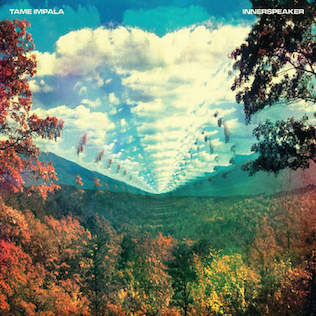
Innerspeaker, Tame Impala, 2010
Kevin Parker's first Tame Impala album sounds like a private laboratory that somehow opened onto a festival field. Innerspeaker was recorded and produced by Parker at a remote beach shack in Western Australia, a detail that matters because the record feels self-contained without feeling small. The drums are roomy, the guitars smear into heat haze, and the stereo image has the handmade confidence of someone chasing a sound instead of a market category. On vinyl, the album benefits from being played as a continuous psychedelic guitar record rather than as a few playlist peaks. The cover's optical landscape also does what great debut sleeves should do: it tells you the world is bending before the first side starts. Early Modular copies have collector appeal, but a quiet modern pressing is perfectly defensible if your priority is hearing the fuzz, phasing, and bass movement without surface distraction.
-

James Blake, James Blake, 2011
Silence is the expensive instrument on James Blake. Released in 2011 after a run of boundary-pushing EPs, Blake's debut brought post-dubstep negative space, gospel-soul phrasing, and damaged electronic production into the same room. The famous cover of Feist's "Limit to Your Love" is useful as a system test because the sub-bass arrives like weather, not decoration. A setup with loose low-end control will make the record feel bloated; a good one lets the vocal fragility and the bass pressure coexist. Collectors should also remember how radical this sounded beside the maximal pop and EDM vocabulary of the early 2010s. It is not a showy vinyl object, but it is a revealing one. The quiet gaps, clipped piano, and processed voice make groove noise more obvious, so condition matters more than the jacket might suggest.
-

Section.80, Kendrick Lamar, 2011
Before Kendrick Lamar became the obvious center of 2010s rap discourse, Section.80 introduced the scale of his ambition. The album was released by Top Dawg Entertainment in 2011 and follows his mixtape years under the K.Dot name, but the record already thinks in scenes, recurring characters, generational trauma, jokes, sermons, and uneasy internal monologues. On vinyl, the interest is partly narrative: the album plays less like a singles vehicle than a young writer testing how much structure hip-hop can carry. Compared with good kid, m.A.A.d city, it is rougher and less cinematic, which is exactly why collectors still value it. The production can feel lean, sometimes even brittle, but the vocal detail is the draw. Listen for breath, urgency, and the way Kendrick switches perspective mid-verse. A clean copy gives the words enough air to land.
-

Born to Die, Lana Del Rey, 2012
The argument around Lana Del Rey in 2012 was almost as loud as the record, which is one reason Born to Die remains such a useful vinyl-era debut to revisit. Wikipedia notes it as her major label debut, released through Interscope and Polydor, and that qualifier is important because the album's public arrival was tangled up with questions of persona, authenticity, video aesthetics, and internet backlash. The vinyl appeal is not audiophile purity. It is atmosphere: strings, programmed drums, reverbed vocal drama, American iconography, and a cover image so direct it became a 2010s pop artifact. Original and later editions can differ in packaging and bonus material, so buyers should check track lists before paying collector prices. What has aged best is the commitment. The melodrama is not an accessory; it is the architecture, and the LP format lets that architecture feel less like a meme and more like a world.
-

An Awesome Wave, Alt-J, 2012
Few indie debuts of the decade arrived with a stranger grammar than An Awesome Wave. Alt-J's first album won the 2012 Mercury Prize and later the Ivor Novello Album of the Year, but awards alone do not explain why it works on vinyl. The record is full of clipped syllables, hand percussion, odd guitar figures, literary references, and arrangements that feel like they were assembled from small, precise hinges. Side breaks help because too much Alt-J at once can turn into texture soup; the LP divides the album into more digestible chambers. The artwork, drawn from a radar image of the Ganges Delta, also rewards the larger format by making the music's geographic and abstract impulses visible. If you only know "Breezeblocks" from streaming, the album cut of the whole sequence is more revealing. It is mannered, yes, but confidently so.
-

Boys & Girls, Alabama Shakes, 2012
A band can sound fully formed without sounding polished to death. Boys & Girls, released by ATO in 2012, put Alabama Shakes on the map with a garage-soul immediacy that still feels refreshingly unfussy. The Wikipedia page notes that it reached number 6 on the Billboard 200 and number 3 on the UK Albums Chart, a reminder that rootsy guitar music still had room to break wide when the singer was Brittany Howard. Vinyl suits the debut because the record's energy comes from performance friction: the amp growl, the room around the drums, and Howard's voice pushing past polite restraint. The tenth anniversary deluxe edition added a live KCRW performance, which is worth knowing if you want context beyond the original album. For a first copy, though, chase a pressing that keeps the midrange alive. This is not about shiny treble. It is about a band leaning forward.
-

Channel Orange, Frank Ocean, 2012
Here is the frustrating collector truth: one of the decade's defining debuts is also one of its messiest vinyl propositions. Channel Orange is Frank Ocean's debut studio album, released by Def Jam in 2012 after Nostalgia, Ultra, and its Wikipedia summary credits Malay as a central collaborator while noting additional contributors including Om'Mas Keith and Pharrell Williams. Musically, it is a luxury apartment with the walls missing: soul, synth detail, narrative fragments, humor, loneliness, and sudden widescreen emotion. The collector warning matters because official vinyl availability has not matched the album's stature in the same clean way as many records on this list. If you see copies in the wild, verify provenance carefully and do not treat every orange-colored slab as a legitimate grail. Even with that caveat, it belongs in this conversation because vinyl collectors often collect stories as much as objects. Few 2010s debuts have a bigger story than the album everyone wants on the shelf and cannot easily own properly.
-

Pure Heroine, Lorde, 2013
The most striking thing about Pure Heroine is how much it refuses. Lorde and producer Joel Little built a debut around minimal electronics, programmed beats, deep bass, and empty space, a sound that made suburban boredom feel cinematic without inflating it into superhero scale. The album arrived in 2013 through Universal, Lava, and Republic, and it made a teenager's skepticism feel like a whole aesthetic language. On vinyl, its restraint becomes physical. The big moments do not depend on band density; they depend on negative space, vocal stacking, and bass that needs a careful system to stay firm. The stark cover is part of the same move, presenting the title almost like a warning label rather than a glamor shot. Collectors should be less concerned with spectacle and more concerned with noise floor. When the pressing is quiet, the album's minimalism feels intentional. When it is noisy, the spell gets dragged back to earth.
-

Settle, Disclosure, 2013
Dance records sometimes lose their body when treated as albums, but Settle is built with enough sequencing intelligence to survive the format switch. Disclosure's debut came out in 2013 on PMR and Island, debuted at number one on the UK Albums Chart, and sold 44,633 copies in its first week according to the album's Wikipedia summary. The guest list, Sam Smith, AlunaGeorge, Jessie Ware, London Grammar, and others, could have turned into a compilation feeling. Instead, the Lawrence brothers use crisp UK garage and house architecture as the constant thread. Vinyl gives the percussion a useful tactility, especially if the pressing can keep kick drums punchy without flattening the vocal features. This is also a good reminder that 2010s vinyl collecting is not only about guitar bands and singer-songwriters. Club music has its own LP logic when the sides are paced properly. Settle earns shelf space because it makes pop accessibility and DJ functionality shake hands.
-

The Bones of What You Believe, Chvrches, 2013
Chvrches made their debut in a Glasgow room, not a corporate synth-pop factory, and that origin still gives The Bones of What You Believe its charge. The band wrote, composed, and produced the album collaboratively between 2011 and 2013, then released it through Virgin and Goodbye Records. What separates it from a lot of bright electronic pop is the tension between the glossy surfaces and Lauren Mayberry's precise, emotionally guarded vocal lines. On vinyl, that contrast can be delicious if the top end is not too sharp. The synths need shine, but the melodies need weight. The special edition's expanded track list is worth noting for completists, yet the standard album has the better debut shape because it lands punch after punch without overstaying. The sleeve's stark blue face also became instantly recognizable in a decade crowded with digital thumbnails. At LP size, it looks less like branding and more like a mask.
-

Days Are Gone, Haim, 2013
Haim's debut is easy to underestimate because its surfaces are so friendly. Days Are Gone, released by Polydor in 2013, produced six singles, including "Forever," "Don't Save Me," "Falling," and "The Wire." That single density could make the album feel like a pop-rock sampler, but the LP has a stronger personality than that. It translates classic studio polish, clipped guitar rhythm, sisterly vocal blend, and R&B-informed drums into something unmistakably early-2010s. Vinyl buyers should listen for how the percussion is handled. The songs can sound almost too neat on poor playback, while a good pressing reveals the tiny rhythmic decisions that keep the record moving. The cover, three figures in direct sun with no fuss, matches the music's appeal: casual confidence hiding a lot of craft. It is a debut for collectors who like hooks but still care about arrangement.
-

Same Trailer Different Park, Kacey Musgraves, 2013
Country albums do not always enter indie-leaning vinyl conversations, which is exactly why Same Trailer Different Park deserves a place here. Kacey Musgraves released her Mercury Nashville debut in 2013, co-producing with Luke Laird and Shane McAnally, and the album won Album of the Year at the 2014 CMA Awards and Best Country Album at the Grammys. The vinyl case is not about outlaw costume or retro fetish. It is about songwriting scale. Musgraves uses small-town details, family tension, gossip, boredom, and private disappointment with a novelist's economy. On LP, the midtempo shape works better than it might in shuffle mode because the songs gather into a worldview. The cover can look almost too sweet, but the lyrics keep slipping knives under the ribbon. For collectors who mostly buy rock, soul, or alternative debuts, this is a smart bridge record: accessible, sharp, and built to reward actual listening.
-

Silence Yourself, Savages, 2013
The first Savages album does not try to charm you, which is a large part of its value. Silence Yourself arrived in 2013 on Matador and Pop Noire, the label owned by vocalist Jehnny Beth, and it was nominated for the Mercury Prize. The record's vinyl appeal is almost architectural: sharp bass lines, hard drum edges, guitar abrasion, and vocals that turn command into atmosphere. It is post-punk in spirit, but not a museum exercise. The production leaves enough air around the instruments for tension to build instead of simply bludgeoning the listener. Side one is especially effective because the band understands momentum, not just intensity. The cover's black-and-white severity is not subtle, and subtlety is not the assignment. If your collection needs a 2010s debut that sounds like a room being stripped of decoration, this is the one. Clean playback matters because the violence is controlled, not messy.
-

LP1, FKA twigs, 2014
Every decade gets a few debuts that make nearby records sound over-explained. LP1 is one of those. Released by Young Turks in 2014, it credits FKA twigs alongside producers and collaborators including Arca, Emile Haynie, Devonté Hynes, Clams Casino, Paul Epworth, Sampha, and Tic. That list hints at the record's hybrid language, but the album never feels committee-built. The voice is intimate, the electronics are tactile, and the songs often move like choreography rather than verse-chorus furniture. Vinyl highlights the body in the production: clicks, breaths, pressure, and bass pulses that feel close enough to touch. The Jesse Kanda cover art is also central to the object, presenting beauty as something stretched, glossy, and slightly alien. This is not background R&B. It is a debut where sound design, image, and performance all seem to be inventing the same body.
-
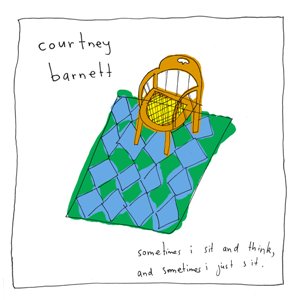
Sometimes I Sit and Think, and Sometimes I Just Sit, Courtney Barnett, 2015
Courtney Barnett's debut turns observation into propulsion. Sometimes I Sit and Think, and Sometimes I Just Sit came out in 2015 and was widely ranked among that year's best records, but its lasting vinyl appeal is how conversational it feels without becoming casual. Barnett writes like someone noticing too much at once: panic attacks in pools, real estate signage, deadpan jokes, class anxiety, stray objects, and sudden emotional drop-offs. The band plays with enough grit to keep the words from floating away. On LP, the guitar tone and vocal phrasing sit in a satisfying middle zone between garage rock and diaristic folk, and the side breaks prevent the verbal density from becoming a blur. The cover art's plain chair is almost comically underdramatic, which suits the record's trick. Ordinary rooms keep opening into bigger thoughts. That is a debut move worth owning.
-
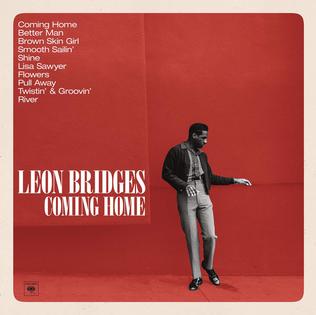
Coming Home, Leon Bridges, 2015
Retro soul is easy to fake badly, but Coming Home succeeds because its modesty feels intentional. Leon Bridges released the album through Columbia in 2015, with production by Niles City Sound, and it reached number 6 on the Billboard 200 while earning a Grammy nomination for Best R&B Album. The vinyl angle is obvious but still real: this music wants the rituals of a turntable, a jacket, and a room where the drums can breathe. The arrangements nod to Sam Cooke-era soul, but the best moments avoid cosplay by letting Bridges' voice carry small hesitations. Collectors should not expect modern low-end fireworks. The charm is in the dry guitar, handclaps, close vocal placement, and a kind of sepia restraint that can become too polite on dull systems. A lively pressing keeps it from turning into wallpaper. At its best, it feels like a first handshake from an artist who knew exactly which room he wanted to enter.
-

Stranger in the Alps, Phoebe Bridgers, 2017
Phoebe Bridgers' first album is a quiet record with a long shadow. Stranger in the Alps was released by Dead Oceans in 2017, before Bridgers became a central figure in a larger indie-songwriter ecosystem. The collector appeal has grown with her audience, but the album itself is still intimate enough to feel almost resistant to hype. Vinyl helps because the pacing encourages you to sit with room tone, acoustic guitar decay, small production ghosts, and vocal lines that barely raise their voice before doing damage. The cover, a figure in a skeleton suit against muted landscape, captures the record's sense of death-haunted plain speech. Buyers should expect multiple variants and reissues, so the question is less "which one is rare?" and more "which copy will I actually play?" This is a record where quiet surfaces matter. Crackle can be charming on some folk-adjacent albums; here it can interrupt the confession.
-

When We All Fall Asleep, Where Do We Go?, Billie Eilish, 2019
The bedroom-studio fact is not trivia; it is the key to the album's power. When We All Fall Asleep, Where Do We Go? was largely written by Billie Eilish with her brother Finneas, who produced it at his small bedroom studio in Highland Park, Los Angeles. Released in 2019 when Eilish was 17, the album won the major Grammy categories and made whisper-level intimacy feel arena-sized. On vinyl, it is an odd and fascinating object because the music is deeply digital in construction but physical in effect. Bass drops, mouth sounds, jump-scare edits, and close vocals become more theatrical when you commit to full sides. The cover image, Eilish on a bed with blank horror-movie eyes, is already iconic in streaming thumbnail form, but LP size restores some of its unnerving silliness. Color variants are plentiful, so sound and condition should outrank novelty if you are buying to play.
-

Black Pumas, Black Pumas, 2019
Some debuts feel like introductions; Black Pumas feels like a band walking onstage after the room has already been warmed up. The Austin group's 2019 album on ATO later received a deluxe edition that was nominated for Album of the Year at the 63rd Grammy Awards, while "Colors" earned nominations for Record of the Year and Best American Roots Performance. That awards story can make the album sound safer than it is. The vinyl draw is Eric Burton's voice meeting Adrian Quesada's production, which treats soul revival as texture, not museum glass. Fuzz guitar, organ, hand percussion, and wide-open choruses give the record a satisfying physical scale. It is also one of the more giftable modern soul LPs because the cover is bold, the songs are immediate, and the pressing ecosystem is easy to navigate compared with older rare-soul titles. For a new collector, it is a reminder that debut-album magic did not end with the reissue shelves.
What to buy first
If you want the fastest starter shelf, buy across moods rather than stacking similar records. Start with Pure Heroine for minimalist pop production, Innerspeaker for guitar psychedelia, Sometimes I Sit and Think, and Sometimes I Just Sit for lyric-forward indie rock, Same Trailer Different Park for country songwriting, and Settle for a dance album that works outside the club. If you want a modern pop landmark, When We All Fall Asleep, Where Do We Go? is the obvious late-decade anchor.
For collecting strategy, be careful with hype variants. Modern color vinyl can be fun, but condition, mastering, and official provenance matter more than a pretty disc. Check runout notes and label details, especially for albums with unofficial copies or many retailer-exclusive variants. Debut albums often grow in price after an artist becomes canonical, but the playable copy is still the one that will justify the shelf space.
FAQ
What counts as a debut album for this list?
This guide focuses on first studio albums or, in a few cases, widely recognized major-label or formal studio debuts. Mixtapes, EPs, and earlier self-released material can complicate the definition, so the notes flag the obvious gray areas.
Are original 2010s pressings worth more than reissues?
Sometimes, especially for limited color variants or albums that grew in reputation after release. For listening, a clean reissue often beats an expensive noisy first pressing, so decide whether you are buying an artifact, a play copy, or both.
Which 2010s debut albums are hardest to buy on vinyl?
Frank Ocean's Channel Orange is the obvious caution because legitimate vinyl availability is far more complicated than its reputation. Other albums vary by variant, market, and reissue history, so verify label details before paying grail prices.
What should I check before buying a 2010s vinyl debut used?
Check whether the record is a single LP or double LP, confirm bonus tracks or deluxe editions, inspect for non-fill and warps common to modern pressings, and make sure the seller distinguishes official releases from unofficial copies.
Try What's Spinning Free
Turn your iPad into a live now-playing display. Track every record you spin.
START FREE TRIALThen $4.99/mo or $39.99/yr · Cancel anytime