Best Double Albums on Vinyl: 15 Essential Gatefold Classics
Best Double Albums on Vinyl: 15 Essential Gatefold Classics
If you collect records long enough, double albums start to feel like their own format. A great single LP can be perfect, but a great double LP asks for more commitment: four sides, a heavier jacket, bigger artwork, longer sequencing, and usually a stronger opinion about what an album can be. The best double albums on vinyl are not just long records. They are albums where the physical format matters, where side breaks shape the drama, where gatefold art becomes part of the memory, and where clean original pressings still make collectors lean forward.
This list focuses on double albums that reward vinyl listening specifically. Some are rock landmarks, some are soul or jazz monuments, and some are underground statements that made the double LP feel newly possible. For each pick, I looked at chart performance, certifications, studios, producers, original labels, pressing details, collector notes, essential tracks, and cover art sources.
-

The Beatles, The White Album, The Beatles, 1968. The most collectible Beatles double LP is formally titled The Beatles, but its stark Richard Hamilton sleeve made “The White Album” the name every crate digger uses. Original copies have a plain white gatefold with “The Beatles” blind embossed and an individual stamped number, a concept documented in the album overview at Wikipedia. The album topped the UK albums chart and the US Billboard LP chart, spending nine weeks at number one in America according to the chart history summarized on Wikipedia and listed by Official Charts. It is certified 24x Platinum by the RIAA, counted as a double album, with certification data searchable at RIAA.
Apple Records issued the UK original in mono and stereo, commonly identified as PMC 7067/7068 and PCS 7067/7068, while the US Apple issue is widely cataloged as SWBO 101, as reflected in collector databases such as Discogs. Sessions ran from May to October 1968 at EMI Studios, now Abbey Road, and Trident in London, with George Martin producing. Low numbered UK top loader sleeves, complete black inner sleeves, the four portrait photos, lyric poster, and clean mono pressings are especially prized. US numbered covers are common but still desirable when the poster, photos, and Apple labels are intact. Later audiophile reissues are easier daily plays, but first pressings are valued for the tactile art object, the serial number, and the dense all analog sound.
Essential tracks include “Back in the U.S.S.R.,” “Dear Prudence,” “While My Guitar Gently Weeps,” “Happiness Is a Warm Gun,” “Blackbird,” “Helter Skelter,” and “Revolution 9.” Few albums reward the double LP format as fully. Each side feels like a separate room in a chaotic house, moving from acoustic miniatures to proto metal, music hall, sound collage, country, blues, and fractured pop. The numbered white jacket also turns every early copy into a semi unique artifact. For anyone building a shelf around the best double albums on vinyl, this is both a musical landmark and a collecting ritual.
Buying note: if you are comparing copies, ask sellers for photos of the number stamp, labels, poster, portraits, and inner sleeves, not only the front cover. The difference between an incomplete play copy and a complete collector copy can be huge. For listening, many collectors keep a later stereo reissue for casual spins and protect the original package. That is sensible with this record because the quiet acoustic passages, the abrasive rock cuts, and the sound collage moments all reveal surface noise in different ways.
-

Exile on Main St., The Rolling Stones, 1972. No double album better captures dirt, humidity, and outlaw mythology than Exile on Main St.. Released after the Stones became tax exiles, it gathered material recorded at Olympic Studios, Stargroves, the Rolling Stones Mobile Studio at Nellcôte, and Sunset Sound in Los Angeles, with Jimmy Miller producing, as summarized at Wikipedia. The Robert Frank inspired cover, using images from his photographic work and a postcard collage aesthetic, matched the album’s scavenged sound. Commercially it reached number one in the UK and US, with chart positions listed by Official Charts and in the album’s Wikipedia chart section. The album is RIAA Platinum in the United States, with searchable certification records at RIAA.
The original Rolling Stones Records double LP is most often associated with catalog COC 69100, with early US and UK variants documented by collector listings such as Discogs. Complete first issues matter. Collectors look for the gatefold jacket, printed inner sleeves, and the famous perforated postcard sheet, which is frequently missing. Artisan Sound mastered copies, identifiable by the Artisan logo in the dead wax on many early pressings, are especially admired for punch and immediacy. Condition is tricky because original jackets scuff, postcards get detached, and the record’s murky mix can hide groove wear until played loud.
Essential tracks include “Rocks Off,” “Rip This Joint,” “Tumbling Dice,” “Sweet Virginia,” “Torn and Frayed,” “Happy,” “Ventilator Blues,” and “Shine a Light.” Exile is an album of sides rather than singles. Side one hits like a basement party, side two loosens into country and gospel, side three sweats blues and boogie, and side four finds bruised grandeur. The physical package helps tell the story, with the postcards, inner sleeves, and grainy black and white cover making it feel like contraband from a life already half myth. On vinyl, its crowded midrange and room noise become assets. The best copies do not clean up the album, they make the grime breathe.
Buying note: this is one of those albums where a visually clean copy can still sound rough, partly because so many owners played it loud on heavy tracking cartridges. Check for postcard completeness, but do not ignore the grooves. The most satisfying copies keep Charlie Watts centered and tight while letting the guitars and horns smear around the edges. If you buy an early pressing, play all four sides before celebrating, since one damaged side can turn an expensive complete package into a display piece.
-

Blonde on Blonde, Bob Dylan, 1966. Often cited as rock’s first major studio double album, Blonde on Blonde stretches Dylan’s mid sixties language into a full vinyl sprawl. The album was recorded in New York and Nashville between January and March 1966, with Bob Johnston producing, according to Wikipedia. The slightly out of focus Jerry Schatzberg cover photo is not a mistake in spirit, it is a visual equivalent of the record’s woozy mercury sound. Chartwise, the album reached number nine on the US Billboard Top LPs chart and number three in the UK, with UK performance listed by Official Charts. It later earned RIAA 2x Platinum certification, searchable through RIAA.
Columbia issued the original US double LP in mono as C2L 41 and stereo as C2S 841, with release variants tracked by Discogs. The key Nashville sessions at Columbia’s studio paired Dylan with musicians including Charlie McCoy, Kenny Buttrey, Joe South, and Al Kooper, while Johnston kept the sessions loose enough for long takes and late night breakthroughs. Early mono pressings are major prizes because the dedicated mono mix gives the record focus and drive, while clean two eye Columbia stereo copies remain highly collectible. First jackets are also watched closely for the original inside gatefold photograph including Claudia Cardinale, later removed after legal concerns.
Essential tracks include “Rainy Day Women #12 & 35,” “Visions of Johanna,” “I Want You,” “Stuck Inside of Mobile with the Memphis Blues Again,” “Just Like a Woman,” and the entire side long “Sad Eyed Lady of the Lowlands.” Blonde on Blonde uses the double album not as bloat, but as atmosphere. Dylan’s songs need the extra sides to drift, double back, and pile up jokes, visions, Biblical flashes, and barroom surrealism. The final side devoted to one long song is a perfect example of why LP sequencing matters. Original pressings also bring together several collecting magnets: mono versus stereo debates, variant gatefold art, Columbia label history, and the sound of Nashville session players bending folk rock into something stranger.
Buying note: mono versus stereo is the big fork in the road. Mono copies tend to feel more direct, with Dylan’s voice and the Nashville rhythm section locked in, while stereo copies spread the instruments in ways many listeners associate with the late sixties Columbia sound. The gatefold photo variation is another collector wrinkle, especially on early jackets. If you mainly want to hear the album, a clean modern mono reissue can be a smarter first buy than a noisy original with a famous label.
-

Songs in the Key of Life, Stevie Wonder, 1976. Stevie Wonder’s grandest vinyl statement arrived as a two LP set with an additional four song EP, making the original package feel less like an album and more like a world. Recorded from 1974 to 1976 at Crystal Sound in Hollywood, Record Plant locations in Los Angeles and Sausalito, and the Hit Factory in New York, it was produced by Wonder himself, as documented at Wikipedia. It debuted at number one on the US Billboard 200, a rare feat at the time, and also topped the US R&B albums chart. It is RIAA Diamond certified, with records searchable at RIAA.
The original US Tamla issue is commonly identified as T13-340C2, with the bonus A Something’s Extra EP included in the full package, and variants are cataloged at Discogs. Completeness is everything. Collectors want the two LPs, the 7 inch EP, booklet, proper inners, and a jacket without ring wear. Because the album sold in huge numbers, copies are not rare, but truly complete, quiet, early pressings are increasingly desirable. The record’s wide dynamic range, deep bass, layered percussion, and choral detail expose noisy vinyl, so condition matters more than scarcity alone.
Essential tracks include “Love’s in Need of Love Today,” “Have a Talk with God,” “Sir Duke,” “I Wish,” “Knocks Me Off My Feet,” “Pastime Paradise,” “Isn’t She Lovely,” “As,” and “Another Star.” This is the double album as abundance. Wonder moves through funk, jazz, gospel, soul, pop, Latin rhythm, and orchestral balladry without losing the sense of a single human vision. On vinyl, the side breaks help organize an enormous emotional range, giving listeners pauses between social prayer, dance floor release, family joy, and spiritual resolve. The original package also matters historically. The booklet and EP make it a deluxe seventies object, not just a container for songs.
Buying note: always confirm the bonus EP before paying collector money. Many used copies lost it decades ago, and sellers sometimes list the title as complete when they only have the two LPs. The booklet also matters because it turns the album into a full seventies listening package. Sonically, watch for groove noise during the quieter ballads and distortion on the louder funk tracks. A great copy should sound generous, with bass that is full but not bloated and vocals that stay clear in dense arrangements.
Final collector check: compare completed listings, not only asking prices, and treat a careful seller description as part of the value. Double albums have more surfaces to grade, so one weak disc should affect the price.
-
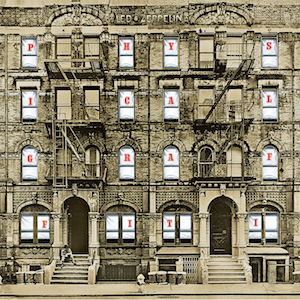
Physical Graffiti, Led Zeppelin, 1975. Led Zeppelin’s sixth studio album turned outtakes, new Headley Grange material, and years of accumulated power into the band’s definitive double LP. Released on Swan Song, it was produced by Jimmy Page, with recordings dating from 1970 through 1974, as detailed at Wikipedia. The die cut New York tenement sleeve, designed by Peter Corriston’s team, is one of classic rock’s great physical covers. The album topped the UK albums chart and reached number three in the United States, with UK data listed by Official Charts. It was certified 16x Platinum by the RIAA in 2006, reflecting shipments of more than eight million double album units.
Original US copies appeared on Swan Song as SS 2-200, while UK issues are commonly associated with SSK 89400, with pressing variants documented by Discogs. Core sessions took place at Headley Grange using Ronnie Lane’s Mobile Studio, with additional material from earlier sessions at places including Olympic and Island, all shaped by Page’s production. Early copies with the full die cut outer jacket, correct printed inners, title insert, and minimal wear are the target. The fragile cover is prone to torn windows, edge wear, and ring wear. Collectors also compare US Monarch, Specialty, and UK pressings for bass weight, top end bite, and overall slam.
Essential tracks include “Custard Pie,” “The Rover,” “In My Time of Dying,” “Houses of the Holy,” “Trampled Under Foot,” “Kashmir,” “Ten Years Gone,” and “The Wanton Song.” Physical Graffiti is Led Zeppelin at architectural scale. Blues, funk, Eastern modality, acoustic reflection, hard rock, and studio experimentation each get room to breathe across four sides. “Kashmir” alone justifies the format, but the real pleasure is how the album turns excess into structure. The die cut sleeve gives collectors a reason to seek an original rather than only stream the music, while the best pressings deliver the mass and texture that made Zeppelin a speaker testing band for generations.
Buying note: inspect the die cut windows closely. Torn window edges, missing inserts, water staining, and seam splits are common because the package is complicated and heavy. A collector copy should include the outer die cut sleeve, two printed inners, and the title insert. For sound, the best copies keep John Bonham’s kick drum powerful without turning the midrange cloudy. This is also a strong candidate for owning both an original package and a durable reissue, since the original jacket is part of the magic but not always the quietest play copy.
-

London Calling, The Clash, 1979. The Clash turned the double LP into a statement of range, urgency, and physical impact. Released in the UK by CBS on 14 December 1979 and in North America by Epic in January 1980, London Calling reached the UK top ten and climbed to number 27 on the US Billboard 200. Its commercial life has been long, with more than five million copies sold worldwide and a US platinum certification noted in standard album references. The original UK vinyl is commonly cited as CBS CLASH 3, while the US Epic issue is E2 36328, useful details when separating early pressings from later reissues and budget copies.
The record was cut from sessions at Wessex Sound Studios in London, produced by Guy Stevens, whose chaotic style pushed the band into loose, combustible takes. The cover is just as collectible as the music, Pennie Smith’s photo of Paul Simonon smashing his bass framed in a direct homage to Elvis Presley’s debut LP. Original copies matter because the album was priced like a single LP in Britain, so clean first pressings with the correct sleeves, labels, and lyric inners are prized. Collectors also watch for the presence of “Train in Vain,” originally unlisted on early artwork because it was added late.
Essential tracks include “London Calling,” “Brand New Cadillac,” “Spanish Bombs,” “Lost in the Supermarket,” “Clampdown,” “The Guns of Brixton,” and “Train in Vain.” What makes it one of the best double albums on vinyl is the way the four sides behave like a pirate radio broadcast. Punk, reggae, rockabilly, ska, pop, and American R&B all compete for space, yet the sequencing never feels padded. On vinyl, the bass weight of “The Guns of Brixton,” the slapback snap of “Brand New Cadillac,” and the side ending rush of “Death or Glory” give the album a sense of movement that streaming flattens.
Buying note: early UK copies have special appeal because the band and label pushed the double album at a consumer friendly price, which fits the record’s anti-elitist spirit. Still, condition varies widely because it was a party record, a dorm record, and a punk record, not a museum object. Check the inners, labels, and whether “Train in Vain” is listed or unlisted depending on the version. A strong pressing should make the bass lines feel physical, especially on the reggae and dub influenced tracks.
Final collector check: compare completed listings, not only asking prices, and treat a careful seller description as part of the value. Double albums have more surfaces to grade, so one weak disc should affect the price.
-

Electric Ladyland, The Jimi Hendrix Experience, 1968. Hendrix’s final studio album with the Experience is the psychedelic double LP as studio laboratory. Electric Ladyland was released in the US by Reprise on 16 October 1968 and in the UK by Track nine days later. It became Hendrix’s only number one album on the Billboard LP chart, spending two weeks at the top, and reached number 6 in the UK. It is also the most commercially successful Experience album, with major certifications including multi platinum US status. Original catalog numbers collectors often compare include Track 613008/9 in the UK and Reprise 2RS 6307 in the US.
The album was recorded across Olympic and Mayfair in London and the Record Plant in New York, with production credited to Jimi Hendrix. That credit matters, since the album documents Hendrix moving beyond the tighter Chas Chandler era into extended edits, tape experiments, dense overdubs, and wide stereo drama. UK Track copies are famous for the controversial nude gatefold cover, while the US Reprise version used the more familiar Karl Ferris portrait. Condition is crucial because gatefold wear, seam splits, and label variations dramatically affect desirability. Later audiophile and all analog reissues are popular, but early copies remain cultural artifacts as much as listening copies.
Essential tracks include “Crosstown Traffic,” “Voodoo Chile,” “Burning of the Midnight Lamp,” “1983... (A Merman I Should Turn to Be),” “House Burning Down,” “All Along the Watchtower,” and “Voodoo Child (Slight Return).” For vinyl collectors, the album’s four side architecture is the point. The long blues sprawl of “Voodoo Chile” breathes differently when it owns a side, and the underwater suite of “1983” benefits from the quiet focus of a clean pressing. Hendrix uses the double format not as excess, but as depth, moving from pop single to cosmic blues to science fiction soul.
Buying note: artwork choice can drive the market as much as sound. Some collectors want the UK Track gatefold because of its controversial original cover, while others prefer the US Reprise portrait because it is the version they grew up seeing. Either way, the music needs a clean copy. Panning effects, tape edits, and extended quiet passages can sound spectacular, but groove wear makes the record collapse quickly. If you are new to Hendrix vinyl, compare a respected reissue before spending heavily on a fragile original.
Final collector check: compare completed listings, not only asking prices, and treat a careful seller description as part of the value. Double albums have more surfaces to grade, so one weak disc should affect the price.
-

Tusk, Fleetwood Mac, 1979. After the impossible success of Rumours, Fleetwood Mac answered with a sprawling, expensive, deliberately unstable double album. Tusk was released by Warner Bros. in October 1979, reached number 4 on the Billboard 200, and topped the UK album chart. It was certified double platinum in the US and achieved strong UK certification as well, even though it was initially judged a commercial disappointment against Rumours. The original US vinyl is commonly identified as Warner Bros. 2HS 3350, with UK copies on Warner Bros. K 66088. Those numbers matter because Tusk has a long reissue history and early complete packages are more collectible than loose discs in generic sleeves.
The album was recorded mainly at The Village Recorder in Los Angeles, with production credited to Fleetwood Mac, Richard Dashut, and Ken Caillat. Lindsey Buckingham pushed for rougher, stranger textures, sometimes recording at home and importing a nervous new wave sensibility into a band known for polished California pop. Christine McVie and Stevie Nicks supplied some of the record’s most elegant songs, which makes the double album fascinating on vinyl: one side may move from skeletal Buckingham experiments to luminous balladry without warning. Original pressings are valued for their packaging as well as sound. Collectors look for the textured outer jacket, custom inner sleeves, clean labels, and minimal ring wear.
Essential tracks include “Over & Over,” “The Ledge,” “Think About Me,” “Sara,” “Storms,” “Sisters of the Moon,” “Angel,” “Beautiful Child,” and “Tusk.” Vinyl collectors care because Tusk is one of rock’s great anti blockbuster artifacts. It uses the double LP not to deliver more of the same, but to show a famous band arguing with its own formula in real time. Clean originals preserve the album’s contrasts, Buckingham’s brittle miniatures, McVie’s warm melodic center, Nicks’s haunted atmosphere, and the massive group spectacle of the title track.
Buying note: completeness and playback grade matter more than rarity. Because Tusk was expensive, ambitious, and widely discussed, many copies survived, but not all survived cleanly. Look for the textured jacket, custom inners, and quiet vinyl across all four sides. The album’s appeal is partly in contrast, so a good copy should handle Buckingham’s dry, nervous tracks and Nicks or McVie’s warmer songs without making either feel thin. The title track should have scale, but the small songs should still feel intimate.
Final collector check: compare completed listings, not only asking prices, and treat a careful seller description as part of the value. Double albums have more surfaces to grade, so one weak disc should affect the price.
-

Sign o’ the Times, Prince, 1987. Prince’s double album arrived after several abandoned projects, including Dream Factory, Camille, and the proposed triple album Crystal Ball, and that history gives the finished record its compressed electricity. Sign o’ the Times was released on 31 March 1987 by Paisley Park and Warner Bros. It reached the top ten on the Billboard 200, peaking at number 6, and also made the UK top five. It produced major singles including the title track, “If I Was Your Girlfriend,” “U Got the Look,” and “I Could Never Take the Place of Your Man,” and it is certified platinum in the US. Common original catalog references include Paisley Park and Warner Bros. 9 25577-1 in the US and WX 88 or 925577-1 in Europe.
The studio story is scattered across Prince’s working life in the mid 1980s: home studios in Minnesota, Sunset Sound, Ocean Way, Monterey Sound, and mobile recording setups. Prince produced the album himself, playing many instruments and shaping Linn LM-1 drums, Fairlight textures, rock guitar, gospel harmony, funk bass, and minimalist pop into a unified personal language. For collectors, original vinyl is attractive because the album’s 80 minute program was designed around side breaks rather than later CD convenience. Complete copies with the correct sleeves, hype stickers, labels, and low noise vinyl are desirable. Prince records from this era were heavily played at parties, so finding a clean copy can be harder than the sales numbers suggest.
Essential tracks include “Sign o’ the Times,” “Housequake,” “The Ballad of Dorothy Parker,” “Starfish and Coffee,” “If I Was Your Girlfriend,” “U Got the Look,” “I Could Never Take the Place of Your Man,” “The Cross,” and “Adore.” Collectors care because this is the rare double album that feels both panoramic and edited to the bone. Each side has its own personality: street reportage, erotic funk, psychedelic character sketches, spiritual release, and late night soul. On vinyl, the lean drum programming and dry vocal space have bite, while “Adore” closes the set with the kind of analog warmth that makes a turntable feel necessary.
Buying note: Prince vinyl from the eighties is often more condition sensitive than buyers expect. Copies were played at volume, handled at parties, and sometimes stored casually. For this album, surface noise can distract from the sparse drum machine tracks, where silence around the beat is part of the drama. Check both discs carefully, and do not assume a glossy jacket means clean vinyl. The super deluxe editions are useful for archival material, but the original double LP remains the most elegant way to hear the core album sequence.
-

Goodbye Yellow Brick Road, Elton John, 1973. Elton John and Bernie Taupin’s most celebrated studio statement is a double album built like a Technicolor jukebox. Goodbye Yellow Brick Road was released by DJM on 5 October 1973 and became a major international hit, reaching number one in the US, UK, Canada, and Australia. Its long life has been enormous, with worldwide sales often cited above 20 million, Grammy Hall of Fame recognition, and heavy certifications including multi platinum US status. Original UK copies are usually associated with DJM DJLPD 1001, while early US issues appeared on MCA as MCA2-10003.
The sessions took place at Château d’Hérouville in France, with remixing and overdubbing at Trident in London. Gus Dudgeon produced, shaping the classic Elton John Band into a grand, theatrical rock and pop machine. The original LP sequence is central to the experience. “Funeral for a Friend/Love Lies Bleeding” opens like a curtain rising, while later sides move through glam rock, balladry, country pastiche, hard rock, and character studies. The cover, with Elton stepping into the fantasy road image, reinforces the album’s theme of escape and disillusionment. Clean gatefold copies remain attractive display pieces, but the real collector test is playback.
Essential tracks include “Funeral for a Friend/Love Lies Bleeding,” “Candle in the Wind,” “Bennie and the Jets,” “Goodbye Yellow Brick Road,” “Grey Seal,” “Saturday Night’s Alright for Fighting,” and “Harmony.” Vinyl collectors care because this is one of the double LPs that justifies the format through abundance. There are hits, deep cuts, genre exercises, and widescreen arrangements, yet the sides feel balanced rather than bloated. On a good pressing, Dee Murray’s bass, Nigel Olsson’s drums, Davey Johnstone’s guitars, and Elton’s piano occupy a big, warm stereo field.
Buying note: there are many copies in the wild, so patience pays. Look for a quiet set with a strong gatefold, correct book or inner materials for the pressing, and no distortion on the piano-heavy passages. The album rewards clean vinyl because Gus Dudgeon’s production is polished but busy, with strings, backing vocals, guitar overdubs, and drums sharing space. If a copy looks cheap but has groove burn on the big hits, pass. You will find another, and the right copy makes the familiar songs feel newly cinematic.
Final collector check: compare completed listings, not only asking prices, and treat a careful seller description as part of the value. Double albums have more surfaces to grade, so one weak disc should affect the price.
-

The Wall, Pink Floyd, 1979. Pink Floyd's eleventh studio album remains one of the essential answers to the question of the best double albums on vinyl because it uses four sides as dramatic architecture, not just extra space. The album was released on 30 November 1979 by Harvest and EMI in the UK and Columbia and CBS in the US, with original UK double LP copies commonly identified as Harvest SHDW 411 and US copies as Columbia PC2 36183, details collectors can cross-check through Wikipedia and release databases such as Discogs. It reached No. 1 on the US Billboard album chart for 15 weeks and No. 3 in the UK.
Recorded from December 1978 to November 1979 at Britannia Row in London, plus sessions in France, New York and Los Angeles, The Wall was produced by Bob Ezrin, David Gilmour, James Guthrie and Roger Waters. It was certified platinum in the UK shortly after release and has a massive RIAA history in the United States, where multi-disc counting made it one of the most certified rock albums ever, a status documented by the RIAA. Early UK Harvest copies with the brick wall sleeve, rounded corner inners and correct labels are prized, while US Columbia copies are plentiful but condition sensitive because quiet passages expose groove wear.
Essential tracks include “In the Flesh?,” “Another Brick in the Wall, Part 2,” “Mother,” “Hey You,” “Comfortably Numb,” and “Run Like Hell.” Vinyl collectors care because the format turns the album into a physical performance, four sides, printed lyrics, stark Gerald Scarfe visuals and a gatefold experience that makes the listener participate in Pink's isolation. On streaming it can feel like a long playlist; on vinyl it becomes a ritual, with each side reset functioning almost like an act change in a stage production.
Buying note: quiet vinyl is non-negotiable. The Wall has explosive rock moments, but it also has long stretches of dialogue, atmosphere, and near silence. A copy with persistent crackle will break the illusion. Check the inner sleeves and lyric presentation, then inspect the vinyl under bright light. Many collectors enjoy early UK copies, Japanese pressings, and respected audiophile editions for different reasons. The best purchase is the one that lets the narrative flow without making you anticipate noise before every quiet transition.
Final collector check: compare completed listings, not only asking prices, and treat a careful seller description as part of the value. Double albums have more surfaces to grade, so one weak disc should affect the price.
-

Quadrophenia, The Who, 1973. Released as a double album on 26 October 1973 by Track Records in the UK and MCA in the US, Quadrophenia is Pete Townshend's most unified Who concept album, a mod coming-of-age story about Jimmy, identity, alienation and the crashing sea at Brighton. The original UK double LP is generally associated with Track 2657 013, while US originals appeared on MCA as MCA2-10004, release data that can be compared through Wikipedia and Discogs. It reached No. 2 in both the UK and the US.
The album was recorded at Olympic Studios, the Who's own Ramport Studios and Ronnie Lane's Mobile Studio in London, with production credited to the Who. It has been certified platinum in the United States by the RIAA and gold in the UK, with certification information summarized on Wikipedia's certification table and searchable through the RIAA. Original copies included a substantial black and white photo booklet that deepens Jimmy's world, so complete copies with the booklet intact are more desirable than bare vinyl. Early UK Track pressings often attract the most attention, while clean US MCA copies offer a more affordable path.
Essential tracks include “The Real Me,” “5:15,” “Sea and Sand,” “Drowned,” “Bell Boy,” “Doctor Jimmy,” and “Love, Reign o’er Me.” The four sides allow Townshend's themes to unfold through recurring musical motifs tied to the four members of the band, making the record unusually suited to the LP format. For anyone building a shelf of the best double albums on vinyl, Quadrophenia is indispensable because it captures a band at full theatrical force while still hitting with the direct physical attack of rock music cut loud across four sides.
Buying note: the booklet is the first thing to verify. Without it, Quadrophenia loses part of its world, and the value drops accordingly. The heavy package also means seam splits are common, so ask for spine and inner gatefold photos. Sonically, the record should give Keith Moon’s drums force without burying the synthesizer motifs and brass textures. A clean original can be thrilling, but a well-made reissue is a smart daily play if you want the story and dynamics without worrying about damaging a collectible booklet copy.
Final collector check: compare completed listings, not only asking prices, and treat a careful seller description as part of the value. Double albums have more surfaces to grade, so one weak disc should affect the price.
-
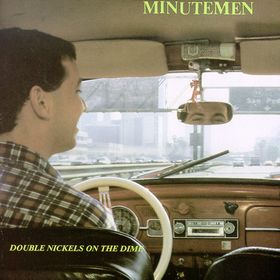
Double Nickels on the Dime, Minutemen, 1984. Released by SST Records on 3 July 1984, Double Nickels on the Dime is the punk double album that refuses bloat. Its original label and catalog are central to its identity, SST Records SST 028, and that detail is noted in sources such as Wikipedia and collector listings at Discogs. Where many double LPs expand through grandeur, Minutemen expanded through compression, putting 45 short songs across four sides and proving that hardcore, funk, jazz, folk, country and political argument could coexist in bursts.
The album was recorded between November 1983 and April 1984 at Radio Tokyo in Venice, California, and produced by Ethan James. It has no major US gold or platinum certification, which is part of its collector mythology rather than a weakness. This is an album whose importance came through college radio, zines, touring, SST's independent network and later critical canonization. Original SST vinyl is highly desirable, especially clean copies with the correct jacket and labels, because the original double LP preserves the full 45-song running order. Some later CD editions omitted tracks because of time restrictions, a fact that made the vinyl version feel even more definitive for many fans.
Essential tracks include “Political Song for Michael Jackson to Sing,” “Viet Nam,” “Cohesion,” “It’s Expected I’m Gone,” “This Ain’t No Picnic,” “Corona,” “History Lesson, Part II,” and “Jesus and Tequila.” Vinyl collectors care because Double Nickels on the Dime makes the double album democratic. It is sprawling, funny, angry, literate and humble, with no arena-rock excess and no wasted space. On LP, the listener hears a band using every groove as an argument that punk could be intellectually restless without losing speed, humor or working-class directness.
Buying note: original SST copies are coveted because they preserve the album as a working underground artifact. Be careful with grading, since punk and college radio records were often handled with enthusiasm rather than delicacy. A little jacket wear may be acceptable, but groove damage undercuts the whole point, since the short songs rely on snap and timing. Reissues are practical, but the original double LP has a special logic: four sides, three band member programs, a chaff side, and a sense that every fragment belongs exactly where it lands.
Final collector check: compare completed listings, not only asking prices, and treat a careful seller description as part of the value. Double albums have more surfaces to grade, so one weak disc should affect the price.
-
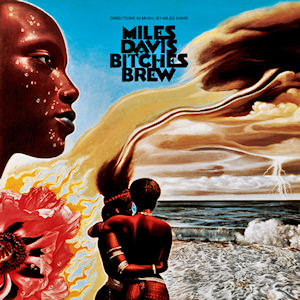
Bitches Brew, Miles Davis, 1970. Released by Columbia Records on 30 March 1970, Bitches Brew is the double album that pushed electric jazz fusion into the mainstream without smoothing out its danger. Original US copies are commonly identified as Columbia GP 26, with Teo Macero's production and Mati Klarwein's wraparound cover art becoming inseparable from the music. Core release facts are summarized by Wikipedia, and original pressing data can be compared through Discogs. It reached No. 35 on the Billboard 200, won the Grammy Award for Best Large Jazz Ensemble Album, became Davis's first RIAA gold album in 1976, and was later certified platinum.
The album was recorded from 19 to 21 August 1969 at Columbia's 52nd Street studio in New York City, with producer Teo Macero shaping long ensemble performances through editing as boldly as Davis shaped them through direction. The personnel included Wayne Shorter, Joe Zawinul, Chick Corea, John McLaughlin, Dave Holland, Jack DeJohnette, Lenny White, Bennie Maupin, Harvey Brooks, Larry Young and others, making the studio itself feel like a charged laboratory. Original Columbia pressings place the dense low end, electric piano swirls and percussion fields in a wide analog space that rewards serious playback systems. Clean gatefold jackets are prized because ring wear and edge wear are common.
Essential tracks include “Pharaoh's Dance,” “Bitches Brew,” “Spanish Key,” “Miles Runs the Voodoo Down,” and “Sanctuary.” Bitches Brew is mandatory because its length, side divisions and physical scale match the music's ritual intensity. It asks the listener to sit with mystery, repetition and electricity, then rewards repeated needle drops with new details buried in the storm. The original GP 26 remains the symbolic object, the moment when Miles Davis made the double LP feel like a portal rather than a container.
Buying note: this is a record where system setup matters. Dense electric piano, percussion, bass, and horns can turn muddy if the pressing is worn or the cartridge is not aligned well. Look for clean gatefold art, strong labels, and vinyl that plays quietly through the opening minutes of “Pharaoh’s Dance.” Reissues can be excellent, but early Columbia copies have a particular historical charge. The album is also a reminder that jazz double LPs often deserve rock-level collector attention, especially when the art, editing, and side structure are this important.
Final collector check: compare completed listings, not only asking prices, and treat a careful seller description as part of the value. Double albums have more surfaces to grade, so one weak disc should affect the price.
-

Layla and Other Assorted Love Songs, Derek and the Dominos, 1970. Released on 9 November 1970 by Polydor and Atco, Layla and Other Assorted Love Songs was initially a commercial disappointment, but it became one of rock's most beloved double albums. Original US copies are commonly associated with Atco SD 2-704, while UK and European Polydor issues are often tied to Polydor 2625 005, details reflected in Wikipedia and collector databases such as Discogs. It reached No. 16 on the US Billboard Top LPs chart and later No. 68 in the UK.
The album was recorded from 28 August to 1 October 1970 at Criteria Studios in Miami and produced by Tom Dowd. Derek and the Dominos were Eric Clapton, Bobby Whitlock, Carl Radle and Jim Gordon, with Duane Allman contributing lead and slide guitar to most of the album after a famous Miami encounter. The record has been certified gold by the RIAA, finally entered the UK Albums Chart decades later and was inducted into the Grammy Hall of Fame. Original Atco and Polydor double LPs vary in noise floor and wear, and many copies were played heavily because the album became more famous after the title track's later success.
Essential tracks include “I Looked Away,” “Bell Bottom Blues,” “Keep On Growing,” “Nobody Knows You When You're Down and Out,” “Tell the Truth,” “Why Does Love Got to Be So Sad?,” “Little Wing,” and “Layla.” Vinyl collectors care because the double album format lets the story breathe. It is not just “Layla” plus filler; it is a long confession moving through blues standards, original heartbreak songs, gospel-flavored ensemble playing and guitar conversations between Clapton and Allman. On vinyl, the four sides turn obsession into pacing, from wounded restraint to the title track's piano coda.
Buying note: do not buy this only for the title track. The best copies make the whole band sound alive, with Bobby Whitlock’s vocals, Carl Radle’s bass, Jim Gordon’s drums, Clapton’s leads, and Duane Allman’s slide guitar interacting across the set. Original Atco and Polydor copies can be rewarding, but condition is uneven because the album grew in reputation after release and many copies stayed in rotation for years. If side four sounds worn, the emotional payoff suffers, so audition the closing stretch whenever possible.
Final collector check: compare completed listings, not only asking prices, and treat a careful seller description as part of the value. Double albums have more surfaces to grade, so one weak disc should affect the price.
What to buy first
If you are starting from scratch, buy playable, clean reissues before chasing expensive originals. A quiet modern copy of Songs in the Key of Life, Physical Graffiti, London Calling, or Bitches Brew will teach you the music better than a noisy first pressing. Once you know which albums you actually play, upgrade selectively. For collectible originals, prioritize complete packages: White Album photos and poster, Exile postcards, Songs in the Key of Life EP and booklet, Quadrophenia booklet, and Physical Graffiti’s die cut jacket with the correct inners.
FAQ
What makes a double album good on vinyl?
A strong double album uses four sides with purpose. The best ones have side breaks that create pacing, artwork that benefits from a gatefold package, and enough musical range to justify the longer running time.
Are original pressings always better than reissues?
No. Original pressings can be collectible, but condition matters more than age. A clean, well-mastered reissue will usually sound better than a scratched first pressing. Originals are best when you care about the full object: labels, inserts, jackets, catalog numbers, and historical context.
Which double albums are best for testing a turntable setup?
Physical Graffiti is great for impact and bass control, Bitches Brew tests imaging and dense layering, Songs in the Key of Life checks vocal texture and dynamics, and The Wall exposes surface noise during quiet passages.
Should I avoid long double albums because of sound quality?
Not necessarily. A double album often sounds better than a single LP with the same runtime because the music has more groove space. The bigger risk is condition, since double albums were often played heavily and stored in jackets that split or scuffed easily.
A spreadsheet tracks what you own. What's Spinning identifies what's playing.
On-device vinyl ID logs your listening history automatically. 7-day free trial.
Looking for Shazam for vinyl?
What's Spinning identifies what's playing on your turntable on-device, logs history, and AirPlays now-playing to your TV.
Comparing vinyl ID apps?
Analog requires Discogs and is iPhone-first (iPad coming). What's Spinning works without Discogs on iPhone and iPad with AirPlay.
Try What's Spinning Free
Turn your iPad into a live now-playing display. Track every record you spin.
START FREE TRIALThen $4.99/mo or $39.99/yr · Cancel anytime
Get it on your iPhone
Open on iPhone