Back to Blog

Best Driving Albums Ever on Vinyl: 15 Road-Tested Records for Collectors

June 07, 2026
Best Driving Albums Ever on Vinyl: 15 Road-Tested Records for Collectors

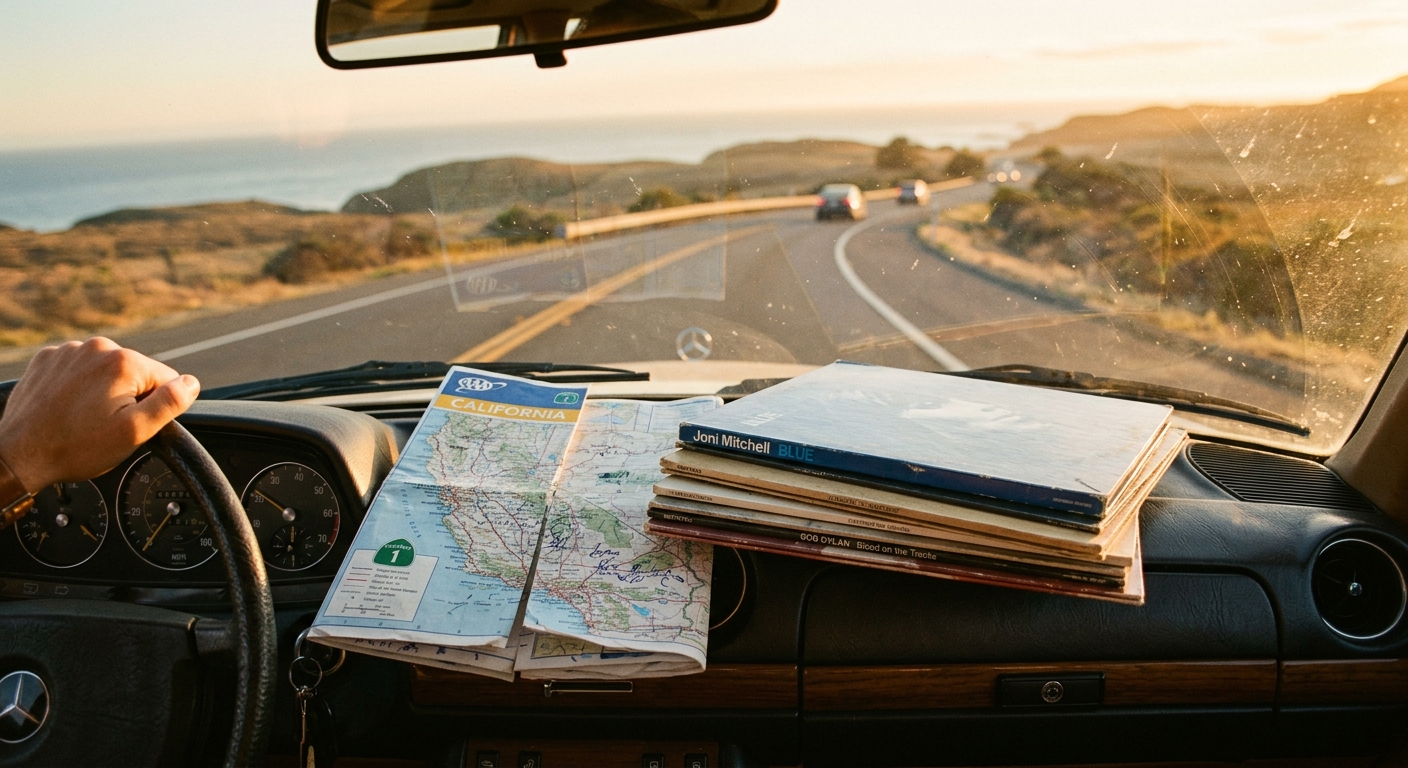
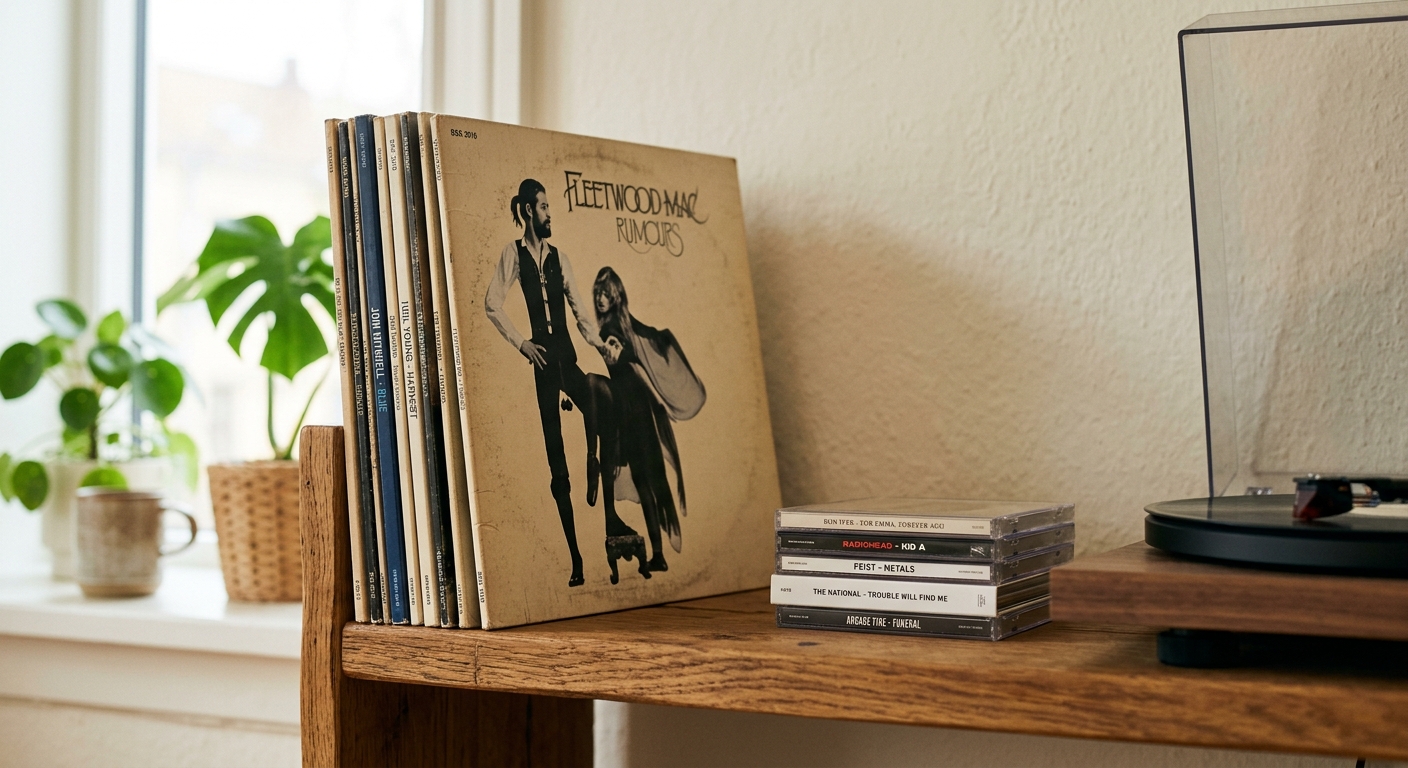
Some albums feel designed for a steering wheel, even when you first meet them through a turntable. The best road records have momentum, clear sequencing, big emotional weather, and enough production character to make a car ride feel cinematic. For vinyl collectors, the fun is that these same records also reward close listening at home. You get the road-trip energy, then you get the pressing details, jacket art, side breaks, and mastering choices that make the LP worth owning.

This guide is built for collectors searching for the best driving albums vinyl fans should actually play. The ranking favors albums that move well, have strong vinyl identity, and have enough documented chart, certification, production, or pressing history to justify shelf space. It is not limited to classic rock, because real driving music runs through punk, funk, hip-hop, synth-pop, electronic music, and hi-fi studio craft.

One note before the list: do not treat rarity as the same thing as pleasure. For road-ready records, the best copy is often the clean copy. If you use What's Spinning, let your turntable listening log tell you which albums you return to before trips, after late nights, and during those restless windows when you just want the next record to feel like motion.

The best driving albums to own on vinyl

  1. 1. Rumours by Fleetwood Mac (1977)

    Album cover for Rumours by Fleetwood Mac

    Rumours, Fleetwood Mac, 1977. Research source

    Rumours belongs in any serious conversation about the best driving albums vinyl collectors can own because it understands motion as much as melody. The collector facts are a big part of the story. It was issued on Warner Bros. BSK 3010 in the United States, produced by Fleetwood Mac with Ken Caillat and Richard Dashut, and connected to California sessions at the Record Plant in Sausalito, Wally Heider Studios in Los Angeles, and other West Coast rooms. Commercially, it has the kind of measurable history that keeps copies moving through record stores and online wantlists: it spent 31 weeks at No. 1 on the Billboard 200 and is certified 21x Platinum by the RIAA. Those numbers are not just bragging rights. They explain why the album has stayed in print, why so many different pressings exist, and why it remains easy to recommend as both a listening record and a shelf anchor.

    The road-test is where it earns the ranking. The tempos sit in the sweet spot for long highway stretches, and the harmonies turn a car cabin into a small control room. In a car, the best records do not merely supply songs; they create a pace for the trip. This album has that kind of internal engine. The sequence gives you acceleration, cruise control, and a final stretch that makes the side break feel intentional. That matters on vinyl because the format naturally divides listening into chapters. You can play a side while packing, flip it before leaving, or use the record as a pre-drive ritual before switching to whatever system you use on the road.

    Production details are also part of the vinyl appeal. A driving album needs impact, but a collectible LP also needs depth, imaging, and a reason to sit between the speakers at home. Here, the recording choices support both uses. The drums and bass provide forward motion, while the guitars, voices, keyboards, or studio textures give collectors something to inspect on repeated plays. For buyers, early palm-tree Warner Bros. pressings, UK copies, and audiophile editions are all active collector lanes; clean copies matter because the vocal blends expose inner-groove wear. The practical advice is simple: condition beats mythology unless you are buying for rarity. A clean later pressing can be more satisfying than a famous first press with groove wear, especially when the album has quiet intros, vocal stacks, or wide stereo details.

    Start with Go Your Own Way, Dreams, Second Hand News, and The Chain if you want the fastest proof. Those tracks show why the album works beyond nostalgia: hooks, tone, sequencing, and personality all line up. It also matters historically because one of the defining 1970s rock LPs and a permanent benchmark for pop-rock sequencing. That combination makes it more than a mood pick. It is a record with documented reach, a recognizable sound, and collector value that comes from repeated use rather than sealed-copy speculation. Put plainly, this is the kind of LP that should not sit untouched. It should be cleaned, sleeved, tracked, and played often enough that your listening history remembers it.

  2. 2. Born to Run by Bruce Springsteen (1975)

    Album cover for Born to Run by Bruce Springsteen

    Born to Run, Bruce Springsteen, 1975. Research source

    Born to Run belongs in any serious conversation about the best driving albums vinyl collectors can own because it understands motion as much as melody. The collector facts are a big part of the story. It was issued on Columbia PC 33795 in the United States, produced by Bruce Springsteen, Mike Appel, and Jon Landau, and connected to 914 Sound Studios in Blauvelt and Record Plant in New York, with unusually long work on the title track. Commercially, it has the kind of measurable history that keeps copies moving through record stores and online wantlists: it peaked at No. 3 on the Billboard 200 and is certified 6x Platinum by the RIAA. Those numbers are not just bragging rights. They explain why the album has stayed in print, why so many different pressings exist, and why it remains easy to recommend as both a listening record and a shelf anchor.

    The road-test is where it earns the ranking. It is practically a road movie pressed onto two sides, full of headlights, escape plans, engines, and desperate romance. In a car, the best records do not merely supply songs; they create a pace for the trip. This album has that kind of internal engine. The sequence gives you acceleration, cruise control, and a final stretch that makes the side break feel intentional. That matters on vinyl because the format naturally divides listening into chapters. You can play a side while packing, flip it before leaving, or use the record as a pre-drive ritual before switching to whatever system you use on the road.

    Production details are also part of the vinyl appeal. A driving album needs impact, but a collectible LP also needs depth, imaging, and a reason to sit between the speakers at home. Here, the recording choices support both uses. The drums and bass provide forward motion, while the guitars, voices, keyboards, or studio textures give collectors something to inspect on repeated plays. For buyers, early Columbia pressings with the gatefold sleeve remain desirable, while half-speed and anniversary reissues give listeners quieter vinyl for the dense arrangements. The practical advice is simple: condition beats mythology unless you are buying for rarity. A clean later pressing can be more satisfying than a famous first press with groove wear, especially when the album has quiet intros, vocal stacks, or wide stereo details.

    Start with Thunder Road, Tenth Avenue Freeze-Out, Born to Run, and Jungleland if you want the fastest proof. Those tracks show why the album works beyond nostalgia: hooks, tone, sequencing, and personality all line up. It also matters historically because the album that turned Springsteen from a cult songwriter into a mainstream American rock figure. That combination makes it more than a mood pick. It is a record with documented reach, a recognizable sound, and collector value that comes from repeated use rather than sealed-copy speculation. Put plainly, this is the kind of LP that should not sit untouched. It should be cleaned, sleeved, tracked, and played often enough that your listening history remembers it.

  3. 3. The Cars by The Cars (1978)

    Album cover for The Cars by The Cars

    The Cars, The Cars, 1978. Research source

    The Cars belongs in any serious conversation about the best driving albums vinyl collectors can own because it understands motion as much as melody. The collector facts are a big part of the story. It was issued on Elektra 6E-135 in the United States, produced by Roy Thomas Baker, and connected to AIR Studios in London, where the band paired Boston new wave precision with Baker's glossy rock production. Commercially, it has the kind of measurable history that keeps copies moving through record stores and online wantlists: it peaked at No. 18 on the Billboard 200 and is certified 6x Platinum by the RIAA. Those numbers are not just bragging rights. They explain why the album has stayed in print, why so many different pressings exist, and why it remains easy to recommend as both a listening record and a shelf anchor.

    The road-test is where it earns the ranking. The record is aerodynamic, with clipped guitars, dry drums, and choruses that arrive like perfectly timed lane changes. In a car, the best records do not merely supply songs; they create a pace for the trip. This album has that kind of internal engine. The sequence gives you acceleration, cruise control, and a final stretch that makes the side break feel intentional. That matters on vinyl because the format naturally divides listening into chapters. You can play a side while packing, flip it before leaving, or use the record as a pre-drive ritual before switching to whatever system you use on the road.

    Production details are also part of the vinyl appeal. A driving album needs impact, but a collectible LP also needs depth, imaging, and a reason to sit between the speakers at home. Here, the recording choices support both uses. The drums and bass provide forward motion, while the guitars, voices, keyboards, or studio textures give collectors something to inspect on repeated plays. For buyers, original Elektra copies are common enough to be playable finds, but the best ones are hot, quiet, and very satisfying on systems that like punchy bass. The practical advice is simple: condition beats mythology unless you are buying for rarity. A clean later pressing can be more satisfying than a famous first press with groove wear, especially when the album has quiet intros, vocal stacks, or wide stereo details.

    Start with Good Times Roll, My Best Friend's Girl, Just What I Needed, and Moving in Stereo if you want the fastest proof. Those tracks show why the album works beyond nostalgia: hooks, tone, sequencing, and personality all line up. It also matters historically because a power-pop and new wave template that made tight studio craft feel effortless on FM radio. That combination makes it more than a mood pick. It is a record with documented reach, a recognizable sound, and collector value that comes from repeated use rather than sealed-copy speculation. Put plainly, this is the kind of LP that should not sit untouched. It should be cleaned, sleeved, tracked, and played often enough that your listening history remembers it.

  4. 4. Back in Black by AC/DC (1980)

    Album cover for Back in Black by AC/DC

    Back in Black, AC/DC, 1980. Research source

    Back in Black belongs in any serious conversation about the best driving albums vinyl collectors can own because it understands motion as much as melody. The collector facts are a big part of the story. It was issued on Atlantic SD 16018 in the United States and Albert Productions internationally, produced by Robert John Mutt Lange, and connected to Compass Point Studios in Nassau, with mixing at Electric Lady Studios in New York. Commercially, it has the kind of measurable history that keeps copies moving through record stores and online wantlists: it reached No. 4 on the Billboard 200 and is certified 27x Platinum by the RIAA. Those numbers are not just bragging rights. They explain why the album has stayed in print, why so many different pressings exist, and why it remains easy to recommend as both a listening record and a shelf anchor.

    The road-test is where it earns the ranking. Malcolm young's rhythm guitar gives the record a steady chassis, while phil rudd's drums keep everything locked to the road. In a car, the best records do not merely supply songs; they create a pace for the trip. This album has that kind of internal engine. The sequence gives you acceleration, cruise control, and a final stretch that makes the side break feel intentional. That matters on vinyl because the format naturally divides listening into chapters. You can play a side while packing, flip it before leaving, or use the record as a pre-drive ritual before switching to whatever system you use on the road.

    Production details are also part of the vinyl appeal. A driving album needs impact, but a collectible LP also needs depth, imaging, and a reason to sit between the speakers at home. Here, the recording choices support both uses. The drums and bass provide forward motion, while the guitars, voices, keyboards, or studio textures give collectors something to inspect on repeated plays. For buyers, RL mastering initials, clean Atlantic copies, and strong UK or Australian variants are collector conversation pieces; the black sleeve also makes condition obvious. The practical advice is simple: condition beats mythology unless you are buying for rarity. A clean later pressing can be more satisfying than a famous first press with groove wear, especially when the album has quiet intros, vocal stacks, or wide stereo details.

    Start with Hells Bells, Shoot to Thrill, Back in Black, and You Shook Me All Night Long if you want the fastest proof. Those tracks show why the album works beyond nostalgia: hooks, tone, sequencing, and personality all line up. It also matters historically because one of hard rock's biggest selling albums and the model for lean, riff-first arena production. That combination makes it more than a mood pick. It is a record with documented reach, a recognizable sound, and collector value that comes from repeated use rather than sealed-copy speculation. Put plainly, this is the kind of LP that should not sit untouched. It should be cleaned, sleeved, tracked, and played often enough that your listening history remembers it.

  5. 5. Remain in Light by Talking Heads (1980)

    Album cover for Remain in Light by Talking Heads

    Remain in Light, Talking Heads, 1980. Research source

    Remain in Light belongs in any serious conversation about the best driving albums vinyl collectors can own because it understands motion as much as melody. The collector facts are a big part of the story. It was issued on Sire SRK 6095 in the United States, produced by Brian Eno, and connected to Compass Point Studios in the Bahamas and Sigma Sound Studios in New York. Commercially, it has the kind of measurable history that keeps copies moving through record stores and online wantlists: it reached No. 19 on the Billboard 200 and No. 21 on the UK Albums Chart. Those numbers are not just bragging rights. They explain why the album has stayed in print, why so many different pressings exist, and why it remains easy to recommend as both a listening record and a shelf anchor.

    The road-test is where it earns the ranking. The interlocking rhythms turn motion into hypnosis, especially on open roads where the groove can stretch without interruption. In a car, the best records do not merely supply songs; they create a pace for the trip. This album has that kind of internal engine. The sequence gives you acceleration, cruise control, and a final stretch that makes the side break feel intentional. That matters on vinyl because the format naturally divides listening into chapters. You can play a side while packing, flip it before leaving, or use the record as a pre-drive ritual before switching to whatever system you use on the road.

    Production details are also part of the vinyl appeal. A driving album needs impact, but a collectible LP also needs depth, imaging, and a reason to sit between the speakers at home. Here, the recording choices support both uses. The drums and bass provide forward motion, while the guitars, voices, keyboards, or studio textures give collectors something to inspect on repeated plays. For buyers, original Sire pressings and later audiophile editions reward careful comparison because the layered percussion and bass reveal mastering choices quickly. The practical advice is simple: condition beats mythology unless you are buying for rarity. A clean later pressing can be more satisfying than a famous first press with groove wear, especially when the album has quiet intros, vocal stacks, or wide stereo details.

    Start with Born Under Punches, Crosseyed and Painless, The Great Curve, and Once in a Lifetime if you want the fastest proof. Those tracks show why the album works beyond nostalgia: hooks, tone, sequencing, and personality all line up. It also matters historically because a landmark in art rock, funk-informed post-punk, and studio-based band reinvention. That combination makes it more than a mood pick. It is a record with documented reach, a recognizable sound, and collector value that comes from repeated use rather than sealed-copy speculation. Put plainly, this is the kind of LP that should not sit untouched. It should be cleaned, sleeved, tracked, and played often enough that your listening history remembers it.

  6. 6. Brothers in Arms by Dire Straits (1985)

    Album cover for Brothers in Arms by Dire Straits

    Brothers in Arms, Dire Straits, 1985. Research source

    Brothers in Arms belongs in any serious conversation about the best driving albums vinyl collectors can own because it understands motion as much as melody. The collector facts are a big part of the story. It was issued on Warner Bros. 25264-1 in the United States and Vertigo internationally, produced by Mark Knopfler and Neil Dorfsman, and connected to AIR Studios in Montserrat, recorded on a Sony 24-track digital machine. Commercially, it has the kind of measurable history that keeps copies moving through record stores and online wantlists: it reached No. 1 in the UK and the United States, and became the first album to sell more than one million copies on CD. Those numbers are not just bragging rights. They explain why the album has stayed in print, why so many different pressings exist, and why it remains easy to recommend as both a listening record and a shelf anchor.

    The road-test is where it earns the ranking. Knopfler's guitar tone gives night driving a clean horizon, while the digital recording keeps transients crisp on a good pressing. In a car, the best records do not merely supply songs; they create a pace for the trip. This album has that kind of internal engine. The sequence gives you acceleration, cruise control, and a final stretch that makes the side break feel intentional. That matters on vinyl because the format naturally divides listening into chapters. You can play a side while packing, flip it before leaving, or use the record as a pre-drive ritual before switching to whatever system you use on the road.

    Production details are also part of the vinyl appeal. A driving album needs impact, but a collectible LP also needs depth, imaging, and a reason to sit between the speakers at home. Here, the recording choices support both uses. The drums and bass provide forward motion, while the guitars, voices, keyboards, or studio textures give collectors something to inspect on repeated plays. For buyers, original vinyl has narrower side timing than the CD program, so collectors often compare track lists; Mobile Fidelity and other audiophile editions are sought after. The practical advice is simple: condition beats mythology unless you are buying for rarity. A clean later pressing can be more satisfying than a famous first press with groove wear, especially when the album has quiet intros, vocal stacks, or wide stereo details.

    Start with So Far Away, Money for Nothing, Walk of Life, and Brothers in Arms if you want the fastest proof. Those tracks show why the album works beyond nostalgia: hooks, tone, sequencing, and personality all line up. It also matters historically because a key 1980s hi-fi demonstration record and a bridge between vinyl culture and the CD era. That combination makes it more than a mood pick. It is a record with documented reach, a recognizable sound, and collector value that comes from repeated use rather than sealed-copy speculation. Put plainly, this is the kind of LP that should not sit untouched. It should be cleaned, sleeved, tracked, and played often enough that your listening history remembers it.

  7. 7. Sticky Fingers by The Rolling Stones (1971)

    Album cover for Sticky Fingers by The Rolling Stones

    Sticky Fingers, The Rolling Stones, 1971. Research source

    Sticky Fingers belongs in any serious conversation about the best driving albums vinyl collectors can own because it understands motion as much as melody. The collector facts are a big part of the story. It was issued on Rolling Stones Records COC 59100, the band's first album on its own label, produced by Jimmy Miller, and connected to Muscle Shoals Sound Studio, Olympic Studios, and Stargroves with the Rolling Stones Mobile Studio. Commercially, it has the kind of measurable history that keeps copies moving through record stores and online wantlists: it reached No. 1 on both the Billboard 200 and the UK Albums Chart, and is certified 3x Platinum by the RIAA. Those numbers are not just bragging rights. They explain why the album has stayed in print, why so many different pressings exist, and why it remains easy to recommend as both a listening record and a shelf anchor.

    The road-test is where it earns the ranking. It is loose enough for back roads and tough enough for interstate miles, with a side-one run that feels like a bar band becoming mythic. In a car, the best records do not merely supply songs; they create a pace for the trip. This album has that kind of internal engine. The sequence gives you acceleration, cruise control, and a final stretch that makes the side break feel intentional. That matters on vinyl because the format naturally divides listening into chapters. You can play a side while packing, flip it before leaving, or use the record as a pre-drive ritual before switching to whatever system you use on the road.

    Production details are also part of the vinyl appeal. A driving album needs impact, but a collectible LP also needs depth, imaging, and a reason to sit between the speakers at home. Here, the recording choices support both uses. The drums and bass provide forward motion, while the guitars, voices, keyboards, or studio textures give collectors something to inspect on repeated plays. For buyers, the Andy Warhol zipper sleeve is central to the vinyl appeal; working-zipper originals, UK pressings, and clean Monarch copies draw close attention. The practical advice is simple: condition beats mythology unless you are buying for rarity. A clean later pressing can be more satisfying than a famous first press with groove wear, especially when the album has quiet intros, vocal stacks, or wide stereo details.

    Start with Brown Sugar, Sway, Wild Horses, Can't You Hear Me Knocking, and Moonlight Mile if you want the fastest proof. Those tracks show why the album works beyond nostalgia: hooks, tone, sequencing, and personality all line up. It also matters historically because the core document of the Stones' early 1970s sound, blending rock, country, blues, and soul swagger. That combination makes it more than a mood pick. It is a record with documented reach, a recognizable sound, and collector value that comes from repeated use rather than sealed-copy speculation. Put plainly, this is the kind of LP that should not sit untouched. It should be cleaned, sleeved, tracked, and played often enough that your listening history remembers it.

  8. 8. Highway 61 Revisited by Bob Dylan (1965)

    Album cover for Highway 61 Revisited by Bob Dylan

    Highway 61 Revisited, Bob Dylan, 1965. Research source

    Highway 61 Revisited belongs in any serious conversation about the best driving albums vinyl collectors can own because it understands motion as much as melody. The collector facts are a big part of the story. It was issued on Columbia CL 2389 in mono and CS 9189 in stereo, produced by Bob Johnston, with Tom Wilson producing Like a Rolling Stone, and connected to Columbia Studio A in New York. Commercially, it has the kind of measurable history that keeps copies moving through record stores and online wantlists: it peaked at No. 3 on the Billboard Top LPs chart and No. 4 on the UK Albums Chart. Those numbers are not just bragging rights. They explain why the album has stayed in print, why so many different pressings exist, and why it remains easy to recommend as both a listening record and a shelf anchor.

    The road-test is where it earns the ranking. Its title alone earns a place, but the real road feel comes from the blues pulse, sharp organ, and dylan's forward lean. In a car, the best records do not merely supply songs; they create a pace for the trip. This album has that kind of internal engine. The sequence gives you acceleration, cruise control, and a final stretch that makes the side break feel intentional. That matters on vinyl because the format naturally divides listening into chapters. You can play a side while packing, flip it before leaving, or use the record as a pre-drive ritual before switching to whatever system you use on the road.

    Production details are also part of the vinyl appeal. A driving album needs impact, but a collectible LP also needs depth, imaging, and a reason to sit between the speakers at home. Here, the recording choices support both uses. The drums and bass provide forward motion, while the guitars, voices, keyboards, or studio textures give collectors something to inspect on repeated plays. For buyers, two-eye Columbia originals, mono copies, and Sundazed or Mobile Fidelity reissues all have audiences; mono is especially interesting for collectors who like focused mid-1960s rock sound. The practical advice is simple: condition beats mythology unless you are buying for rarity. A clean later pressing can be more satisfying than a famous first press with groove wear, especially when the album has quiet intros, vocal stacks, or wide stereo details.

    Start with Like a Rolling Stone, Tombstone Blues, Ballad of a Thin Man, and Desolation Row if you want the fastest proof. Those tracks show why the album works beyond nostalgia: hooks, tone, sequencing, and personality all line up. It also matters historically because a key electric Dylan album that helped turn rock lyrics into literature without losing propulsion. That combination makes it more than a mood pick. It is a record with documented reach, a recognizable sound, and collector value that comes from repeated use rather than sealed-copy speculation. Put plainly, this is the kind of LP that should not sit untouched. It should be cleaned, sleeved, tracked, and played often enough that your listening history remembers it.

  9. 9. The Joshua Tree by U2 (1987)

    Album cover for The Joshua Tree by U2

    The Joshua Tree, U2, 1987. Research source

    The Joshua Tree belongs in any serious conversation about the best driving albums vinyl collectors can own because it understands motion as much as melody. The collector facts are a big part of the story. It was issued on Island U26 in the UK and Island 90581-1 in the United States, produced by Daniel Lanois and Brian Eno, and connected to Windmill Lane Studios, Danesmoate House, STS, and Melbeach in Ireland. Commercially, it has the kind of measurable history that keeps copies moving through record stores and online wantlists: it reached No. 1 in the United States and the UK, and is certified Diamond by the RIAA. Those numbers are not just bragging rights. They explain why the album has stayed in print, why so many different pressings exist, and why it remains easy to recommend as both a listening record and a shelf anchor.

    The road-test is where it earns the ranking. It translates landscape into sound, with chiming guitar delays that make even familiar roads feel wider. In a car, the best records do not merely supply songs; they create a pace for the trip. This album has that kind of internal engine. The sequence gives you acceleration, cruise control, and a final stretch that makes the side break feel intentional. That matters on vinyl because the format naturally divides listening into chapters. You can play a side while packing, flip it before leaving, or use the record as a pre-drive ritual before switching to whatever system you use on the road.

    Production details are also part of the vinyl appeal. A driving album needs impact, but a collectible LP also needs depth, imaging, and a reason to sit between the speakers at home. Here, the recording choices support both uses. The drums and bass provide forward motion, while the guitars, voices, keyboards, or studio textures give collectors something to inspect on repeated plays. For buyers, original Island pressings, gatefold copies, and the 20th or 30th anniversary editions are common collector choices, with condition important on the quieter atmospheric passages. The practical advice is simple: condition beats mythology unless you are buying for rarity. A clean later pressing can be more satisfying than a famous first press with groove wear, especially when the album has quiet intros, vocal stacks, or wide stereo details.

    Start with Where the Streets Have No Name, I Still Haven't Found What I'm Looking For, With or Without You, and Bullet the Blue Sky if you want the fastest proof. Those tracks show why the album works beyond nostalgia: hooks, tone, sequencing, and personality all line up. It also matters historically because one of the definitive stadium-era rock albums and U2's breakthrough to global scale. That combination makes it more than a mood pick. It is a record with documented reach, a recognizable sound, and collector value that comes from repeated use rather than sealed-copy speculation. Put plainly, this is the kind of LP that should not sit untouched. It should be cleaned, sleeved, tracked, and played often enough that your listening history remembers it.

  10. 10. Purple Rain by Prince and the Revolution (1984)

    Album cover for Purple Rain by Prince and the Revolution

    Purple Rain, Prince and the Revolution, 1984. Research source

    Purple Rain belongs in any serious conversation about the best driving albums vinyl collectors can own because it understands motion as much as melody. The collector facts are a big part of the story. It was issued on Warner Bros. 25110-1, produced by Prince and the Revolution, and connected to recorded through a mix of studio sessions and live material, including First Avenue performances in Minneapolis. Commercially, it has the kind of measurable history that keeps copies moving through record stores and online wantlists: it spent 24 consecutive weeks at No. 1 on the Billboard 200 and is certified 13x Platinum by the RIAA. Those numbers are not just bragging rights. They explain why the album has stayed in print, why so many different pressings exist, and why it remains easy to recommend as both a listening record and a shelf anchor.

    The road-test is where it earns the ranking. It has the right mix of sprint, drama, and release, so a short errand can feel like the closing scene of a film. In a car, the best records do not merely supply songs; they create a pace for the trip. This album has that kind of internal engine. The sequence gives you acceleration, cruise control, and a final stretch that makes the side break feel intentional. That matters on vinyl because the format naturally divides listening into chapters. You can play a side while packing, flip it before leaving, or use the record as a pre-drive ritual before switching to whatever system you use on the road.

    Production details are also part of the vinyl appeal. A driving album needs impact, but a collectible LP also needs depth, imaging, and a reason to sit between the speakers at home. Here, the recording choices support both uses. The drums and bass provide forward motion, while the guitars, voices, keyboards, or studio textures give collectors something to inspect on repeated plays. For buyers, early Warner Bros. copies, poster-complete editions, and high-quality reissues move quickly because this is both a soundtrack and a core Prince album. The practical advice is simple: condition beats mythology unless you are buying for rarity. A clean later pressing can be more satisfying than a famous first press with groove wear, especially when the album has quiet intros, vocal stacks, or wide stereo details.

    Start with Let's Go Crazy, When Doves Cry, I Would Die 4 U, Baby I'm a Star, and Purple Rain if you want the fastest proof. Those tracks show why the album works beyond nostalgia: hooks, tone, sequencing, and personality all line up. It also matters historically because a pop, rock, funk, and R&B crossover landmark that made Prince's Minneapolis sound unavoidable. That combination makes it more than a mood pick. It is a record with documented reach, a recognizable sound, and collector value that comes from repeated use rather than sealed-copy speculation. Put plainly, this is the kind of LP that should not sit untouched. It should be cleaned, sleeved, tracked, and played often enough that your listening history remembers it.

  11. 11. London Calling by The Clash (1979)

    Album cover for London Calling by The Clash

    London Calling, The Clash, 1979. Research source

    London Calling belongs in any serious conversation about the best driving albums vinyl collectors can own because it understands motion as much as melody. The collector facts are a big part of the story. It was issued on CBS CLASH 3 in the UK and Epic E2 36328 in North America, produced by Guy Stevens, and connected to Wessex Sound Studios in London over roughly five to six weeks. Commercially, it has the kind of measurable history that keeps copies moving through record stores and online wantlists: it was a UK top ten album, sold more than five million copies worldwide, and is certified Platinum in the United States. Those numbers are not just bragging rights. They explain why the album has stayed in print, why so many different pressings exist, and why it remains easy to recommend as both a listening record and a shelf anchor.

    The road-test is where it earns the ranking. It turns the car into a moving city, jumping from punk to reggae, rockabilly, ska, and r&b without losing momentum. In a car, the best records do not merely supply songs; they create a pace for the trip. This album has that kind of internal engine. The sequence gives you acceleration, cruise control, and a final stretch that makes the side break feel intentional. That matters on vinyl because the format naturally divides listening into chapters. You can play a side while packing, flip it before leaving, or use the record as a pre-drive ritual before switching to whatever system you use on the road.

    Production details are also part of the vinyl appeal. A driving album needs impact, but a collectible LP also needs depth, imaging, and a reason to sit between the speakers at home. Here, the recording choices support both uses. The drums and bass provide forward motion, while the guitars, voices, keyboards, or studio textures give collectors something to inspect on repeated plays. For buyers, UK CBS double-LP originals, US Epic copies, and complete sleeves with lyric inners are all worth checking; the two-disc format makes groove condition especially important. The practical advice is simple: condition beats mythology unless you are buying for rarity. A clean later pressing can be more satisfying than a famous first press with groove wear, especially when the album has quiet intros, vocal stacks, or wide stereo details.

    Start with London Calling, Brand New Cadillac, Spanish Bombs, Train in Vain, and The Guns of Brixton if you want the fastest proof. Those tracks show why the album works beyond nostalgia: hooks, tone, sequencing, and personality all line up. It also matters historically because a punk-era double album that proved range could be rebellious rather than indulgent. That combination makes it more than a mood pick. It is a record with documented reach, a recognizable sound, and collector value that comes from repeated use rather than sealed-copy speculation. Put plainly, this is the kind of LP that should not sit untouched. It should be cleaned, sleeved, tracked, and played often enough that your listening history remembers it.

  12. 12. Songs for the Deaf by Queens of the Stone Age (2002)

    Album cover for Songs for the Deaf by Queens of the Stone Age

    Songs for the Deaf, Queens of the Stone Age, 2002. Research source

    Songs for the Deaf belongs in any serious conversation about the best driving albums vinyl collectors can own because it understands motion as much as melody. The collector facts are a big part of the story. It was issued on Interscope 0694934251, issued on vinyl in multiple later variants as well, produced by Josh Homme, Adam Kasper, and Eric Valentine, and connected to The Site in San Rafael, Barefoot in Hollywood, and other California rooms. Commercially, it has the kind of measurable history that keeps copies moving through record stores and online wantlists: it peaked at No. 17 on the Billboard 200 and was certified Gold by the RIAA. Those numbers are not just bragging rights. They explain why the album has stayed in print, why so many different pressings exist, and why it remains easy to recommend as both a listening record and a shelf anchor.

    The road-test is where it earns the ranking. The album is literally framed as a drive from los angeles toward joshua tree, complete with radio-station interruptions and desert-rock velocity. In a car, the best records do not merely supply songs; they create a pace for the trip. This album has that kind of internal engine. The sequence gives you acceleration, cruise control, and a final stretch that makes the side break feel intentional. That matters on vinyl because the format naturally divides listening into chapters. You can play a side while packing, flip it before leaving, or use the record as a pre-drive ritual before switching to whatever system you use on the road.

    Production details are also part of the vinyl appeal. A driving album needs impact, but a collectible LP also needs depth, imaging, and a reason to sit between the speakers at home. Here, the recording choices support both uses. The drums and bass provide forward motion, while the guitars, voices, keyboards, or studio textures give collectors something to inspect on repeated plays. For buyers, original vinyl is collectible, but later double-LP reissues and variants are often the practical buy; buyers should inspect side splits because the album's radio-interlude flow depends on sequencing. The practical advice is simple: condition beats mythology unless you are buying for rarity. A clean later pressing can be more satisfying than a famous first press with groove wear, especially when the album has quiet intros, vocal stacks, or wide stereo details.

    Start with You Think I Ain't Worth a Dollar, No One Knows, Go with the Flow, and Song for the Dead if you want the fastest proof. Those tracks show why the album works beyond nostalgia: hooks, tone, sequencing, and personality all line up. It also matters historically because a 2000s rock milestone that turned stoner rock, punk drive, and Dave Grohl's drums into a road-trip concept record. That combination makes it more than a mood pick. It is a record with documented reach, a recognizable sound, and collector value that comes from repeated use rather than sealed-copy speculation. Put plainly, this is the kind of LP that should not sit untouched. It should be cleaned, sleeved, tracked, and played often enough that your listening history remembers it.

  13. 13. DAMN. by Kendrick Lamar (2017)

    Album cover for DAMN. by Kendrick Lamar

    DAMN., Kendrick Lamar, 2017. Research source

    DAMN. belongs in any serious conversation about the best driving albums vinyl collectors can own because it understands motion as much as melody. The collector facts are a big part of the story. It was issued on Top Dawg Entertainment, Aftermath, and Interscope B0026747-01, produced by Top Dawg as executive producer, with Sounwave, DJ Dahi, Mike Will Made It, Ricci Riera, and others, and connected to assembled through contemporary hip-hop studio sessions with a wide production team and carefully sequenced transitions. Commercially, it has the kind of measurable history that keeps copies moving through record stores and online wantlists: it debuted at No. 1 on the Billboard 200, is certified 3x Platinum by the RIAA, and won the 2018 Pulitzer Prize for Music. Those numbers are not just bragging rights. They explain why the album has stayed in print, why so many different pressings exist, and why it remains easy to recommend as both a listening record and a shelf anchor.

    The road-test is where it earns the ranking. Its drums, bass weight, and narrative pressure make it ideal for focused city driving, especially when the system can handle low-end cleanly. In a car, the best records do not merely supply songs; they create a pace for the trip. This album has that kind of internal engine. The sequence gives you acceleration, cruise control, and a final stretch that makes the side break feel intentional. That matters on vinyl because the format naturally divides listening into chapters. You can play a side while packing, flip it before leaving, or use the record as a pre-drive ritual before switching to whatever system you use on the road.

    Production details are also part of the vinyl appeal. A driving album needs impact, but a collectible LP also needs depth, imaging, and a reason to sit between the speakers at home. Here, the recording choices support both uses. The drums and bass provide forward motion, while the guitars, voices, keyboards, or studio textures give collectors something to inspect on repeated plays. For buyers, black vinyl, red vinyl, collector's editions, and the reversed-tracklist DAMN. COLLECTORS EDITION. give buyers several vinyl paths with different sequencing appeal. The practical advice is simple: condition beats mythology unless you are buying for rarity. A clean later pressing can be more satisfying than a famous first press with groove wear, especially when the album has quiet intros, vocal stacks, or wide stereo details.

    Start with DNA., ELEMENT., HUMBLE., FEAR., and DUCKWORTH. if you want the fastest proof. Those tracks show why the album works beyond nostalgia: hooks, tone, sequencing, and personality all line up. It also matters historically because a rare modern rap album with both massive commercial reach and formal recognition from outside pop music. That combination makes it more than a mood pick. It is a record with documented reach, a recognizable sound, and collector value that comes from repeated use rather than sealed-copy speculation. Put plainly, this is the kind of LP that should not sit untouched. It should be cleaned, sleeved, tracked, and played often enough that your listening history remembers it.

  14. 14. Aja by Steely Dan (1977)

    Album cover for Aja by Steely Dan

    Aja, Steely Dan, 1977. Research source

    Aja belongs in any serious conversation about the best driving albums vinyl collectors can own because it understands motion as much as melody. The collector facts are a big part of the story. It was issued on ABC AB-1006 in the United States, produced by Gary Katz, and connected to Village Recorder, Producer's Workshop, Sound Labs, A&R, and other Los Angeles and New York rooms with nearly 40 session musicians. Commercially, it has the kind of measurable history that keeps copies moving through record stores and online wantlists: it peaked at No. 3 on the Billboard 200 and is certified 2x Platinum by the RIAA. Those numbers are not just bragging rights. They explain why the album has stayed in print, why so many different pressings exist, and why it remains easy to recommend as both a listening record and a shelf anchor.

    The road-test is where it earns the ranking. It is not a muscle-car record; it is the album for a clean windshield, a good stereo, and a late-night freeway with no hurry. In a car, the best records do not merely supply songs; they create a pace for the trip. This album has that kind of internal engine. The sequence gives you acceleration, cruise control, and a final stretch that makes the side break feel intentional. That matters on vinyl because the format naturally divides listening into chapters. You can play a side while packing, flip it before leaving, or use the record as a pre-drive ritual before switching to whatever system you use on the road.

    Production details are also part of the vinyl appeal. A driving album needs impact, but a collectible LP also needs depth, imaging, and a reason to sit between the speakers at home. Here, the recording choices support both uses. The drums and bass provide forward motion, while the guitars, voices, keyboards, or studio textures give collectors something to inspect on repeated plays. For buyers, AB-1006 originals, Cisco reissues, and UHQR audiophile editions are all discussed heavily because the record is a precision test for groove noise, cymbals, and bass definition. The practical advice is simple: condition beats mythology unless you are buying for rarity. A clean later pressing can be more satisfying than a famous first press with groove wear, especially when the album has quiet intros, vocal stacks, or wide stereo details.

    Start with Black Cow, Aja, Deacon Blues, Peg, and Josie if you want the fastest proof. Those tracks show why the album works beyond nostalgia: hooks, tone, sequencing, and personality all line up. It also matters historically because a high-water mark for jazz-rock studio perfection and one of the great hi-fi reference LPs. That combination makes it more than a mood pick. It is a record with documented reach, a recognizable sound, and collector value that comes from repeated use rather than sealed-copy speculation. Put plainly, this is the kind of LP that should not sit untouched. It should be cleaned, sleeved, tracked, and played often enough that your listening history remembers it.

  15. 15. Autobahn by Kraftwerk (1974)

    Album cover for Autobahn by Kraftwerk

    Autobahn, Kraftwerk, 1974. Research source

    Autobahn belongs in any serious conversation about the best driving albums vinyl collectors can own because it understands motion as much as melody. The collector facts are a big part of the story. It was issued on Philips 6305 231 in Germany and Vertigo in the United Kingdom, produced by Ralf Hutter, Florian Schneider, and Conny Plank, and connected to Kling Klang in Dusseldorf and Conny Plank's studio near Cologne. Commercially, it has the kind of measurable history that keeps copies moving through record stores and online wantlists: it reached No. 5 on the Billboard 200 and No. 4 on the UK Albums Chart after the edited title single became an international hit. Those numbers are not just bragging rights. They explain why the album has stayed in print, why so many different pressings exist, and why it remains easy to recommend as both a listening record and a shelf anchor.

    The road-test is where it earns the ranking. It is the most literal driving album here, turning motorway motion into synth pulse, vocoder melody, and mechanical calm. In a car, the best records do not merely supply songs; they create a pace for the trip. This album has that kind of internal engine. The sequence gives you acceleration, cruise control, and a final stretch that makes the side break feel intentional. That matters on vinyl because the format naturally divides listening into chapters. You can play a side while packing, flip it before leaving, or use the record as a pre-drive ritual before switching to whatever system you use on the road.

    Production details are also part of the vinyl appeal. A driving album needs impact, but a collectible LP also needs depth, imaging, and a reason to sit between the speakers at home. Here, the recording choices support both uses. The drums and bass provide forward motion, while the guitars, voices, keyboards, or studio textures give collectors something to inspect on repeated plays. For buyers, German Philips originals and later Kling Klang reissues are key targets; buyers should check for clean quiet vinyl because the long electronic title track has exposed passages. The practical advice is simple: condition beats mythology unless you are buying for rarity. A clean later pressing can be more satisfying than a famous first press with groove wear, especially when the album has quiet intros, vocal stacks, or wide stereo details.

    Start with Autobahn, Kometenmelodie 2, and Morgenspaziergang if you want the fastest proof. Those tracks show why the album works beyond nostalgia: hooks, tone, sequencing, and personality all line up. It also matters historically because a foundation stone for electronic pop, synth-pop, techno, and the idea that machines could carry emotional atmosphere. That combination makes it more than a mood pick. It is a record with documented reach, a recognizable sound, and collector value that comes from repeated use rather than sealed-copy speculation. Put plainly, this is the kind of LP that should not sit untouched. It should be cleaned, sleeved, tracked, and played often enough that your listening history remembers it.

What to buy first

If you are starting from zero, buy clean playing copies of Rumours, Born to Run, The Cars, Back in Black, and Songs for the Deaf first. That starter stack covers radio-rock polish, road-movie songwriting, new wave precision, hard-rock impact, and a literal desert-drive concept. Add Aja or Brothers in Arms when you want hi-fi detail, then bring in DAMN. and Autobahn to keep the shelf from turning into pure nostalgia.

For condition, visually inspect under strong light and ask sellers about playback, not just grade. Driving albums tend to get played hard at parties, in dorm rooms, and on budget turntables, so surface noise can be common even when jackets look decent. A well-cut reissue in near-mint shape is often the smartest buy for regular listening.

FAQ

What makes an album good for driving on vinyl?

A great driving album has momentum, strong sequencing, and enough sonic character to stay engaging without feeling scattered. On vinyl, side breaks also matter, because the best road records divide naturally into two or four satisfying stretches.

Should I buy original pressings or reissues for driving albums?

Buy the cleanest copy you will actually play. Originals can be exciting for labels, jackets, matrix numbers, and period-correct mastering, but a quiet modern reissue is often better if the album has soft passages or dense production.

Can I use What's Spinning to track albums I play before a road trip?

Yes. What's Spinning listens to your turntable and logs what is playing, so you can see which records you actually spin while planning trips, packing records, or building a seasonal listening habit.

Are driving albums only classic rock?

Not at all. Classic rock dominates the road-trip stereotype, but hip-hop, electronic music, punk, new wave, jazz-rock, and synth-pop can be just as road-ready when the sequencing and sound design fit the motion.

Research sources

  1. Rumours research source
  2. Born to Run research source
  3. The Cars research source
  4. Back in Black research source
  5. Remain in Light research source
  6. Brothers in Arms research source
  7. Sticky Fingers research source
  8. Highway 61 Revisited research source
  9. The Joshua Tree research source
  10. Purple Rain research source
  11. London Calling research source
  12. Songs for the Deaf research source
  13. DAMN. research source
  14. Aja research source
  15. Autobahn research source

Share this article

Related Articles