The Best Goth Albums Ever
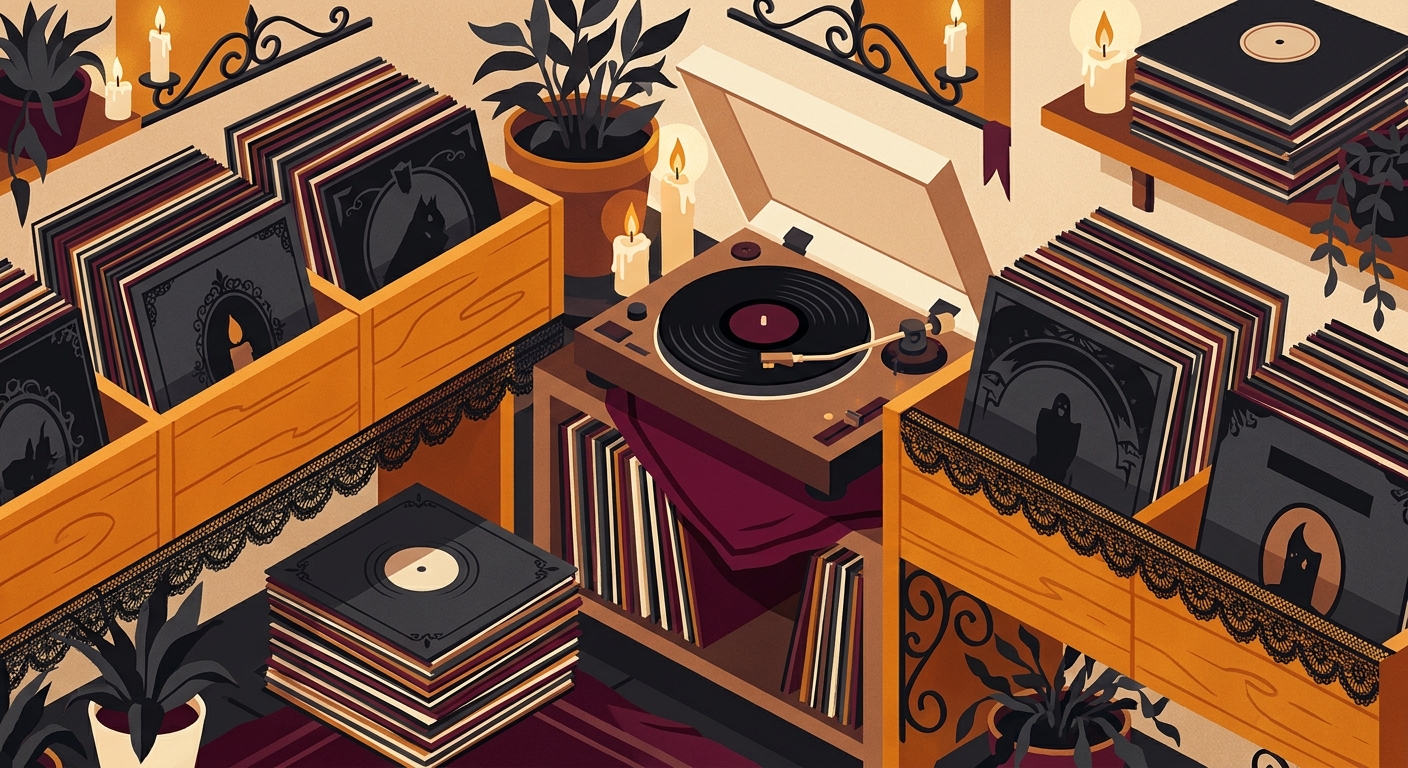
If you are building a record shelf around the best goth albums ever, you are not really chasing one sound. You are following a scene that grew out of post-punk, deathrock, darkwave, art rock, and club culture, then turned atmosphere into a collector’s language. Goth vinyl matters because the format suits the music: oversized sleeves, severe photography, deep bass, long reverb tails, and side-long mood shifts all feel more intentional on an LP than they do in a playlist queue.
This list is written for vinyl listeners, not just genre historians. Chart positions, labels, original catalog numbers, production credits, and collector notes all matter here. A clean copy of Juju or Closer is not only a way to hear the songs, it is a small piece of design history. A later reissue of Disintegration might sound better on your system than a pricey original, but the original Fiction and Elektra copies still carry the story of how goth crossed into the mainstream.
I ranked these 15 albums for influence, front-to-back listening value, vinyl appeal, and how strongly they define the gothic family tree. Some choices are obvious, some are borderland records, but every one belongs in the conversation.
The 15 best goth albums ever for vinyl collectors
-

In the Flat Field, Bauhaus, 1980
In the Flat Field earns its place on any list of the best goth albums ever because it treats mood as structure, not decoration. The record is not just dark in the obvious sense. It builds a whole room around the listener, using bass weight, guitar texture, vocal distance, and drum sound to make the album feel like a physical space. For vinyl collectors, that matters. Goth is a genre where the sleeve, label, side break, and the ritual of turning the record over all amplify the music. This album rewards that ritual because the atmosphere accumulates across the LP rather than arriving as a handful of playlist tracks.
The useful hard facts also make it collectible. The original release appeared on 4AD CAD 13, with production credited to Bauhaus and recording tied to Southern Studios, London. On the charts, it reached No. 72 on the UK Albums Chart; in the United States, it had no Billboard 200 placement. Its certification story is more modest than arena rock, with no major RIAA or BPI certification listed, but that is part of why goth vinyl can be interesting. Many key records were influential before they were massive sellers, so early copies often feel like documents of a scene before it hardened into canon. Essential tracks include Double Dare, Stigmata Martyr, Nerves, which show how the record balances hooks, dread, theatricality, and restraint.
From a pressing perspective, the first thing to notice is how much the album depends on quiet surfaces. Goth records often use reverb tails, open bass space, and sudden dynamic shifts, so a noisy copy can flatten the effect fast. For this title, collectors usually start by looking for an original UK 4AD CAD 13 copy with the stark sleeve intact. Clean jackets matter too, because goth cover art is rarely incidental. The best sleeves feel like part of the listening system, especially on 4AD, Factory, Merciful Release, and similar labels where typography and image choice were inseparable from the sound. If you buy online, ask for photos of the spine, inner sleeve, labels, and runout areas rather than trusting a single grade.
Why is it essential? Because it captures the blueprint for gothic rock as a full album statement. Some albums on this list are purer goth rock, some lean post-punk, deathrock, darkwave, or ethereal wave, but the genre has always been a network rather than a walled garden. This record belongs because later bands borrowed its production choices, its sense of negative space, or its drama. On a turntable, it also teaches you what goth does best: it makes the room feel different when the needle drops. That is the real collector test. If you lower the stylus and the lighting in your head changes, the record is doing its job.
-

Juju, Siouxsie and the Banshees, 1981
Juju earns its place on any list of the best goth albums ever because it treats mood as structure, not decoration. The record is not just dark in the obvious sense. It builds a whole room around the listener, using bass weight, guitar texture, vocal distance, and drum sound to make the album feel like a physical space. For vinyl collectors, that matters. Goth is a genre where the sleeve, label, side break, and the ritual of turning the record over all amplify the music. This album rewards that ritual because the atmosphere accumulates across the LP rather than arriving as a handful of playlist tracks.
The useful hard facts also make it collectible. The original release appeared on Polydor POLD 5155, with production credited to Nigel Gray and Siouxsie and the Banshees and recording tied to Surrey Sound, Leatherhead. On the charts, it reached No. 7 on the UK Albums Chart; in the United States, it had no Billboard 200 placement. Its certification story is more modest than arena rock, with no major RIAA certification listed, but that is part of why goth vinyl can be interesting. Many key records were influential before they were massive sellers, so early copies often feel like documents of a scene before it hardened into canon. Essential tracks include Spellbound, Arabian Knights, Halloween, Voodoo Dolly, which show how the record balances hooks, dread, theatricality, and restraint.
From a pressing perspective, the first thing to notice is how much the album depends on quiet surfaces. Goth records often use reverb tails, open bass space, and sudden dynamic shifts, so a noisy copy can flatten the effect fast. For this title, collectors usually start by looking for a clean UK Polydor POLD 5155 pressing, because the dark sleeve scuffs easily. Clean jackets matter too, because goth cover art is rarely incidental. The best sleeves feel like part of the listening system, especially on 4AD, Factory, Merciful Release, and similar labels where typography and image choice were inseparable from the sound. If you buy online, ask for photos of the spine, inner sleeve, labels, and runout areas rather than trusting a single grade.
Why is it essential? Because it captures the guitar language most later goth bands tried to decode. Some albums on this list are purer goth rock, some lean post-punk, deathrock, darkwave, or ethereal wave, but the genre has always been a network rather than a walled garden. This record belongs because later bands borrowed its production choices, its sense of negative space, or its drama. On a turntable, it also teaches you what goth does best: it makes the room feel different when the needle drops. That is the real collector test. If you lower the stylus and the lighting in your head changes, the record is doing its job.
-
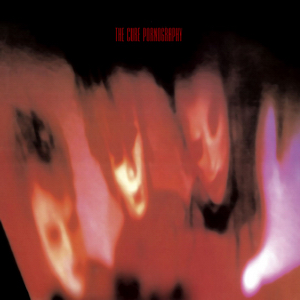
Pornography, The Cure, 1982
Pornography earns its place on any list of the best goth albums ever because it treats mood as structure, not decoration. The record is not just dark in the obvious sense. It builds a whole room around the listener, using bass weight, guitar texture, vocal distance, and drum sound to make the album feel like a physical space. For vinyl collectors, that matters. Goth is a genre where the sleeve, label, side break, and the ritual of turning the record over all amplify the music. This album rewards that ritual because the atmosphere accumulates across the LP rather than arriving as a handful of playlist tracks.
The useful hard facts also make it collectible. The original release appeared on Fiction FIXD 7, with production credited to Phil Thornalley and The Cure and recording tied to RAK Studios, London. On the charts, it reached No. 8 on the UK Albums Chart; in the United States, it had limited US chart activity, far less than the band later achieved. Its certification story is more modest than arena rock, with no major RIAA certification listed, but that is part of why goth vinyl can be interesting. Many key records were influential before they were massive sellers, so early copies often feel like documents of a scene before it hardened into canon. Essential tracks include One Hundred Years, The Hanging Garden, Siamese Twins, which show how the record balances hooks, dread, theatricality, and restraint.
From a pressing perspective, the first thing to notice is how much the album depends on quiet surfaces. Goth records often use reverb tails, open bass space, and sudden dynamic shifts, so a noisy copy can flatten the effect fast. For this title, collectors usually start by looking for an original UK Fiction FIXD 7 pressing, ideally with minimal groove wear. Clean jackets matter too, because goth cover art is rarely incidental. The best sleeves feel like part of the listening system, especially on 4AD, Factory, Merciful Release, and similar labels where typography and image choice were inseparable from the sound. If you buy online, ask for photos of the spine, inner sleeve, labels, and runout areas rather than trusting a single grade.
Why is it essential? Because it captures the bleakest point in The Cure catalog and a foundation stone for dark rock. Some albums on this list are purer goth rock, some lean post-punk, deathrock, darkwave, or ethereal wave, but the genre has always been a network rather than a walled garden. This record belongs because later bands borrowed its production choices, its sense of negative space, or its drama. On a turntable, it also teaches you what goth does best: it makes the room feel different when the needle drops. That is the real collector test. If you lower the stylus and the lighting in your head changes, the record is doing its job.
-

First and Last and Always, The Sisters of Mercy, 1985
First and Last and Always earns its place on any list of the best goth albums ever because it treats mood as structure, not decoration. The record is not just dark in the obvious sense. It builds a whole room around the listener, using bass weight, guitar texture, vocal distance, and drum sound to make the album feel like a physical space. For vinyl collectors, that matters. Goth is a genre where the sleeve, label, side break, and the ritual of turning the record over all amplify the music. This album rewards that ritual because the atmosphere accumulates across the LP rather than arriving as a handful of playlist tracks.
The useful hard facts also make it collectible. The original release appeared on Merciful Release MR 337L, with production credited to Dave Allen and recording tied to Strawberry, Genetic, and Livingston sessions are commonly cited. On the charts, it reached No. 14 on the UK Albums Chart; in the United States, it had no Billboard 200 placement. Its certification story is more modest than arena rock, with commonly cited as BPI Silver in the UK, but that is part of why goth vinyl can be interesting. Many key records were influential before they were massive sellers, so early copies often feel like documents of a scene before it hardened into canon. Essential tracks include Black Planet, Walk Away, Marian, Some Kind of Stranger, which show how the record balances hooks, dread, theatricality, and restraint.
From a pressing perspective, the first thing to notice is how much the album depends on quiet surfaces. Goth records often use reverb tails, open bass space, and sudden dynamic shifts, so a noisy copy can flatten the effect fast. For this title, collectors usually start by looking for a UK Merciful Release MR 337L copy with original inner sleeve and WEA distribution details. Clean jackets matter too, because goth cover art is rarely incidental. The best sleeves feel like part of the listening system, especially on 4AD, Factory, Merciful Release, and similar labels where typography and image choice were inseparable from the sound. If you buy online, ask for photos of the spine, inner sleeve, labels, and runout areas rather than trusting a single grade.
Why is it essential? Because it captures the definitive drum-machine and baritone-guitar goth rock template. Some albums on this list are purer goth rock, some lean post-punk, deathrock, darkwave, or ethereal wave, but the genre has always been a network rather than a walled garden. This record belongs because later bands borrowed its production choices, its sense of negative space, or its drama. On a turntable, it also teaches you what goth does best: it makes the room feel different when the needle drops. That is the real collector test. If you lower the stylus and the lighting in your head changes, the record is doing its job.
-
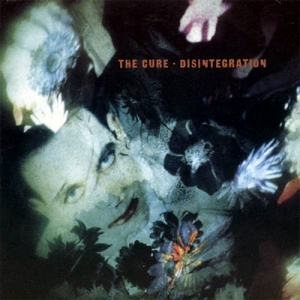
Disintegration, The Cure, 1989
Disintegration earns its place on any list of the best goth albums ever because it treats mood as structure, not decoration. The record is not just dark in the obvious sense. It builds a whole room around the listener, using bass weight, guitar texture, vocal distance, and drum sound to make the album feel like a physical space. For vinyl collectors, that matters. Goth is a genre where the sleeve, label, side break, and the ritual of turning the record over all amplify the music. This album rewards that ritual because the atmosphere accumulates across the LP rather than arriving as a handful of playlist tracks.
The useful hard facts also make it collectible. The original release appeared on Fiction FIXH 14 in the UK and Elektra 60855-1 in the US, with production credited to David M. Allen and Robert Smith and recording tied to Hookend Recording Studios, Oxfordshire. On the charts, it reached No. 3 in the UK and No. 12 on the Billboard 200; in the United States, it had No. 12 on the Billboard 200. Its certification story is more modest than arena rock, with RIAA 2x Platinum in the United States, but that is part of why goth vinyl can be interesting. Many key records were influential before they were massive sellers, so early copies often feel like documents of a scene before it hardened into canon. Essential tracks include Plainsong, Pictures of You, Lovesong, Lullaby, Fascination Street, which show how the record balances hooks, dread, theatricality, and restraint.
From a pressing perspective, the first thing to notice is how much the album depends on quiet surfaces. Goth records often use reverb tails, open bass space, and sudden dynamic shifts, so a noisy copy can flatten the effect fast. For this title, collectors usually start by looking for a well-mastered two-LP reissue if you value groove spacing, or the UK Fiction original for shelf history. Clean jackets matter too, because goth cover art is rarely incidental. The best sleeves feel like part of the listening system, especially on 4AD, Factory, Merciful Release, and similar labels where typography and image choice were inseparable from the sound. If you buy online, ask for photos of the spine, inner sleeve, labels, and runout areas rather than trusting a single grade.
Why is it essential? Because it captures the moment goth scale, pop craft, and audiophile atmosphere met in the mainstream. Some albums on this list are purer goth rock, some lean post-punk, deathrock, darkwave, or ethereal wave, but the genre has always been a network rather than a walled garden. This record belongs because later bands borrowed its production choices, its sense of negative space, or its drama. On a turntable, it also teaches you what goth does best: it makes the room feel different when the needle drops. That is the real collector test. If you lower the stylus and the lighting in your head changes, the record is doing its job.
-

Closer, Joy Division, 1980
Closer earns its place on any list of the best goth albums ever because it treats mood as structure, not decoration. The record is not just dark in the obvious sense. It builds a whole room around the listener, using bass weight, guitar texture, vocal distance, and drum sound to make the album feel like a physical space. For vinyl collectors, that matters. Goth is a genre where the sleeve, label, side break, and the ritual of turning the record over all amplify the music. This album rewards that ritual because the atmosphere accumulates across the LP rather than arriving as a handful of playlist tracks.
The useful hard facts also make it collectible. The original release appeared on Factory FACT 25, with production credited to Martin Hannett and recording tied to Britannia Row Studios, London. On the charts, it reached No. 6 on the UK Albums Chart; in the United States, it had no original Billboard 200 placement. Its certification story is more modest than arena rock, with commonly listed as BPI Gold in the UK, but that is part of why goth vinyl can be interesting. Many key records were influential before they were massive sellers, so early copies often feel like documents of a scene before it hardened into canon. Essential tracks include Atrocity Exhibition, Isolation, The Eternal, Decades, which show how the record balances hooks, dread, theatricality, and restraint.
From a pressing perspective, the first thing to notice is how much the album depends on quiet surfaces. Goth records often use reverb tails, open bass space, and sudden dynamic shifts, so a noisy copy can flatten the effect fast. For this title, collectors usually start by looking for a UK Factory FACT 25 copy with clean Peter Saville sleeve and strong matrix details. Clean jackets matter too, because goth cover art is rarely incidental. The best sleeves feel like part of the listening system, especially on 4AD, Factory, Merciful Release, and similar labels where typography and image choice were inseparable from the sound. If you buy online, ask for photos of the spine, inner sleeve, labels, and runout areas rather than trusting a single grade.
Why is it essential? Because it captures a post-punk record whose architecture shaped goth atmosphere. Some albums on this list are purer goth rock, some lean post-punk, deathrock, darkwave, or ethereal wave, but the genre has always been a network rather than a walled garden. This record belongs because later bands borrowed its production choices, its sense of negative space, or its drama. On a turntable, it also teaches you what goth does best: it makes the room feel different when the needle drops. That is the real collector test. If you lower the stylus and the lighting in your head changes, the record is doing its job.
-
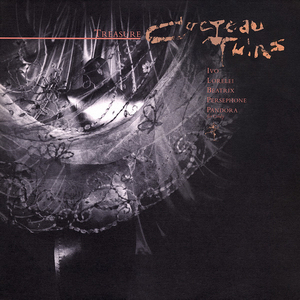
Treasure, Cocteau Twins, 1984
Treasure earns its place on any list of the best goth albums ever because it treats mood as structure, not decoration. The record is not just dark in the obvious sense. It builds a whole room around the listener, using bass weight, guitar texture, vocal distance, and drum sound to make the album feel like a physical space. For vinyl collectors, that matters. Goth is a genre where the sleeve, label, side break, and the ritual of turning the record over all amplify the music. This album rewards that ritual because the atmosphere accumulates across the LP rather than arriving as a handful of playlist tracks.
The useful hard facts also make it collectible. The original release appeared on 4AD CAD 412, with production credited to Cocteau Twins and recording tied to Palladium Studios, Edinburgh, and Rooster, West London. On the charts, it reached No. 29 on the UK Albums Chart; in the United States, it had no Billboard 200 placement. Its certification story is more modest than arena rock, with no major RIAA or BPI certification listed, but that is part of why goth vinyl can be interesting. Many key records were influential before they were massive sellers, so early copies often feel like documents of a scene before it hardened into canon. Essential tracks include Ivo, Lorelei, Persephone, Donimo, which show how the record balances hooks, dread, theatricality, and restraint.
From a pressing perspective, the first thing to notice is how much the album depends on quiet surfaces. Goth records often use reverb tails, open bass space, and sudden dynamic shifts, so a noisy copy can flatten the effect fast. For this title, collectors usually start by looking for an original UK 4AD CAD 412 with Vaughan Oliver and 23 Envelope artwork in sharp condition. Clean jackets matter too, because goth cover art is rarely incidental. The best sleeves feel like part of the listening system, especially on 4AD, Factory, Merciful Release, and similar labels where typography and image choice were inseparable from the sound. If you buy online, ask for photos of the spine, inner sleeve, labels, and runout areas rather than trusting a single grade.
Why is it essential? Because it captures the ethereal branch of goth blooming into dream pop. Some albums on this list are purer goth rock, some lean post-punk, deathrock, darkwave, or ethereal wave, but the genre has always been a network rather than a walled garden. This record belongs because later bands borrowed its production choices, its sense of negative space, or its drama. On a turntable, it also teaches you what goth does best: it makes the room feel different when the needle drops. That is the real collector test. If you lower the stylus and the lighting in your head changes, the record is doing its job.
-

Within the Realm of a Dying Sun, Dead Can Dance, 1987
Within the Realm of a Dying Sun earns its place on any list of the best goth albums ever because it treats mood as structure, not decoration. The record is not just dark in the obvious sense. It builds a whole room around the listener, using bass weight, guitar texture, vocal distance, and drum sound to make the album feel like a physical space. For vinyl collectors, that matters. Goth is a genre where the sleeve, label, side break, and the ritual of turning the record over all amplify the music. This album rewards that ritual because the atmosphere accumulates across the LP rather than arriving as a handful of playlist tracks.
The useful hard facts also make it collectible. The original release appeared on 4AD CAD 705, with production credited to Dead Can Dance and John A. Rivers and recording tied to Woodbine Street Recording Studios, Leamington Spa. On the charts, it reached no major UK or US album-chart hit; in the United States, it had no Billboard 200 placement. Its certification story is more modest than arena rock, with no major RIAA or BPI certification listed, but that is part of why goth vinyl can be interesting. Many key records were influential before they were massive sellers, so early copies often feel like documents of a scene before it hardened into canon. Essential tracks include Anywhere Out of the World, Cantara, Summoning of the Muse, Persephone, which show how the record balances hooks, dread, theatricality, and restraint.
From a pressing perspective, the first thing to notice is how much the album depends on quiet surfaces. Goth records often use reverb tails, open bass space, and sudden dynamic shifts, so a noisy copy can flatten the effect fast. For this title, collectors usually start by looking for a UK 4AD CAD 705 copy, where the sleeve image of the Raspail family tomb feels integral. Clean jackets matter too, because goth cover art is rarely incidental. The best sleeves feel like part of the listening system, especially on 4AD, Factory, Merciful Release, and similar labels where typography and image choice were inseparable from the sound. If you buy online, ask for photos of the spine, inner sleeve, labels, and runout areas rather than trusting a single grade.
Why is it essential? Because it captures neoclassical darkwave becoming a serious listening-room experience. Some albums on this list are purer goth rock, some lean post-punk, deathrock, darkwave, or ethereal wave, but the genre has always been a network rather than a walled garden. This record belongs because later bands borrowed its production choices, its sense of negative space, or its drama. On a turntable, it also teaches you what goth does best: it makes the room feel different when the needle drops. That is the real collector test. If you lower the stylus and the lighting in your head changes, the record is doing its job.
-

Only Theatre of Pain, Christian Death, 1982
Only Theatre of Pain earns its place on any list of the best goth albums ever because it treats mood as structure, not decoration. The record is not just dark in the obvious sense. It builds a whole room around the listener, using bass weight, guitar texture, vocal distance, and drum sound to make the album feel like a physical space. For vinyl collectors, that matters. Goth is a genre where the sleeve, label, side break, and the ritual of turning the record over all amplify the music. This album rewards that ritual because the atmosphere accumulates across the LP rather than arriving as a handful of playlist tracks.
The useful hard facts also make it collectible. The original release appeared on Frontier FLP 1007, with production credited to Thom Wilson and recording tied to Hit City West, Los Angeles. On the charts, it reached no major UK or US album-chart hit; in the United States, it had no Billboard 200 placement. Its certification story is more modest than arena rock, with no major RIAA or BPI certification listed, but that is part of why goth vinyl can be interesting. Many key records were influential before they were massive sellers, so early copies often feel like documents of a scene before it hardened into canon. Essential tracks include Cavity, Figurative Theatre, Spiritual Cramp, Romeo’s Distress, which show how the record balances hooks, dread, theatricality, and restraint.
From a pressing perspective, the first thing to notice is how much the album depends on quiet surfaces. Goth records often use reverb tails, open bass space, and sudden dynamic shifts, so a noisy copy can flatten the effect fast. For this title, collectors usually start by looking for an original Frontier FLP 1007 copy, checking inserts and artwork carefully. Clean jackets matter too, because goth cover art is rarely incidental. The best sleeves feel like part of the listening system, especially on 4AD, Factory, Merciful Release, and similar labels where typography and image choice were inseparable from the sound. If you buy online, ask for photos of the spine, inner sleeve, labels, and runout areas rather than trusting a single grade.
Why is it essential? Because it captures the American deathrock side of the goth family tree. Some albums on this list are purer goth rock, some lean post-punk, deathrock, darkwave, or ethereal wave, but the genre has always been a network rather than a walled garden. This record belongs because later bands borrowed its production choices, its sense of negative space, or its drama. On a turntable, it also teaches you what goth does best: it makes the room feel different when the needle drops. That is the real collector test. If you lower the stylus and the lighting in your head changes, the record is doing its job.
-
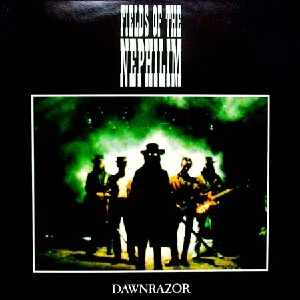
Dawnrazor, Fields of the Nephilim, 1987
Dawnrazor earns its place on any list of the best goth albums ever because it treats mood as structure, not decoration. The record is not just dark in the obvious sense. It builds a whole room around the listener, using bass weight, guitar texture, vocal distance, and drum sound to make the album feel like a physical space. For vinyl collectors, that matters. Goth is a genre where the sleeve, label, side break, and the ritual of turning the record over all amplify the music. This album rewards that ritual because the atmosphere accumulates across the LP rather than arriving as a handful of playlist tracks.
The useful hard facts also make it collectible. The original release appeared on Situation Two SITU 17, with production credited to Bill Buchanan and Fields of the Nephilim and recording tied to album-sleeve sources are the best place to confirm exact studio details. On the charts, it reached No. 62 on the UK Albums Chart; in the United States, it had no Billboard 200 placement. Its certification story is more modest than arena rock, with no major RIAA or BPI certification listed, but that is part of why goth vinyl can be interesting. Many key records were influential before they were massive sellers, so early copies often feel like documents of a scene before it hardened into canon. Essential tracks include Preacher Man, Power, Dawnrazor, The Sequel, which show how the record balances hooks, dread, theatricality, and restraint.
From a pressing perspective, the first thing to notice is how much the album depends on quiet surfaces. Goth records often use reverb tails, open bass space, and sudden dynamic shifts, so a noisy copy can flatten the effect fast. For this title, collectors usually start by looking for a UK Situation Two SITU 17 pressing with original inner sleeve. Clean jackets matter too, because goth cover art is rarely incidental. The best sleeves feel like part of the listening system, especially on 4AD, Factory, Merciful Release, and similar labels where typography and image choice were inseparable from the sound. If you buy online, ask for photos of the spine, inner sleeve, labels, and runout areas rather than trusting a single grade.
Why is it essential? Because it captures dusty western myth turned into gothic rock ritual. Some albums on this list are purer goth rock, some lean post-punk, deathrock, darkwave, or ethereal wave, but the genre has always been a network rather than a walled garden. This record belongs because later bands borrowed its production choices, its sense of negative space, or its drama. On a turntable, it also teaches you what goth does best: it makes the room feel different when the needle drops. That is the real collector test. If you lower the stylus and the lighting in your head changes, the record is doing its job.
-

God’s Own Medicine, The Mission, 1986
God’s Own Medicine earns its place on any list of the best goth albums ever because it treats mood as structure, not decoration. The record is not just dark in the obvious sense. It builds a whole room around the listener, using bass weight, guitar texture, vocal distance, and drum sound to make the album feel like a physical space. For vinyl collectors, that matters. Goth is a genre where the sleeve, label, side break, and the ritual of turning the record over all amplify the music. This album rewards that ritual because the atmosphere accumulates across the LP rather than arriving as a handful of playlist tracks.
The useful hard facts also make it collectible. The original release appeared on Mercury MERH 102, with production credited to Tim Palmer and The Mission and recording tied to Ridge Farm and Utopia are commonly associated with the album era. On the charts, it reached No. 14 on the UK Albums Chart; in the United States, it had no Billboard 200 placement. Its certification story is more modest than arena rock, with no major RIAA certification listed, but that is part of why goth vinyl can be interesting. Many key records were influential before they were massive sellers, so early copies often feel like documents of a scene before it hardened into canon. Essential tracks include Wasteland, Severina, Stay with Me, Garden of Delight, which show how the record balances hooks, dread, theatricality, and restraint.
From a pressing perspective, the first thing to notice is how much the album depends on quiet surfaces. Goth records often use reverb tails, open bass space, and sudden dynamic shifts, so a noisy copy can flatten the effect fast. For this title, collectors usually start by looking for a UK Mercury MERH 102 copy, especially with poster or original inner material. Clean jackets matter too, because goth cover art is rarely incidental. The best sleeves feel like part of the listening system, especially on 4AD, Factory, Merciful Release, and similar labels where typography and image choice were inseparable from the sound. If you buy online, ask for photos of the spine, inner sleeve, labels, and runout areas rather than trusting a single grade.
Why is it essential? Because it captures the widescreen, anthemic side of post-Sisters goth rock. Some albums on this list are purer goth rock, some lean post-punk, deathrock, darkwave, or ethereal wave, but the genre has always been a network rather than a walled garden. This record belongs because later bands borrowed its production choices, its sense of negative space, or its drama. On a turntable, it also teaches you what goth does best: it makes the room feel different when the needle drops. That is the real collector test. If you lower the stylus and the lighting in your head changes, the record is doing its job.
-

Floodland, The Sisters of Mercy, 1987
Floodland earns its place on any list of the best goth albums ever because it treats mood as structure, not decoration. The record is not just dark in the obvious sense. It builds a whole room around the listener, using bass weight, guitar texture, vocal distance, and drum sound to make the album feel like a physical space. For vinyl collectors, that matters. Goth is a genre where the sleeve, label, side break, and the ritual of turning the record over all amplify the music. This album rewards that ritual because the atmosphere accumulates across the LP rather than arriving as a handful of playlist tracks.
The useful hard facts also make it collectible. The original release appeared on Merciful Release MR 441L, with production credited to Andrew Eldritch, Larry Alexander, with Jim Steinman on selected tracks and recording tied to Power Station, New York, and additional sessions are commonly cited. On the charts, it reached No. 9 in the UK and No. 101 on the Billboard 200; in the United States, it had No. 101 on the Billboard 200. Its certification story is more modest than arena rock, with BPI Gold in the UK, but that is part of why goth vinyl can be interesting. Many key records were influential before they were massive sellers, so early copies often feel like documents of a scene before it hardened into canon. Essential tracks include Dominion, Lucretia My Reflection, This Corrosion, Flood II, which show how the record balances hooks, dread, theatricality, and restraint.
From a pressing perspective, the first thing to notice is how much the album depends on quiet surfaces. Goth records often use reverb tails, open bass space, and sudden dynamic shifts, so a noisy copy can flatten the effect fast. For this title, collectors usually start by looking for a UK Merciful Release MR 441L copy with sleeve and inner in excellent shape. Clean jackets matter too, because goth cover art is rarely incidental. The best sleeves feel like part of the listening system, especially on 4AD, Factory, Merciful Release, and similar labels where typography and image choice were inseparable from the sound. If you buy online, ask for photos of the spine, inner sleeve, labels, and runout areas rather than trusting a single grade.
Why is it essential? Because it captures goth as arena-scale drama without losing its black-clad core. Some albums on this list are purer goth rock, some lean post-punk, deathrock, darkwave, or ethereal wave, but the genre has always been a network rather than a walled garden. This record belongs because later bands borrowed its production choices, its sense of negative space, or its drama. On a turntable, it also teaches you what goth does best: it makes the room feel different when the needle drops. That is the real collector test. If you lower the stylus and the lighting in your head changes, the record is doing its job.
-

Phantasmagoria, The Damned, 1985
Phantasmagoria earns its place on any list of the best goth albums ever because it treats mood as structure, not decoration. The record is not just dark in the obvious sense. It builds a whole room around the listener, using bass weight, guitar texture, vocal distance, and drum sound to make the album feel like a physical space. For vinyl collectors, that matters. Goth is a genre where the sleeve, label, side break, and the ritual of turning the record over all amplify the music. This album rewards that ritual because the atmosphere accumulates across the LP rather than arriving as a handful of playlist tracks.
The useful hard facts also make it collectible. The original release appeared on MCA MCF 3275, with production credited to Jon Kelly and recording tied to Eel Pie and Utopia Studios are commonly cited. On the charts, it reached No. 11 on the UK Albums Chart; in the United States, it had no Billboard 200 placement. Its certification story is more modest than arena rock, with no major RIAA certification listed, but that is part of why goth vinyl can be interesting. Many key records were influential before they were massive sellers, so early copies often feel like documents of a scene before it hardened into canon. Essential tracks include Shadow of Love, Grimly Fiendish, Is It a Dream, Street of Dreams, which show how the record balances hooks, dread, theatricality, and restraint.
From a pressing perspective, the first thing to notice is how much the album depends on quiet surfaces. Goth records often use reverb tails, open bass space, and sudden dynamic shifts, so a noisy copy can flatten the effect fast. For this title, collectors usually start by looking for a UK MCA MCF 3275 original, watching closely for sleeve rub. Clean jackets matter too, because goth cover art is rarely incidental. The best sleeves feel like part of the listening system, especially on 4AD, Factory, Merciful Release, and similar labels where typography and image choice were inseparable from the sound. If you buy online, ask for photos of the spine, inner sleeve, labels, and runout areas rather than trusting a single grade.
Why is it essential? Because it captures a punk institution entering full gothic pop color. Some albums on this list are purer goth rock, some lean post-punk, deathrock, darkwave, or ethereal wave, but the genre has always been a network rather than a walled garden. This record belongs because later bands borrowed its production choices, its sense of negative space, or its drama. On a turntable, it also teaches you what goth does best: it makes the room feel different when the needle drops. That is the real collector test. If you lower the stylus and the lighting in your head changes, the record is doing its job.
-

Medusa, Clan of Xymox, 1986
Medusa earns its place on any list of the best goth albums ever because it treats mood as structure, not decoration. The record is not just dark in the obvious sense. It builds a whole room around the listener, using bass weight, guitar texture, vocal distance, and drum sound to make the album feel like a physical space. For vinyl collectors, that matters. Goth is a genre where the sleeve, label, side break, and the ritual of turning the record over all amplify the music. This album rewards that ritual because the atmosphere accumulates across the LP rather than arriving as a handful of playlist tracks.
The useful hard facts also make it collectible. The original release appeared on 4AD CAD 613, with production credited to John Fryer and Clan of Xymox and recording tied to 4AD-era studio sources vary, so confirm exact credits from the sleeve. On the charts, it reached no major UK or US album-chart hit; in the United States, it had no Billboard 200 placement. Its certification story is more modest than arena rock, with no major RIAA or BPI certification listed, but that is part of why goth vinyl can be interesting. Many key records were influential before they were massive sellers, so early copies often feel like documents of a scene before it hardened into canon. Essential tracks include Medusa, Michelle, Louise, Agonised by Love, Back Door, which show how the record balances hooks, dread, theatricality, and restraint.
From a pressing perspective, the first thing to notice is how much the album depends on quiet surfaces. Goth records often use reverb tails, open bass space, and sudden dynamic shifts, so a noisy copy can flatten the effect fast. For this title, collectors usually start by looking for a UK 4AD CAD 613 copy with original artwork and clean inner details. Clean jackets matter too, because goth cover art is rarely incidental. The best sleeves feel like part of the listening system, especially on 4AD, Factory, Merciful Release, and similar labels where typography and image choice were inseparable from the sound. If you buy online, ask for photos of the spine, inner sleeve, labels, and runout areas rather than trusting a single grade.
Why is it essential? Because it captures darkwave distilled into drum machines, icy guitars, and romantic gloom. Some albums on this list are purer goth rock, some lean post-punk, deathrock, darkwave, or ethereal wave, but the genre has always been a network rather than a walled garden. This record belongs because later bands borrowed its production choices, its sense of negative space, or its drama. On a turntable, it also teaches you what goth does best: it makes the room feel different when the needle drops. That is the real collector test. If you lower the stylus and the lighting in your head changes, the record is doing its job.
-
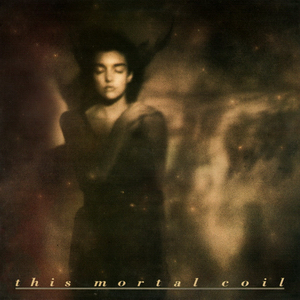
It’ll End in Tears, This Mortal Coil, 1984
It’ll End in Tears earns its place on any list of the best goth albums ever because it treats mood as structure, not decoration. The record is not just dark in the obvious sense. It builds a whole room around the listener, using bass weight, guitar texture, vocal distance, and drum sound to make the album feel like a physical space. For vinyl collectors, that matters. Goth is a genre where the sleeve, label, side break, and the ritual of turning the record over all amplify the music. This album rewards that ritual because the atmosphere accumulates across the LP rather than arriving as a handful of playlist tracks.
The useful hard facts also make it collectible. The original release appeared on 4AD CAD 411, with production credited to Ivo Watts-Russell and John Fryer and recording tied to Blackwing Studios, London. On the charts, it reached often cited around No. 38 in the UK; in the United States, it had no Billboard 200 placement. Its certification story is more modest than arena rock, with no major RIAA or BPI certification listed, but that is part of why goth vinyl can be interesting. Many key records were influential before they were massive sellers, so early copies often feel like documents of a scene before it hardened into canon. Essential tracks include Kangaroo, Song to the Siren, Holocaust, Another Day, which show how the record balances hooks, dread, theatricality, and restraint.
From a pressing perspective, the first thing to notice is how much the album depends on quiet surfaces. Goth records often use reverb tails, open bass space, and sudden dynamic shifts, so a noisy copy can flatten the effect fast. For this title, collectors usually start by looking for a UK 4AD CAD 411 copy, where sleeve condition is almost as important as the disc. Clean jackets matter too, because goth cover art is rarely incidental. The best sleeves feel like part of the listening system, especially on 4AD, Factory, Merciful Release, and similar labels where typography and image choice were inseparable from the sound. If you buy online, ask for photos of the spine, inner sleeve, labels, and runout areas rather than trusting a single grade.
Why is it essential? Because it captures the haunted 4AD compilation-album ideal becoming its own genre language. Some albums on this list are purer goth rock, some lean post-punk, deathrock, darkwave, or ethereal wave, but the genre has always been a network rather than a walled garden. This record belongs because later bands borrowed its production choices, its sense of negative space, or its drama. On a turntable, it also teaches you what goth does best: it makes the room feel different when the needle drops. That is the real collector test. If you lower the stylus and the lighting in your head changes, the record is doing its job.
What to buy first
If you are starting from zero, buy clean copies of Juju, In the Flat Field, First and Last and Always, Disintegration, and Closer first. That five-record starter shelf gives you the core map: jagged post-punk guitar, deathly minimalism, drum-machine gothic rock, mainstream grandeur, and the chilly architecture that inspired half the genre. After that, follow your taste. If you want romantic and massive, go to Floodland and The Mission. If you want ethereal, go to Cocteau Twins, Dead Can Dance, and This Mortal Coil. If you want raw Los Angeles deathrock, go directly to Christian Death.
Condition advice is simple: favor clean vinyl over hype stickers, avoid groove wear on records with quiet passages, and do not overpay for a dark sleeve with heavy ring wear unless the disc is exceptional. Goth records are visual objects, but they still have to play well.
Sources and further reading
- Wikipedia album pages and Wikimedia cover files
- Official Charts album search and artist pages
- RIAA Gold and Platinum database
- BPI certified awards database
- Discogs release and catalog-number listings
FAQ
What is the best goth album to start with on vinyl?
Start with Siouxsie and the Banshees, Juju. It is accessible, intense, beautifully paced, and central to the guitar vocabulary of gothic rock. If you already like The Cure, Disintegration is the easiest gateway.
Are original goth pressings better than reissues?
Not always. Originals carry collector value and period-correct packaging, but modern double-LP reissues can offer quieter vinyl and better groove spacing. For long albums like Disintegration, compare mastering notes rather than assuming the first press is automatically best.
Why are 4AD records so important to goth collectors?
4AD connected sound and design in a way few labels matched. Albums by Bauhaus, Cocteau Twins, Dead Can Dance, Clan of Xymox, and This Mortal Coil made sleeve art, typography, and atmosphere part of the collecting experience.
How should I track a growing goth vinyl collection?
Use a collection tracker that lets you record pressing, label, catalog number, condition, and listening history. What’s Spinning is useful because it focuses on vinyl listening and can help you remember what actually gets played, not only what sits on the shelf.
A spreadsheet tracks what you own. What's Spinning identifies what's playing.
On-device vinyl ID logs your listening history automatically. 7-day free trial.
Looking for Shazam for vinyl?
What's Spinning identifies what's playing on your turntable on-device, logs history, and AirPlays now-playing to your TV.
Comparing vinyl ID apps?
Analog requires Discogs and is iPhone-first (iPad coming). What's Spinning works without Discogs on iPhone and iPad with AirPlay.
Try What's Spinning Free
Turn your iPad into a live now-playing display. Track every record you spin.
START FREE TRIALThen $4.99/mo or $39.99/yr · Cancel anytime
Get it on your iPhone
Open on iPhone