Best Phono Preamps Under $200 for Better Vinyl Sound

The best phono preamp under $200 is the one that solves the specific weak link in your vinyl chain. A moving-magnet cartridge makes only a few millivolts of signal, so your receiver, powered speakers, or audio interface cannot treat it like a phone, DAC, or CD player. A phono stage has two jobs: add a lot of clean gain and apply RIAA equalization so the bass and treble come back into balance. Do those badly and records sound thin, noisy, boomy, dull, or strangely unstable. Do them well and the same turntable suddenly feels more confident.
This matters because vinyl is not a tiny side hobby anymore. Billboard's coverage of Luminate's 2024 year-end report noted that U.S. vinyl album sales increased by 4.3 percent in 2024, even as the broader listening world kept moving deeper into streaming. More people are buying records, and more of those records are being played through modern amps and powered speakers that often lack phono inputs. That is exactly where a sub-$200 phono stage becomes one of the highest-leverage upgrades in a collection.
For What's Spinning users, a better phono preamp also makes the whole ritual more satisfying. The app can track what is actually getting played on your turntable, but the listening chain still has to make those plays feel worthwhile. Spend the full budget only if the features fit your cartridge and room. If you run a basic MM cartridge, a quiet simple box may beat an overfeatured one. If you plan to try moving coil, buy flexibility now. If your speakers pump during warped records, pay attention to subsonic filtering.
Research for this guide used manufacturer product pages, published specs, and current vinyl-market reporting. Prices move, sales happen, and product lines change, so treat the dollar figures below as normal street-price guidance and verify before buying.
The best phono preamps under $200
-
Schiit Mani 2, Schiit Audio, $149
Best for: MM, MC, and MI cartridges.
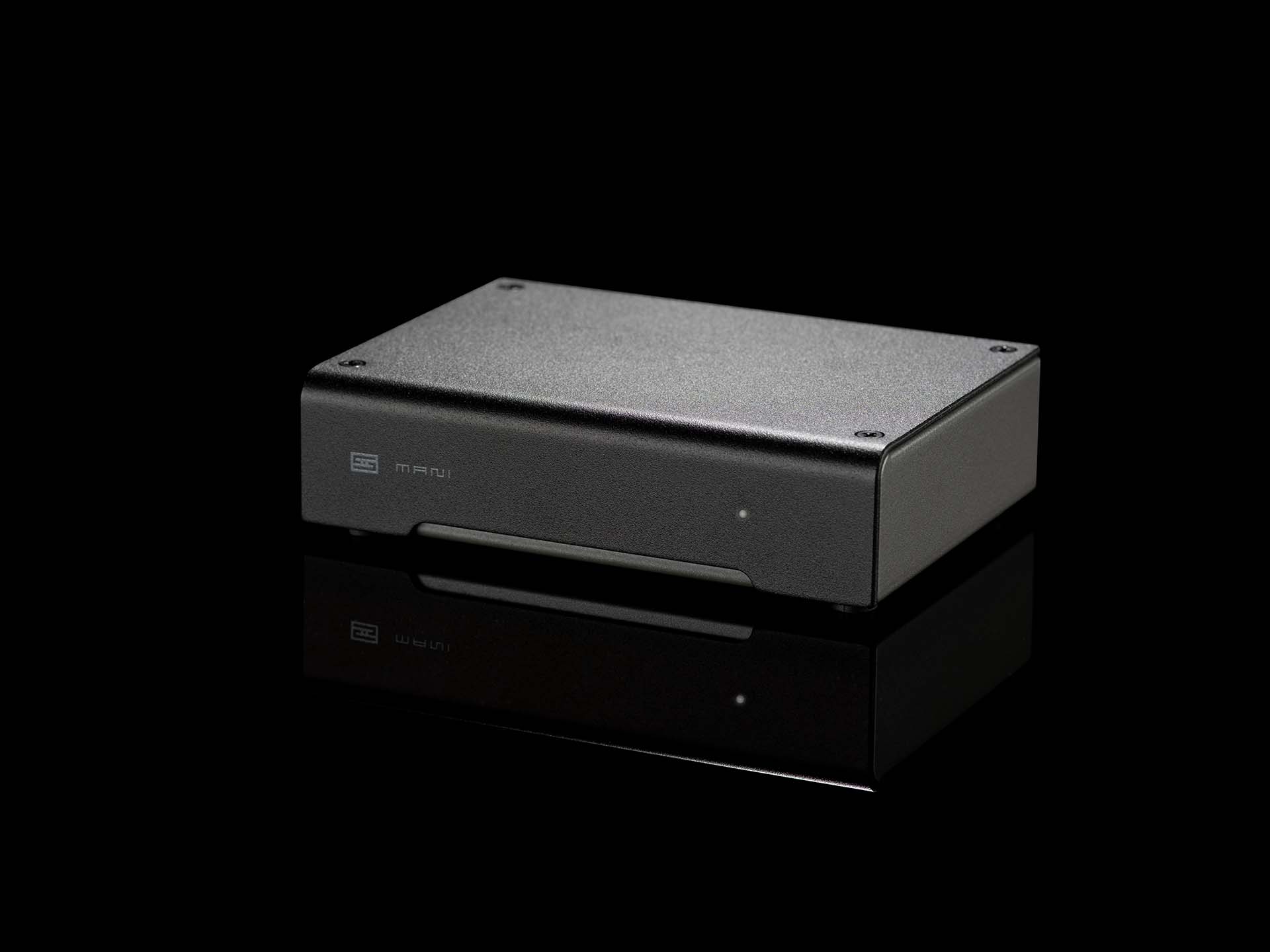
Schiit's Mani 2 is the budget pick for listeners who want one box that can grow with the cartridge drawer. The company describes it as an affordable phono stage with adjustable gain, loading, and low-frequency filtering, and that flexibility is the reason it keeps showing up in serious entry-level systems. Most sub-$200 preamps are moving-magnet only; Mani 2 gives you practical settings for MM, moving coil, and moving iron cartridges, so it is less likely to be outgrown when you move from an Audio-Technica VM95 or Ortofon 2M into a lower-output cart. The tradeoff is that the DIP switches live underneath, which is clean once configured but not as convenient if you constantly swap cartridges. For vinyl collectors, Mani 2 is the sensible middle path: quiet enough for revealing speakers, flexible enough for future upgrades, and still priced like a component rather than jewelry. Source.
-

U-Turn Pluto 2, U-Turn Audio, $129
Best for: MM cartridges.
U-Turn's Pluto 2 is the preamp I would hand to someone who wants better sound without turning the rack into a laboratory. The official product page calls it a low-noise moving-magnet phono preamp and highlights WIMA film capacitors, precision resistors, a metal enclosure, and an active subsonic filter. Those details matter because a phono stage is not only adding gain; it is undoing the RIAA curve while trying not to amplify hum, warp energy, and power-supply junk. Pluto 2 is deliberately simple: one RCA input, one RCA output, no cartridge loading menu, no tubes, no novelty lighting. That makes it a very good match for common MM cartridges and turntables that either lack a built-in phono stage or include one you want to bypass. If your record shelf is growing faster than your patience for settings, this is the clean, unfussy answer. Source.
-

iFi Zen Air Phono, iFi Audio, about $99
Best for: MM and MC cartridges.
iFi's Zen Air Phono is unusually ambitious for the money because it supports both moving-magnet and moving-coil cartridges. The company says the MM setting is intended for cartridges with output voltage of 2 mV and higher, while the MC setting is for lower-output designs, and it also promotes its in-house subsonic filtering to reduce rumble without leaning on a blunt bass cut. The plastic case is less luxurious than the metal boxes from Schiit, U-Turn, or Pro-Ject, but the circuit priorities are collector-friendly: low noise, useful cartridge compatibility, and real attention to the problems vinyl creates below the music band. This is a smart pick if you might experiment with high-output or entry-level moving coil carts later, or if you have a suspended floor and warped records that make woofers pump. It is also one of the better values for listeners who want options without spending the entire upgrade budget before buying records. Source.
-
Pro-Ject Phono Box MM, Pro-Ject, often under $100
Best for: MM and high-output MC cartridges.
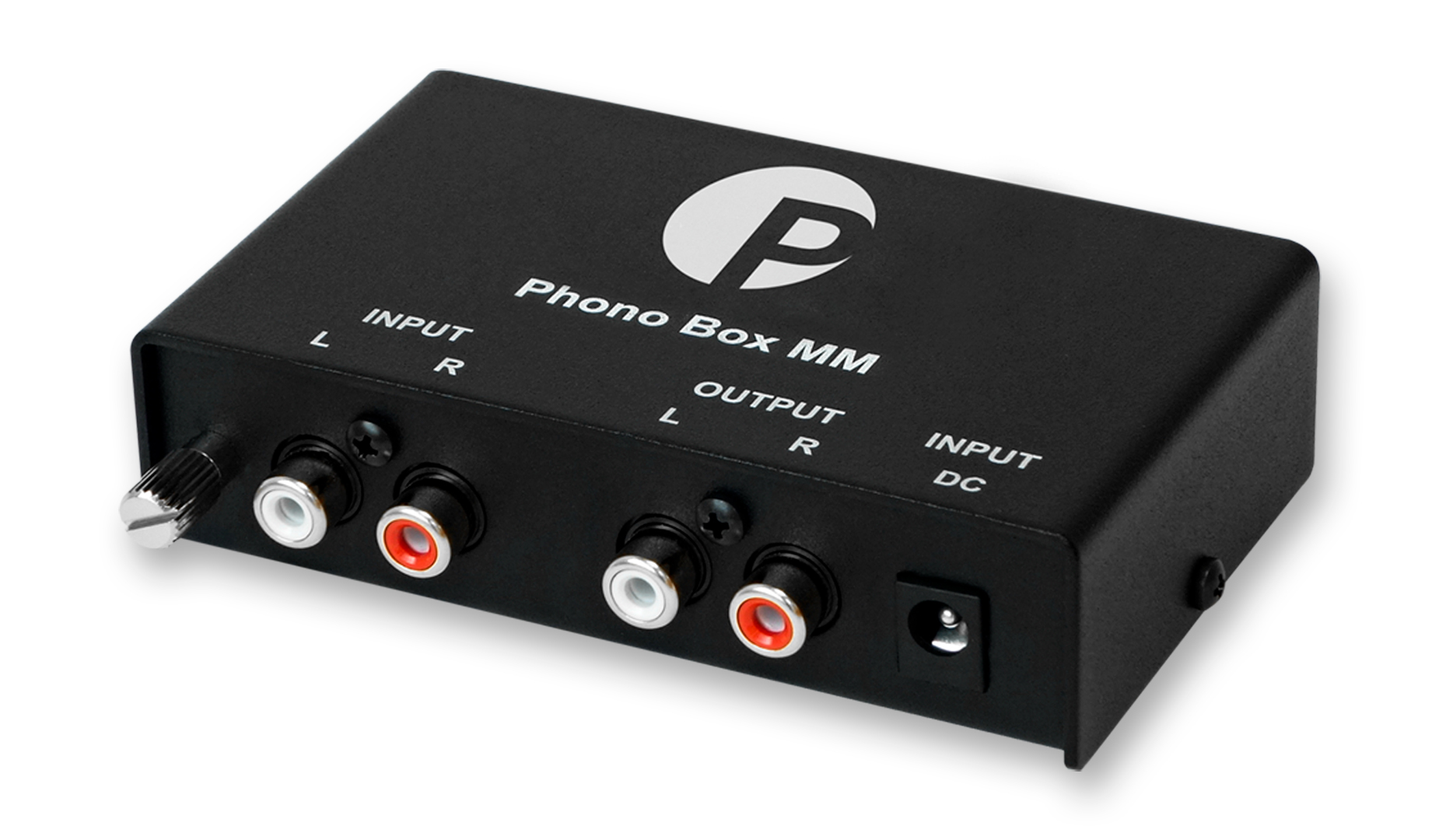
Pro-Ject has sold enough entry-level turntables to understand the exact problem this box solves: a decent deck feeding an amp that has no phono input. The Phono Box MM page lists 47 kOhm input impedance, 120 pF capacitance, 40 dB gain, and a metal case that shields the electronics from vibration and electromagnetic interference. Those are not glamorous specs, but they are the right specs for mainstream moving-magnet cartridges. The useful collector angle is compatibility. If your setup is built around an Ortofon 2M Red, Sumiko Rainier, Audio-Technica VM95, Nagaoka MP-110, or similar MM design, this preamp is meant to get out of the way. It is not the most tweakable choice here, and it is not the one for low-output MC experiments. Its appeal is steadiness: the RIAA equalization, gain level, and shielding are all aimed at making ordinary records sound clean and balanced through ordinary line-level inputs. Source.
-
Rega Fono Mini A2D MK2, Rega, about $175
Best for: MM cartridges.
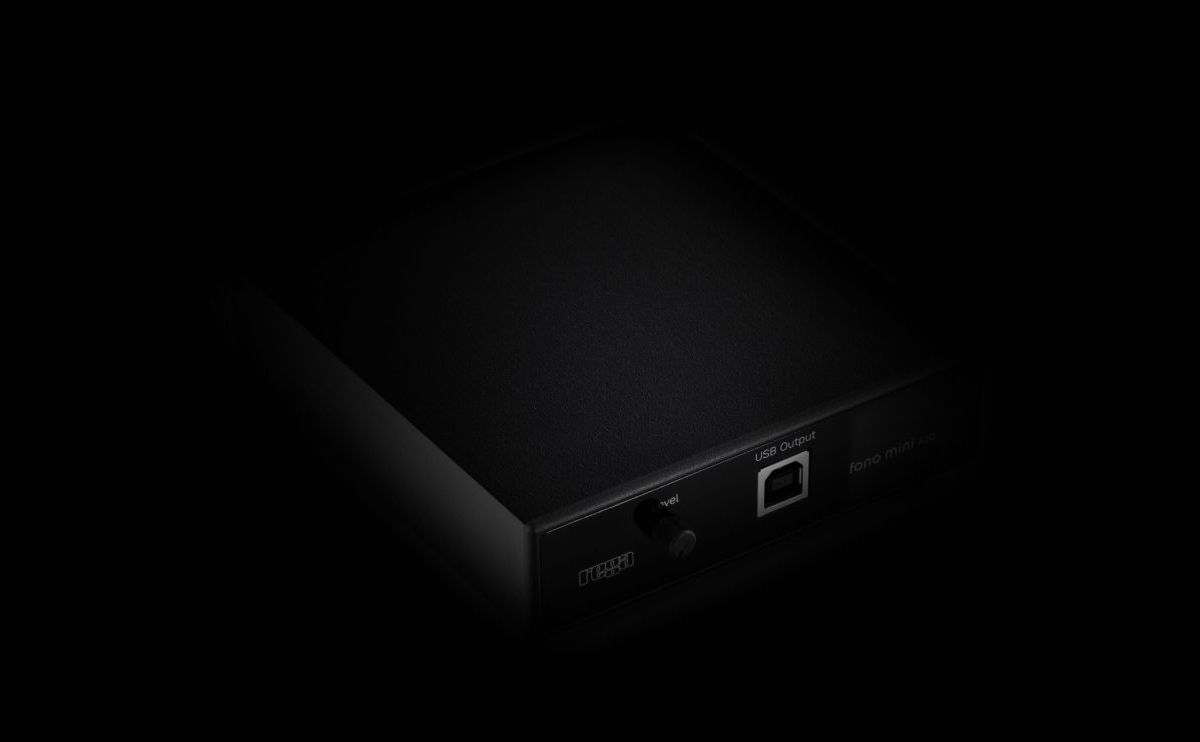
Rega's Fono Mini A2D MK2 has one feature many budget phono stages ignore: USB output. Rega describes it as a compact moving-magnet disc stage based on its award-winning Fono MM circuit, with an added USB interface for transferring records to a computer. That makes it especially useful for collectors who buy used LPs, clean them, and want to archive rare singles, local pressings, inherited records, or needledrop comparisons. The front and back panels are plain, but the job is specific: MM cartridge in, line-level out, and optional digital capture when you need it. If you only want the quietest analog box, there are stronger value arguments elsewhere. If digitizing is part of your vinyl life, the Rega earns its spot because it avoids the weakest version of this workflow, which is relying on a mystery built-in USB circuit inside a cheap turntable. It is compact, practical, and nicely aligned with real collector habits. Source.
-

Fluance PA10, Fluance, $99.99
Best for: MM cartridges.
The Fluance PA10 is an easy recommendation if your system already includes a Fluance RT82, RT83, RT84, or RT85, but it is not limited to that ecosystem. Fluance positions it as a high-fidelity MM phono preamp with RIAA equalization, a low-noise power supply, metal shielding, individual left and right channel op amps, and a low-frequency rolloff below 20 Hz to reduce subsonic feedback. That last point is useful in real rooms, especially when a turntable sits near speakers or on furniture that transmits footfalls. The PA10 is not trying to be a cartridge-loading playground. It is trying to replace weak built-in phono stages and keep the signal path straightforward. The price also leaves room for the less glamorous upgrades that often matter more, like a better stylus, a wall shelf, a carbon brush, or inner sleeves that do not scuff the records you just cleaned. Source.
-

Fosi Audio Box X2, Fosi Audio, $69.99
Best for: MM cartridges.
The Box X2 is the budget tube-flavored option, and it should be understood on those terms. Fosi describes it as an MM phono preamp with tube output stage styling and four output-level settings, not as a purist laboratory reference. That makes it attractive for listeners who find their current setup a little thin or clinical and want a warmer presentation without spending hundreds. The caution is that tubes at this price are partly about flavor and ownership experience. They can be fun, and rolling compatible tubes can become its own miniature hobby, but the extra circuitry also adds more variables than a simple solid-state box. For a first serious vinyl system, I would choose the Box X2 when the goal is enjoyment, not measurement bragging rights. It pairs well with budget turntables and powered speakers, and it gives a new collector a tangible sense that the phono stage is shaping the chain rather than hiding in it. Source.
-

Fosi Audio Box X5, Fosi Audio, $104.99 to $109.99
Best for: MM cartridges.
Fosi's Box X5 keeps the low-cost spirit of the Box X2 but moves toward a more feature-forward solid-state design. Its product page positions it as an MM turntable phono preamplifier with compact footprint, RCA output, and 3.5 mm auxiliary support. The price usually sits around the low hundred-dollar range, so it competes directly with the U-Turn Pluto 2 and Fluance PA10. The reason to consider it is convenience. If your setup is small, desktop-based, or built around powered speakers, the extra connection options can matter more than audiophile minimalism. The reason to hesitate is that Fosi's catalog changes quickly and product pages can be less stable than legacy hi-fi brands, so collectors who value long-term support may prefer Schiit, Pro-Ject, Rega, or U-Turn. Still, for a flexible budget system, the Box X5 is a legitimate contender, especially when the rest of the chain is modest and the goal is an audible improvement over a noisy built-in stage. Source.
-

Fosi Audio Box X1, Fosi Audio, $39.99
Best for: MM cartridges.
The Box X1 is the cheapest Fosi pick here, and its best use is rescuing a system that currently has no phono stage at all. The official page describes it as an MM phono preamp that converts phono signals and includes a 3.5 mm headphone output, which makes it practical for apartments, dorm rooms, and small desks. Nobody should buy a $40 phono stage expecting it to expose the full depth of a great Blue Note pressing. The better question is whether it gets a basic moving-magnet turntable into a clean enough line-level signal for powered speakers or an amp. On that narrow assignment, it makes sense. I would avoid it for cartridges or speakers that already reveal noise easily, but I like it as a starter component for someone who is choosing between buying one more record and buying a preamp. Sometimes the right budget move is the one that lets the turntable play tonight. Source.
-

Emotiva XPS-1, Emotiva, $129
Best for: MM and MC cartridges.
Emotiva's XPS-1 is another sub-$200 preamp that takes cartridge flexibility seriously. Emotiva says it supports both moving-coil and moving-magnet cartridges and emphasizes very low noise, low distortion, and accurate RIAA equalization. That combination is important because moving-coil gain can punish a noisy circuit fast. Even if you stay with MM for years, the XPS-1 has a certain upgrade insurance built into it. The casework is also more hi-fi component than gadget, which helps if the preamp will be visible in a full-size rack. The strongest buyer is someone who already likes Emotiva's value-first gear philosophy and wants a phono stage that will not look silly next to an integrated amp or separate preamp. It is not as internet-famous as the Schiit Mani 2, but it belongs in the same conversation for listeners who want a quiet, serious, cartridge-flexible box without crossing the $200 line. Source.
-

Music Hall Mini Plus, Music Hall, typically under $200
Best for: MM cartridges.
Music Hall's Mini Plus is a compact MM phono preamp with a refreshingly direct purpose: put a real phono stage between a turntable and a line input without making setup complicated. Music Hall has long lived in the practical turntable world, so this is not a lifestyle cube pretending vinyl is magic. It is a small, affordable correction stage for the cartridge most people actually use. The appeal is strongest in systems built around simple belt-drive turntables and integrated amplifiers that either lack phono input or include a dull one. It is also a good used-market target, because small phono boxes often survive system upgrades and show up in excellent condition. The Mini Plus is not the most exciting recommendation in the list, but not every component needs to be exciting. A good budget phono preamp should lower noise, keep tonal balance believable, and let record condition, mastering, and cartridge setup become the obvious variables. This one does that without theatrics. Source.
-
Rolls VP29, Rolls, about $69
Best for: MM cartridges.
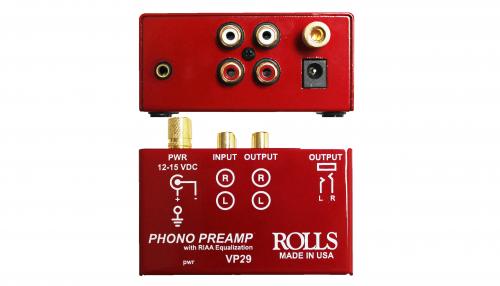
The Rolls VP29 is the utility knife of this group. Rolls lists 42 dB gain at 1 kHz, 47 kOhm input impedance, 120 pF input capacitance, frequency response conforming to the RIAA curve, THD of 0.01 percent at 1 kHz, and a signal-to-noise ratio above 83 dB unweighted. It also includes RCA outputs plus a 3.5 mm stereo output, which makes it handy for oddball setups, compact receivers, and powered speaker rigs. The VP29 does not have the boutique aura of Schiit or Rega, but Rolls has a long history in practical audio boxes for musicians, installers, and working systems. That shows here. It is small, simple, and built around known MM loading values rather than fashion. Buy it when the job is specific and the budget is real: a turntable needs to feed an aux input cleanly, the box needs to fit almost anywhere, and the owner would rather spend the difference on records. Source.
-
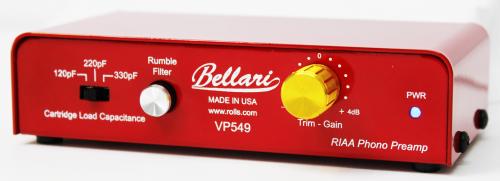
Rolls VP549 MK2, Rolls, about $119
Best for: MM cartridges.
The VP549 MK2 is the sleeper choice for collectors who listen on headphones as often as speakers. Rolls lists selectable output settings, a headphone output, 47 kOhm input impedance, RIAA equalization within plus or minus 1 dB from 14 Hz to 23 kHz, a 20 Hz rumble filter, THD of 0.005 percent at 1 kHz, and signal-to-noise ratio above 94 dB unweighted. Those are unusually specific specs for a small budget box, and the headphone feature makes it more than a basic phono converter. If your turntable lives in a room where late-night listening is common, this can be a clean solution without adding a separate headphone amp immediately. It is still MM-focused, so do not buy it for low-output MC cartridges. Buy it because it solves the common vinyl-apartment problem: you want to hear records without waking the house, but you still want a normal RCA output for the main system when everyone is awake. Source.
-

Pyle PP444, Pyle, $21.99
Best for: MM cartridges.
The Pyle PP444 is not the best phono preamp here in absolute sound quality, but it is worth naming because it answers a very common beginner problem for almost no money. Pyle describes it as a compact phono preamp that brings a phono-level turntable signal up to line level for a receiver, amplifier, or other equipment. At around twenty dollars, expectations need to be fair. The PP444 is the emergency bridge, not the destination. It is useful if you inherited a turntable, found out your modern receiver has no phono input, and need to confirm the cartridge, cables, and records are working before spending more. Once the system is stable, upgrading to a Pluto 2, Mani 2, PA10, or Pro-Ject will usually bring lower noise and more believable tone. Still, a functioning $22 bridge can be the difference between a silent turntable and a Saturday afternoon of records, and that has value. Source.
-

ART DJPREII, ART Pro Audio, about $66
Best for: MM cartridges.
ART's DJPREII has been a budget favorite for years because it gives new vinyl listeners more control than most ultra-cheap phono boxes. It is a moving-magnet phono preamp with selectable input capacitance, a low-cut filter, and a gain trim, features that can help when a cartridge sounds too bright, a record is warped, or a receiver input is easy to overload. The styling is very pro-audio, complete with a bright front panel, so it will not visually disappear into a minimalist living room. That is also part of the charm. ART makes practical boxes for working audio situations, and the DJPREII feels closer to a tool than a luxury accessory. If your collection includes used records in mixed condition, the low-cut filter and gain control can be genuinely useful. It is a great choice for tinkerers who want to hear how small phono-stage settings change the behavior of the whole vinyl chain. Source.
What to buy first
If you want the safest all-around answer, start with the Schiit Mani 2. It is quiet, flexible, and ready for the most cartridge changes under $200. If your system is moving-magnet only and you want a clean set-and-forget box, choose the U-Turn Pluto 2 or Fluance PA10. If USB archiving matters, the Rega Fono Mini A2D MK2 is the obvious short list. If you want moving-coil compatibility without spending more, compare the iFi Zen Air Phono and Emotiva XPS-1.
Do not ignore the boring parts. Keep the phono preamp away from power bricks, Wi-Fi routers, and large transformers. Use short, decent RCA cables. Attach the ground wire if your turntable has one. Make sure the cartridge is aligned and the tracking force is correct before blaming the preamp for distortion. A great phono stage cannot fix a worn stylus, a badly warped record, or a cartridge loaded wildly outside its comfort zone.
Research notes and citations
- Billboard coverage of Luminate's 2024 year-end report: U.S. vinyl album sales increased 4.3 percent in 2024.
- Schiit Mani 2 product page: Adjustable gain, loading, and low-frequency filtering for MM, MC, and MI cartridges.
- U-Turn Pluto 2 product page: Low-noise MM preamp with WIMA capacitors, precision resistors, metal enclosure, and active subsonic filter.
- iFi Zen Air Phono product page: Supports MM and MC cartridges, with MM intended for 2 mV and higher output cartridges.
- Pro-Ject Phono Box MM product page: 47 kOhm input impedance, 120 pF capacitance, 40 dB gain, and RIAA equalization.
- Rega Fono Mini A2D product page: Moving-magnet phono stage with USB interface for transferring vinyl to a computer.
- Rolls VP29 and VP549 specification pages: Published gain, impedance, RIAA, THD, and signal-to-noise specifications.
FAQ
What does a phono preamp actually do?
A phono preamp boosts the tiny signal from a turntable cartridge up to line level and applies RIAA equalization, which restores the bass and treble balance used when records are cut.
Do I need a phono preamp if my turntable has one built in?
Not always. Built-in stages are convenient, but an external preamp can lower noise, improve dynamics, and give you better cartridge matching. If your turntable lets you bypass the built-in stage, it is worth trying.
Is the best phono preamp under $200 enough for moving-coil cartridges?
Sometimes. Schiit Mani 2, iFi Zen Air Phono, and Emotiva XPS-1 support moving-coil cartridges, but very low-output MC designs still benefit from careful gain and loading matching.
Should I upgrade the cartridge or the phono preamp first?
If your current phono stage is noisy or mismatched, upgrade the preamp first. If the preamp is competent and quiet, a stylus or cartridge upgrade may make a larger difference.
A spreadsheet tracks what you own. What's Spinning identifies what's playing.
On-device vinyl ID logs your listening history automatically. 7-day free trial.
Looking for Shazam for vinyl?
What's Spinning identifies what's playing on your turntable on-device, logs history, and AirPlays now-playing to your TV.
Comparing vinyl ID apps?
Analog requires Discogs and is iPhone-first (iPad coming). What's Spinning works without Discogs on iPhone and iPad with AirPlay.
Try What's Spinning Free
Turn your iPad into a live now-playing display. Track every record you spin.
START FREE TRIALThen $4.99/mo or $39.99/yr · Cancel anytime
Get it on your iPhone
Open on iPhone