Best Vinyl Pressings Ever Made

Ask ten record collectors to name the best vinyl pressings ever made and you will get fifteen arguments before the coffee cools. That is part of the fun. Vinyl collecting is not only about albums, it is about versions: the country of origin, the lacquer cut, the mastering chain, the vinyl compound, the side length, the jacket, the insert, and the condition of the exact copy in your hands.
This guide is built for listeners who care about the practical side of collecting. I looked at albums with major cultural weight, strong chart or certification stories, documented vinyl reputations, and pressings that routinely come up in collector conversations, from original Blue Note and Columbia-era jazz ideals to modern UHQR, Mobile Fidelity, Analogue Productions, and respected all-analog reissues. The goal is not to crown one expensive box set as magic. The goal is to explain why certain records become reference copies, why collectors chase them, and what to listen for when you put the needle down.
One important caveat: “best” does not always mean “original.” A clean first pressing can be historically thrilling, but a later audiophile cut can beat it for quiet surfaces, bass control, or inner-groove behavior. Buy for the way you listen, not just for the way a listing looks.
The 15 best vinyl pressings ever made, and why collectors care
-

1. Kind of Blue, Miles Davis, 1959
The phrase best vinyl pressings ever made can mean a few different things. Sometimes it means the rarest first pressing. Sometimes it means the version with the quietest surfaces, the widest groove spacing, or the mastering engineer who finally made the tape breathe. For Kind of Blue, the conversation centers on Classic Records 200 gram Quiex SV-P and Analogue Productions UHQR 45 rpm editions. That specificity matters. A famous album is not automatically a great vinyl object, and an expensive pressing is not automatically the one you should buy. The best copies earn their reputation by making the record’s musical argument clearer, more physical, and easier to live with over repeated plays.
The release history gives collectors a useful anchor. Kind of Blue first appeared as original Columbia CL 1355 in mono and CS 8163 in stereo, with production credited to Irving Townsend with recording by Fred Plaut and recording tied to Columbia 30th Street Studio in New York on March 2 and April 22, 1959. Commercially, It became the canonical jazz LP rather than a short-term pop-chart monster, later reaching RIAA 5x Platinum status in the United States. Those numbers explain why the album is always in circulation, but they do not explain why vinyl listeners keep comparing copies. The reason is sonic. This is a record where the quiet spaces around the horn lines, the natural room tone, and the bass definition make pressing quality obvious within seconds. On a revealing turntable, those details stop being trivia and become the difference between a copy you admire and a copy you keep pulling from the shelf.
From a collecting perspective, the smartest approach is to separate historical value from playback value. Collectors compare six-eye Columbia originals, Classic Records cuts by Bernie Grundman, and the Analogue Productions UHQR box, with sealed UHQR copies often trading far above standard reissue prices. That is why serious buyers study runout inscriptions, pressing plants, label variations, mastering credits, and whether a reissue was cut at 33 or 45 rpm. A 45 rpm edition can lower distortion and open up the groove, but it also changes the listening ritual because you flip sides more often. A first pressing can feel magical, but only if the vinyl is not chewed up by decades of heavy play. Condition, source, and mastering all have to line up.
Essential tracks for evaluating a copy include So What, Freddie Freeloader, Blue in Green, All Blues, Flamenco Sketches. Listen for vocal stability, cymbal texture, bass pitch, and whether dense sections collapse when the music gets loud. If a pressing keeps the center image locked, the low end tuneful, and the quiet passages genuinely quiet, it belongs in the top tier. That is the bigger lesson behind this list: great pressings do not merely sound impressive for thirty seconds. They make a complete side feel inevitable. For collectors using a listening log or an automatic vinyl tracker like What’s Spinning, these are the records worth noting by exact pressing, not just by album title.
-

2. The Dark Side of the Moon, Pink Floyd, 1973
The phrase best vinyl pressings ever made can mean a few different things. Sometimes it means the rarest first pressing. Sometimes it means the version with the quietest surfaces, the widest groove spacing, or the mastering engineer who finally made the tape breathe. For The Dark Side of the Moon, the conversation centers on UK first press Harvest SHVL 804, early Japanese Pro-Use, Mobile Fidelity half-speed, and 30th Anniversary Kevin Gray cut. That specificity matters. A famous album is not automatically a great vinyl object, and an expensive pressing is not automatically the one you should buy. The best copies earn their reputation by making the record’s musical argument clearer, more physical, and easier to live with over repeated plays.
The release history gives collectors a useful anchor. The Dark Side of the Moon first appeared as original UK Harvest SHVL 804 with solid blue triangle labels, with production credited to Pink Floyd, engineered by Alan Parsons and recording tied to Abbey Road Studios in London between 1972 and 1973. Commercially, It reached No. 1 on the Billboard 200 and spent more than 900 weeks on that chart across its lifetime, with RIAA 15x Platinum certification. Those numbers explain why the album is always in circulation, but they do not explain why vinyl listeners keep comparing copies. The reason is sonic. This is a record where the album is a torture test for clocks, cash-register effects, deep synth pulses, and transitions that should feel seamless across a side. On a revealing turntable, those details stop being trivia and become the difference between a copy you admire and a copy you keep pulling from the shelf.
From a collecting perspective, the smartest approach is to separate historical value from playback value. The solid blue triangle UK original is the trophy copy, while audiophile buyers also chase clean 30th Anniversary and Mobile Fidelity editions for quieter surfaces. That is why serious buyers study runout inscriptions, pressing plants, label variations, mastering credits, and whether a reissue was cut at 33 or 45 rpm. A 45 rpm edition can lower distortion and open up the groove, but it also changes the listening ritual because you flip sides more often. A first pressing can feel magical, but only if the vinyl is not chewed up by decades of heavy play. Condition, source, and mastering all have to line up.
Essential tracks for evaluating a copy include Time, Money, Us and Them, Brain Damage, Eclipse. Listen for vocal stability, cymbal texture, bass pitch, and whether dense sections collapse when the music gets loud. If a pressing keeps the center image locked, the low end tuneful, and the quiet passages genuinely quiet, it belongs in the top tier. That is the bigger lesson behind this list: great pressings do not merely sound impressive for thirty seconds. They make a complete side feel inevitable. For collectors using a listening log or an automatic vinyl tracker like What’s Spinning, these are the records worth noting by exact pressing, not just by album title.
-
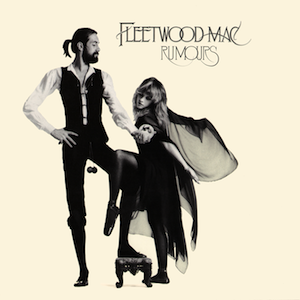
3. Rumours, Fleetwood Mac, 1977
The phrase best vinyl pressings ever made can mean a few different things. Sometimes it means the rarest first pressing. Sometimes it means the version with the quietest surfaces, the widest groove spacing, or the mastering engineer who finally made the tape breathe. For Rumours, the conversation centers on 45 rpm audiophile reissue mastered by Steve Hoffman and Kevin Gray plus clean early Warner Bros. palm-tree originals. That specificity matters. A famous album is not automatically a great vinyl object, and an expensive pressing is not automatically the one you should buy. The best copies earn their reputation by making the record’s musical argument clearer, more physical, and easier to live with over repeated plays.
The release history gives collectors a useful anchor. Rumours first appeared as Warner Bros. BSK 3010 for the original US LP, with production credited to Fleetwood Mac with Ken Caillat and Richard Dashut and recording tied to Record Plant in Sausalito, Wally Heider Studios in Los Angeles, and other California rooms. Commercially, It spent 31 nonconsecutive weeks at No. 1 on the Billboard 200, won the Grammy for Album of the Year, and is certified 21x Platinum by the RIAA. Those numbers explain why the album is always in circulation, but they do not explain why vinyl listeners keep comparing copies. The reason is sonic. This is a record where its layered harmonies, dry drum punch, and acoustic textures reward a pressing that keeps the band human instead of glossy. On a revealing turntable, those details stop being trivia and become the difference between a copy you admire and a copy you keep pulling from the shelf.
From a collecting perspective, the smartest approach is to separate historical value from playback value. Collectors prize the Hoffman and Gray 45 rpm cut for vocal body and separation, while early US copies with the textured sleeve remain affordable if found clean. That is why serious buyers study runout inscriptions, pressing plants, label variations, mastering credits, and whether a reissue was cut at 33 or 45 rpm. A 45 rpm edition can lower distortion and open up the groove, but it also changes the listening ritual because you flip sides more often. A first pressing can feel magical, but only if the vinyl is not chewed up by decades of heavy play. Condition, source, and mastering all have to line up.
Essential tracks for evaluating a copy include Dreams, Go Your Own Way, The Chain, Gold Dust Woman, Second Hand News. Listen for vocal stability, cymbal texture, bass pitch, and whether dense sections collapse when the music gets loud. If a pressing keeps the center image locked, the low end tuneful, and the quiet passages genuinely quiet, it belongs in the top tier. That is the bigger lesson behind this list: great pressings do not merely sound impressive for thirty seconds. They make a complete side feel inevitable. For collectors using a listening log or an automatic vinyl tracker like What’s Spinning, these are the records worth noting by exact pressing, not just by album title.
-

4. Abbey Road, The Beatles, 1969
The phrase best vinyl pressings ever made can mean a few different things. Sometimes it means the rarest first pressing. Sometimes it means the version with the quietest surfaces, the widest groove spacing, or the mastering engineer who finally made the tape breathe. For Abbey Road, the conversation centers on UK Apple PCS 7088 first press and later respected all-analog cuts. That specificity matters. A famous album is not automatically a great vinyl object, and an expensive pressing is not automatically the one you should buy. The best copies earn their reputation by making the record’s musical argument clearer, more physical, and easier to live with over repeated plays.
The release history gives collectors a useful anchor. Abbey Road first appeared as original UK Apple PCS 7088 with YEX 749 and YEX 750 matrices, with production credited to George Martin and recording tied to EMI Studios, Olympic, and Trident in London. Commercially, It topped the UK Albums Chart and the Billboard 200, and the RIAA lists it at 12x Platinum in the United States. Those numbers explain why the album is always in circulation, but they do not explain why vinyl listeners keep comparing copies. The reason is sonic. This is a record where the low end, vocal blend, Moog textures, and famous medley reveal whether a pressing can stay full without becoming congested. On a revealing turntable, those details stop being trivia and become the difference between a copy you admire and a copy you keep pulling from the shelf.
From a collecting perspective, the smartest approach is to separate historical value from playback value. The aligned Apple logo sleeve and early UK matrix combinations matter to serious collectors, but many later UK and Japanese copies are bought for sound rather than scarcity. That is why serious buyers study runout inscriptions, pressing plants, label variations, mastering credits, and whether a reissue was cut at 33 or 45 rpm. A 45 rpm edition can lower distortion and open up the groove, but it also changes the listening ritual because you flip sides more often. A first pressing can feel magical, but only if the vinyl is not chewed up by decades of heavy play. Condition, source, and mastering all have to line up.
Essential tracks for evaluating a copy include Come Together, Something, Here Comes the Sun, I Want You, the side two medley. Listen for vocal stability, cymbal texture, bass pitch, and whether dense sections collapse when the music gets loud. If a pressing keeps the center image locked, the low end tuneful, and the quiet passages genuinely quiet, it belongs in the top tier. That is the bigger lesson behind this list: great pressings do not merely sound impressive for thirty seconds. They make a complete side feel inevitable. For collectors using a listening log or an automatic vinyl tracker like What’s Spinning, these are the records worth noting by exact pressing, not just by album title.
-

5. A Love Supreme, John Coltrane, 1965
The phrase best vinyl pressings ever made can mean a few different things. Sometimes it means the rarest first pressing. Sometimes it means the version with the quietest surfaces, the widest groove spacing, or the mastering engineer who finally made the tape breathe. For A Love Supreme, the conversation centers on Analogue Productions Impulse 45 rpm and Acoustic Sounds Series editions, plus original orange-and-black Impulse copies. That specificity matters. A famous album is not automatically a great vinyl object, and an expensive pressing is not automatically the one you should buy. The best copies earn their reputation by making the record’s musical argument clearer, more physical, and easier to live with over repeated plays.
The release history gives collectors a useful anchor. A Love Supreme first appeared as Impulse A-77 for the original release, with production credited to Bob Thiele, engineered by Rudy Van Gelder and recording tied to Van Gelder Studio in Englewood Cliffs, New Jersey, December 9, 1964. Commercially, It became one of jazz history’s best-known spiritual statements and is certified Gold by the RIAA. Those numbers explain why the album is always in circulation, but they do not explain why vinyl listeners keep comparing copies. The reason is sonic. This is a record where McCoy Tyner’s piano, Elvin Jones’s cymbals, Jimmy Garrison’s bass, and Coltrane’s tenor need space and top-end grace. On a revealing turntable, those details stop being trivia and become the difference between a copy you admire and a copy you keep pulling from the shelf.
From a collecting perspective, the smartest approach is to separate historical value from playback value. Original Impulse copies with clean gatefolds are expensive, while the Analogue Productions 45 rpm version is a practical reference pressing for many jazz systems. That is why serious buyers study runout inscriptions, pressing plants, label variations, mastering credits, and whether a reissue was cut at 33 or 45 rpm. A 45 rpm edition can lower distortion and open up the groove, but it also changes the listening ritual because you flip sides more often. A first pressing can feel magical, but only if the vinyl is not chewed up by decades of heavy play. Condition, source, and mastering all have to line up.
Essential tracks for evaluating a copy include Acknowledgement, Resolution, Pursuance, Psalm. Listen for vocal stability, cymbal texture, bass pitch, and whether dense sections collapse when the music gets loud. If a pressing keeps the center image locked, the low end tuneful, and the quiet passages genuinely quiet, it belongs in the top tier. That is the bigger lesson behind this list: great pressings do not merely sound impressive for thirty seconds. They make a complete side feel inevitable. For collectors using a listening log or an automatic vinyl tracker like What’s Spinning, these are the records worth noting by exact pressing, not just by album title.
-
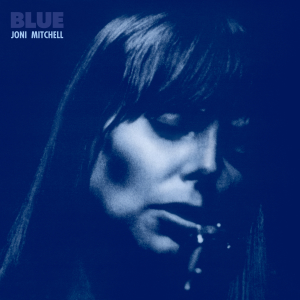
6. Blue, Joni Mitchell, 1971
The phrase best vinyl pressings ever made can mean a few different things. Sometimes it means the rarest first pressing. Sometimes it means the version with the quietest surfaces, the widest groove spacing, or the mastering engineer who finally made the tape breathe. For Blue, the conversation centers on DCC Compact Classics LP mastered by Steve Hoffman and Kevin Gray, plus early Reprise originals. That specificity matters. A famous album is not automatically a great vinyl object, and an expensive pressing is not automatically the one you should buy. The best copies earn their reputation by making the record’s musical argument clearer, more physical, and easier to live with over repeated plays.
The release history gives collectors a useful anchor. Blue first appeared as Reprise MS 2038 in the United States, with production credited to Joni Mitchell and recording tied to A&M Studios in Hollywood. Commercially, It reached No. 15 on the Billboard 200 and No. 3 in the UK, and is RIAA Platinum in the United States. Those numbers explain why the album is always in circulation, but they do not explain why vinyl listeners keep comparing copies. The reason is sonic. This is a record where sibilance, piano decay, and close-miked vocal emotion expose bright mastering or worn grooves quickly. On a revealing turntable, those details stop being trivia and become the difference between a copy you admire and a copy you keep pulling from the shelf.
From a collecting perspective, the smartest approach is to separate historical value from playback value. The DCC LP is a known audiophile grail because it presents the voice and dulcimer with startling intimacy, often commanding serious secondary-market prices. That is why serious buyers study runout inscriptions, pressing plants, label variations, mastering credits, and whether a reissue was cut at 33 or 45 rpm. A 45 rpm edition can lower distortion and open up the groove, but it also changes the listening ritual because you flip sides more often. A first pressing can feel magical, but only if the vinyl is not chewed up by decades of heavy play. Condition, source, and mastering all have to line up.
Essential tracks for evaluating a copy include Carey, Blue, River, A Case of You, The Last Time I Saw Richard. Listen for vocal stability, cymbal texture, bass pitch, and whether dense sections collapse when the music gets loud. If a pressing keeps the center image locked, the low end tuneful, and the quiet passages genuinely quiet, it belongs in the top tier. That is the bigger lesson behind this list: great pressings do not merely sound impressive for thirty seconds. They make a complete side feel inevitable. For collectors using a listening log or an automatic vinyl tracker like What’s Spinning, these are the records worth noting by exact pressing, not just by album title.
-

7. Pet Sounds, The Beach Boys, 1966
The phrase best vinyl pressings ever made can mean a few different things. Sometimes it means the rarest first pressing. Sometimes it means the version with the quietest surfaces, the widest groove spacing, or the mastering engineer who finally made the tape breathe. For Pet Sounds, the conversation centers on Analogue Productions mono and stereo 45 rpm editions, plus clean Capitol rainbow-label originals. That specificity matters. A famous album is not automatically a great vinyl object, and an expensive pressing is not automatically the one you should buy. The best copies earn their reputation by making the record’s musical argument clearer, more physical, and easier to live with over repeated plays.
The release history gives collectors a useful anchor. Pet Sounds first appeared as Capitol T 2458 mono and DT 2458 Duophonic in the United States, with production credited to Brian Wilson and recording tied to Western, Gold Star, and other Los Angeles studios associated with the Wrecking Crew era. Commercially, It reached No. 10 on the Billboard Top LPs chart and No. 2 in the UK, later earning RIAA Platinum certification. Those numbers explain why the album is always in circulation, but they do not explain why vinyl listeners keep comparing copies. The reason is sonic. This is a record where harpsichord, bicycle bells, bass harmonica, stacked vocals, and percussion layers need a pressing that turns density into color. On a revealing turntable, those details stop being trivia and become the difference between a copy you admire and a copy you keep pulling from the shelf.
From a collecting perspective, the smartest approach is to separate historical value from playback value. Mono is central because Brian Wilson mixed the album that way, and the Analogue Productions 45 rpm versions are popular for opening up the dense arrangements. That is why serious buyers study runout inscriptions, pressing plants, label variations, mastering credits, and whether a reissue was cut at 33 or 45 rpm. A 45 rpm edition can lower distortion and open up the groove, but it also changes the listening ritual because you flip sides more often. A first pressing can feel magical, but only if the vinyl is not chewed up by decades of heavy play. Condition, source, and mastering all have to line up.
Essential tracks for evaluating a copy include Wouldn’t It Be Nice, God Only Knows, Sloop John B, I Just Wasn’t Made for These Times. Listen for vocal stability, cymbal texture, bass pitch, and whether dense sections collapse when the music gets loud. If a pressing keeps the center image locked, the low end tuneful, and the quiet passages genuinely quiet, it belongs in the top tier. That is the bigger lesson behind this list: great pressings do not merely sound impressive for thirty seconds. They make a complete side feel inevitable. For collectors using a listening log or an automatic vinyl tracker like What’s Spinning, these are the records worth noting by exact pressing, not just by album title.
-

8. What’s Going On, Marvin Gaye, 1971
The phrase best vinyl pressings ever made can mean a few different things. Sometimes it means the rarest first pressing. Sometimes it means the version with the quietest surfaces, the widest groove spacing, or the mastering engineer who finally made the tape breathe. For What’s Going On, the conversation centers on Mobile Fidelity One-Step, early Tamla originals, and Kevin Gray mastered editions. That specificity matters. A famous album is not automatically a great vinyl object, and an expensive pressing is not automatically the one you should buy. The best copies earn their reputation by making the record’s musical argument clearer, more physical, and easier to live with over repeated plays.
The release history gives collectors a useful anchor. What’s Going On first appeared as Tamla TS310 for the original LP, with production credited to Marvin Gaye and recording tied to Hitsville U.S.A., Golden World, and United Sound in Detroit. Commercially, It reached No. 6 on the Billboard 200 and No. 1 on the Soul LPs chart, with RIAA Platinum certification. Those numbers explain why the album is always in circulation, but they do not explain why vinyl listeners keep comparing copies. The reason is sonic. This is a record where the record floats on congas, bass, strings, background voices, and Marvin’s layered lead vocal, so muddy copies miss the point. On a revealing turntable, those details stop being trivia and become the difference between a copy you admire and a copy you keep pulling from the shelf.
From a collecting perspective, the smartest approach is to separate historical value from playback value. The MoFi One-Step is controversial to some buyers because of later digital-source debates around the series, but many listeners still prize the way it separates percussion, strings, and vocals. That is why serious buyers study runout inscriptions, pressing plants, label variations, mastering credits, and whether a reissue was cut at 33 or 45 rpm. A 45 rpm edition can lower distortion and open up the groove, but it also changes the listening ritual because you flip sides more often. A first pressing can feel magical, but only if the vinyl is not chewed up by decades of heavy play. Condition, source, and mastering all have to line up.
Essential tracks for evaluating a copy include What’s Going On, Mercy Mercy Me, Inner City Blues, Flyin’ High. Listen for vocal stability, cymbal texture, bass pitch, and whether dense sections collapse when the music gets loud. If a pressing keeps the center image locked, the low end tuneful, and the quiet passages genuinely quiet, it belongs in the top tier. That is the bigger lesson behind this list: great pressings do not merely sound impressive for thirty seconds. They make a complete side feel inevitable. For collectors using a listening log or an automatic vinyl tracker like What’s Spinning, these are the records worth noting by exact pressing, not just by album title.
-
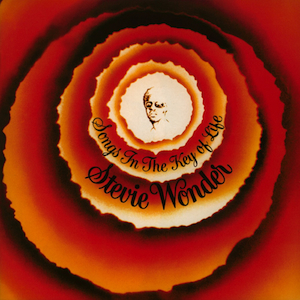
9. Songs in the Key of Life, Stevie Wonder, 1976
The phrase best vinyl pressings ever made can mean a few different things. Sometimes it means the rarest first pressing. Sometimes it means the version with the quietest surfaces, the widest groove spacing, or the mastering engineer who finally made the tape breathe. For Songs in the Key of Life, the conversation centers on original Tamla double LP with bonus EP and later audiophile-mastered reissues. That specificity matters. A famous album is not automatically a great vinyl object, and an expensive pressing is not automatically the one you should buy. The best copies earn their reputation by making the record’s musical argument clearer, more physical, and easier to live with over repeated plays.
The release history gives collectors a useful anchor. Songs in the Key of Life first appeared as Tamla T13-340C2 with the bonus EP A Something’s Extra, with production credited to Stevie Wonder and recording tied to Crystal Sound, Record Plant, and other studios used during Wonder’s mid-1970s peak. Commercially, It debuted at No. 1 on the Billboard 200, won the Grammy for Album of the Year, and is certified Diamond by the RIAA. Those numbers explain why the album is always in circulation, but they do not explain why vinyl listeners keep comparing copies. The reason is sonic. This is a record where the best copies keep synth bass, brass, drums, and huge vocal arrangements energetic without making the long program feel cramped. On a revealing turntable, those details stop being trivia and become the difference between a copy you admire and a copy you keep pulling from the shelf.
From a collecting perspective, the smartest approach is to separate historical value from playback value. Completeness matters: the booklet and 7-inch EP are part of the original object, so a clean full set is more desirable than a cheap incomplete copy. That is why serious buyers study runout inscriptions, pressing plants, label variations, mastering credits, and whether a reissue was cut at 33 or 45 rpm. A 45 rpm edition can lower distortion and open up the groove, but it also changes the listening ritual because you flip sides more often. A first pressing can feel magical, but only if the vinyl is not chewed up by decades of heavy play. Condition, source, and mastering all have to line up.
Essential tracks for evaluating a copy include Sir Duke, I Wish, As, Pastime Paradise, Isn’t She Lovely. Listen for vocal stability, cymbal texture, bass pitch, and whether dense sections collapse when the music gets loud. If a pressing keeps the center image locked, the low end tuneful, and the quiet passages genuinely quiet, it belongs in the top tier. That is the bigger lesson behind this list: great pressings do not merely sound impressive for thirty seconds. They make a complete side feel inevitable. For collectors using a listening log or an automatic vinyl tracker like What’s Spinning, these are the records worth noting by exact pressing, not just by album title.
-
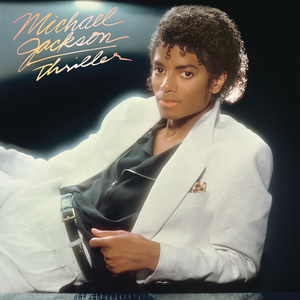
10. Thriller, Michael Jackson, 1982
The phrase best vinyl pressings ever made can mean a few different things. Sometimes it means the rarest first pressing. Sometimes it means the version with the quietest surfaces, the widest groove spacing, or the mastering engineer who finally made the tape breathe. For Thriller, the conversation centers on early Epic half-speed mastered copies and clean original US pressings mastered by Bernie Grundman. That specificity matters. A famous album is not automatically a great vinyl object, and an expensive pressing is not automatically the one you should buy. The best copies earn their reputation by making the record’s musical argument clearer, more physical, and easier to live with over repeated plays.
The release history gives collectors a useful anchor. Thriller first appeared as Epic QE 38112 in the United States, with production credited to Quincy Jones and recording tied to Westlake Recording Studios in Los Angeles. Commercially, It spent 37 weeks at No. 1 on the Billboard 200 and is certified 34x Platinum by the RIAA. Those numbers explain why the album is always in circulation, but they do not explain why vinyl listeners keep comparing copies. The reason is sonic. This is a record where the drum machine snap, bass lines, vocal layers, and Quincy Jones polish make it a perfect test of pop dynamics on vinyl. On a revealing turntable, those details stop being trivia and become the difference between a copy you admire and a copy you keep pulling from the shelf.
From a collecting perspective, the smartest approach is to separate historical value from playback value. Because so many copies were sold, condition is the game. Audiophile collectors look for quiet vinyl, strong Ludwig or Grundman related mastering notes, and jackets without heavy ring wear. That is why serious buyers study runout inscriptions, pressing plants, label variations, mastering credits, and whether a reissue was cut at 33 or 45 rpm. A 45 rpm edition can lower distortion and open up the groove, but it also changes the listening ritual because you flip sides more often. A first pressing can feel magical, but only if the vinyl is not chewed up by decades of heavy play. Condition, source, and mastering all have to line up.
Essential tracks for evaluating a copy include Billie Jean, Beat It, Thriller, Human Nature, Wanna Be Startin’ Somethin’. Listen for vocal stability, cymbal texture, bass pitch, and whether dense sections collapse when the music gets loud. If a pressing keeps the center image locked, the low end tuneful, and the quiet passages genuinely quiet, it belongs in the top tier. That is the bigger lesson behind this list: great pressings do not merely sound impressive for thirty seconds. They make a complete side feel inevitable. For collectors using a listening log or an automatic vinyl tracker like What’s Spinning, these are the records worth noting by exact pressing, not just by album title.
-

11. OK Computer, Radiohead, 1997
The phrase best vinyl pressings ever made can mean a few different things. Sometimes it means the rarest first pressing. Sometimes it means the version with the quietest surfaces, the widest groove spacing, or the mastering engineer who finally made the tape breathe. For OK Computer, the conversation centers on UK Parlophone double LP originals and the later OKNOTOK-era vinyl editions. That specificity matters. A famous album is not automatically a great vinyl object, and an expensive pressing is not automatically the one you should buy. The best copies earn their reputation by making the record’s musical argument clearer, more physical, and easier to live with over repeated plays.
The release history gives collectors a useful anchor. OK Computer first appeared as Parlophone NODATA 02 for the original UK double LP, with production credited to Nigel Godrich and Radiohead and recording tied to St Catherine’s Court and other sessions in 1996 and 1997. Commercially, It reached No. 1 on the UK Albums Chart and No. 21 on the Billboard 200, later receiving Platinum certifications in both markets. Those numbers explain why the album is always in circulation, but they do not explain why vinyl listeners keep comparing copies. The reason is sonic. This is a record where its guitar layers, tape effects, drum ambience, and digital-era anxiety benefit from the side breaks and lower inner-groove stress of the double LP format. On a revealing turntable, those details stop being trivia and become the difference between a copy you admire and a copy you keep pulling from the shelf.
From a collecting perspective, the smartest approach is to separate historical value from playback value. Original UK double LPs are sought after because 1990s vinyl runs were smaller than CD production, and clean copies can be much harder to find than the album’s fame suggests. That is why serious buyers study runout inscriptions, pressing plants, label variations, mastering credits, and whether a reissue was cut at 33 or 45 rpm. A 45 rpm edition can lower distortion and open up the groove, but it also changes the listening ritual because you flip sides more often. A first pressing can feel magical, but only if the vinyl is not chewed up by decades of heavy play. Condition, source, and mastering all have to line up.
Essential tracks for evaluating a copy include Paranoid Android, Subterranean Homesick Alien, Karma Police, No Surprises, Exit Music. Listen for vocal stability, cymbal texture, bass pitch, and whether dense sections collapse when the music gets loud. If a pressing keeps the center image locked, the low end tuneful, and the quiet passages genuinely quiet, it belongs in the top tier. That is the bigger lesson behind this list: great pressings do not merely sound impressive for thirty seconds. They make a complete side feel inevitable. For collectors using a listening log or an automatic vinyl tracker like What’s Spinning, these are the records worth noting by exact pressing, not just by album title.
-
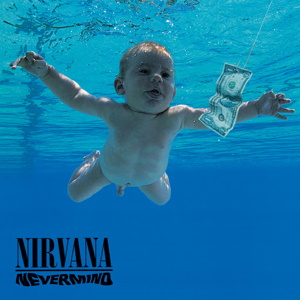
12. Nevermind, Nirvana, 1991
The phrase best vinyl pressings ever made can mean a few different things. Sometimes it means the rarest first pressing. Sometimes it means the version with the quietest surfaces, the widest groove spacing, or the mastering engineer who finally made the tape breathe. For Nevermind, the conversation centers on Original US DGC vinyl, European pressings, and later audiophile reissues cut from strong sources. That specificity matters. A famous album is not automatically a great vinyl object, and an expensive pressing is not automatically the one you should buy. The best copies earn their reputation by making the record’s musical argument clearer, more physical, and easier to live with over repeated plays.
The release history gives collectors a useful anchor. Nevermind first appeared as DGC DGC-24425 in the United States, with production credited to Butch Vig and recording tied to Sound City Studios in Van Nuys and later mixing at Scream Studios. Commercially, It reached No. 1 on the Billboard 200 and is certified Diamond by the RIAA. Those numbers explain why the album is always in circulation, but they do not explain why vinyl listeners keep comparing copies. The reason is sonic. This is a record where Dave Grohl’s drums, Krist Novoselic’s bass, and Andy Wallace’s mix need punch without turning Kurt Cobain’s guitar into a flat wall. On a revealing turntable, those details stop being trivia and become the difference between a copy you admire and a copy you keep pulling from the shelf.
From a collecting perspective, the smartest approach is to separate historical value from playback value. Original vinyl was not pressed in the same quantities as CD and cassette, so clean early LP copies are true 1990s artifacts rather than nostalgia-bin filler. That is why serious buyers study runout inscriptions, pressing plants, label variations, mastering credits, and whether a reissue was cut at 33 or 45 rpm. A 45 rpm edition can lower distortion and open up the groove, but it also changes the listening ritual because you flip sides more often. A first pressing can feel magical, but only if the vinyl is not chewed up by decades of heavy play. Condition, source, and mastering all have to line up.
Essential tracks for evaluating a copy include Smells Like Teen Spirit, In Bloom, Come as You Are, Lithium, Drain You. Listen for vocal stability, cymbal texture, bass pitch, and whether dense sections collapse when the music gets loud. If a pressing keeps the center image locked, the low end tuneful, and the quiet passages genuinely quiet, it belongs in the top tier. That is the bigger lesson behind this list: great pressings do not merely sound impressive for thirty seconds. They make a complete side feel inevitable. For collectors using a listening log or an automatic vinyl tracker like What’s Spinning, these are the records worth noting by exact pressing, not just by album title.
-
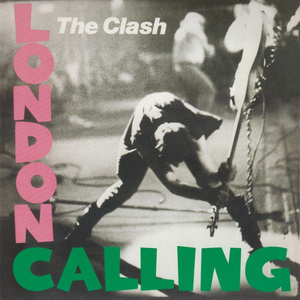
13. London Calling, The Clash, 1979
The phrase best vinyl pressings ever made can mean a few different things. Sometimes it means the rarest first pressing. Sometimes it means the version with the quietest surfaces, the widest groove spacing, or the mastering engineer who finally made the tape breathe. For London Calling, the conversation centers on UK CBS CLASH 3 originals and respected later reissues that preserve the two-LP sprawl. That specificity matters. A famous album is not automatically a great vinyl object, and an expensive pressing is not automatically the one you should buy. The best copies earn their reputation by making the record’s musical argument clearer, more physical, and easier to live with over repeated plays.
The release history gives collectors a useful anchor. London Calling first appeared as CBS CLASH 3 in the UK and Epic E2 36328 in the United States, with production credited to Guy Stevens and recording tied to Wessex Sound Studios in London. Commercially, It reached No. 9 in the UK and No. 27 on the Billboard 200, and is RIAA Platinum in the United States. Those numbers explain why the album is always in circulation, but they do not explain why vinyl listeners keep comparing copies. The reason is sonic. This is a record where the album jumps between punk, reggae, rockabilly, soul, and pop, so a good pressing has to keep momentum without sanding off grit. On a revealing turntable, those details stop being trivia and become the difference between a copy you admire and a copy you keep pulling from the shelf.
From a collecting perspective, the smartest approach is to separate historical value from playback value. A complete early copy with both records, correct inners, and a sharp Pennie Smith cover is still one of punk and post-punk collecting’s great shelf pieces. That is why serious buyers study runout inscriptions, pressing plants, label variations, mastering credits, and whether a reissue was cut at 33 or 45 rpm. A 45 rpm edition can lower distortion and open up the groove, but it also changes the listening ritual because you flip sides more often. A first pressing can feel magical, but only if the vinyl is not chewed up by decades of heavy play. Condition, source, and mastering all have to line up.
Essential tracks for evaluating a copy include London Calling, Spanish Bombs, Clampdown, Train in Vain, The Guns of Brixton. Listen for vocal stability, cymbal texture, bass pitch, and whether dense sections collapse when the music gets loud. If a pressing keeps the center image locked, the low end tuneful, and the quiet passages genuinely quiet, it belongs in the top tier. That is the bigger lesson behind this list: great pressings do not merely sound impressive for thirty seconds. They make a complete side feel inevitable. For collectors using a listening log or an automatic vinyl tracker like What’s Spinning, these are the records worth noting by exact pressing, not just by album title.
-

14. Illmatic, Nas, 1994
The phrase best vinyl pressings ever made can mean a few different things. Sometimes it means the rarest first pressing. Sometimes it means the version with the quietest surfaces, the widest groove spacing, or the mastering engineer who finally made the tape breathe. For Illmatic, the conversation centers on Original Columbia LPs, European pressings, and anniversary editions with full artwork treatment. That specificity matters. A famous album is not automatically a great vinyl object, and an expensive pressing is not automatically the one you should buy. The best copies earn their reputation by making the record’s musical argument clearer, more physical, and easier to live with over repeated plays.
The release history gives collectors a useful anchor. Illmatic first appeared as Columbia C 57684 for the original US LP era, with production credited to DJ Premier, Large Professor, Pete Rock, Q-Tip, L.E.S., and Nas as executive producer and recording tied to Battery Studios, Chung King, D&D, and Unique Recording Studios in New York. Commercially, It debuted at No. 12 on the Billboard 200 and later earned RIAA Platinum certification. Those numbers explain why the album is always in circulation, but they do not explain why vinyl listeners keep comparing copies. The reason is sonic. This is a record where the samples, drums, and vocal placement show why hip-hop pressings need bass control, quiet vinyl, and center holes that do not wander. On a revealing turntable, those details stop being trivia and become the difference between a copy you admire and a copy you keep pulling from the shelf.
From a collecting perspective, the smartest approach is to separate historical value from playback value. Original 1990s hip-hop vinyl can be hard to find clean because many copies were used by DJs, so play-grade matters more than a pretty sleeve. That is why serious buyers study runout inscriptions, pressing plants, label variations, mastering credits, and whether a reissue was cut at 33 or 45 rpm. A 45 rpm edition can lower distortion and open up the groove, but it also changes the listening ritual because you flip sides more often. A first pressing can feel magical, but only if the vinyl is not chewed up by decades of heavy play. Condition, source, and mastering all have to line up.
Essential tracks for evaluating a copy include N.Y. State of Mind, The World Is Yours, Memory Lane, One Love, It Ain’t Hard to Tell. Listen for vocal stability, cymbal texture, bass pitch, and whether dense sections collapse when the music gets loud. If a pressing keeps the center image locked, the low end tuneful, and the quiet passages genuinely quiet, it belongs in the top tier. That is the bigger lesson behind this list: great pressings do not merely sound impressive for thirty seconds. They make a complete side feel inevitable. For collectors using a listening log or an automatic vinyl tracker like What’s Spinning, these are the records worth noting by exact pressing, not just by album title.
-

15. The Miseducation of Lauryn Hill, Lauryn Hill, 1998
The phrase best vinyl pressings ever made can mean a few different things. Sometimes it means the rarest first pressing. Sometimes it means the version with the quietest surfaces, the widest groove spacing, or the mastering engineer who finally made the tape breathe. For The Miseducation of Lauryn Hill, the conversation centers on original Ruffhouse and Columbia double LPs plus later anniversary reissues. That specificity matters. A famous album is not automatically a great vinyl object, and an expensive pressing is not automatically the one you should buy. The best copies earn their reputation by making the record’s musical argument clearer, more physical, and easier to live with over repeated plays.
The release history gives collectors a useful anchor. The Miseducation of Lauryn Hill first appeared as Ruffhouse and Columbia C2 69035 in the United States, with production credited to Lauryn Hill with Vada Nobles, Che Pope, and others and recording tied to Tuff Gong in Jamaica and several New York and New Jersey studios. Commercially, It debuted at No. 1 on the Billboard 200, won the Grammy for Album of the Year, and is certified Diamond by the RIAA. Those numbers explain why the album is always in circulation, but they do not explain why vinyl listeners keep comparing copies. The reason is sonic. This is a record where the vocals, live-band warmth, bass, and classroom interludes all need a pressing that feels organic rather than brittle. On a revealing turntable, those details stop being trivia and become the difference between a copy you admire and a copy you keep pulling from the shelf.
From a collecting perspective, the smartest approach is to separate historical value from playback value. A clean original double LP is prized because the late-1990s vinyl window was narrow, and the album bridges hip-hop, soul, reggae, and singer-songwriter audiences. That is why serious buyers study runout inscriptions, pressing plants, label variations, mastering credits, and whether a reissue was cut at 33 or 45 rpm. A 45 rpm edition can lower distortion and open up the groove, but it also changes the listening ritual because you flip sides more often. A first pressing can feel magical, but only if the vinyl is not chewed up by decades of heavy play. Condition, source, and mastering all have to line up.
Essential tracks for evaluating a copy include Doo Wop, Ex-Factor, Lost Ones, To Zion, Everything Is Everything. Listen for vocal stability, cymbal texture, bass pitch, and whether dense sections collapse when the music gets loud. If a pressing keeps the center image locked, the low end tuneful, and the quiet passages genuinely quiet, it belongs in the top tier. That is the bigger lesson behind this list: great pressings do not merely sound impressive for thirty seconds. They make a complete side feel inevitable. For collectors using a listening log or an automatic vinyl tracker like What’s Spinning, these are the records worth noting by exact pressing, not just by album title.
What to buy first
If you want a sensible starter path, begin with records that are musically essential and easy to compare on your own system. Kind of Blue, Rumours, A Love Supreme, Blue, and The Dark Side of the Moon are ideal because they expose different parts of a setup: acoustic space, vocal presence, cymbal decay, bass control, and soundstage depth. You do not need to buy the most expensive copy immediately. Start with a clean, well-reviewed modern pressing, then upgrade only when you know what you want to improve.
For condition, be ruthless. A rare pressing with groove wear is still groove wear. Ask sellers for play grades, not just visual grades, and pay attention to quiet music. Jazz, singer-songwriter records, and atmospheric rock punish noisy vinyl. If a record depends on silence, a bargain copy with constant ticks is not a bargain.
Sources and further reading
- Wikipedia album pages for chart, certification, studio, and release background
- RIAA Gold and Platinum database for US certifications
- Official Charts for UK album performance
- Discogs for label variations, catalog numbers, runouts, and collector-market context
- Acoustic Sounds and Analogue Productions listings for UHQR and audiophile reissue details
- Mobile Fidelity Sound Lab release information
FAQ
What makes a vinyl pressing better than another pressing of the same album?
The biggest factors are mastering, source quality, groove spacing, pressing plant quality, vinyl compound, and condition. A great cut from a good tape can sound open and natural, while a noisy or worn copy of a famous first pressing can be frustrating.
Are original pressings always the best vinyl pressings ever made?
No. Originals can be historically important and sometimes sound fantastic, but many later audiophile reissues use quieter vinyl, better quality control, or 45 rpm cutting to reduce distortion. The best choice depends on whether you value collectibility, sound, packaging, or price.
Is 45 rpm vinyl always better than 33 rpm?
Not automatically, but it can help. A 45 rpm LP can offer wider groove spacing and lower distortion, especially on loud or dynamic music. The tradeoff is more side changes, higher cost, and sometimes a less seamless album flow.
How should I track which pressing I own?
Track the label, catalog number, country, year, matrix or runout markings, condition, and any mastering notes. What’s Spinning is useful for remembering what you actually play, and collectors can pair that listening history with pressing notes so the shelf becomes more than a static inventory.
A spreadsheet tracks what you own. What's Spinning identifies what's playing.
On-device vinyl ID logs your listening history automatically. 7-day free trial.
Looking for Shazam for vinyl?
What's Spinning identifies what's playing on your turntable on-device, logs history, and AirPlays now-playing to your TV.
Comparing vinyl ID apps?
Analog requires Discogs and is iPhone-first (iPad coming). What's Spinning works without Discogs on iPhone and iPad with AirPlay.
Try What's Spinning Free
Turn your iPad into a live now-playing display. Track every record you spin.
START FREE TRIALThen $4.99/mo or $39.99/yr · Cancel anytime
Get it on your iPhone
Open on iPhone