Discovering Jazz Through Your Turntable
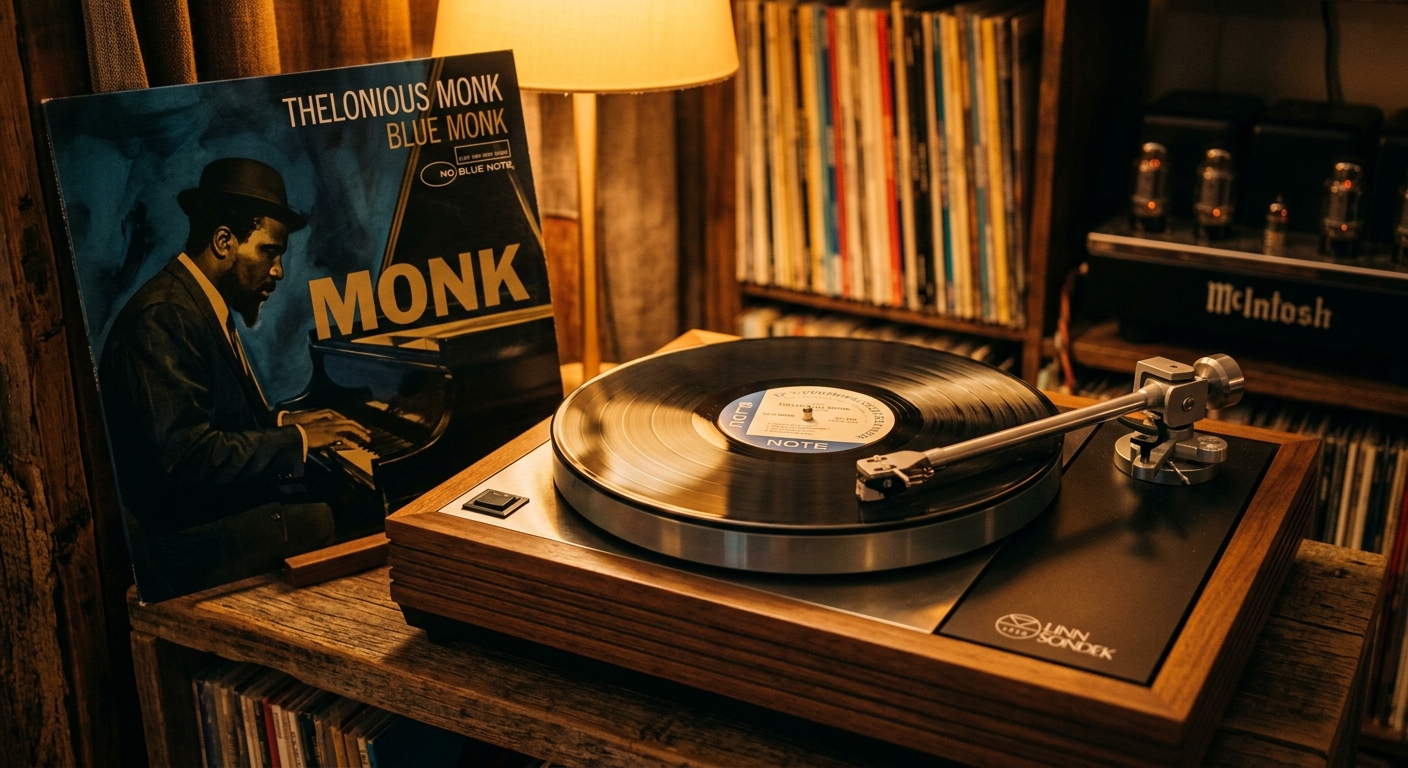
There is something almost magical about dropping a needle on a jazz record for the first time. The music fills the room in a way that feels alive, immediate, and endlessly deep. Jazz and vinyl have a relationship that goes back to the very beginning of both, and exploring this genre through your turntable is one of the most rewarding journeys a collector can take.
Jazz originated in the late 19th century in New Orleans, growing from a rich stew of blues, ragtime, spirituals, and African rhythms. When the format moved to 78 rpm records in the 1920s, jazz became something you could hold in your hands and play whenever you wanted. The LP format that arrived in the late 1940s changed everything again, giving artists more room to stretch out and improvise across longer sides of vinyl.
Miles Davis's "Kind of Blue" remains one of the best-selling jazz albums of all time, and for good reason. Its modal approach makes it surprisingly accessible for newcomers. If you are building a jazz collection from your turntable, start there and let it guide you outward into harder bop sides like Art Blakey's "Moanin'" or the more angular sounds of John Coltrane's "A Love Supreme."
The tactile nature of vinyl suits jazz particularly well. Jazz is improvisational music, full of subtle variations and nuances that digital formats sometimes flatten. When you hear a needle tracking through a Coltrane solo on a clean pressing, you notice details that get lost in compression. The natural warmth of analog playback matches the warmth of acoustic instruments like the trumpet, saxophone, and piano that define the genre.
Building a jazz vinyl collection on a budget is entirely possible if you know where to look. Estate sales and thrift stores regularly turn up classic Blue Note and Prestige pressings for a few dollars each. The Blue Note label, in particular, produced some of the most visually striking album covers in all of music, with photographs by Francis Wolff and graphic design that has influenced art for decades.
When shopping for jazz records, check the condition of the vinyl carefully. Jazz pressings from the 1950s and 1960s were often played frequently, and surface noise can obscure the quiet passages that make the music so compelling. Look for records with glossy surfaces and no visible scuffs. A clean original pressing of a classic like "Blue Train" or "Time Out" will reward you with a listening experience that streaming simply cannot replicate.
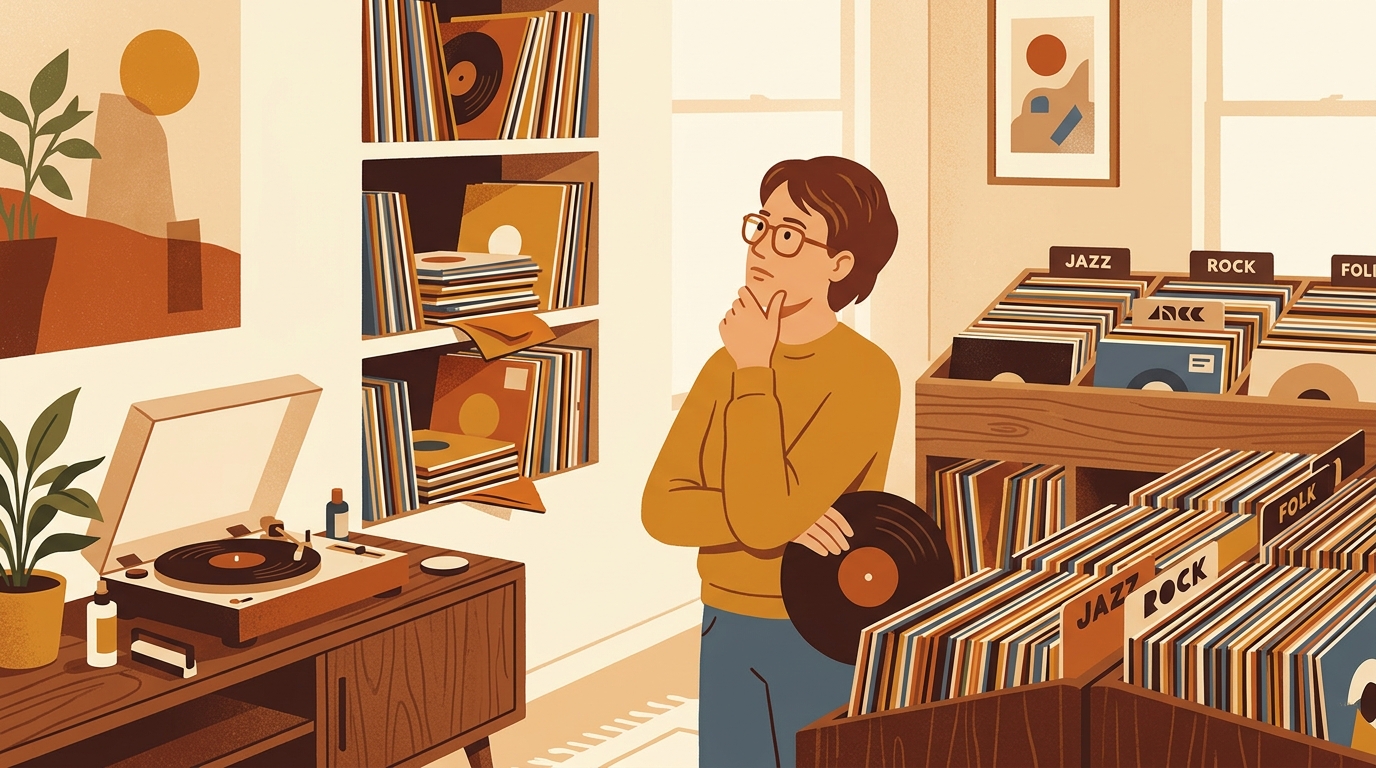
Getting into jazz through vinyl also means joining a community. Jazz collectors tend to be passionate about the format and happy to share recommendations. Local record stores often have listening stations where you can preview a record before buying, and the crate-digging culture around jazz is alive and well in cities around the world.
Starting your jazz vinyl journey does not require encyclopedic knowledge. Pick an artist whose name you recognize, find one of their essential albums on vinyl, and give it a proper listen from start to finish. Let the music unfold naturally, and resist the urge to skip around. Jazz rewards patience, and your turntable is the perfect companion for that process.
A spreadsheet tracks what you own. What's Spinning identifies what's playing.
On-device vinyl ID logs your listening history automatically. 7-day free trial.
Looking for Shazam for vinyl?
What's Spinning identifies what's playing on your turntable on-device, logs history, and AirPlays now-playing to your TV.
Comparing vinyl ID apps?
Analog requires Discogs and is iPhone-first (iPad coming). What's Spinning works without Discogs on iPhone and iPad with AirPlay.
Try What's Spinning Free
Turn your iPad into a live now-playing display. Track every record you spin.
START FREE TRIALThen $4.99/mo or $39.99/yr · Cancel anytime