Essential Electronic Albums for Rock Fans
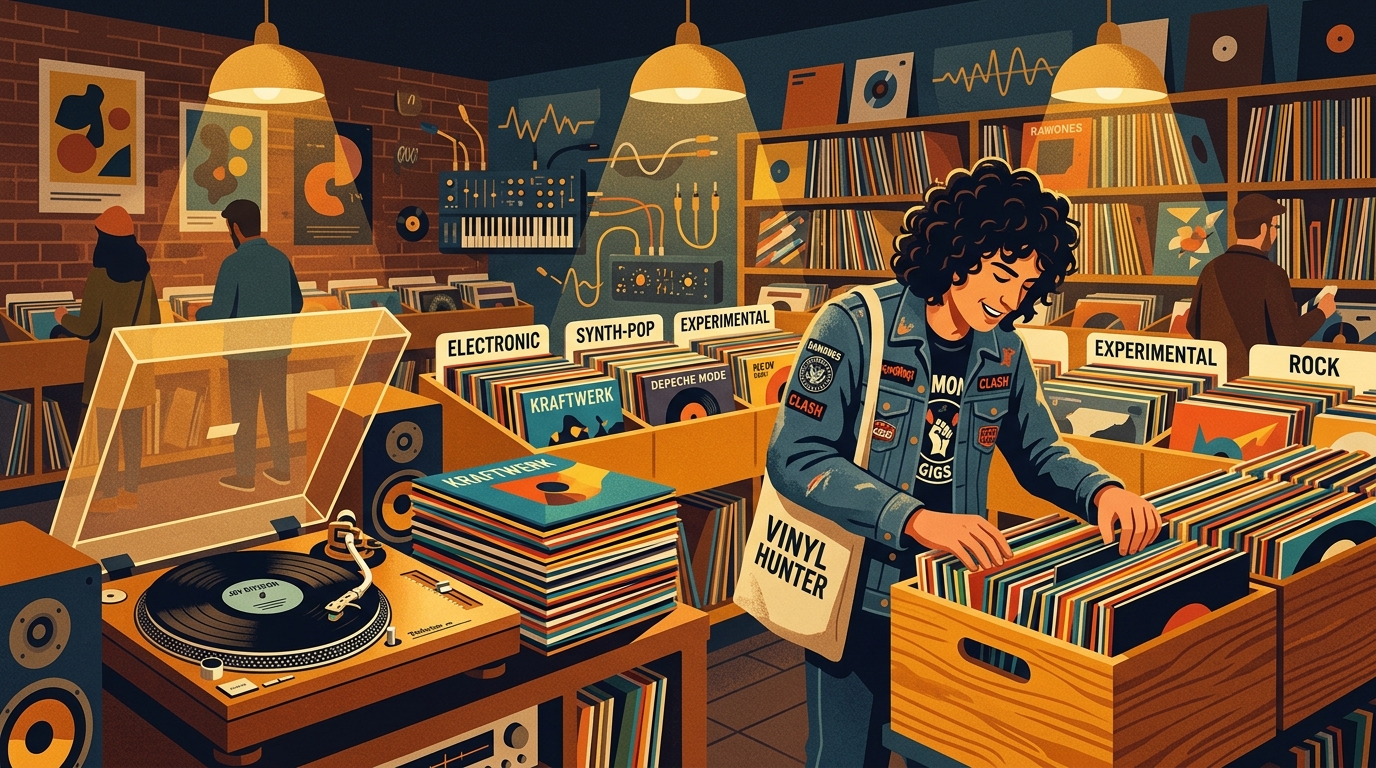
Rock fans usually arrive at electronic music through impact. A synth line hits like a riff, a drum machine locks into a groove harder than a tired drummer, or a producer turns studio texture into the same kind of drama you expect from a great guitar record. That is the lens for this guide to essential electronic albums for rock fans: not the most obscure electronic albums, and not a purity-test history lesson, but the records most likely to make sense if your shelf already has post-punk, industrial rock, psych, alternative, and classic album statements.
For vinyl collectors, electronic records are especially revealing. They test bass response, cartridge tracking, surface noise, and whether a pressing can keep long programmed passages alive without collapsing into mush. They also reward cover-art obsession, because so much electronic music built its world through sleeves, labels, typography, and import editions. The list below uses album pages, chart histories, label notes, and collector-facing details as guideposts, with cover images sourced from Wikipedia-hosted album artwork where available.
-

Autobahn, Kraftwerk, 1974
Autobahn is where the list starts to feel less like a genre detour and more like an alternate history of rock records. The basic facts matter: The album became Kraftwerk's breakthrough outside Germany after American radio picked up the title track; the album reached the Billboard 200 top 30 and the UK top 5 according to the album's chart history. The original label story also matters for collectors, since the first vinyl era tells you how the album was positioned before later canon-building turned it into a safe recommendation. It first appeared through Philips in Germany, Vertigo in the UK, and later Capitol in the United States, with collector references often pointing to Philips 6305 231 on early German LP copies. For anyone searching bins, those label and catalog clues help separate a nice listening copy from a copy that carries original-period appeal.
The recording context is part of the record's power. Recorded at Kling Klang and Conny Plank's studio, with Ralf Hutter and Florian Schneider steering the concept and Plank helping frame the sound. The 22 minute title piece uses motorik pulse, processed vocals, flute, guitar, and synthesizer lines to turn a road trip into a side-long machine-pop suite. That is the reason it works for rock listeners. The album does not simply ask you to admire equipment; it gives the equipment dramatic roles. The kick pattern can act like a drummer, a sequencer can act like a rhythm guitarist, and a synth line can carry the same instant-recognition function as a classic riff. On a turntable, those choices become physical. Bass weight, stereo movement, and the quiet between parts tell you more than a phone speaker ever will.
From a collecting standpoint, Collectors care about early German Philips copies because the jacket, label design, and mastering sit closest to the moment when Kraftwerk crossed from krautrock experiment into electronic pop blueprint. Electronic records can be deceptively condition sensitive. A scuffed rock LP can sometimes hide damage under guitars and cymbals, but a synth intro, a long fade, or a stripped-down drum-machine passage will reveal crackle immediately. That is why these albums reward the same careful buying habits you would use for jazz or ambient records: inspect under bright light, ask about play grading, avoid suspiciously cheap copies with vague condition notes, and do not assume a famous title automatically means an easy upgrade later.
The first tracks to play are simple: Start with 'Autobahn', then notice how 'Kometenmelodie 2' and 'Morgenspaziergang' show the softer melodic side behind the machinery. If you are coming from rock, listen for structure before genre. Notice where tension builds, where the hook returns, and how the album uses side breaks. For rock fans, this is the bridge record. It still has a band sense of movement, dynamics, and thematic album construction, but it makes the engine, not the guitar amp, the lead instrument. That is also why it belongs in a What's Spinning collection rather than just a streaming playlist. When you log repeat plays, you will see which of these records becomes a real part of your listening life, not just something you respect historically. Source: Wikipedia album entry.
-

Trans-Europe Express, Kraftwerk, 1977
Trans-Europe Express is where the list starts to feel less like a genre detour and more like an alternate history of rock records. The basic facts matter: Wikipedia's album history notes a Billboard 200 peak of number 119 and a number 30 finish in The Village Voice's 1977 Pazz and Jop critics poll. The original label story also matters for collectors, since the first vinyl era tells you how the album was positioned before later canon-building turned it into a safe recommendation. It first appeared through Kling Klang and EMI in Europe, Capitol in the United States, with collector references often pointing to Capitol SW-11603 on the original US LP. For anyone searching bins, those label and catalog clues help separate a nice listening copy from a copy that carries original-period appeal.
The recording context is part of the record's power. Recorded in Dusseldorf in 1976, it captures Kraftwerk refining sequenced rhythm, minimal hooks, and manipulated vocals into a complete design language. The title suite and 'Metal on Metal' use repetition like a rock riff, but the tone is chrome, rail, and voltage rather than overdriven strings. That is the reason it works for rock listeners. The album does not simply ask you to admire equipment; it gives the equipment dramatic roles. The kick pattern can act like a drummer, a sequencer can act like a rhythm guitarist, and a synth line can carry the same instant-recognition function as a classic riff. On a turntable, those choices become physical. Bass weight, stereo movement, and the quiet between parts tell you more than a phone speaker ever will.
From a collecting standpoint, German and UK pressings are collectible partly because the artwork and language variants underline the record's pan-European concept. Clean copies are also prized because the quiet passages expose groove wear immediately. Electronic records can be deceptively condition sensitive. A scuffed rock LP can sometimes hide damage under guitars and cymbals, but a synth intro, a long fade, or a stripped-down drum-machine passage will reveal crackle immediately. That is why these albums reward the same careful buying habits you would use for jazz or ambient records: inspect under bright light, ask about play grading, avoid suspiciously cheap copies with vague condition notes, and do not assume a famous title automatically means an easy upgrade later.
The first tracks to play are simple: Cue 'Europe Endless', 'Trans-Europe Express', and 'Metal on Metal' as a three-step lesson in melody, rhythm, and industrial texture. If you are coming from rock, listen for structure before genre. Notice where tension builds, where the hook returns, and how the album uses side breaks. If your entry point is Bowie, Iggy Pop, post-punk, or art rock, this album explains the electronic grammar those artists absorbed. It feels austere at first, then the hooks start acting like guitar figures. That is also why it belongs in a What's Spinning collection rather than just a streaming playlist. When you log repeat plays, you will see which of these records becomes a real part of your listening life, not just something you respect historically. Source: Wikipedia album entry.
-
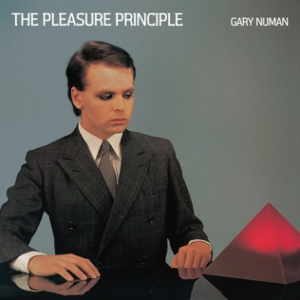
The Pleasure Principle, Gary Numan, 1979
The Pleasure Principle is where the list starts to feel less like a genre detour and more like an alternate history of rock records. The basic facts matter: The album reached number 1 on the UK Albums Chart, and 'Cars' became Numan's defining international hit. The original label story also matters for collectors, since the first vinyl era tells you how the album was positioned before later canon-building turned it into a safe recommendation. It first appeared through Beggars Banquet, with collector references often pointing to BEGA 10 on the original UK LP. For anyone searching bins, those label and catalog clues help separate a nice listening copy from a copy that carries original-period appeal.
The recording context is part of the record's power. Recorded at Marcus Music Studio in London after Numan's Tubeway Army success, with a band that included Chris Payne and Cedric Sharpley. Numan removed electric guitar almost entirely, relying on Minimoog, Polymoog, synthetic percussion, and clipped bass to create a colder version of rock drama. That is the reason it works for rock listeners. The album does not simply ask you to admire equipment; it gives the equipment dramatic roles. The kick pattern can act like a drummer, a sequencer can act like a rhythm guitarist, and a synth line can carry the same instant-recognition function as a classic riff. On a turntable, those choices become physical. Bass weight, stereo movement, and the quiet between parts tell you more than a phone speaker ever will.
From a collecting standpoint, Original Beggars Banquet copies are common enough to hunt without panic, but condition matters because the sleeve's pale design shows ring wear and edge wear quickly. Electronic records can be deceptively condition sensitive. A scuffed rock LP can sometimes hide damage under guitars and cymbals, but a synth intro, a long fade, or a stripped-down drum-machine passage will reveal crackle immediately. That is why these albums reward the same careful buying habits you would use for jazz or ambient records: inspect under bright light, ask about play grading, avoid suspiciously cheap copies with vague condition notes, and do not assume a famous title automatically means an easy upgrade later.
The first tracks to play are simple: 'Cars', 'Metal', 'Films', and 'M.E.' are the core cuts, with 'Metal' later sampled and reinterpreted by artists who heard its machine funk clearly. If you are coming from rock, listen for structure before genre. Notice where tension builds, where the hook returns, and how the album uses side breaks. This is a great first synth-pop LP for guitar people because the songs still move like a tight rock set. The riffs are keyboard riffs, the attitude is post-punk, and the arrangements are lean enough to feel live. That is also why it belongs in a What's Spinning collection rather than just a streaming playlist. When you log repeat plays, you will see which of these records becomes a real part of your listening life, not just something you respect historically. Source: Wikipedia album entry.
-

Power, Corruption & Lies, New Order, 1983
Power, Corruption & Lies is where the list starts to feel less like a genre detour and more like an alternate history of rock records. The basic facts matter: The album was a UK top 5 release and has become one of the most cited examples of post-punk learning to dance. The original label story also matters for collectors, since the first vinyl era tells you how the album was positioned before later canon-building turned it into a safe recommendation. It first appeared through Factory Records, with collector references often pointing to FACT 75 on the original UK LP. For anyone searching bins, those label and catalog clues help separate a nice listening copy from a copy that carries original-period appeal.
The recording context is part of the record's power. Recorded with New Order producing themselves, it reflects the band pushing beyond Joy Division's shadow with sequencers, drum machines, and Peter Hook's melodic bass still up front. The electronics do not replace the rock band; they destabilize it. '5 8 6' and 'Your Silent Face' make programmed rhythm feel emotionally human. That is the reason it works for rock listeners. The album does not simply ask you to admire equipment; it gives the equipment dramatic roles. The kick pattern can act like a drummer, a sequencer can act like a rhythm guitarist, and a synth line can carry the same instant-recognition function as a classic riff. On a turntable, those choices become physical. Bass weight, stereo movement, and the quiet between parts tell you more than a phone speaker ever will.
From a collecting standpoint, Peter Saville's Fantin-Latour sleeve is a collector object by itself, and original Factory pressings remain desirable because the packaging is part of the album's concept. Electronic records can be deceptively condition sensitive. A scuffed rock LP can sometimes hide damage under guitars and cymbals, but a synth intro, a long fade, or a stripped-down drum-machine passage will reveal crackle immediately. That is why these albums reward the same careful buying habits you would use for jazz or ambient records: inspect under bright light, ask about play grading, avoid suspiciously cheap copies with vague condition notes, and do not assume a famous title automatically means an easy upgrade later.
The first tracks to play are simple: 'Age of Consent', 'Your Silent Face', '5 8 6', and 'Leave Me Alone' show the balance of bass, guitar, sequencer, and melancholy. If you are coming from rock, listen for structure before genre. Notice where tension builds, where the hook returns, and how the album uses side breaks. For rock fans, this is the electronic album that refuses to abandon the band. It proves drum machines and synths can sharpen the ache of a great rhythm section rather than flatten it. That is also why it belongs in a What's Spinning collection rather than just a streaming playlist. When you log repeat plays, you will see which of these records becomes a real part of your listening life, not just something you respect historically. Source: Wikipedia album entry.
-

Violator, Depeche Mode, 1990
Violator is where the list starts to feel less like a genre detour and more like an alternate history of rock records. The basic facts matter: Violator reached number 2 in the UK and number 7 on the Billboard 200, becoming Depeche Mode's first US top 10 album. The album has been reported at more than 7.5 million copies sold worldwide. The original label story also matters for collectors, since the first vinyl era tells you how the album was positioned before later canon-building turned it into a safe recommendation. It first appeared through Mute internationally, Sire and Reprise in the United States, with collector references often pointing to Mute STUMM 64 on UK vinyl editions. For anyone searching bins, those label and catalog clues help separate a nice listening copy from a copy that carries original-period appeal.
The recording context is part of the record's power. Recorded across Milan, Denmark, and London, it was produced by Depeche Mode with Flood and mixed by Francois Kevorkian. Flood helped the group leave some air around the machines. The slide-guitar stomp of 'Personal Jesus' and the synthetic lift of 'Enjoy the Silence' are mixed with unusual punch for an electronic LP. That is the reason it works for rock listeners. The album does not simply ask you to admire equipment; it gives the equipment dramatic roles. The kick pattern can act like a drummer, a sequencer can act like a rhythm guitarist, and a synth line can carry the same instant-recognition function as a classic riff. On a turntable, those choices become physical. Bass weight, stereo movement, and the quiet between parts tell you more than a phone speaker ever will.
From a collecting standpoint, Original Mute and Sire pressings are steady demand records, but many collectors also like later 180 gram reissues because the album's low end benefits from quiet vinyl. Electronic records can be deceptively condition sensitive. A scuffed rock LP can sometimes hide damage under guitars and cymbals, but a synth intro, a long fade, or a stripped-down drum-machine passage will reveal crackle immediately. That is why these albums reward the same careful buying habits you would use for jazz or ambient records: inspect under bright light, ask about play grading, avoid suspiciously cheap copies with vague condition notes, and do not assume a famous title automatically means an easy upgrade later.
The first tracks to play are simple: 'Personal Jesus', 'Enjoy the Silence', 'Policy of Truth', and 'World in My Eyes' are the obvious entry points, but 'Halo' is the deep cut that often hooks rock listeners. If you are coming from rock, listen for structure before genre. Notice where tension builds, where the hook returns, and how the album uses side breaks. This is stadium-scale electronic music with blues, gospel, synth-pop, and industrial edges all packed into concise songs. It makes sense next to U2, Nine Inch Nails, and alternative rock, not just next to club records. That is also why it belongs in a What's Spinning collection rather than just a streaming playlist. When you log repeat plays, you will see which of these records becomes a real part of your listening life, not just something you respect historically. Source: Wikipedia album entry.
-

Screamadelica, Primal Scream, 1991
Screamadelica is where the list starts to feel less like a genre detour and more like an alternate history of rock records. The basic facts matter: The album reached number 8 on the UK Albums Chart, won the first Mercury Music Prize in 1992, and has been reported at more than 3 million copies sold worldwide. The original label story also matters for collectors, since the first vinyl era tells you how the album was positioned before later canon-building turned it into a safe recommendation. It first appeared through Creation Records in the UK, Sire in the United States, with collector references often pointing to Creation CRELP 076 on the original UK LP. For anyone searching bins, those label and catalog clues help separate a nice listening copy from a copy that carries original-period appeal.
The recording context is part of the record's power. Andrew Weatherall, Hugo Nicolson, Terry Farley, and others helped turn a rock band into a loose acid-house and dub organism. Weatherall's work on 'Loaded' and 'Come Together' treats rock source material like a DJ tool, stretching gospel, dub, piano house, and Stones-like swagger into a rave-era album flow. That is the reason it works for rock listeners. The album does not simply ask you to admire equipment; it gives the equipment dramatic roles. The kick pattern can act like a drummer, a sequencer can act like a rhythm guitarist, and a synth line can carry the same instant-recognition function as a classic riff. On a turntable, those choices become physical. Bass weight, stereo movement, and the quiet between parts tell you more than a phone speaker ever will.
From a collecting standpoint, Original Creation vinyl is a trophy because the album belongs to both indie and dance collectors. The sleeve art by Paul Cannell is instantly recognizable in a crate. Electronic records can be deceptively condition sensitive. A scuffed rock LP can sometimes hide damage under guitars and cymbals, but a synth intro, a long fade, or a stripped-down drum-machine passage will reveal crackle immediately. That is why these albums reward the same careful buying habits you would use for jazz or ambient records: inspect under bright light, ask about play grading, avoid suspiciously cheap copies with vague condition notes, and do not assume a famous title automatically means an easy upgrade later.
The first tracks to play are simple: 'Loaded', 'Movin' on Up', 'Come Together', and 'Higher Than the Sun' map the album's range from rock anthem to weightless dub psychedelia. If you are coming from rock, listen for structure before genre. Notice where tension builds, where the hook returns, and how the album uses side breaks. This is the record that tells rock fans the dance floor is not a betrayal. It keeps the messy band personality while letting remix culture rebuild the songs from the inside. That is also why it belongs in a What's Spinning collection rather than just a streaming playlist. When you log repeat plays, you will see which of these records becomes a real part of your listening life, not just something you respect historically. Source: Wikipedia album entry.
-

Pretty Hate Machine, Nine Inch Nails, 1989
Pretty Hate Machine is where the list starts to feel less like a genre detour and more like an alternate history of rock records. The basic facts matter: The album reached number 75 on the Billboard 200 and later became a multi-platinum American industrial rock landmark. The original label story also matters for collectors, since the first vinyl era tells you how the album was positioned before later canon-building turned it into a safe recommendation. It first appeared through TVT Records, with collector references often pointing to TVT 2610 on early US LP and cassette editions. For anyone searching bins, those label and catalog clues help separate a nice listening copy from a copy that carries original-period appeal.
The recording context is part of the record's power. Trent Reznor recorded much of the material while working around Cleveland studio time, with production help from Keith LeBlanc, John Fryer, Flood, and others. It uses drum programming, samplers, sequenced bass, and synth hooks, but the emotional voltage comes from rock dynamics and Reznor's vocal intensity. That is the reason it works for rock listeners. The album does not simply ask you to admire equipment; it gives the equipment dramatic roles. The kick pattern can act like a drummer, a sequencer can act like a rhythm guitarist, and a synth line can carry the same instant-recognition function as a classic riff. On a turntable, those choices become physical. Bass weight, stereo movement, and the quiet between parts tell you more than a phone speaker ever will.
From a collecting standpoint, Original TVT vinyl is more desirable than the CD-era sales numbers suggest because vinyl copies were not the dominant format in 1989. The 2010 remaster is a practical player copy. Electronic records can be deceptively condition sensitive. A scuffed rock LP can sometimes hide damage under guitars and cymbals, but a synth intro, a long fade, or a stripped-down drum-machine passage will reveal crackle immediately. That is why these albums reward the same careful buying habits you would use for jazz or ambient records: inspect under bright light, ask about play grading, avoid suspiciously cheap copies with vague condition notes, and do not assume a famous title automatically means an easy upgrade later.
The first tracks to play are simple: 'Head Like a Hole', 'Terrible Lie', 'Down in It', and 'Something I Can Never Have' show the range from club-industrial aggression to bruised piano atmosphere. If you are coming from rock, listen for structure before genre. Notice where tension builds, where the hook returns, and how the album uses side breaks. For rock fans suspicious of electronic music, this is the battering ram. The album proves programmed rhythm can hit as hard as a drummer when the writing has anger, hooks, and arrangement discipline. That is also why it belongs in a What's Spinning collection rather than just a streaming playlist. When you log repeat plays, you will see which of these records becomes a real part of your listening life, not just something you respect historically. Source: Wikipedia album entry.
-
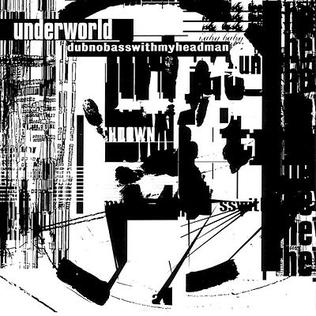
Dubnobasswithmyheadman, Underworld, 1994
Dubnobasswithmyheadman is where the list starts to feel less like a genre detour and more like an alternate history of rock records. The basic facts matter: Underworld's 1994 breakthrough put the Darren Emerson era on the map and established the group as an album act in a singles-driven club culture. The original label story also matters for collectors, since the first vinyl era tells you how the album was positioned before later canon-building turned it into a safe recommendation. It first appeared through Junior Boy's Own, with collector references often pointing to JBO LP 1 on the original UK vinyl. For anyone searching bins, those label and catalog clues help separate a nice listening copy from a copy that carries original-period appeal.
The recording context is part of the record's power. Karl Hyde, Rick Smith, and Darren Emerson built the record after Hyde and Smith's earlier synth-pop version of Underworld dissolved and club music took over their studio language. The record is long-form, patient, and physical. Dub bass, techno repetition, and Hyde's spoken images make tracks like 'Dark and Long' feel like highway rock refracted through warehouse speakers. That is the reason it works for rock listeners. The album does not simply ask you to admire equipment; it gives the equipment dramatic roles. The kick pattern can act like a drummer, a sequencer can act like a rhythm guitarist, and a synth line can carry the same instant-recognition function as a classic riff. On a turntable, those choices become physical. Bass weight, stereo movement, and the quiet between parts tell you more than a phone speaker ever will.
From a collecting standpoint, Original Junior Boy's Own vinyl is a serious crate find because the album was made for loud systems and later listeners often met Underworld on CD. Clean copies with strong low end are especially rewarding. Electronic records can be deceptively condition sensitive. A scuffed rock LP can sometimes hide damage under guitars and cymbals, but a synth intro, a long fade, or a stripped-down drum-machine passage will reveal crackle immediately. That is why these albums reward the same careful buying habits you would use for jazz or ambient records: inspect under bright light, ask about play grading, avoid suspiciously cheap copies with vague condition notes, and do not assume a famous title automatically means an easy upgrade later.
The first tracks to play are simple: 'Dark and Long', 'Mmm Skyscraper I Love You', 'Cowgirl', and 'Dirty Epic' are the essential run. Play them loud enough to hear the bass architecture. If you are coming from rock, listen for structure before genre. Notice where tension builds, where the hook returns, and how the album uses side breaks. Rock listeners tend to understand Underworld because Hyde performs like a frontman even when the groove is pure club machinery. The album has the sprawl and narrative drift of a late-night road record. That is also why it belongs in a What's Spinning collection rather than just a streaming playlist. When you log repeat plays, you will see which of these records becomes a real part of your listening life, not just something you respect historically. Source: Wikipedia album entry.
-

Dummy, Portishead, 1994
Dummy is where the list starts to feel less like a genre detour and more like an alternate history of rock records. The basic facts matter: Dummy won the 1995 Mercury Music Prize, was certified triple platinum in the UK in 2019, had sold 920,000 copies in the UK by September 2020, and was reported at 3.6 million worldwide sales by 2008. The original label story also matters for collectors, since the first vinyl era tells you how the album was positioned before later canon-building turned it into a safe recommendation. It first appeared through Go! Beat, with collector references often pointing to 828 522-1 on early UK LP editions. For anyone searching bins, those label and catalog clues help separate a nice listening copy from a copy that carries original-period appeal.
The recording context is part of the record's power. Recorded around Bristol with Geoff Barrow, Beth Gibbons, and Adrian Utley, the album uses the Coach House Studios period as part of its origin story. Portishead famously created and sampled their own source material, then distressed it until it felt like a lost spy-film record. That matters on vinyl because surface, hiss, and grain are part of the illusion. That is the reason it works for rock listeners. The album does not simply ask you to admire equipment; it gives the equipment dramatic roles. The kick pattern can act like a drummer, a sequencer can act like a rhythm guitarist, and a synth line can carry the same instant-recognition function as a classic riff. On a turntable, those choices become physical. Bass weight, stereo movement, and the quiet between parts tell you more than a phone speaker ever will.
From a collecting standpoint, Original Go! Beat copies are sought after, but many reissues remain useful because the album's quiet passages punish noisy vinyl. This is one to buy in the cleanest condition you can afford. Electronic records can be deceptively condition sensitive. A scuffed rock LP can sometimes hide damage under guitars and cymbals, but a synth intro, a long fade, or a stripped-down drum-machine passage will reveal crackle immediately. That is why these albums reward the same careful buying habits you would use for jazz or ambient records: inspect under bright light, ask about play grading, avoid suspiciously cheap copies with vague condition notes, and do not assume a famous title automatically means an easy upgrade later.
The first tracks to play are simple: 'Sour Times', 'Glory Box', 'Roads', and 'Numb' are the core, with 'Mysterons' setting the whole haunted-room mood. If you are coming from rock, listen for structure before genre. Notice where tension builds, where the hook returns, and how the album uses side breaks. Dummy is electronic in construction, but emotionally it behaves like a torch-song rock record. Gibbons sings with devastating human presence while the machines and samples make the room feel dangerous. That is also why it belongs in a What's Spinning collection rather than just a streaming playlist. When you log repeat plays, you will see which of these records becomes a real part of your listening life, not just something you respect historically. Source: Wikipedia album entry.
-
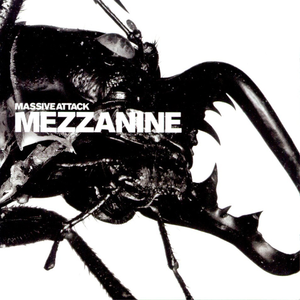
Mezzanine, Massive Attack, 1998
Mezzanine is where the list starts to feel less like a genre detour and more like an alternate history of rock records. The basic facts matter: Mezzanine topped the album charts in the UK, Australia, Ireland, and New Zealand and has been reported at more than 2.5 million copies sold worldwide. The original label story also matters for collectors, since the first vinyl era tells you how the album was positioned before later canon-building turned it into a safe recommendation. It first appeared through Circa and Virgin, with collector references often pointing to WBRLP 4 and Virgin variants on original LP editions. For anyone searching bins, those label and catalog clues help separate a nice listening copy from a copy that carries original-period appeal.
The recording context is part of the record's power. Robert Del Naja pushed the group toward darker post-punk, industrial, dub, and hip-hop textures, with Neil Davidge becoming a key production collaborator. The bass on 'Angel', the Elizabeth Fraser vocal on 'Teardrop', and the guitar-shaped darkness across the record give it more rock mass than most trip-hop albums. That is the reason it works for rock listeners. The album does not simply ask you to admire equipment; it gives the equipment dramatic roles. The kick pattern can act like a drummer, a sequencer can act like a rhythm guitarist, and a synth line can carry the same instant-recognition function as a classic riff. On a turntable, those choices become physical. Bass weight, stereo movement, and the quiet between parts tell you more than a phone speaker ever will.
From a collecting standpoint, Original vinyl has become a premium item because the album arrived when vinyl was not the default format. Later reissues are easier to find, but buyers still check for clean, centered pressings because the low frequencies are unforgiving. Electronic records can be deceptively condition sensitive. A scuffed rock LP can sometimes hide damage under guitars and cymbals, but a synth intro, a long fade, or a stripped-down drum-machine passage will reveal crackle immediately. That is why these albums reward the same careful buying habits you would use for jazz or ambient records: inspect under bright light, ask about play grading, avoid suspiciously cheap copies with vague condition notes, and do not assume a famous title automatically means an easy upgrade later.
The first tracks to play are simple: 'Angel', 'Risingson', 'Teardrop', 'Inertia Creeps', and 'Group Four' are essential, especially if your system can handle deep bass without smearing the vocal space. If you are coming from rock, listen for structure before genre. Notice where tension builds, where the hook returns, and how the album uses side breaks. This is the trip-hop album for people who like Joy Division, dub, industrial rock, and heavy atmosphere. It does not rock by tempo; it rocks by pressure. That is also why it belongs in a What's Spinning collection rather than just a streaming playlist. When you log repeat plays, you will see which of these records becomes a real part of your listening life, not just something you respect historically. Source: Wikipedia album entry.
-

Dig Your Own Hole, The Chemical Brothers, 1997
Dig Your Own Hole is where the list starts to feel less like a genre detour and more like an alternate history of rock records. The basic facts matter: The album reached number 1 in the UK and helped big beat become one of the few 1990s electronic styles that crossed cleanly into rock festivals and alternative radio. The original label story also matters for collectors, since the first vinyl era tells you how the album was positioned before later canon-building turned it into a safe recommendation. It first appeared through Freestyle Dust and Virgin, with collector references often pointing to XDUSTLP2 on the original UK double LP. For anyone searching bins, those label and catalog clues help separate a nice listening copy from a copy that carries original-period appeal.
The recording context is part of the record's power. Tom Rowlands and Ed Simons built the record around breaks, acid lines, distorted synth riffs, and guest vocals, including Noel Gallagher on 'Setting Sun'. The sound is deliberately overdriven. Breakbeats slam like live drums, synths behave like fuzz pedals, and the sequencing turns the double LP into a club set with rock-record pacing. That is the reason it works for rock listeners. The album does not simply ask you to admire equipment; it gives the equipment dramatic roles. The kick pattern can act like a drummer, a sequencer can act like a rhythm guitarist, and a synth line can carry the same instant-recognition function as a classic riff. On a turntable, those choices become physical. Bass weight, stereo movement, and the quiet between parts tell you more than a phone speaker ever will.
From a collecting standpoint, Original UK double vinyl is the format to look for because the sides breathe more than a cramped single LP would. Check copies carefully, since party records often lived hard lives. Electronic records can be deceptively condition sensitive. A scuffed rock LP can sometimes hide damage under guitars and cymbals, but a synth intro, a long fade, or a stripped-down drum-machine passage will reveal crackle immediately. That is why these albums reward the same careful buying habits you would use for jazz or ambient records: inspect under bright light, ask about play grading, avoid suspiciously cheap copies with vague condition notes, and do not assume a famous title automatically means an easy upgrade later.
The first tracks to play are simple: 'Block Rockin' Beats', 'Setting Sun', 'Where Do I Begin', and 'The Private Psychedelic Reel' give you the album's range from blunt-force breaks to widescreen finale. If you are coming from rock, listen for structure before genre. Notice where tension builds, where the hook returns, and how the album uses side breaks. This is the easiest sell to a rock fan who wants riffs, impact, and volume. The Chemical Brothers do not ask you to admire texture politely; they kick the door open. That is also why it belongs in a What's Spinning collection rather than just a streaming playlist. When you log repeat plays, you will see which of these records becomes a real part of your listening life, not just something you respect historically. Source: Wikipedia album entry.
-

The Fat of the Land, The Prodigy, 1997
The Fat of the Land is where the list starts to feel less like a genre detour and more like an alternate history of rock records. The basic facts matter: The Fat of the Land debuted at number 1 in both the UK and the United States, making The Prodigy one of the era's clearest electronic crossover stories. The original label story also matters for collectors, since the first vinyl era tells you how the album was positioned before later canon-building turned it into a safe recommendation. It first appeared through XL Recordings and Maverick, with collector references often pointing to XLLP 121 on the original UK double LP. For anyone searching bins, those label and catalog clues help separate a nice listening copy from a copy that carries original-period appeal.
The recording context is part of the record's power. Liam Howlett's production centers the group as a punk-facing electronic act, with Keith Flint and Maxim turning programmed tracks into frontman theater. The drums are huge, the samples are aggressive, and the guitars on 'Firestarter' and 'Breathe' are treated as fuel for a rave-rock machine rather than decoration. That is the reason it works for rock listeners. The album does not simply ask you to admire equipment; it gives the equipment dramatic roles. The kick pattern can act like a drummer, a sequencer can act like a rhythm guitarist, and a synth line can carry the same instant-recognition function as a classic riff. On a turntable, those choices become physical. Bass weight, stereo movement, and the quiet between parts tell you more than a phone speaker ever will.
From a collecting standpoint, Original XL double LPs are desirable because they capture the album as a physical object from the peak of 1990s dance-rock crossover. As with most party records, condition grading is everything. Electronic records can be deceptively condition sensitive. A scuffed rock LP can sometimes hide damage under guitars and cymbals, but a synth intro, a long fade, or a stripped-down drum-machine passage will reveal crackle immediately. That is why these albums reward the same careful buying habits you would use for jazz or ambient records: inspect under bright light, ask about play grading, avoid suspiciously cheap copies with vague condition notes, and do not assume a famous title automatically means an easy upgrade later.
The first tracks to play are simple: 'Firestarter', 'Breathe', 'Smack My Bitch Up', and 'Narayan' are the big statements, while 'Diesel Power' shows the hip-hop spine under the chaos. If you are coming from rock, listen for structure before genre. Notice where tension builds, where the hook returns, and how the album uses side breaks. If punk energy is your way into electronic music, start here. It is confrontational, hooky, and built for bodies in motion, which is why it worked at rock festivals as well as clubs. That is also why it belongs in a What's Spinning collection rather than just a streaming playlist. When you log repeat plays, you will see which of these records becomes a real part of your listening life, not just something you respect historically. Source: Wikipedia album entry.
-
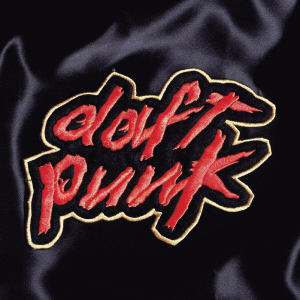
Homework, Daft Punk, 1997
Homework is where the list starts to feel less like a genre detour and more like an alternate history of rock records. The basic facts matter: Homework reached the UK top 10 and introduced Daft Punk internationally through singles such as 'Da Funk' and 'Around the World'. The original label story also matters for collectors, since the first vinyl era tells you how the album was positioned before later canon-building turned it into a safe recommendation. It first appeared through Virgin and Soma, with collector references often pointing to V 2821 on UK double LP editions. For anyone searching bins, those label and catalog clues help separate a nice listening copy from a copy that carries original-period appeal.
The recording context is part of the record's power. Thomas Bangalter and Guy-Manuel de Homem-Christo made much of the record with a home-studio mindset, which is why the title is more than a joke. The album is raw French house, with drum machines, filtered loops, acid bass, and repetition that feels closer to garage rock practice than polished pop production. That is the reason it works for rock listeners. The album does not simply ask you to admire equipment; it gives the equipment dramatic roles. The kick pattern can act like a drummer, a sequencer can act like a rhythm guitarist, and a synth line can carry the same instant-recognition function as a classic riff. On a turntable, those choices become physical. Bass weight, stereo movement, and the quiet between parts tell you more than a phone speaker ever will.
From a collecting standpoint, Original double vinyl and early Soma-related pressings attract collectors because this is Daft Punk before the helmets became a global visual brand. Later reissues are often the sensible play copy. Electronic records can be deceptively condition sensitive. A scuffed rock LP can sometimes hide damage under guitars and cymbals, but a synth intro, a long fade, or a stripped-down drum-machine passage will reveal crackle immediately. That is why these albums reward the same careful buying habits you would use for jazz or ambient records: inspect under bright light, ask about play grading, avoid suspiciously cheap copies with vague condition notes, and do not assume a famous title automatically means an easy upgrade later.
The first tracks to play are simple: 'Da Funk', 'Around the World', 'Revolution 909', and 'Alive' are the essential cuts. On vinyl, the rough edges and club spacing make more sense than they do as background streaming. If you are coming from rock, listen for structure before genre. Notice where tension builds, where the hook returns, and how the album uses side breaks. Homework is for rock fans who like raw debuts. It has attitude, repetition, and recognizable riffs, but the riffs are filters, bass lines, and drum-machine patterns. That is also why it belongs in a What's Spinning collection rather than just a streaming playlist. When you log repeat plays, you will see which of these records becomes a real part of your listening life, not just something you respect historically. Source: Wikipedia album entry.
-

Discovery, Daft Punk, 2001
Discovery is where the list starts to feel less like a genre detour and more like an alternate history of rock records. The basic facts matter: Discovery reached number 2 in the UK and number 23 on the Billboard 200, pushing Daft Punk from club phenomenon toward global pop mythology. The original label story also matters for collectors, since the first vinyl era tells you how the album was positioned before later canon-building turned it into a safe recommendation. It first appeared through Virgin, with collector references often pointing to V2940 on UK and European LP editions. For anyone searching bins, those label and catalog clues help separate a nice listening copy from a copy that carries original-period appeal.
The recording context is part of the record's power. The duo leaned into sampling, vocoders, soft-rock memory, disco, and anime-era world building, later tied visually to Interstella 5555. The sound is glossy but not sterile. Side by side with Homework, it shows what happens when house repetition gets filtered through classic rock album ambition and pop songwriting. That is the reason it works for rock listeners. The album does not simply ask you to admire equipment; it gives the equipment dramatic roles. The kick pattern can act like a drummer, a sequencer can act like a rhythm guitarist, and a synth line can carry the same instant-recognition function as a classic riff. On a turntable, those choices become physical. Bass weight, stereo movement, and the quiet between parts tell you more than a phone speaker ever will.
From a collecting standpoint, Vinyl buyers should pay attention to side length, pressing condition, and whether they want an original Virgin copy or a modern reissue. This album is popular enough that clean copies move quickly. Electronic records can be deceptively condition sensitive. A scuffed rock LP can sometimes hide damage under guitars and cymbals, but a synth intro, a long fade, or a stripped-down drum-machine passage will reveal crackle immediately. That is why these albums reward the same careful buying habits you would use for jazz or ambient records: inspect under bright light, ask about play grading, avoid suspiciously cheap copies with vague condition notes, and do not assume a famous title automatically means an easy upgrade later.
The first tracks to play are simple: 'One More Time', 'Digital Love', 'Harder, Better, Faster, Stronger', and 'Something About Us' are the immediate hooks, but the full LP sequence is the point. If you are coming from rock, listen for structure before genre. Notice where tension builds, where the hook returns, and how the album uses side breaks. Discovery is electronic music as a fantasy jukebox. Rock fans who love concept records, studio craft, and big choruses usually understand it fast, even if the guitars are mostly ghosts. That is also why it belongs in a What's Spinning collection rather than just a streaming playlist. When you log repeat plays, you will see which of these records becomes a real part of your listening life, not just something you respect historically. Source: Wikipedia album entry.
-
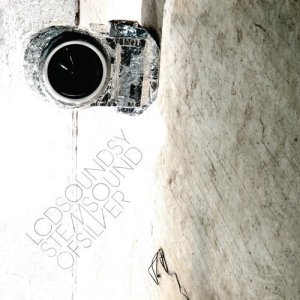
Sound of Silver, LCD Soundsystem, 2007
Sound of Silver is where the list starts to feel less like a genre detour and more like an alternate history of rock records. The basic facts matter: Sound of Silver reached number 46 on the Billboard 200 and number 28 in the UK, and it earned a Grammy nomination for Best Electronic or Dance Album. The original label story also matters for collectors, since the first vinyl era tells you how the album was positioned before later canon-building turned it into a safe recommendation. It first appeared through DFA and Capitol, with collector references often pointing to DFAEMI 2164 on LP editions. For anyone searching bins, those label and catalog clues help separate a nice listening copy from a copy that carries original-period appeal.
The recording context is part of the record's power. James Murphy made the album as both producer and bandleader, folding live drums, bass, analog synths, cowbell, and disco-punk repetition into a studio record that still breathes. It is clean enough for dance music and loose enough for rock. 'Someone Great' and 'All My Friends' prove that electronic structure can carry middle-aged ache, friendship, loss, and momentum. That is the reason it works for rock listeners. The album does not simply ask you to admire equipment; it gives the equipment dramatic roles. The kick pattern can act like a drummer, a sequencer can act like a rhythm guitarist, and a synth line can carry the same instant-recognition function as a classic riff. On a turntable, those choices become physical. Bass weight, stereo movement, and the quiet between parts tell you more than a phone speaker ever will.
From a collecting standpoint, The DFA vinyl presentation suits the music because the album was always tied to DJ culture and indie-rock rooms at the same time. Quiet copies matter most on the long builds. Electronic records can be deceptively condition sensitive. A scuffed rock LP can sometimes hide damage under guitars and cymbals, but a synth intro, a long fade, or a stripped-down drum-machine passage will reveal crackle immediately. That is why these albums reward the same careful buying habits you would use for jazz or ambient records: inspect under bright light, ask about play grading, avoid suspiciously cheap copies with vague condition notes, and do not assume a famous title automatically means an easy upgrade later.
The first tracks to play are simple: 'Get Innocuous!', 'Someone Great', 'All My Friends', and 'New York, I Love You but You're Bringing Me Down' are the must-hear run. If you are coming from rock, listen for structure before genre. Notice where tension builds, where the hook returns, and how the album uses side breaks. This is the closing argument: electronic albums can have bands, sweat, jokes, grief, and catharsis. It is also a reminder that a record collection gets better when the dance records sit near the rock records. That is also why it belongs in a What's Spinning collection rather than just a streaming playlist. When you log repeat plays, you will see which of these records becomes a real part of your listening life, not just something you respect historically. Source: Wikipedia album entry.
What to buy first
If you want the most rock-friendly first purchase, start with Violator, Pretty Hate Machine, or Mezzanine. If you want the historical foundation, buy Autobahn and Trans-Europe Express. If you want records that make a turntable and speakers feel like a small club, go for Dig Your Own Hole, The Fat of the Land, and Homework. For late-night listening, Dummy, Dubnobasswithmyheadman, and Sound of Silver are the ones most likely to become repeat plays rather than reference points.
FAQ
What makes an electronic album good for rock fans?
The best crossover records keep things rock listeners already understand, riffs, dynamics, album pacing, strong vocals, or a frontman presence, while changing the tools. Instead of guitar distortion you may hear filter sweep, sampler grit, sequenced bass, or drum-machine pressure.
Should I buy original pressings or reissues of these albums?
Buy originals when the price and condition make sense, especially for artwork-heavy albums such as Power, Corruption & Lies or era-defining dance records like Dig Your Own Hole. For records with deep bass or quiet passages, a clean modern reissue is often better than a noisy original.
Are electronic records harder to judge on vinyl?
They can be. Electronic music often exposes groove wear, off-center pressings, and weak low-frequency playback. Bring headphones when possible, check seller notes carefully, and prioritize clean surfaces for albums like Dummy, Mezzanine, and Violator.
How can What's Spinning help with a list like this?
What's Spinning listens to your turntable and logs what you play, so you can see whether these crossover albums actually enter your rotation. That is especially useful when you are building a shelf across rock, post-punk, synth-pop, trip-hop, and dance records.
A spreadsheet tracks what you own. What's Spinning identifies what's playing.
On-device vinyl ID logs your listening history automatically. 7-day free trial.
Looking for Shazam for vinyl?
What's Spinning identifies what's playing on your turntable on-device, logs history, and AirPlays now-playing to your TV.
Comparing vinyl ID apps?
Analog requires Discogs and is iPhone-first (iPad coming). What's Spinning works without Discogs on iPhone and iPad with AirPlay.
Try What's Spinning Free
Turn your iPad into a live now-playing display. Track every record you spin.
START FREE TRIALThen $4.99/mo or $39.99/yr · Cancel anytime
Get it on your iPhone
Open on iPhone