Why Gen Z Is Dusting Off Turntables: The Vinyl Revival That Defies the Streaming Age
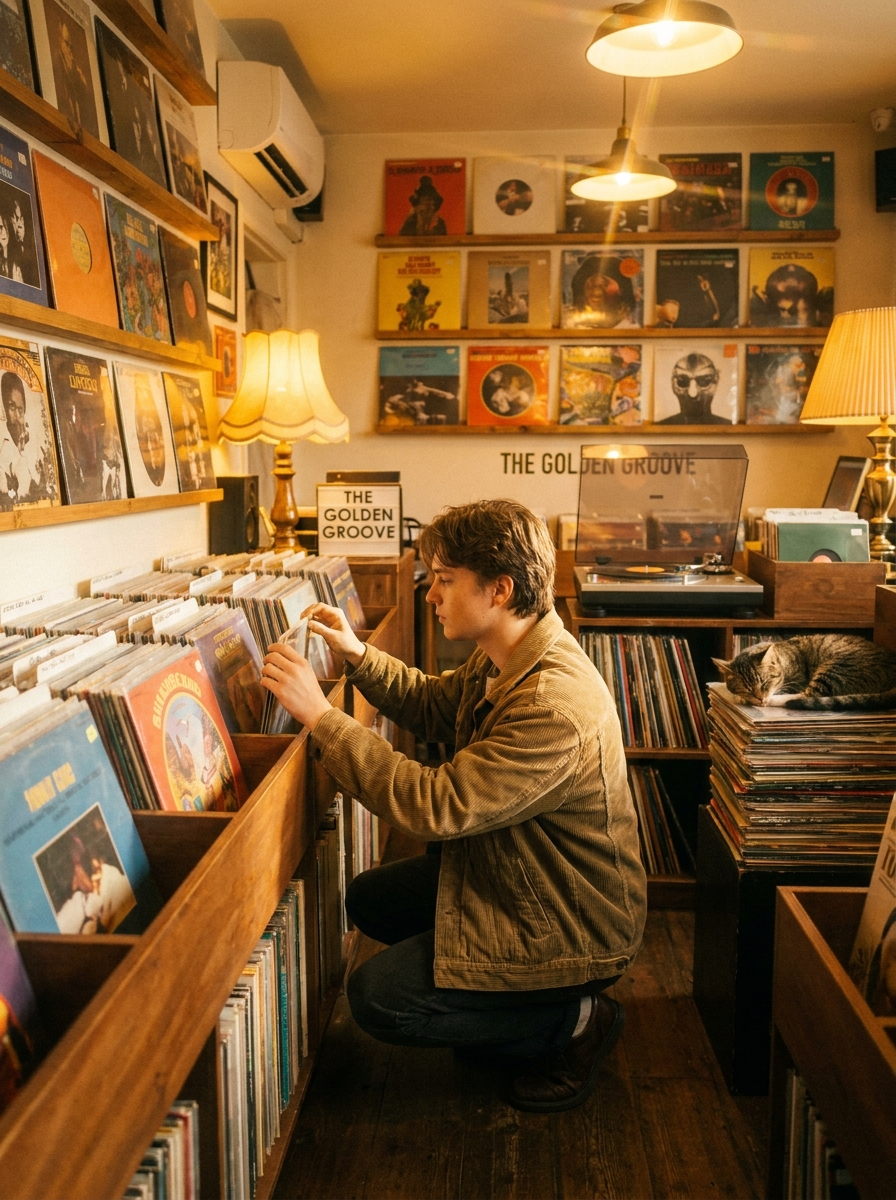
It is 2024, and somewhere in a college dorm room or urban apartment, a 21-year-old is carefully removing a translucent orange vinyl record from its sleeve, placing it on a turntable, and watching the platter spin to life. This scene would have seemed almost quaint in the early 2010s when music streaming promised to make physical formats obsolete. Yet here we are, in the middle of a genuine vinyl renaissance, and the most surprising cohort driving it is the generation that grew up with smartphones permanently in hand.
The numbers tell a striking story. Vinyl record sales in the United States have now grown for 17 consecutive years, with 2023 marking the first time since 1987 that vinyl outsold CDs. But the most remarkable statistic concerns age demographics: according to a 2023 Recording Industry Association of America (RIAA) report, listeners under 35 now represent approximately 51 percent of all vinyl album purchases, a stunning reversal from decades past when the format was dominated by older collectors and audiophiles. This is not nostalgia for a format that predated their birth; this is something entirely new.
The vinyl revival among Gen Z did not happen overnight. It began building gradually in the mid-2010s, coinciding with the rise of music-focused content on platforms like YouTube and early Instagram. By 2019, the trend was unmistakable. Record store traffic increased noticeably among teenagers and young adults in their early twenties. Independent vinyl pressing plants that had nearly vanished in the 2000s began reopening and expanding. The pandemic accelerated this shift, as millions of stuck-at-home young people sought meaningful ways to engage with music beyond passive streaming, and vinyl sales surged 29 percent in 2020 alone.
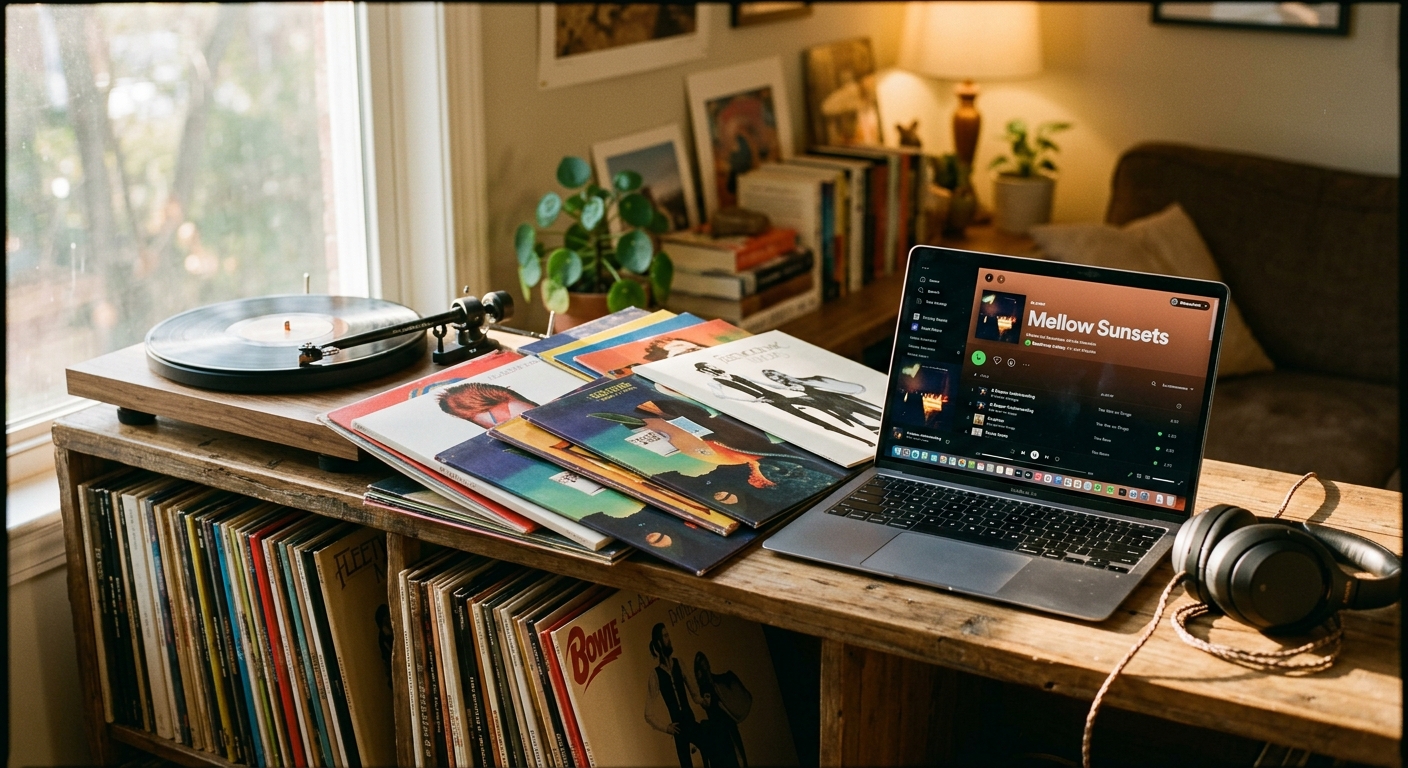
When examining which artists resonate most with young vinyl buyers, the data reveals a fascinating blend of contemporary stars and legacy acts. Taylor Swift has consistently been one of the top-selling vinyl artists among Gen Z buyers, with her limited edition pressings of albums like Midnights and Folklore becoming collector's items. Billie Eilish, who rose to fame entirely within the streaming era, has also posted remarkable vinyl numbers, with her debut When We All Fall Asleep, Where Do We Go? becoming a vinyl bestseller for years after its release. Indie rock acts like Phoebe Bridgers and Japanese Breakfast have built devoted vinyl-following fanbases among younger listeners. Perhaps most tellingly, Gen Z has shown strong interest in classic rock and jazz vinyl pressings, discovering Fleetwood Mac, Pink Floyd, and John Coltrane through the format rather than through algorithmic playlists.
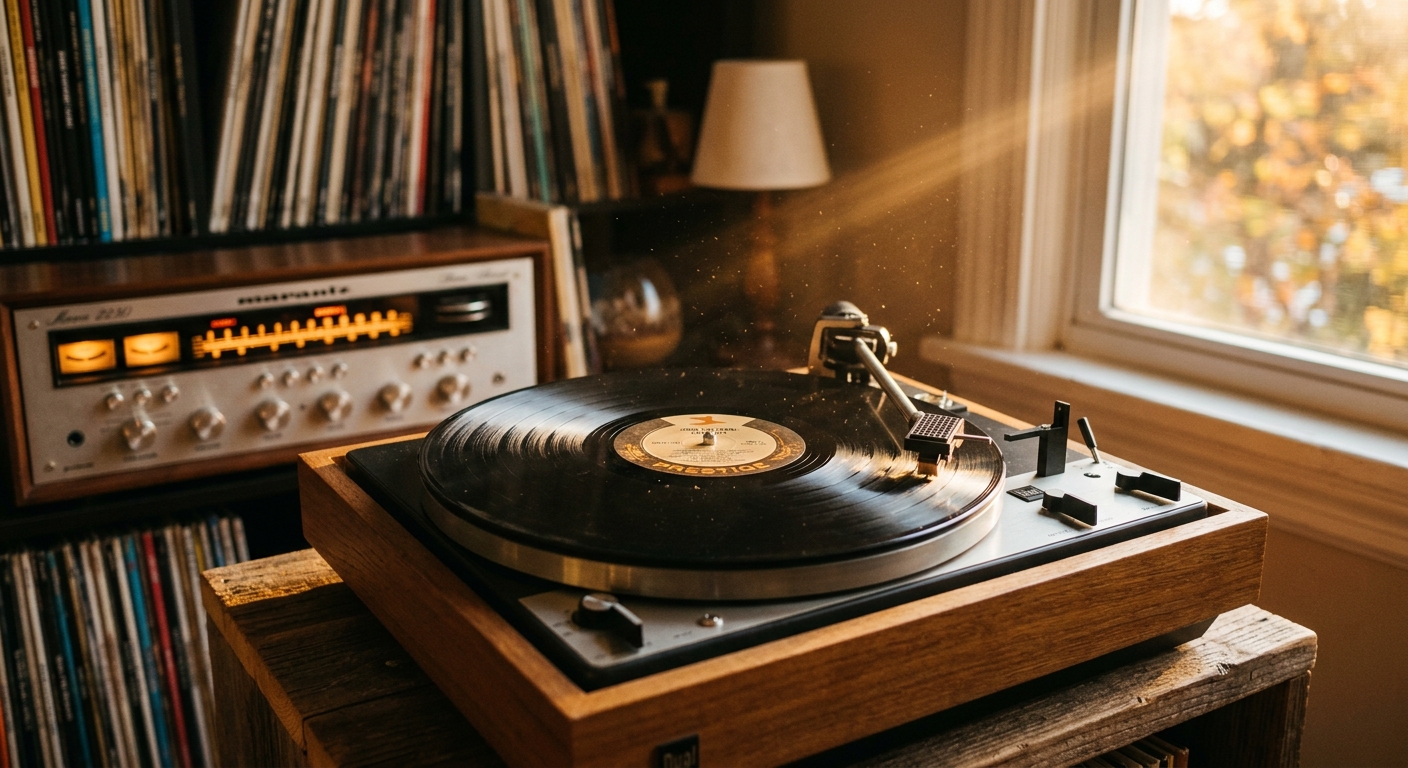
The reasons Gen Z chooses vinyl over convenient streaming are multiple and deeply rooted in psychology. The most commonly cited factor is intentionality. Streaming encourages passive consumption, with millions of tracks available at a moment's notice and the average listener cycling through hundreds of songs per day without truly focusing on any of them. Vinyl demands engagement. You must select an album, remove it from its sleeve, clean the record, and commit to an uninterrupted listening experience of perhaps 40 to 50 minutes. For young people who grew up overwhelmed by infinite digital choice, this bounded ritual feels liberating rather than limiting.
Social media, particularly TikTok, has played an enormous role in vinyl discovery and enthusiasm-sharing among Gen Z. Vinyl-focused content consistently goes viral on the platform, with videos showing record store hauls, turntable setups, colored pressing variations, and crate-digging adventures generating millions of views. The hashtag #VinylTok has billions of cumulative views, creating a feedback loop where seeing peers engage with physical music inspires others to try it themselves. Artists have noticed this dynamic and increasingly release collectible vinyl variants specifically designed for social media unboxing moments, with limited runs, alternate cover art, and colored pressings that photograph dramatically. This self-reinforcing cycle has made vinyl both a listening format and a content creation medium for young people.
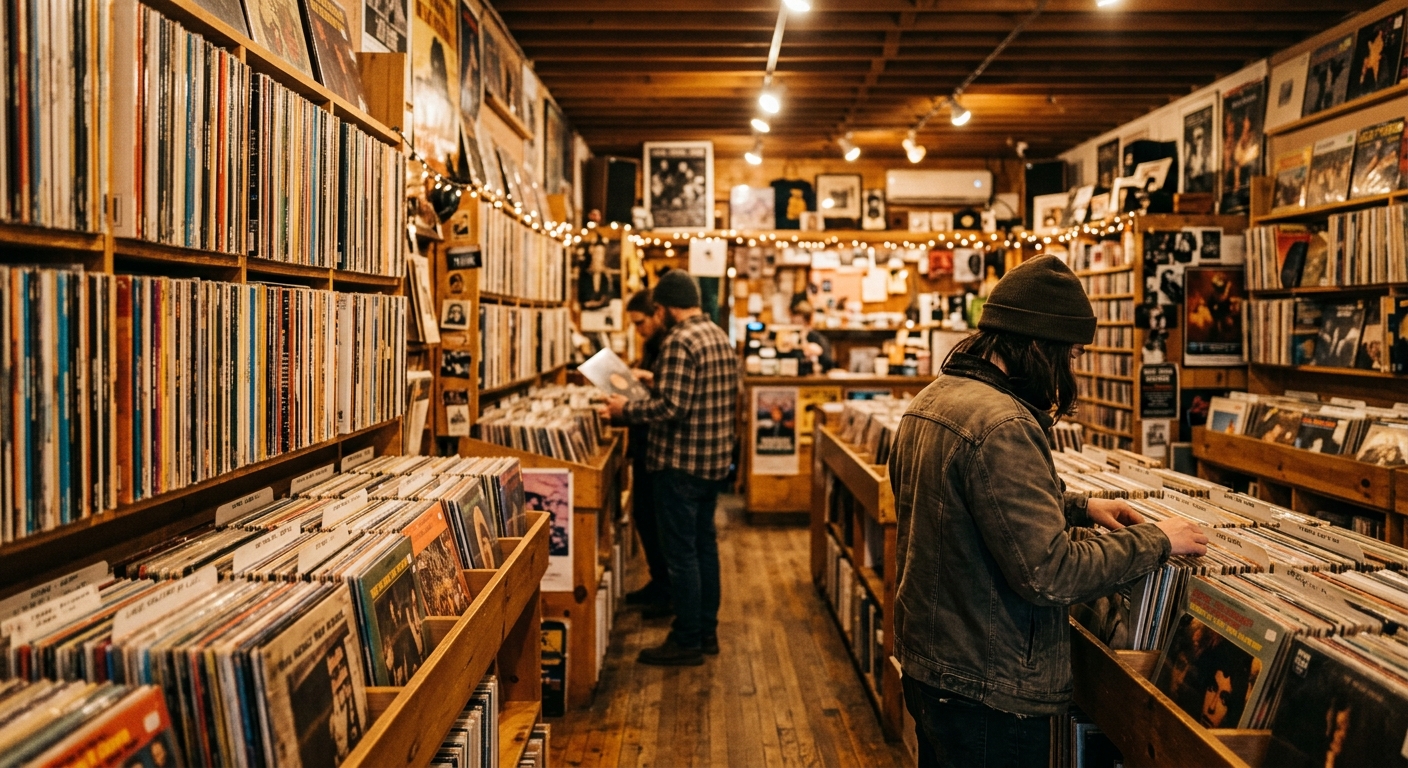
The record store itself has become an unexpected social hub for Gen Z. Unlike the solitary experience of streaming, vinyl shopping is inherently tactile and communal. Young buyers post photos of their finds, share tips about which pressing plants produce the best quality, and debate whether a specific album was worth the investment. Several major cities have reported significant increases in record store foot traffic among customers under 25, and independent shops that once struggled to attract anyone under 40 now count teenagers as regulars. This physical gathering point satisfies a deeper human need for community that pure digital engagement cannot fully address.
There are several counterintuitive findings that make the Gen Z vinyl trend particularly fascinating. Despite being the most digitally native generation, Gen Z shows strong resistance to purely digital music experiences. They are the generation most likely to seek out tangible goods across many categories, from printed books to physical trading cards, and vinyl fits neatly into this broader pattern. Perhaps most surprising, many young vinyl buyers report that the sound quality argument, often cited by older audiophiles, is not their primary motivation. While vinyl's warm analog sound does appeal to some, many Gen Z collectors are equally drawn to the album artwork, liner notes, and physical ownership that streaming completely lacks. They are not buying vinyl because it sounds objectively better; they are buying it because it feels better.
The economics of vinyl collecting also surprise many observers. Young people, despite facing significant financial pressures from student debt and housing costs, are allocating meaningful spending to vinyl. The average vinyl LP costs between $25 and $40, and special editions frequently run $50 or more, yet sales continue to grow. This suggests that for many young buyers, vinyl represents a considered investment in something they genuinely value, even amid broader consumer caution.
The Gen Z vinyl revival ultimately tells us something profound about what young people are seeking in an age of digital abundance. They have unlimited access to virtually any music ever recorded, yet they choose to spend money on a single album that demands their full attention. They can scroll through infinite feeds of content, yet they treasure the intentional experience of visiting a record store and finding something special. In a culture of infinite options and perpetual distraction, vinyl represents a radical act of curation and commitment. It is about owning a piece of something, not merely having access to it, and for a generation often criticized for being perpetually online, vinyl offers something increasingly rare: a reason to be fully present in the moment, needle dropping into groove, and letting an album play out exactly as the artist intended.
A spreadsheet tracks what you own. What's Spinning identifies what's playing.
On-device vinyl ID logs your listening history automatically. 7-day free trial.
Looking for Shazam for vinyl?
What's Spinning identifies what's playing on your turntable on-device, logs history, and AirPlays now-playing to your TV.
Comparing vinyl ID apps?
Analog requires Discogs and is iPhone-first (iPad coming). What's Spinning works without Discogs on iPhone and iPad with AirPlay.
Try What's Spinning Free
Turn your iPad into a live now-playing display. Track every record you spin.
START FREE TRIALThen $4.99/mo or $39.99/yr · Cancel anytime