Albums Every Vinyl Collector Should Own
Ask ten record collectors for the albums every vinyl collector should own and you will get ten passionate, slightly unreasonable answers. That is part of the fun. Vinyl collecting is personal, but a few albums have earned near-universal shelf space because they combine great songs, memorable sleeves, serious production, and enough pressing history to keep collectors curious for years.
This is not a museum checklist. It is a listening-first guide for people who actually lower the stylus. The albums below span jazz, soul, rock, pop, punk, hip-hop, folk, and alternative music because a healthy vinyl shelf should do more than prove taste. It should teach your ears what different rooms, producers, labels, and eras sound like.
The ranking weighs four things: musical importance, vinyl appeal, availability, and how rewarding the record is as a full album. I also included chart performance, certifications, production details, pressing notes, and cover art so you can use the list as a buying guide rather than a vague canon.
Essential albums every vinyl collector should own
-

The Dark Side of the Moon, Pink Floyd, 1973
The Dark Side of the Moon belongs on a list of the albums every vinyl collector should own because it is not merely a famous record. It is a record that teaches you something about owning music physically. The album’s reputation is backed by hard numbers: No. 1 on the Billboard 200 and No. 2 on the UK Albums Chart, with RIAA 15x Platinum in the United States and one of the longest-running albums in Billboard 200 history [source]. Those facts matter because they explain why copies exist in so many versions, countries, and price tiers. A collector can usually choose between original pressings, mainstream reissues, audiophile editions, and budget used-bin copies, then decide whether history, sound quality, packaging, or price matters most.
The original release story is part of the appeal. This album is commonly associated with Harvest SMAS-11163 in the United States and Harvest SHVL 804 in the United Kingdom, recorded at Abbey Road Studios in London, and produced by Pink Floyd, with Alan Parsons engineering. Sonically, it stands out for tape loops, heartbeat effects, spoken-word fragments, clocks, cash registers, saxophone, and carefully layered synthesizers. That is exactly why the LP format helps. A good pressing lets the center image, bass weight, vocal placement, and side breaks become part of the experience. Streaming can tell you the songs are great, but vinyl asks you to hear how the album is paced and how the room opens up from track to track. Essential cuts include Time, Money, Us and Them, Brain Damage, Eclipse, yet the real argument is front-to-back listening.
From a buying perspective, early UK solid blue triangle Harvest pressings are famous collector targets, while clean 30th Anniversary and later audiophile reissues remain practical listening copies. The practical rule is to buy the cleanest copy you can afford rather than chasing status blindly. Check the dead wax, sleeve condition, inner sleeves, booklet or inserts when relevant, and whether the version you are buying has the original mix, a later remix, or a remaster. Discogs release pages, RIAA and BPI certification databases, Official Charts, and the album’s Wikipedia page are useful starting points, but your turntable gives the final answer. A pricey pressing with groove wear is still a bad copy. A modest reissue that tracks quietly can be the copy you actually play every month.
Its genre importance is just as strong as its collector appeal. The reason this record keeps coming up in record-store conversations is simple: it proves that studio craft, conceptual pacing, and rock songwriting can turn a side of vinyl into a continuous experience. It also gives your collection balance. A shelf made only of obscure finds can be fun, but these canonical albums become reference points for sound, songwriting, sleeve design, sequencing, and cultural history. They are the records friends recognize when they flip through your crates, and they are also the records that can make a quiet evening feel ceremonial. If you use What’s Spinning to log your turntable sessions, albums like this reveal their value over time because they are not just owned, they are replayed.
-
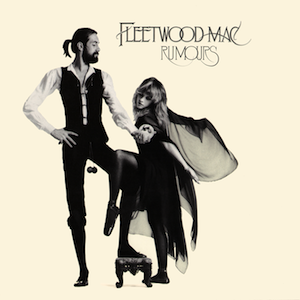
Rumours, Fleetwood Mac, 1977
Rumours belongs on a list of the albums every vinyl collector should own because it is not merely a famous record. It is a record that teaches you something about owning music physically. The album’s reputation is backed by hard numbers: No. 1 on the Billboard 200 and No. 1 on the UK Albums Chart, with RIAA 21x Platinum in the United States and Diamond-level status in several markets [source]. Those facts matter because they explain why copies exist in so many versions, countries, and price tiers. A collector can usually choose between original pressings, mainstream reissues, audiophile editions, and budget used-bin copies, then decide whether history, sound quality, packaging, or price matters most.
The original release story is part of the appeal. This album is commonly associated with Warner Bros. BSK 3010 in the United States, recorded at Record Plant in Sausalito, Wally Heider Studios, and other California rooms, and produced by Fleetwood Mac, Ken Caillat, and Richard Dashut. Sonically, it stands out for close vocal harmonies, dry drums, layered guitars, bright piano, and immaculate West Coast mixing. That is exactly why the LP format helps. A good pressing lets the center image, bass weight, vocal placement, and side breaks become part of the experience. Streaming can tell you the songs are great, but vinyl asks you to hear how the album is paced and how the room opens up from track to track. Essential cuts include Dreams, Go Your Own Way, The Chain, Gold Dust Woman, You Make Loving Fun, yet the real argument is front-to-back listening.
From a buying perspective, Kendun-stamped US copies and clean early Warner Bros. pressings are common targets, but condition matters because quiet ballads expose surface noise. The practical rule is to buy the cleanest copy you can afford rather than chasing status blindly. Check the dead wax, sleeve condition, inner sleeves, booklet or inserts when relevant, and whether the version you are buying has the original mix, a later remix, or a remaster. Discogs release pages, RIAA and BPI certification databases, Official Charts, and the album’s Wikipedia page are useful starting points, but your turntable gives the final answer. A pricey pressing with groove wear is still a bad copy. A modest reissue that tracks quietly can be the copy you actually play every month.
Its genre importance is just as strong as its collector appeal. The reason this record keeps coming up in record-store conversations is simple: it is the rare blockbuster that still feels intimate, and vinyl highlights the tension between gloss, heartbreak, and groove. It also gives your collection balance. A shelf made only of obscure finds can be fun, but these canonical albums become reference points for sound, songwriting, sleeve design, sequencing, and cultural history. They are the records friends recognize when they flip through your crates, and they are also the records that can make a quiet evening feel ceremonial. If you use What’s Spinning to log your turntable sessions, albums like this reveal their value over time because they are not just owned, they are replayed.
-

Abbey Road, The Beatles, 1969
Abbey Road belongs on a list of the albums every vinyl collector should own because it is not merely a famous record. It is a record that teaches you something about owning music physically. The album’s reputation is backed by hard numbers: No. 1 in both the United Kingdom and the United States, with RIAA 12x Platinum in the United States [source]. Those facts matter because they explain why copies exist in so many versions, countries, and price tiers. A collector can usually choose between original pressings, mainstream reissues, audiophile editions, and budget used-bin copies, then decide whether history, sound quality, packaging, or price matters most.
The original release story is part of the appeal. This album is commonly associated with Apple PCS 7088 in the United Kingdom and Apple SO-383 in the United States, recorded at EMI Studios, later renamed Abbey Road Studios, and produced by George Martin. Sonically, it stands out for eight-track recording, polished vocal stacks, Moog synthesizer color, and one of rock music’s most famous side-two medleys. That is exactly why the LP format helps. A good pressing lets the center image, bass weight, vocal placement, and side breaks become part of the experience. Streaming can tell you the songs are great, but vinyl asks you to hear how the album is paced and how the room opens up from track to track. Essential cuts include Come Together, Something, Here Comes the Sun, I Want You, The End, yet the real argument is front-to-back listening.
From a buying perspective, UK Apple first pressings with correct matrix details and strong sleeves remain desirable, while the 2019 remix is a widely available modern alternative. The practical rule is to buy the cleanest copy you can afford rather than chasing status blindly. Check the dead wax, sleeve condition, inner sleeves, booklet or inserts when relevant, and whether the version you are buying has the original mix, a later remix, or a remaster. Discogs release pages, RIAA and BPI certification databases, Official Charts, and the album’s Wikipedia page are useful starting points, but your turntable gives the final answer. A pricey pressing with groove wear is still a bad copy. A modest reissue that tracks quietly can be the copy you actually play every month.
Its genre importance is just as strong as its collector appeal. The reason this record keeps coming up in record-store conversations is simple: it captures the LP as a designed object, from the street-crossing cover to the side-two suite. It also gives your collection balance. A shelf made only of obscure finds can be fun, but these canonical albums become reference points for sound, songwriting, sleeve design, sequencing, and cultural history. They are the records friends recognize when they flip through your crates, and they are also the records that can make a quiet evening feel ceremonial. If you use What’s Spinning to log your turntable sessions, albums like this reveal their value over time because they are not just owned, they are replayed.
-

Kind of Blue, Miles Davis, 1959
Kind of Blue belongs on a list of the albums every vinyl collector should own because it is not merely a famous record. It is a record that teaches you something about owning music physically. The album’s reputation is backed by hard numbers: a slow-burning jazz landmark rather than a pop-chart sprint, later certified 5x Platinum by the RIAA, with RIAA 5x Platinum in the United States [source]. Those facts matter because they explain why copies exist in so many versions, countries, and price tiers. A collector can usually choose between original pressings, mainstream reissues, audiophile editions, and budget used-bin copies, then decide whether history, sound quality, packaging, or price matters most.
The original release story is part of the appeal. This album is commonly associated with Columbia CL 1355 mono and CS 8163 stereo, recorded at Columbia 30th Street Studio in New York, and produced by Irving Townsend, with Teo Macero involved in the Columbia jazz era. Sonically, it stands out for modal composition, spacious solos, natural room tone, and an ensemble that includes John Coltrane, Cannonball Adderley, Bill Evans, Paul Chambers, and Jimmy Cobb. That is exactly why the LP format helps. A good pressing lets the center image, bass weight, vocal placement, and side breaks become part of the experience. Streaming can tell you the songs are great, but vinyl asks you to hear how the album is paced and how the room opens up from track to track. Essential cuts include So What, Freddie Freeloader, Blue in Green, All Blues, Flamenco Sketches, yet the real argument is front-to-back listening.
From a buying perspective, six-eye Columbia originals are valuable, but high-quality modern reissues from Legacy, Mobile Fidelity, and Acoustic Sounds make better sense for many listeners. The practical rule is to buy the cleanest copy you can afford rather than chasing status blindly. Check the dead wax, sleeve condition, inner sleeves, booklet or inserts when relevant, and whether the version you are buying has the original mix, a later remix, or a remaster. Discogs release pages, RIAA and BPI certification databases, Official Charts, and the album’s Wikipedia page are useful starting points, but your turntable gives the final answer. A pricey pressing with groove wear is still a bad copy. A modest reissue that tracks quietly can be the copy you actually play every month.
Its genre importance is just as strong as its collector appeal. The reason this record keeps coming up in record-store conversations is simple: it is a reference record for tone, space, and the way acoustic instruments breathe on vinyl. It also gives your collection balance. A shelf made only of obscure finds can be fun, but these canonical albums become reference points for sound, songwriting, sleeve design, sequencing, and cultural history. They are the records friends recognize when they flip through your crates, and they are also the records that can make a quiet evening feel ceremonial. If you use What’s Spinning to log your turntable sessions, albums like this reveal their value over time because they are not just owned, they are replayed.
-
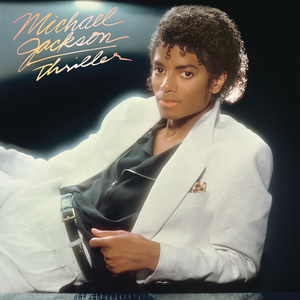
Thriller, Michael Jackson, 1982
Thriller belongs on a list of the albums every vinyl collector should own because it is not merely a famous record. It is a record that teaches you something about owning music physically. The album’s reputation is backed by hard numbers: No. 1 on the Billboard 200 and a global chart phenomenon, with RIAA 34x Platinum in the United States, widely cited as the best-selling album of all time [source]. Those facts matter because they explain why copies exist in so many versions, countries, and price tiers. A collector can usually choose between original pressings, mainstream reissues, audiophile editions, and budget used-bin copies, then decide whether history, sound quality, packaging, or price matters most.
The original release story is part of the appeal. This album is commonly associated with Epic QE 38112 in the United States, recorded at Westlake Recording Studios in Los Angeles, and produced by Quincy Jones. Sonically, it stands out for state-of-the-art early 1980s pop production, tight rhythm sections, layered backing vocals, Eddie Van Halen’s guitar feature, and immaculate mixing by Bruce Swedien. That is exactly why the LP format helps. A good pressing lets the center image, bass weight, vocal placement, and side breaks become part of the experience. Streaming can tell you the songs are great, but vinyl asks you to hear how the album is paced and how the room opens up from track to track. Essential cuts include Billie Jean, Beat It, Thriller, Human Nature, Wanna Be Startin’ Somethin’, yet the real argument is front-to-back listening.
From a buying perspective, original Epic copies are plentiful, but finding a glossy, low-noise copy with the gatefold and lyric inner in excellent condition is harder than the sales numbers imply. The practical rule is to buy the cleanest copy you can afford rather than chasing status blindly. Check the dead wax, sleeve condition, inner sleeves, booklet or inserts when relevant, and whether the version you are buying has the original mix, a later remix, or a remaster. Discogs release pages, RIAA and BPI certification databases, Official Charts, and the album’s Wikipedia page are useful starting points, but your turntable gives the final answer. A pricey pressing with groove wear is still a bad copy. A modest reissue that tracks quietly can be the copy you actually play every month.
Its genre importance is just as strong as its collector appeal. The reason this record keeps coming up in record-store conversations is simple: it shows how pop, R&B, rock, funk, and MTV-era spectacle can coexist on a perfectly sequenced LP. It also gives your collection balance. A shelf made only of obscure finds can be fun, but these canonical albums become reference points for sound, songwriting, sleeve design, sequencing, and cultural history. They are the records friends recognize when they flip through your crates, and they are also the records that can make a quiet evening feel ceremonial. If you use What’s Spinning to log your turntable sessions, albums like this reveal their value over time because they are not just owned, they are replayed.
-
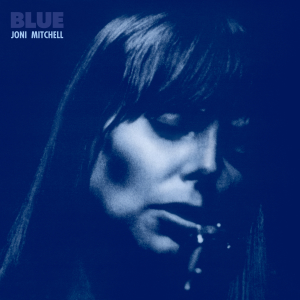
Blue, Joni Mitchell, 1971
Blue belongs on a list of the albums every vinyl collector should own because it is not merely a famous record. It is a record that teaches you something about owning music physically. The album’s reputation is backed by hard numbers: No. 15 on the Billboard 200 and No. 3 on the UK Albums Chart, with RIAA Platinum in the United States and highly ranked in major critics polls [source]. Those facts matter because they explain why copies exist in so many versions, countries, and price tiers. A collector can usually choose between original pressings, mainstream reissues, audiophile editions, and budget used-bin copies, then decide whether history, sound quality, packaging, or price matters most.
The original release story is part of the appeal. This album is commonly associated with Reprise MS 2038, recorded at A&M Studios in Hollywood, and produced by Joni Mitchell. Sonically, it stands out for open-tuned guitar, piano, Appalachian dulcimer, close vocal presence, and very little studio clutter. That is exactly why the LP format helps. A good pressing lets the center image, bass weight, vocal placement, and side breaks become part of the experience. Streaming can tell you the songs are great, but vinyl asks you to hear how the album is paced and how the room opens up from track to track. Essential cuts include All I Want, My Old Man, Carey, River, A Case of You, yet the real argument is front-to-back listening.
From a buying perspective, early Reprise copies are sought after, but the album is unforgiving of groove wear because the arrangements leave so much open air around the voice. The practical rule is to buy the cleanest copy you can afford rather than chasing status blindly. Check the dead wax, sleeve condition, inner sleeves, booklet or inserts when relevant, and whether the version you are buying has the original mix, a later remix, or a remaster. Discogs release pages, RIAA and BPI certification databases, Official Charts, and the album’s Wikipedia page are useful starting points, but your turntable gives the final answer. A pricey pressing with groove wear is still a bad copy. A modest reissue that tracks quietly can be the copy you actually play every month.
Its genre importance is just as strong as its collector appeal. The reason this record keeps coming up in record-store conversations is simple: it makes emotional directness feel like an audiophile value, not just a lyrical one. It also gives your collection balance. A shelf made only of obscure finds can be fun, but these canonical albums become reference points for sound, songwriting, sleeve design, sequencing, and cultural history. They are the records friends recognize when they flip through your crates, and they are also the records that can make a quiet evening feel ceremonial. If you use What’s Spinning to log your turntable sessions, albums like this reveal their value over time because they are not just owned, they are replayed.
-

Pet Sounds, The Beach Boys, 1966
Pet Sounds belongs on a list of the albums every vinyl collector should own because it is not merely a famous record. It is a record that teaches you something about owning music physically. The album’s reputation is backed by hard numbers: No. 10 on the Billboard 200 and No. 2 on the UK Albums Chart, with RIAA Platinum in the United States [source]. Those facts matter because they explain why copies exist in so many versions, countries, and price tiers. A collector can usually choose between original pressings, mainstream reissues, audiophile editions, and budget used-bin copies, then decide whether history, sound quality, packaging, or price matters most.
The original release story is part of the appeal. This album is commonly associated with Capitol T 2458 mono in the United States, recorded at Western, Gold Star, and Sunset Sound in Los Angeles, and produced by Brian Wilson. Sonically, it stands out for orchestral pop, bicycle bells, theremin-like textures, harpsichord, tack piano, layered percussion, and dense mono mixing. That is exactly why the LP format helps. A good pressing lets the center image, bass weight, vocal placement, and side breaks become part of the experience. Streaming can tell you the songs are great, but vinyl asks you to hear how the album is paced and how the room opens up from track to track. Essential cuts include Wouldn’t It Be Nice, Sloop John B, God Only Knows, Caroline, No, I Just Wasn’t Made for These Times, yet the real argument is front-to-back listening.
From a buying perspective, mono is central to the original experience, so collectors often compare Capitol originals, Brother/Reprise issues, and audiophile mono reissues before buying. The practical rule is to buy the cleanest copy you can afford rather than chasing status blindly. Check the dead wax, sleeve condition, inner sleeves, booklet or inserts when relevant, and whether the version you are buying has the original mix, a later remix, or a remaster. Discogs release pages, RIAA and BPI certification databases, Official Charts, and the album’s Wikipedia page are useful starting points, but your turntable gives the final answer. A pricey pressing with groove wear is still a bad copy. A modest reissue that tracks quietly can be the copy you actually play every month.
Its genre importance is just as strong as its collector appeal. The reason this record keeps coming up in record-store conversations is simple: it is one of the clearest examples of the studio-as-instrument ideal becoming a vinyl-era masterpiece. It also gives your collection balance. A shelf made only of obscure finds can be fun, but these canonical albums become reference points for sound, songwriting, sleeve design, sequencing, and cultural history. They are the records friends recognize when they flip through your crates, and they are also the records that can make a quiet evening feel ceremonial. If you use What’s Spinning to log your turntable sessions, albums like this reveal their value over time because they are not just owned, they are replayed.
-

What’s Going On, Marvin Gaye, 1971
What’s Going On belongs on a list of the albums every vinyl collector should own because it is not merely a famous record. It is a record that teaches you something about owning music physically. The album’s reputation is backed by hard numbers: No. 6 on the Billboard 200 and No. 1 on Billboard’s Soul LPs chart, with RIAA Platinum in the United States [source]. Those facts matter because they explain why copies exist in so many versions, countries, and price tiers. A collector can usually choose between original pressings, mainstream reissues, audiophile editions, and budget used-bin copies, then decide whether history, sound quality, packaging, or price matters most.
The original release story is part of the appeal. This album is commonly associated with Tamla TS 310, recorded at Hitsville U.S.A., Golden World, and United Sound in Detroit, and produced by Marvin Gaye. Sonically, it stands out for congas, strings, jazz harmony, layered lead vocals, and seamless social-soul transitions. That is exactly why the LP format helps. A good pressing lets the center image, bass weight, vocal placement, and side breaks become part of the experience. Streaming can tell you the songs are great, but vinyl asks you to hear how the album is paced and how the room opens up from track to track. Essential cuts include What’s Going On, Mercy Mercy Me, Inner City Blues, Flyin’ High, Right On, yet the real argument is front-to-back listening.
From a buying perspective, original Tamla copies have huge historical appeal, but they often played at parties for decades, so careful grading is essential. The practical rule is to buy the cleanest copy you can afford rather than chasing status blindly. Check the dead wax, sleeve condition, inner sleeves, booklet or inserts when relevant, and whether the version you are buying has the original mix, a later remix, or a remaster. Discogs release pages, RIAA and BPI certification databases, Official Charts, and the album’s Wikipedia page are useful starting points, but your turntable gives the final answer. A pricey pressing with groove wear is still a bad copy. A modest reissue that tracks quietly can be the copy you actually play every month.
Its genre importance is just as strong as its collector appeal. The reason this record keeps coming up in record-store conversations is simple: it turns the LP into a moral conversation, and its warmth makes it a natural fit for a home turntable. It also gives your collection balance. A shelf made only of obscure finds can be fun, but these canonical albums become reference points for sound, songwriting, sleeve design, sequencing, and cultural history. They are the records friends recognize when they flip through your crates, and they are also the records that can make a quiet evening feel ceremonial. If you use What’s Spinning to log your turntable sessions, albums like this reveal their value over time because they are not just owned, they are replayed.
-

Songs in the Key of Life, Stevie Wonder, 1976
Songs in the Key of Life belongs on a list of the albums every vinyl collector should own because it is not merely a famous record. It is a record that teaches you something about owning music physically. The album’s reputation is backed by hard numbers: debuted at No. 1 on the Billboard 200 and won the Grammy Award for Album of the Year, with RIAA Diamond in the United States [source]. Those facts matter because they explain why copies exist in so many versions, countries, and price tiers. A collector can usually choose between original pressings, mainstream reissues, audiophile editions, and budget used-bin copies, then decide whether history, sound quality, packaging, or price matters most.
The original release story is part of the appeal. This album is commonly associated with Tamla T13-340C2, originally issued as a two-LP set with a bonus EP, recorded at Crystal Sound, Record Plant, and other major studios across a long recording period, and produced by Stevie Wonder. Sonically, it stands out for synth bass, jazz-funk rhythm sections, gospel harmonies, orchestration, Latin percussion, and carefully arranged backing vocals. That is exactly why the LP format helps. A good pressing lets the center image, bass weight, vocal placement, and side breaks become part of the experience. Streaming can tell you the songs are great, but vinyl asks you to hear how the album is paced and how the room opens up from track to track. Essential cuts include Sir Duke, I Wish, As, Pastime Paradise, Isn’t She Lovely, yet the real argument is front-to-back listening.
From a buying perspective, complete original copies should include the bonus EP and booklet, which makes condition and completeness part of the hunt. The practical rule is to buy the cleanest copy you can afford rather than chasing status blindly. Check the dead wax, sleeve condition, inner sleeves, booklet or inserts when relevant, and whether the version you are buying has the original mix, a later remix, or a remaster. Discogs release pages, RIAA and BPI certification databases, Official Charts, and the album’s Wikipedia page are useful starting points, but your turntable gives the final answer. A pricey pressing with groove wear is still a bad copy. A modest reissue that tracks quietly can be the copy you actually play every month.
Its genre importance is just as strong as its collector appeal. The reason this record keeps coming up in record-store conversations is simple: it is maximalist soul music made for flipping sides, reading credits, and living with the record as an object. It also gives your collection balance. A shelf made only of obscure finds can be fun, but these canonical albums become reference points for sound, songwriting, sleeve design, sequencing, and cultural history. They are the records friends recognize when they flip through your crates, and they are also the records that can make a quiet evening feel ceremonial. If you use What’s Spinning to log your turntable sessions, albums like this reveal their value over time because they are not just owned, they are replayed.
-
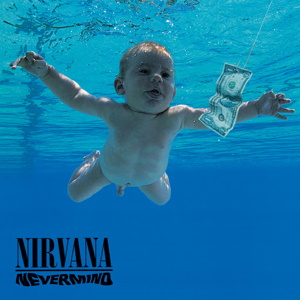
Nevermind, Nirvana, 1991
Nevermind belongs on a list of the albums every vinyl collector should own because it is not merely a famous record. It is a record that teaches you something about owning music physically. The album’s reputation is backed by hard numbers: No. 1 on the Billboard 200 after unseating Michael Jackson’s Dangerous, with RIAA Diamond in the United States [source]. Those facts matter because they explain why copies exist in so many versions, countries, and price tiers. A collector can usually choose between original pressings, mainstream reissues, audiophile editions, and budget used-bin copies, then decide whether history, sound quality, packaging, or price matters most.
The original release story is part of the appeal. This album is commonly associated with DGC DGC-24425, recorded at Sound City Studios in Van Nuys and Smart Studios demos in Wisconsin, and produced by Butch Vig. Sonically, it stands out for loud-quiet dynamics, double-tracked guitars, polished punk energy, and Andy Wallace’s radio-ready mix. That is exactly why the LP format helps. A good pressing lets the center image, bass weight, vocal placement, and side breaks become part of the experience. Streaming can tell you the songs are great, but vinyl asks you to hear how the album is paced and how the room opens up from track to track. Essential cuts include Smells Like Teen Spirit, Come as You Are, Lithium, In Bloom, Something in the Way, yet the real argument is front-to-back listening.
From a buying perspective, original vinyl was not pressed in the same huge numbers as the CD, so early LP copies are prized while modern reissues are the sensible play copies. The practical rule is to buy the cleanest copy you can afford rather than chasing status blindly. Check the dead wax, sleeve condition, inner sleeves, booklet or inserts when relevant, and whether the version you are buying has the original mix, a later remix, or a remaster. Discogs release pages, RIAA and BPI certification databases, Official Charts, and the album’s Wikipedia page are useful starting points, but your turntable gives the final answer. A pricey pressing with groove wear is still a bad copy. A modest reissue that tracks quietly can be the copy you actually play every month.
Its genre importance is just as strong as its collector appeal. The reason this record keeps coming up in record-store conversations is simple: it is the hinge point where underground guitar culture became mainstream without losing its voltage. It also gives your collection balance. A shelf made only of obscure finds can be fun, but these canonical albums become reference points for sound, songwriting, sleeve design, sequencing, and cultural history. They are the records friends recognize when they flip through your crates, and they are also the records that can make a quiet evening feel ceremonial. If you use What’s Spinning to log your turntable sessions, albums like this reveal their value over time because they are not just owned, they are replayed.
-
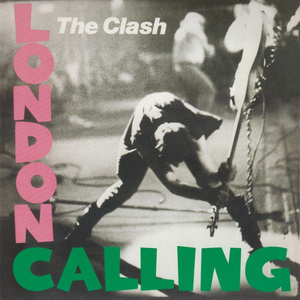
London Calling, The Clash, 1979
London Calling belongs on a list of the albums every vinyl collector should own because it is not merely a famous record. It is a record that teaches you something about owning music physically. The album’s reputation is backed by hard numbers: No. 9 on the UK Albums Chart and No. 27 on the Billboard Pop Albums chart, with RIAA Platinum in the United States [source]. Those facts matter because they explain why copies exist in so many versions, countries, and price tiers. A collector can usually choose between original pressings, mainstream reissues, audiophile editions, and budget used-bin copies, then decide whether history, sound quality, packaging, or price matters most.
The original release story is part of the appeal. This album is commonly associated with CBS CLASH 3 in the United Kingdom and Epic E2 36328 in the United States, recorded at Wessex Sound Studios in London, and produced by Guy Stevens. Sonically, it stands out for punk, reggae, rockabilly, ska, R&B, and pub-rock looseness captured with urgent band-in-a-room energy. That is exactly why the LP format helps. A good pressing lets the center image, bass weight, vocal placement, and side breaks become part of the experience. Streaming can tell you the songs are great, but vinyl asks you to hear how the album is paced and how the room opens up from track to track. Essential cuts include London Calling, Spanish Bombs, Lost in the Supermarket, The Guns of Brixton, Train in Vain, yet the real argument is front-to-back listening.
From a buying perspective, early UK CBS double-LP copies with strong sleeves are favorites, partly because the Elvis-referencing cover is one of rock’s great design jokes. The practical rule is to buy the cleanest copy you can afford rather than chasing status blindly. Check the dead wax, sleeve condition, inner sleeves, booklet or inserts when relevant, and whether the version you are buying has the original mix, a later remix, or a remaster. Discogs release pages, RIAA and BPI certification databases, Official Charts, and the album’s Wikipedia page are useful starting points, but your turntable gives the final answer. A pricey pressing with groove wear is still a bad copy. A modest reissue that tracks quietly can be the copy you actually play every month.
Its genre importance is just as strong as its collector appeal. The reason this record keeps coming up in record-store conversations is simple: it teaches a collector that punk’s LP canon is broader, warmer, and more musically literate than the stereotype. It also gives your collection balance. A shelf made only of obscure finds can be fun, but these canonical albums become reference points for sound, songwriting, sleeve design, sequencing, and cultural history. They are the records friends recognize when they flip through your crates, and they are also the records that can make a quiet evening feel ceremonial. If you use What’s Spinning to log your turntable sessions, albums like this reveal their value over time because they are not just owned, they are replayed.
-

OK Computer, Radiohead, 1997
OK Computer belongs on a list of the albums every vinyl collector should own because it is not merely a famous record. It is a record that teaches you something about owning music physically. The album’s reputation is backed by hard numbers: No. 1 on the UK Albums Chart and No. 21 on the Billboard 200, with RIAA 2x Platinum in the United States and multi-platinum in the United Kingdom [source]. Those facts matter because they explain why copies exist in so many versions, countries, and price tiers. A collector can usually choose between original pressings, mainstream reissues, audiophile editions, and budget used-bin copies, then decide whether history, sound quality, packaging, or price matters most.
The original release story is part of the appeal. This album is commonly associated with Parlophone NODATA 02 in the United Kingdom and Capitol in the United States, recorded at St Catherine’s Court and Canned Applause sessions in England, and produced by Nigel Godrich and Radiohead. Sonically, it stands out for layered guitars, Mellotron, processed vocals, room ambience, sharp digital edits, and long dynamic arcs. That is exactly why the LP format helps. A good pressing lets the center image, bass weight, vocal placement, and side breaks become part of the experience. Streaming can tell you the songs are great, but vinyl asks you to hear how the album is paced and how the room opens up from track to track. Essential cuts include Airbag, Paranoid Android, Karma Police, No Surprises, Lucky, yet the real argument is front-to-back listening.
From a buying perspective, UK originals and later XL reissues both have devoted fans, but this is a record where quiet vinyl matters because the soft passages carry as much drama as the explosions. The practical rule is to buy the cleanest copy you can afford rather than chasing status blindly. Check the dead wax, sleeve condition, inner sleeves, booklet or inserts when relevant, and whether the version you are buying has the original mix, a later remix, or a remaster. Discogs release pages, RIAA and BPI certification databases, Official Charts, and the album’s Wikipedia page are useful starting points, but your turntable gives the final answer. A pricey pressing with groove wear is still a bad copy. A modest reissue that tracks quietly can be the copy you actually play every month.
Its genre importance is just as strong as its collector appeal. The reason this record keeps coming up in record-store conversations is simple: it bridges classic album ambition and modern alienation, making it essential for collectors who want rock beyond nostalgia. It also gives your collection balance. A shelf made only of obscure finds can be fun, but these canonical albums become reference points for sound, songwriting, sleeve design, sequencing, and cultural history. They are the records friends recognize when they flip through your crates, and they are also the records that can make a quiet evening feel ceremonial. If you use What’s Spinning to log your turntable sessions, albums like this reveal their value over time because they are not just owned, they are replayed.
-

The Miseducation of Lauryn Hill, Lauryn Hill, 1998
The Miseducation of Lauryn Hill belongs on a list of the albums every vinyl collector should own because it is not merely a famous record. It is a record that teaches you something about owning music physically. The album’s reputation is backed by hard numbers: debuted at No. 1 on the Billboard 200 and won the Grammy Award for Album of the Year, with RIAA Diamond in the United States [source]. Those facts matter because they explain why copies exist in so many versions, countries, and price tiers. A collector can usually choose between original pressings, mainstream reissues, audiophile editions, and budget used-bin copies, then decide whether history, sound quality, packaging, or price matters most.
The original release story is part of the appeal. This album is commonly associated with Ruffhouse and Columbia C2 69035, recorded at Chung King Studios in New York, Tuff Gong in Jamaica, and other rooms, and produced by Lauryn Hill, with contributors from the New Ark collective. Sonically, it stands out for hip-hop drums, live soul instrumentation, reggae touchpoints, classroom interludes, stacked vocals, and intimate lead performances. That is exactly why the LP format helps. A good pressing lets the center image, bass weight, vocal placement, and side breaks become part of the experience. Streaming can tell you the songs are great, but vinyl asks you to hear how the album is paced and how the room opens up from track to track. Essential cuts include Doo Wop, Ex-Factor, Lost Ones, To Zion, Everything Is Everything, yet the real argument is front-to-back listening.
From a buying perspective, original late-1990s vinyl can command serious money, so many listeners choose anniversary or standard reissues while checking side breaks and pressing reviews. The practical rule is to buy the cleanest copy you can afford rather than chasing status blindly. Check the dead wax, sleeve condition, inner sleeves, booklet or inserts when relevant, and whether the version you are buying has the original mix, a later remix, or a remaster. Discogs release pages, RIAA and BPI certification databases, Official Charts, and the album’s Wikipedia page are useful starting points, but your turntable gives the final answer. A pricey pressing with groove wear is still a bad copy. A modest reissue that tracks quietly can be the copy you actually play every month.
Its genre importance is just as strong as its collector appeal. The reason this record keeps coming up in record-store conversations is simple: it is one of the clearest arguments for hip-hop and neo-soul as full album art on vinyl. It also gives your collection balance. A shelf made only of obscure finds can be fun, but these canonical albums become reference points for sound, songwriting, sleeve design, sequencing, and cultural history. They are the records friends recognize when they flip through your crates, and they are also the records that can make a quiet evening feel ceremonial. If you use What’s Spinning to log your turntable sessions, albums like this reveal their value over time because they are not just owned, they are replayed.
-

Illmatic, Nas, 1994
Illmatic belongs on a list of the albums every vinyl collector should own because it is not merely a famous record. It is a record that teaches you something about owning music physically. The album’s reputation is backed by hard numbers: No. 12 on the Billboard 200 and No. 2 on Top R&B/Hip-Hop Albums, with RIAA 2x Platinum in the United States [source]. Those facts matter because they explain why copies exist in so many versions, countries, and price tiers. A collector can usually choose between original pressings, mainstream reissues, audiophile editions, and budget used-bin copies, then decide whether history, sound quality, packaging, or price matters most.
The original release story is part of the appeal. This album is commonly associated with Columbia CK 57684 and associated LP editions, recorded at Battery, Chung King, D&D, and Unique Recording in New York, and produced by DJ Premier, Pete Rock, Q-Tip, Large Professor, and L.E.S.. Sonically, it stands out for jazz samples, hard drums, lean sequencing, New York room tone, and one of rap’s most focused vocal performances. That is exactly why the LP format helps. A good pressing lets the center image, bass weight, vocal placement, and side breaks become part of the experience. Streaming can tell you the songs are great, but vinyl asks you to hear how the album is paced and how the room opens up from track to track. Essential cuts include N.Y. State of Mind, The World Is Yours, Life’s a Bitch, Memory Lane, It Ain’t Hard to Tell, yet the real argument is front-to-back listening.
From a buying perspective, first pressings and early reissues are collectible, but the main buying rule is to avoid worn copies with inner-groove distortion because the record is short, dense, and lyric-forward. The practical rule is to buy the cleanest copy you can afford rather than chasing status blindly. Check the dead wax, sleeve condition, inner sleeves, booklet or inserts when relevant, and whether the version you are buying has the original mix, a later remix, or a remaster. Discogs release pages, RIAA and BPI certification databases, Official Charts, and the album’s Wikipedia page are useful starting points, but your turntable gives the final answer. A pricey pressing with groove wear is still a bad copy. A modest reissue that tracks quietly can be the copy you actually play every month.
Its genre importance is just as strong as its collector appeal. The reason this record keeps coming up in record-store conversations is simple: it demonstrates how a compact hip-hop LP can feel cinematic without wasting a bar. It also gives your collection balance. A shelf made only of obscure finds can be fun, but these canonical albums become reference points for sound, songwriting, sleeve design, sequencing, and cultural history. They are the records friends recognize when they flip through your crates, and they are also the records that can make a quiet evening feel ceremonial. If you use What’s Spinning to log your turntable sessions, albums like this reveal their value over time because they are not just owned, they are replayed.
-
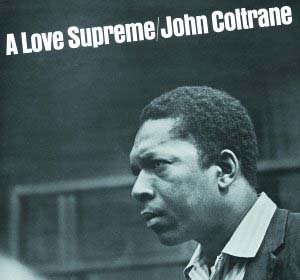
A Love Supreme, John Coltrane, 1965
A Love Supreme belongs on a list of the albums every vinyl collector should own because it is not merely a famous record. It is a record that teaches you something about owning music physically. The album’s reputation is backed by hard numbers: a jazz best-seller for Impulse! that reached far beyond the usual hard-bop audience, with RIAA Platinum in the United States [source]. Those facts matter because they explain why copies exist in so many versions, countries, and price tiers. A collector can usually choose between original pressings, mainstream reissues, audiophile editions, and budget used-bin copies, then decide whether history, sound quality, packaging, or price matters most.
The original release story is part of the appeal. This album is commonly associated with Impulse! A-77 mono and AS-77 stereo, recorded at Van Gelder Studio in Englewood Cliffs, New Jersey, and produced by Bob Thiele. Sonically, it stands out for spiritual suite structure, Elvin Jones’s rolling cymbals, Jimmy Garrison’s grounding bass figure, McCoy Tyner’s block chords, and Rudy Van Gelder’s focused room sound. That is exactly why the LP format helps. A good pressing lets the center image, bass weight, vocal placement, and side breaks become part of the experience. Streaming can tell you the songs are great, but vinyl asks you to hear how the album is paced and how the room opens up from track to track. Essential cuts include Acknowledgement, Resolution, Pursuance, Psalm, yet the real argument is front-to-back listening.
From a buying perspective, orange-and-black Impulse! originals are trophy pieces, but the Acoustic Sounds and other carefully mastered reissues make the music reachable without lottery-level pricing. The practical rule is to buy the cleanest copy you can afford rather than chasing status blindly. Check the dead wax, sleeve condition, inner sleeves, booklet or inserts when relevant, and whether the version you are buying has the original mix, a later remix, or a remaster. Discogs release pages, RIAA and BPI certification databases, Official Charts, and the album’s Wikipedia page are useful starting points, but your turntable gives the final answer. A pricey pressing with groove wear is still a bad copy. A modest reissue that tracks quietly can be the copy you actually play every month.
Its genre importance is just as strong as its collector appeal. The reason this record keeps coming up in record-store conversations is simple: it is the jazz LP as prayer, suite, and sound-system test in one package. It also gives your collection balance. A shelf made only of obscure finds can be fun, but these canonical albums become reference points for sound, songwriting, sleeve design, sequencing, and cultural history. They are the records friends recognize when they flip through your crates, and they are also the records that can make a quiet evening feel ceremonial. If you use What’s Spinning to log your turntable sessions, albums like this reveal their value over time because they are not just owned, they are replayed.
What to buy first
If you are starting from zero, buy Kind of Blue, Rumours, Abbey Road, The Dark Side of the Moon, and What’s Going On first. That five-record starter shelf gives you acoustic jazz space, studio-rock detail, classic pop sequencing, progressive production, and soul warmth. After that, add Blue for intimate songwriting, London Calling for punk-era range, Illmatic for hip-hop precision, and A Love Supreme for spiritual jazz depth.
Do not let collector culture bully you into buying expensive originals immediately. Clean vinyl, honest grading, and versions you will actually play matter more. A well-loved shelf is built by listening, not by chasing trophy copies that never leave the outer sleeve.
Sources and further reading
- RIAA Gold and Platinum database
- BPI certified awards database
- Official Charts
- Discogs release and catalog listings
- Wikipedia album pages and Wikimedia cover files
FAQ
What album should a new vinyl collector buy first?
Start with a clean, affordable copy of Rumours, Abbey Road, Kind of Blue, or The Dark Side of the Moon. They are widely available, musically durable, and useful for learning how your turntable handles vocals, bass, stereo imaging, and surface noise.
Are original pressings always better than reissues?
No. Original pressings have historical appeal, but condition, mastering, and pressing quality matter more. A quiet modern reissue often beats a noisy first pressing, especially for albums with soft passages or dense production.
How many essential albums does a serious vinyl collection need?
There is no fixed number. A strong collection starts with 15 to 25 records you genuinely play, then grows around genres, artists, labels, and pressing details that interest you.
How should I track albums in my vinyl collection?
Track artist, title, pressing, label, catalog number, condition, and listening history. What’s Spinning helps because it focuses on what actually hits your turntable, turning your collection into a listening record instead of just an inventory.
A spreadsheet tracks what you own. What's Spinning identifies what's playing.
On-device vinyl ID logs your listening history automatically. 7-day free trial.
Looking for Shazam for vinyl?
What's Spinning identifies what's playing on your turntable on-device, logs history, and AirPlays now-playing to your TV.
Comparing vinyl ID apps?
Analog requires Discogs and is iPhone-first (iPad coming). What's Spinning works without Discogs on iPhone and iPad with AirPlay.
Try What's Spinning Free
Turn your iPad into a live now-playing display. Track every record you spin.
START FREE TRIALThen $4.99/mo or $39.99/yr · Cancel anytime
Get it on your iPhone
Open on iPhone