Best Albums of 1993 on Vinyl: 20 Essential Records for Collectors
1993 is one of those years that looks bigger the longer you collect records. Alternative rock was no longer a secret language, hip-hop was splitting into wildly different regional and production identities, shoegaze was being dismissed in real time while quietly building a future audience, and electronic pop was moving into brighter, more synthetic spaces. For vinyl collectors, that makes the year especially interesting. These albums arrived when the CD had become the default format for many buyers, so original LP pressings can be scarcer, stranger, and more expensive than their cultural familiarity suggests.
The current vinyl market keeps that tension alive. The RIAA's 2023 year-end report said U.S. vinyl revenue grew 10 percent to $1.4 billion and LP/EP shipments reached 43.2 million units. In its 2024 year-end report materials, Luminate continued to frame physical formats and superfans as major industry stories. Meanwhile, historical data from Billboard and SoundScan shows how huge 1993 was commercially: Pearl Jam's Vs. and Snoop Doggy Dogg's Doggystyle both set first-week sales marks covered by the Los Angeles Times and Los Angeles Times music business reporting.
This list is built for listeners who care about albums as physical objects, not only as ranked nostalgia. Cover art, side breaks, production choices, pressing history, and reissue practicality all matter. If you track your collection in What's Spinning, 1993 is a great year to watch because it separates records you respect from records you actually play often. The best copy is not always the rarest one; it is the copy that lets the album's particular character come through.
Sources used for album details include the linked Wikipedia album pages below, Billboard and SoundScan reporting preserved through contemporary coverage, RIAA market reports, Luminate industry materials, MusicBrainz release data, and cover images sourced from Wikipedia-hosted artwork.
The best albums of 1993 on vinyl
-

In Utero, Nirvana, 1993
Steve Albini's room sound is the first reason collectors still argue about this record. In Utero was cut against the expectation that Nirvana should repeat the polished impact of Nevermind, so the guitars snarl, the drums hit with unpleasant closeness, and Kurt Cobain's voice often feels less mixed than confronted. The album was recorded at Pachyderm Studio in Minnesota, and the production controversy around later remix work on singles such as "Heart-Shaped Box" and "All Apologies" is part of its vinyl lore. On LP, that tension matters because the record is not merely louder or dirtier than its predecessor. It is shaped around discomfort, from the medical-anatomy cover image to the way side breaks make the album's extremes easier to absorb in two movements. Original pressings and later anniversary editions can feel like different arguments about the same songs, which makes this a fascinating title to compare rather than a simple one-copy-and-done purchase.
-

Siamese Dream, The Smashing Pumpkins, 1993
Few 1993 rock albums reward close listening like Siamese Dream, partly because Billy Corgan and producer Butch Vig built its guitar sound as a kind of dense architecture. The record is famous for layered overdubs, huge fuzz tones, and a melodic sweetness that keeps the heaviness from turning gray. That makes vinyl an interesting format, especially on editions that give the low end and upper-midrange congestion enough space to separate. The original CD era encouraged volume and impact, but a good LP copy lets you hear how "Cherub Rock," "Today," and "Mayonaise" balance shoegaze scale with classic-rock construction. There is also a collector's-story element in the cover, which became one of the instantly recognizable alternative-rock sleeves of the decade. If you are buying it for sound, do not assume every pressing handles the wall of guitars equally; this is exactly the kind of album where mastering choices decide whether the record blooms or simply shouts.
-

Enter the Wu-Tang (36 Chambers), Wu-Tang Clan, 1993
The grime is not an accident, it is the operating principle. RZA's production on Enter the Wu-Tang (36 Chambers) uses chopped soul fragments, martial-arts dialogue, brittle drums, and negative space to make Staten Island sound like a mythic bunker. The album arrived on Loud Records in November 1993, and its impact on underground rap, group chemistry, and independent-minded hip-hop business strategy is difficult to overstate. Vinyl copies put extra focus on the record's physicality: the stark cover, the raw vocal placement, the way each MC enters like a new character rather than another guest verse. It is not an audiophile showpiece in the glossy sense, and that is precisely why clean copies matter. Surface noise can either feel like atmosphere or become a distraction, depending on condition. For collectors, this is one of the clearest examples of a 1990s album whose rough edges became part of the canon instead of something later remasters needed to fix.
-
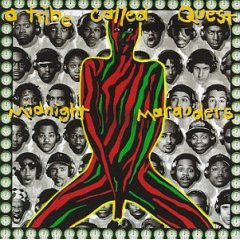
Midnight Marauders, A Tribe Called Quest, 1993
A different kind of 1993 hip-hop classic, Midnight Marauders turns polish into personality. The low end is warm, the jazz samples are handled with conversational ease, and the programmed guide voice gives the album a late-night travelogue feel rather than a conventional skit structure. Q-Tip and Phife Dawg sound relaxed without ever becoming casual, which is harder than it looks. The sleeve is a collector's object because its portrait grid connects the record to a wider hip-hop community, a visual roll call that still invites close inspection. On vinyl, the pleasure is in flow: "Award Tour," "Electric Relaxation," and "Oh My God" feel like pieces of one long route through the city. If 36 Chambers made 1993 feel tense and cinematic, this album made it feel spacious, funny, and supremely controlled.
-
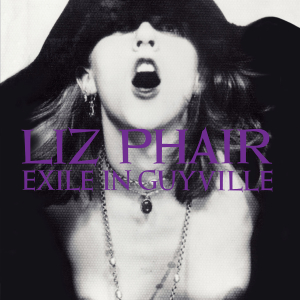
Exile in Guyville, Liz Phair, 1993
Liz Phair's debut still feels startling because its intimacy is so unsentimental. Exile in Guyville was framed in relation to the male-dominated indie-rock world around Chicago's Wicker Park scene, and Phair's loose response to the sprawl of the Rolling Stones' Exile on Main St. gave critics an irresistible entry point. The better reason to own it on vinyl is the album's voice: dry, funny, explicit, wounded, and often sharper than the guitar tones surrounding it. Matador's original issue has become a serious collector piece, while later reissues made the record accessible to listeners who know it more as a reputation than an object. Full-side listening helps the album because its 18 songs work through private contradictions, not just hooks. The sequencing lets bravado and vulnerability sit next to each other without resolving neatly, which is why the record still feels alive instead of archived.
-

Debut, Björk, 1993
Calling this album Debut was technically true for Björk's international solo career, but the music arrives with too much confidence to feel like a first try. Nellee Hooper's production places her between club culture, art-pop, house, jazz color, and orchestral drama, while songs like "Human Behaviour" and "Venus as a Boy" make eccentricity sound direct. The vinyl angle is not only nostalgia for the 1990s. It is about hearing the record's textures as arranged spaces: percussion that moves lightly, bass that avoids rock-band heaviness, strings that sweep in without turning the songs into costume drama. Early pressings can be expensive, and modern reissues vary by market, but the album itself remains a useful reminder that 1993 was not just grunge, gangsta rap, and Britpop preparation. Its cover, with Björk in a simple sweater against a pale background, also captures the album's trick: approachable at first glance, stranger the longer you stay with it.
-

Rid of Me, PJ Harvey, 1993
Silence is the weapon on Rid of Me. PJ Harvey and Steve Albini use volume jumps, dry drums, exposed bass, and almost frightening dynamic range to make the listener lean in and then flinch. That design can be punishing on casual playback, but it is exactly why vinyl collectors keep returning to it. A system with decent noise floor and clean tracking makes the quiet passages tense instead of merely low, while the eruptions feel physical rather than clipped. The album's cover photo, hair whipping across Harvey's face, matches the music's refusal to settle into a stable pose. Original Island-era copies have collector appeal, but the broader issue is whether your pressing preserves the dynamic contrast. This is not a record that wants to flatter bad setup choices. It rewards careful cartridge alignment, a little volume courage, and a room where unease is allowed to hang in the air.
-

So Tonight That I Might See, Mazzy Star, 1993
Mazzy Star's breakthrough is a reminder that a 1993 classic does not need to chase the decade's loudest gestures. So Tonight That I Might See drifts through blues, dream pop, folk-rock, and late-night psychedelia with a pace that can seem fragile until you notice how disciplined it is. "Fade Into You" became the signature, but the album's vinyl value comes from the surrounding atmosphere: slide guitar, organ haze, Hope Sandoval's close-mic restraint, and David Roback's patient sense of space. A noisy copy can harm this record more than it would harm a loud rock album, because the quiet is part of the arrangement. The cover's blurred, intimate photography fits the sound, making the LP feel less like a period artifact than a private room. Play it after the heavier records on this list and the contrast is instructive. 1993 also knew how to whisper.
-

Souvlaki, Slowdive, 1993
The reputation of Souvlaki has outgrown the hostile climate that first met it. Released as shoegaze was falling out of fashion in the British music press, Slowdive's second album later became a central text for listeners who valued texture, drift, and emotional ambiguity. Brian Eno contributed to the sessions, and tracks such as "Souvlaki Space Station" and "When the Sun Hits" show how the band could make guitars feel weightless without becoming vague. Vinyl is a natural home for this music because sides impose gentle borders on songs that might otherwise blur into the streaming background. The cover's saturated, abstract image is also ideal LP-scale artwork, less a logo than a weather system. Buyers should be alert to reissue differences, since demand for shoegaze staples has made many pressings circulate. A strong copy should let the guitars shimmer and recede, not collapse into a single gray cloud.
-
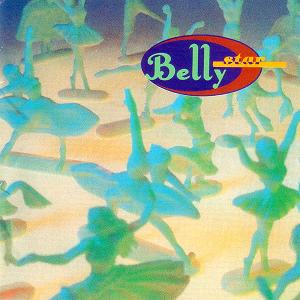
Star, Belly, 1993
Tanya Donelly's post-Throwing Muses, post-Breeders moment could have produced a cautious indie-rock debut; instead Star sounds bright, odd, and slightly haunted. "Feed the Tree" gave Belly a crossover hit, but the album is more than that single's chiming accessibility. Donelly writes melodies that seem friendly until the imagery tilts sideways, and the band keeps the arrangements crisp enough for college radio without sanding away the strangeness. As a vinyl title, Star benefits from its concise, side-friendly shape. It is the kind of record that can disappear if reduced to 1990s alternative nostalgia, yet the LP makes its identity clearer: sharp guitar pop, fairy-tale shadows, and a cover that practically glows from a shelf. Clean originals are attractive to collectors who want the decade's less macho branch of alternative rock, while reissues serve listeners who simply want the songs without chasing scarcity.
-

Last Splash, The Breeders, 1993
Kim Deal did not make a Pixies footnote here; she made one of the loosest-sounding major alternative hits of the decade. Last Splash has the instantly recognizable "Cannonball," but its charm is broader and weirder, full of bent hooks, dry humor, sudden shifts, and performances that feel spontaneous without falling apart. The production by Kim Deal and Mark Freegard leaves room for small textures, from bass thumps to vocal asides, and the album's sequencing keeps changing posture before complacency sets in. Vinyl suits its scrappy confidence. You can hear why this record connected with a wide audience without becoming polished in the usual 1993 alt-rock way. The sleeve art is simple and memorable, and original 4AD/Elektra-related copies have the kind of label-era appeal that collectors enjoy. If your 1993 shelf is getting too heavy, Last Splash restores mischief.
-

Transient Random-Noise Bursts with Announcements, Stereolab, 1993
Stereolab's first full-length album on Elektra in the United States feels like a lab bench covered with vintage keyboards, motorik rhythm, Marxist cool, French-pop fragments, and analog hum. Transient Random-Noise Bursts with Announcements is a mouthful of a title, but it tells you plenty about the band's method: repetition, signal, interruption, and texture as meaning. On vinyl, the album's drones and locked grooves make more sense than they do as isolated tracks. The listener is pulled into duration, not just melody. The cover image and typography also forecast the design intelligence that would become central to the group's collectible appeal. It is not the most immediately charming Stereolab record, and that is part of the point. This is where the machinery is still visible, clicking, buzzing, and moving toward the sleek retro-futurism that later records refined.
-

Gentlemen, The Afghan Whigs, 1993
Greg Dulli's narrator on Gentlemen is not asking to be liked, which gives the album its enduring discomfort. The Afghan Whigs fused soul melodrama with alternative-rock force, and the result is a record that sweats, pleads, manipulates, and indicts itself in nearly the same breath. Recorded after the band moved from Sub Pop toward a larger Elektra audience, the album has a major-label punch without losing the sour aftertaste that makes it distinctive. On vinyl, the emotional arc is easier to track because the songs feel like scenes from one long collapse rather than interchangeable singles. The cover, featuring a childhood photograph that contrasts sharply with the adult ugliness inside the songs, remains one of the decade's slyer visual moves. This is not comfort listening, but it is a crucial 1993 LP for collectors who want alternative rock with R&B tension, narrative detail, and real moral friction.
-

Very, Pet Shop Boys, 1993
The orange Lego-like case of Very is already a collecting argument before the music starts. Pet Shop Boys made their most visually playful package for an album that also feels unusually direct, emotional, and exuberant, with "Can You Forgive Her?" and their Village People cover "Go West" turning synth-pop into bright, theatrical architecture. Vinyl editions cannot reproduce the exact CD jewel-case object in the same way, but the artwork's boldness still matters at LP size. Musically, the record is a study in surface and confession. Neil Tennant's lyrics stay elegant, sometimes wounded, while Chris Lowe's arrangements embrace the early-90s club vocabulary without surrendering the duo's melodic precision. For collectors, Very is a useful reminder that 1993's best albums were not only guitar records. Pop modernism was thriving too, and this one looks fantastic filed beside darker sleeves.
-

Doggystyle, Snoop Doggy Dogg, 1993
Nothing about Snoop's debut felt modest in late 1993. Doggystyle arrived with Dr. Dre's G-funk production, a controversial cartoon cover, and a commercial blast that the Los Angeles Times reported as about 803,000 first-week copies, then a record for a debut in the SoundScan era. On vinyl, the album's elastic bass lines, whistling synths, and unhurried vocal cadences are the main attraction. Dre's production is cleaner and more luxurious than the East Coast grit of 36 Chambers, which makes the two records a perfect 1993 contrast. Collectors should also recognize the cultural baggage: the album was huge, influential, frequently criticized, and inseparable from Death Row's moment of dominance. A good LP copy turns the production into something tactile, especially when the low end stays controlled rather than boomy. It is a blockbuster, but the groove craft is why it still works on a turntable.
-

Black Sunday, Cypress Hill, 1993
Cypress Hill made crossover success sound smoky, paranoid, and instantly identifiable. Black Sunday opened with "I Wanna Get High" and then used "Insane in the Brain" to carry B-Real's nasal delivery and DJ Muggs' murky production far beyond a core rap audience. The album debuted at number one in the United States, an achievement that showed how quickly alternative youth culture, hip-hop, and MTV-era visibility were overlapping in 1993. Vinyl emphasizes Muggs' production choices: thick drums, eerie loops, and bass that feels heavy without the glossy sprawl of West Coast G-funk. The jacket's cemetery imagery gives the record a pulp-horror identity that still pops in a crate. Condition is worth watching because party play can be brutal on rap LPs from this period, and the hooks here encourage repeat spins. It is accessible, but its atmosphere is darker than memory sometimes admits.
-

August and Everything After, Counting Crows, 1993
A rootsy, literate rock record became one of the decade's slow-burn commercial giants. August and Everything After introduced Adam Duritz as a frontman whose long lines, bar-band imagery, and theatrical ache could turn "Mr. Jones" into a mass singalong while leaving the album around it moodier than the hit suggests. T Bone Burnett's production keeps the guitars, organ, and rhythm section earthy, resisting the harsher edges that define many 1993 alternative records. On vinyl, that warmth is the selling point. The songs work best when they feel like a band in a room, not a pile of radio memories. Original vinyl can be less common than CD copies because the marketplace had already shifted, which is true for many mainstream 1990s titles. That scarcity explains part of the collector interest, but the real reason to play it is pacing. It opens outward slowly, like a late-night drive through familiar streets.
-
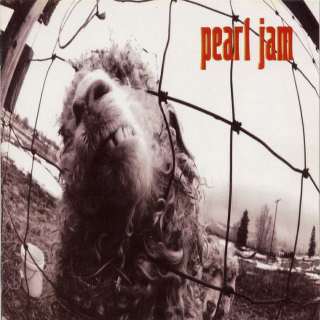
Vs., Pearl Jam, 1993
Commercially, Vs. was a phenomenon: the Los Angeles Times reported an estimated 950,000 first-week sales, at the time the biggest SoundScan opening. Artistically, the album is more agitated than that blockbuster number implies. Brendan O'Brien's production tightens Pearl Jam's attack, and Eddie Vedder sounds less like a new spokesman than someone trying to kick the podium over. "Go," "Animal," and "Rearviewmirror" race hard, while "Daughter" and "Elderly Woman Behind the Counter in a Small Town" give the record enough narrative breathing room to avoid one mood. The sheep cover is strange, plain, and memorable in a way that suits the band's anti-gloss posture. Vinyl buyers should compare editions carefully because 1990s originals can command money, while reissues make more sense for listeners who want clean playback without a trophy tax.
-
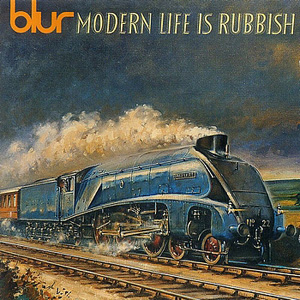
Modern Life Is Rubbish, Blur, 1993
Before Britpop became a tabloid sport, Blur used Modern Life Is Rubbish to reset their identity. The album looked backward to British guitar-pop traditions while reacting against grunge's American dominance, and that tension helped shape the scene that would soon explode. Damon Albarn's observational writing, Graham Coxon's wiry guitar, and the band's appetite for character sketches make the record feel more argumentative than nostalgic. The steam-train cover is not subtle, but it is effective: this is an album about national style, decay, pride, irritation, and pop history all at once. Vinyl suits its slightly overloaded personality because the sides break the long track list into digestible chapters. Collectors often talk first about Parklife, but Modern Life Is Rubbish is the more fascinating pivot, the moment Blur chose a lane and then made that lane messy enough to matter.
-

Zooropa, U2, 1993
U2 could have extended the triumph of Achtung Baby in safer fashion; instead Zooropa leaned into media overload, European electronics, irony, and late-night tour exhaustion. Recorded partly during the Zoo TV era, the album feels like a broadcast signal losing and finding itself. Brian Eno, Flood, and The Edge's texture-heavy approach gives the record a cooler surface than the band's 1980s work, while songs such as "Numb" and "Lemon" treat voice and persona as things to be processed. Vinyl makes the album's design logic easier to appreciate, from the saturated baby-cosmonaut cover to the way its grooves hold a band testing how far it could stretch after becoming enormous. It is not the obvious U2 starter LP, and that is its collector appeal. In a year crowded with debuts and breakthroughs, Zooropa captures superstars choosing risk over autopilot.
What to buy first
If you want a focused starter stack from 1993, buy across scenes instead of chasing one sound. In Utero gives you the year's abrasive rock argument, Enter the Wu-Tang (36 Chambers) captures underground hip-hop turning into mythology, Midnight Marauders offers the warmest full-album rap flow, Debut opens the door to art-pop and club textures, and Souvlaki represents the shoegaze record whose reputation improved dramatically with time.
For value, be practical. Many original 1993 LPs are expensive because the mass audience was buying CDs and cassettes, not because every original pressing is sonically magical. Check whether a modern reissue is cut well, pressed quietly, and easy to replace. Spend original-pressing money when the jacket, label, inserts, and mastering mean something to you personally. Save your budget for condition when the album depends on quiet passages, especially Mazzy Star, Slowdive, PJ Harvey, and Liz Phair.
FAQ
What was the biggest reason 1993 matters to vinyl collectors?
1993 sits in the awkward early-CD era, when many albums sold heavily on CD and cassette while vinyl runs were smaller. That can make original LP pressings of major 1993 albums more collectible than comparable 1970s or early-1980s rock records.
Are original 1993 vinyl pressings always better than reissues?
No. Originals can be desirable and sometimes scarce, but 1990s vinyl was not always pressed in huge quantities or treated gently. A well-mastered reissue can be the smarter listening copy if an original is noisy, overpriced, or cut from compromised production sources.
Which 1993 albums should I buy first on vinyl?
Start with In Utero, Enter the Wu-Tang (36 Chambers), Midnight Marauders, Siamese Dream, Debut, and Souvlaki. That group covers rock, hip-hop, art-pop, and shoegaze while showing how varied 1993 really was.
Why do so many 1993 records cost more on vinyl than expected?
The CD was the dominant mainstream format in 1993, so many LP editions were pressed in smaller numbers than earlier vinyl-era blockbusters. Add modern demand for 1990s nostalgia and audiophile reissues, and clean copies can move fast.
A spreadsheet tracks what you own. What's Spinning identifies what's playing.
On-device vinyl ID logs your listening history automatically. 7-day free trial.
Looking for Shazam for vinyl?
What's Spinning identifies what's playing on your turntable on-device, logs history, and AirPlays now-playing to your TV.
Comparing vinyl ID apps?
Analog requires Discogs and is iPhone-first (iPad coming). What's Spinning works without Discogs on iPhone and iPad with AirPlay.
Try What's Spinning Free
Turn your iPad into a live now-playing display. Track every record you spin.
START FREE TRIALThen $4.99/mo or $39.99/yr · Cancel anytime