Best Albums for Headphones on Vinyl
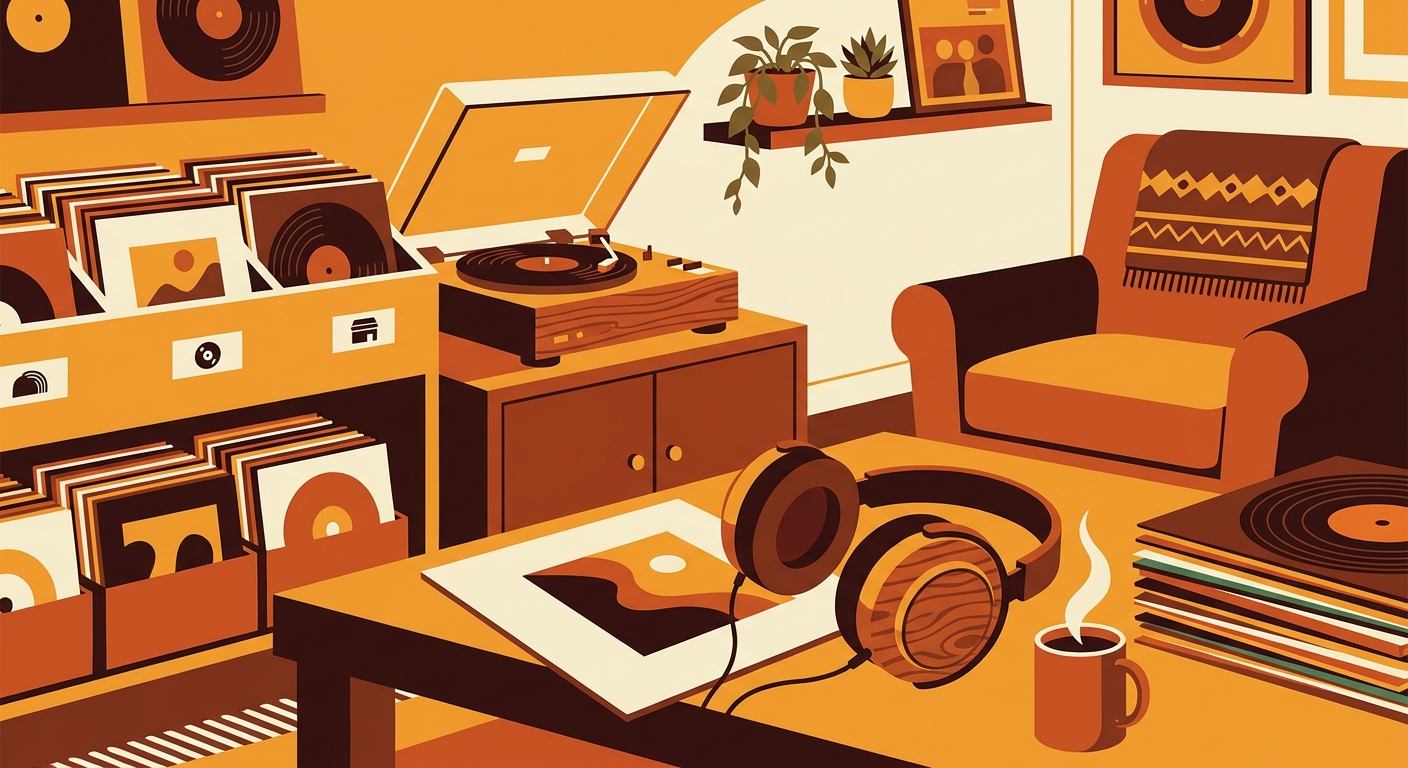
Headphone listening is where vinyl gets wonderfully unfair. A good pair of cans will not hide a bad pressing, a worn stylus, or a noisy used copy, but it will also reveal why people keep building record collections in the first place. The best albums for headphones vinyl collectors can own are not always the loudest or rarest records. They are the albums where stereo imaging, room sound, tape texture, bass control, and side sequencing make the LP feel like a deliberate object.
This list focuses on records that are rewarding on headphones and meaningful for collectors. I looked for albums with documented chart performance, strong production identity, pressing history, and a real reason to own the vinyl rather than treating the LP as decoration. The result leans into classic rock, jazz, electronic music, singer-songwriter records, progressive rock, and trip-hop, because those scenes often treat space and dynamics as part of the songwriting.
A quick note before the list: headphone vinyl is brutally honest. Clean your records, check alignment, keep your stylus healthy, and do not assume a first pressing automatically beats a well-mastered reissue. When the playback chain is right, these albums can make a late-night listening session feel like stepping inside the control room.
-
1. The Dark Side of the Moon, Pink Floyd, 1973

The Dark Side of the Moon by Pink Floyd, released in 1973, is one of the clearest answers to the phrase best albums for headphones vinyl because it was built around attention. The album came out on Harvest in the UK and Capitol in the US; UK first pressings are commonly tied to Harvest SHVL 804, while early US copies appeared on Capitol SMAS-11163. It was recorded at Abbey Road Studios, London and produced by Pink Floyd, engineered by Alan Parsons. Commercially, it reached No. 1 on the Billboard 200 and became one of the longest-charting albums in Billboard history; it is also certified multi-Platinum by the RIAA, with the album widely documented at 15x Platinum in the US. That mix of artistic ambition, sales history, and audiophile staying power is why it still shows up in serious record collections rather than just nostalgic lists.
The headphone appeal starts with the way the record uses space. Essential tracks include Time, Us and Them, Money, The Great Gig in the Sky, and each one gives you a different reason to listen closely. On speakers, the album can feel impressive as a whole; on headphones, small events become part of the drama. You hear fades more clearly, notice how instruments enter from the edge of the stereo picture, and catch tiny decisions in compression, reverb, EQ, and tape texture. That matters on vinyl because the format rewards a side-long commitment. You drop the needle, settle in, and let the cut, cartridge, and pressing quality turn production choices into a physical experience.
For collectors, the practical question is not only whether this album is famous. It is whether the copy in front of you will survive close listening. Here, the answer depends on condition, mastering, and pressing lineage. clean early UK Harvest copies and respected audiophile reissues often command serious collector attention, especially because quiet surfaces are crucial for the heartbeat, clocks, cash registers, and low-level tape details. Headphones make surface noise obvious, but they also make a great pressing feel luxurious. A clean copy can reveal bass shape, vocal placement, cymbal decay, and the soft edges of analog recording in a way that streaming rarely encourages you to study.
The record also matters historically. It is the reference point for headphone listening on vinyl because the record treats the stereo field as part of the composition, not just a playback container. Its influence is not limited to one genre bin; it shaped what listeners expect from album sequencing, studio craft, and immersive listening. If What's Spinning is tracking your collection, this is the kind of LP worth tagging as a headphone-night record, because it may not be the album you play at a party. It is the one you play when you want the room to disappear and the grooves to feel like a private map.
Buying advice is simple: prioritize a quiet copy over a collectible copy unless you are building a museum shelf. Original pressings are exciting, but a noisy original can be less satisfying than a carefully mastered reissue. Check seller notes for warps, non-fill, groove wear, and repeated ticks, then listen to the quiet passages first. For more background, see the album history and release information documented by Wikipedia, then compare current pressing notes on Discogs, label sites, and trusted audiophile forums before spending collector money.
-
2. Aja, Steely Dan, 1977

Aja by Steely Dan, released in 1977, is one of the clearest answers to the phrase best albums for headphones vinyl because it was built around attention. The album came out on ABC Records; US originals are commonly found as ABC AA-1006, with audiophile listeners also chasing the Cisco, Mobile Fidelity, and UHQR editions. It was recorded at Village Recorders, Producer's Workshop, Sound Labs, and other Los Angeles and New York rooms and produced by Gary Katz, with Becker and Fagen overseeing a rotating cast of elite session players. Commercially, it peaked at No. 3 on the Billboard 200 and became Steely Dan's commercial breakthrough on LP; it is also certified multi-Platinum in the United States. That mix of artistic ambition, sales history, and audiophile staying power is why it still shows up in serious record collections rather than just nostalgic lists.
The headphone appeal starts with the way the record uses space. Essential tracks include Black Cow, Aja, Deacon Blues, Peg, and each one gives you a different reason to listen closely. On speakers, the album can feel impressive as a whole; on headphones, small events become part of the drama. You hear fades more clearly, notice how instruments enter from the edge of the stereo picture, and catch tiny decisions in compression, reverb, EQ, and tape texture. That matters on vinyl because the format rewards a side-long commitment. You drop the needle, settle in, and let the cut, cartridge, and pressing quality turn production choices into a physical experience.
For collectors, the practical question is not only whether this album is famous. It is whether the copy in front of you will survive close listening. Here, the answer depends on condition, mastering, and pressing lineage. the best copies are prized for low noise, strong bass extension, and clean top-end detail, because this record exposes inner-groove congestion and cartridge mistracking quickly. Headphones make surface noise obvious, but they also make a great pressing feel luxurious. A clean copy can reveal bass shape, vocal placement, cymbal decay, and the soft edges of analog recording in a way that streaming rarely encourages you to study.
The record also matters historically. It is a studio perfectionist record where headphones let you hear arrangement choices that speakers can smear into a polite jazz-rock gloss. Its influence is not limited to one genre bin; it shaped what listeners expect from album sequencing, studio craft, and immersive listening. If What's Spinning is tracking your collection, this is the kind of LP worth tagging as a headphone-night record, because it may not be the album you play at a party. It is the one you play when you want the room to disappear and the grooves to feel like a private map.
Buying advice is simple: prioritize a quiet copy over a collectible copy unless you are building a museum shelf. Original pressings are exciting, but a noisy original can be less satisfying than a carefully mastered reissue. Check seller notes for warps, non-fill, groove wear, and repeated ticks, then listen to the quiet passages first. For more background, see the album history and release information documented by Wikipedia, then compare current pressing notes on Discogs, label sites, and trusted audiophile forums before spending collector money.
-
3. Kid A, Radiohead, 2000

Kid A by Radiohead, released in 2000, is one of the clearest answers to the phrase best albums for headphones vinyl because it was built around attention. The album came out on Parlophone and Capitol; original vinyl editions appeared as a 10-inch double LP in several territories, making condition and complete packaging important for collectors. It was recorded at recorded in Paris, Copenhagen, Gloucestershire, and Oxfordshire and produced by Nigel Godrich with Radiohead. Commercially, it debuted at No. 1 in both the United Kingdom and the United States; it is also certified Platinum by the RIAA and the BPI. That mix of artistic ambition, sales history, and audiophile staying power is why it still shows up in serious record collections rather than just nostalgic lists.
The headphone appeal starts with the way the record uses space. Essential tracks include Everything in Its Right Place, Kid A, The National Anthem, How to Disappear Completely, Idioteque, and each one gives you a different reason to listen closely. On speakers, the album can feel impressive as a whole; on headphones, small events become part of the drama. You hear fades more clearly, notice how instruments enter from the edge of the stereo picture, and catch tiny decisions in compression, reverb, EQ, and tape texture. That matters on vinyl because the format rewards a side-long commitment. You drop the needle, settle in, and let the cut, cartridge, and pressing quality turn production choices into a physical experience.
For collectors, the practical question is not only whether this album is famous. It is whether the copy in front of you will survive close listening. Here, the answer depends on condition, mastering, and pressing lineage. original 10-inch sets, later XL reissues, and clean pressings with centered sides are all desirable because the album depends on bass texture, synthetic ambience, and silent transitions. Headphones make surface noise obvious, but they also make a great pressing feel luxurious. A clean copy can reveal bass shape, vocal placement, cymbal decay, and the soft edges of analog recording in a way that streaming rarely encourages you to study.
The record also matters historically. It rewards headphones because it is full of microscopic electronic movement, hidden vocal processing, and room tone that makes the album feel haunted rather than merely experimental. Its influence is not limited to one genre bin; it shaped what listeners expect from album sequencing, studio craft, and immersive listening. If What's Spinning is tracking your collection, this is the kind of LP worth tagging as a headphone-night record, because it may not be the album you play at a party. It is the one you play when you want the room to disappear and the grooves to feel like a private map.
Buying advice is simple: prioritize a quiet copy over a collectible copy unless you are building a museum shelf. Original pressings are exciting, but a noisy original can be less satisfying than a carefully mastered reissue. Check seller notes for warps, non-fill, groove wear, and repeated ticks, then listen to the quiet passages first. For more background, see the album history and release information documented by Wikipedia, then compare current pressing notes on Discogs, label sites, and trusted audiophile forums before spending collector money.
-
4. In Rainbows, Radiohead, 2007

In Rainbows by Radiohead, released in 2007, is one of the clearest answers to the phrase best albums for headphones vinyl because it was built around attention. The album came out on self-released digitally, then XL Recordings and TBD Records for physical release; the deluxe Discbox vinyl edition and later XL pressings are key collector variants. It was recorded at recorded at Radiohead's studio, Tottenham House, Hospital Studios, and other locations and produced by Nigel Godrich with Radiohead. Commercially, it reached No. 1 on the UK Albums Chart and Billboard 200 after its physical release; it is also certified Platinum in the UK and Gold in the US. That mix of artistic ambition, sales history, and audiophile staying power is why it still shows up in serious record collections rather than just nostalgic lists.
The headphone appeal starts with the way the record uses space. Essential tracks include 15 Step, Nude, Weird Fishes/Arpeggi, Reckoner, House of Cards, and each one gives you a different reason to listen closely. On speakers, the album can feel impressive as a whole; on headphones, small events become part of the drama. You hear fades more clearly, notice how instruments enter from the edge of the stereo picture, and catch tiny decisions in compression, reverb, EQ, and tape texture. That matters on vinyl because the format rewards a side-long commitment. You drop the needle, settle in, and let the cut, cartridge, and pressing quality turn production choices into a physical experience.
For collectors, the practical question is not only whether this album is famous. It is whether the copy in front of you will survive close listening. Here, the answer depends on condition, mastering, and pressing lineage. buyers compare the Discbox, standard XL editions, and later represses for surface noise and low-frequency weight, especially on Reckoner and All I Need. Headphones make surface noise obvious, but they also make a great pressing feel luxurious. A clean copy can reveal bass shape, vocal placement, cymbal decay, and the soft edges of analog recording in a way that streaming rarely encourages you to study.
The record also matters historically. It is one of the warmest modern rock headphone records because the vinyl presentation emphasizes hand percussion, close vocal reverb, and the physical space around the guitars. Its influence is not limited to one genre bin; it shaped what listeners expect from album sequencing, studio craft, and immersive listening. If What's Spinning is tracking your collection, this is the kind of LP worth tagging as a headphone-night record, because it may not be the album you play at a party. It is the one you play when you want the room to disappear and the grooves to feel like a private map.
Buying advice is simple: prioritize a quiet copy over a collectible copy unless you are building a museum shelf. Original pressings are exciting, but a noisy original can be less satisfying than a carefully mastered reissue. Check seller notes for warps, non-fill, groove wear, and repeated ticks, then listen to the quiet passages first. For more background, see the album history and release information documented by Wikipedia, then compare current pressing notes on Discogs, label sites, and trusted audiophile forums before spending collector money.
-
5. Kind of Blue, Miles Davis, 1959

Kind of Blue by Miles Davis, released in 1959, is one of the clearest answers to the phrase best albums for headphones vinyl because it was built around attention. The album came out on Columbia Records; early six-eye Columbia pressings are collectible, while modern audiophile editions from Mobile Fidelity, Classic Records, and Analogue Productions are common reference choices. It was recorded at Columbia 30th Street Studio, New York City and produced by Irving Townsend, recorded by Columbia engineers in a famously natural room. Commercially, it became one of the best-selling jazz albums ever and has remained a catalog seller for decades; it is also certified multi-Platinum by the RIAA, an extraordinary achievement for a 1950s jazz LP. That mix of artistic ambition, sales history, and audiophile staying power is why it still shows up in serious record collections rather than just nostalgic lists.
The headphone appeal starts with the way the record uses space. Essential tracks include So What, Freddie Freeloader, Blue in Green, All Blues, Flamenco Sketches, and each one gives you a different reason to listen closely. On speakers, the album can feel impressive as a whole; on headphones, small events become part of the drama. You hear fades more clearly, notice how instruments enter from the edge of the stereo picture, and catch tiny decisions in compression, reverb, EQ, and tape texture. That matters on vinyl because the format rewards a side-long commitment. You drop the needle, settle in, and let the cut, cartridge, and pressing quality turn production choices into a physical experience.
For collectors, the practical question is not only whether this album is famous. It is whether the copy in front of you will survive close listening. Here, the answer depends on condition, mastering, and pressing lineage. mono and stereo questions, speed-correction history, tape provenance, and quiet vinyl all matter to serious buyers. Headphones make surface noise obvious, but they also make a great pressing feel luxurious. A clean copy can reveal bass shape, vocal placement, cymbal decay, and the soft edges of analog recording in a way that streaming rarely encourages you to study.
The record also matters historically. It is essential for headphones because the players are arranged like living people in a room, with breath, cymbal decay, trumpet tone, and piano voicings all hanging in believable space. Its influence is not limited to one genre bin; it shaped what listeners expect from album sequencing, studio craft, and immersive listening. If What's Spinning is tracking your collection, this is the kind of LP worth tagging as a headphone-night record, because it may not be the album you play at a party. It is the one you play when you want the room to disappear and the grooves to feel like a private map.
Buying advice is simple: prioritize a quiet copy over a collectible copy unless you are building a museum shelf. Original pressings are exciting, but a noisy original can be less satisfying than a carefully mastered reissue. Check seller notes for warps, non-fill, groove wear, and repeated ticks, then listen to the quiet passages first. For more background, see the album history and release information documented by Wikipedia, then compare current pressing notes on Discogs, label sites, and trusted audiophile forums before spending collector money.
-
6. Blue, Joni Mitchell, 1971
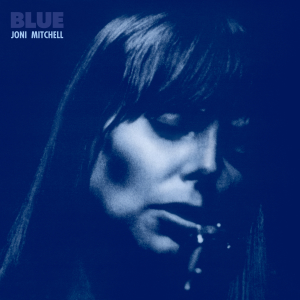
Blue by Joni Mitchell, released in 1971, is one of the clearest answers to the phrase best albums for headphones vinyl because it was built around attention. The album came out on Reprise Records; early US Reprise copies are typically associated with MS 2038, with later Rhino and audiophile reissues providing cleaner options. It was recorded at A&M Studios, Hollywood and produced by Joni Mitchell. Commercially, it reached the Top 20 in the UK and became one of Mitchell's defining catalog records; it is also certified Platinum in the United States and recognized repeatedly in all-time album rankings. That mix of artistic ambition, sales history, and audiophile staying power is why it still shows up in serious record collections rather than just nostalgic lists.
The headphone appeal starts with the way the record uses space. Essential tracks include All I Want, My Old Man, Carey, River, A Case of You, and each one gives you a different reason to listen closely. On speakers, the album can feel impressive as a whole; on headphones, small events become part of the drama. You hear fades more clearly, notice how instruments enter from the edge of the stereo picture, and catch tiny decisions in compression, reverb, EQ, and tape texture. That matters on vinyl because the format rewards a side-long commitment. You drop the needle, settle in, and let the cut, cartridge, and pressing quality turn production choices into a physical experience.
For collectors, the practical question is not only whether this album is famous. It is whether the copy in front of you will survive close listening. Here, the answer depends on condition, mastering, and pressing lineage. condition matters because the sparse arrangements put every tick in the foreground, and good copies make the dulcimer, piano, and close vocal microphone feel intimate rather than brittle. Headphones make surface noise obvious, but they also make a great pressing feel luxurious. A clean copy can reveal bass shape, vocal placement, cymbal decay, and the soft edges of analog recording in a way that streaming rarely encourages you to study.
The record also matters historically. It belongs on any headphone vinyl list because it turns private songwriting into a physical listening experience. Its influence is not limited to one genre bin; it shaped what listeners expect from album sequencing, studio craft, and immersive listening. If What's Spinning is tracking your collection, this is the kind of LP worth tagging as a headphone-night record, because it may not be the album you play at a party. It is the one you play when you want the room to disappear and the grooves to feel like a private map.
Buying advice is simple: prioritize a quiet copy over a collectible copy unless you are building a museum shelf. Original pressings are exciting, but a noisy original can be less satisfying than a carefully mastered reissue. Check seller notes for warps, non-fill, groove wear, and repeated ticks, then listen to the quiet passages first. For more background, see the album history and release information documented by Wikipedia, then compare current pressing notes on Discogs, label sites, and trusted audiophile forums before spending collector money.
-
7. Rumours, Fleetwood Mac, 1977
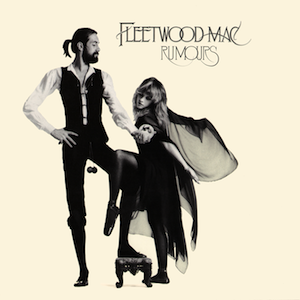
Rumours by Fleetwood Mac, released in 1977, is one of the clearest answers to the phrase best albums for headphones vinyl because it was built around attention. The album came out on Warner Bros. Records; US originals are commonly seen as BSK 3010, with the 45 RPM audiophile edition and clean early copies remaining collector staples. It was recorded at Record Plant in Sausalito, Wally Heider Studios, and other California rooms and produced by Fleetwood Mac with Ken Caillat and Richard Dashut. Commercially, it spent 31 weeks at No. 1 on the Billboard 200 and topped charts around the world; it is also certified 21x Platinum by the RIAA, one of the biggest-selling albums in history. That mix of artistic ambition, sales history, and audiophile staying power is why it still shows up in serious record collections rather than just nostalgic lists.
The headphone appeal starts with the way the record uses space. Essential tracks include Dreams, Go Your Own Way, The Chain, Gold Dust Woman, and each one gives you a different reason to listen closely. On speakers, the album can feel impressive as a whole; on headphones, small events become part of the drama. You hear fades more clearly, notice how instruments enter from the edge of the stereo picture, and catch tiny decisions in compression, reverb, EQ, and tape texture. That matters on vinyl because the format rewards a side-long commitment. You drop the needle, settle in, and let the cut, cartridge, and pressing quality turn production choices into a physical experience.
For collectors, the practical question is not only whether this album is famous. It is whether the copy in front of you will survive close listening. Here, the answer depends on condition, mastering, and pressing lineage. a quiet, well-cut copy reveals layered acoustic guitars, tight rhythm-section panning, and backing vocals that can turn congested on worn or noisy records. Headphones make surface noise obvious, but they also make a great pressing feel luxurious. A clean copy can reveal bass shape, vocal placement, cymbal decay, and the soft edges of analog recording in a way that streaming rarely encourages you to study.
The record also matters historically. Headphones expose how carefully a supposedly effortless pop-rock album was built from tension, overdubs, and harmony placement. Its influence is not limited to one genre bin; it shaped what listeners expect from album sequencing, studio craft, and immersive listening. If What's Spinning is tracking your collection, this is the kind of LP worth tagging as a headphone-night record, because it may not be the album you play at a party. It is the one you play when you want the room to disappear and the grooves to feel like a private map.
Buying advice is simple: prioritize a quiet copy over a collectible copy unless you are building a museum shelf. Original pressings are exciting, but a noisy original can be less satisfying than a carefully mastered reissue. Check seller notes for warps, non-fill, groove wear, and repeated ticks, then listen to the quiet passages first. For more background, see the album history and release information documented by Wikipedia, then compare current pressing notes on Discogs, label sites, and trusted audiophile forums before spending collector money.
-
8. Abbey Road, The Beatles, 1969

Abbey Road by The Beatles, released in 1969, is one of the clearest answers to the phrase best albums for headphones vinyl because it was built around attention. The album came out on Apple Records; UK first pressings on Apple PCS 7088 and respected later cuts remain central to Beatles collecting. It was recorded at EMI Studios, later renamed Abbey Road Studios, with additional work at Olympic and Trident and produced by George Martin. Commercially, it reached No. 1 in the UK and US and became one of the Beatles' most enduring albums; it is also certified multi-Platinum by the RIAA and BPI. That mix of artistic ambition, sales history, and audiophile staying power is why it still shows up in serious record collections rather than just nostalgic lists.
The headphone appeal starts with the way the record uses space. Essential tracks include Come Together, Something, Here Comes the Sun, I Want You, the Side Two medley, and each one gives you a different reason to listen closely. On speakers, the album can feel impressive as a whole; on headphones, small events become part of the drama. You hear fades more clearly, notice how instruments enter from the edge of the stereo picture, and catch tiny decisions in compression, reverb, EQ, and tape texture. That matters on vinyl because the format rewards a side-long commitment. You drop the needle, settle in, and let the cut, cartridge, and pressing quality turn production choices into a physical experience.
For collectors, the practical question is not only whether this album is famous. It is whether the copy in front of you will survive close listening. Here, the answer depends on condition, mastering, and pressing lineage. matrix numbers, Her Majesty placement, sleeve details, and pressing lineage all matter, but a clean playback copy is the real goal for headphone listening. Headphones make surface noise obvious, but they also make a great pressing feel luxurious. A clean copy can reveal bass shape, vocal placement, cymbal decay, and the soft edges of analog recording in a way that streaming rarely encourages you to study.
The record also matters historically. It is essential because the second-side medley uses edits, crossfades, vocal stacks, and studio polish in a way that headphones make newly theatrical. Its influence is not limited to one genre bin; it shaped what listeners expect from album sequencing, studio craft, and immersive listening. If What's Spinning is tracking your collection, this is the kind of LP worth tagging as a headphone-night record, because it may not be the album you play at a party. It is the one you play when you want the room to disappear and the grooves to feel like a private map.
Buying advice is simple: prioritize a quiet copy over a collectible copy unless you are building a museum shelf. Original pressings are exciting, but a noisy original can be less satisfying than a carefully mastered reissue. Check seller notes for warps, non-fill, groove wear, and repeated ticks, then listen to the quiet passages first. For more background, see the album history and release information documented by Wikipedia, then compare current pressing notes on Discogs, label sites, and trusted audiophile forums before spending collector money.
-
9. Random Access Memories, Daft Punk, 2013
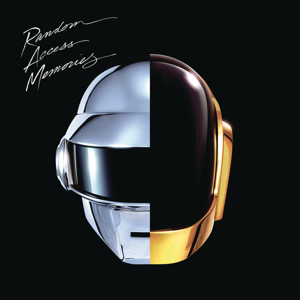
Random Access Memories by Daft Punk, released in 2013, is one of the clearest answers to the phrase best albums for headphones vinyl because it was built around attention. The album came out on Columbia Records; the original 2 LP Columbia release and the tenth-anniversary edition are both common targets for collectors. It was recorded at Conway, Henson, Capitol, Electric Lady, and Gang Recording Studio and produced by Daft Punk with collaborators including Nile Rodgers, Giorgio Moroder, and Paul Williams. Commercially, it debuted at No. 1 in many countries, including the Billboard 200; it is also certified Platinum in the US and multiple international markets, and winner of the Grammy Award for Album of the Year. That mix of artistic ambition, sales history, and audiophile staying power is why it still shows up in serious record collections rather than just nostalgic lists.
The headphone appeal starts with the way the record uses space. Essential tracks include Give Life Back to Music, Giorgio by Moroder, Get Lucky, Touch, Contact, and each one gives you a different reason to listen closely. On speakers, the album can feel impressive as a whole; on headphones, small events become part of the drama. You hear fades more clearly, notice how instruments enter from the edge of the stereo picture, and catch tiny decisions in compression, reverb, EQ, and tape texture. That matters on vinyl because the format rewards a side-long commitment. You drop the needle, settle in, and let the cut, cartridge, and pressing quality turn production choices into a physical experience.
For collectors, the practical question is not only whether this album is famous. It is whether the copy in front of you will survive close listening. Here, the answer depends on condition, mastering, and pressing lineage. buyers care about flat, quiet copies because the record combines live drums, disco guitar, orchestral touches, and synthesizer bass that can sound spectacular when the pressing is clean. Headphones make surface noise obvious, but they also make a great pressing feel luxurious. A clean copy can reveal bass shape, vocal placement, cymbal decay, and the soft edges of analog recording in a way that streaming rarely encourages you to study.
The record also matters historically. It is one of the strongest modern headphone vinyl albums because it was built as a hi-fi statement in an era when many pop records were not. Its influence is not limited to one genre bin; it shaped what listeners expect from album sequencing, studio craft, and immersive listening. If What's Spinning is tracking your collection, this is the kind of LP worth tagging as a headphone-night record, because it may not be the album you play at a party. It is the one you play when you want the room to disappear and the grooves to feel like a private map.
Buying advice is simple: prioritize a quiet copy over a collectible copy unless you are building a museum shelf. Original pressings are exciting, but a noisy original can be less satisfying than a carefully mastered reissue. Check seller notes for warps, non-fill, groove wear, and repeated ticks, then listen to the quiet passages first. For more background, see the album history and release information documented by Wikipedia, then compare current pressing notes on Discogs, label sites, and trusted audiophile forums before spending collector money.
-
10. Loveless, My Bloody Valentine, 1991

Loveless by My Bloody Valentine, released in 1991, is one of the clearest answers to the phrase best albums for headphones vinyl because it was built around attention. The album came out on Creation Records and Sire Records; original Creation vinyl and Kevin Shields-supervised reissues are the key collector routes. It was recorded at recorded across numerous studios over a long, difficult production period and produced by Kevin Shields with My Bloody Valentine. Commercially, it reached the UK Top 30 and grew into one of alternative music's most influential cult albums; it is also not a blockbuster certification record, but a canonical title in shoegaze and alternative rock history. That mix of artistic ambition, sales history, and audiophile staying power is why it still shows up in serious record collections rather than just nostalgic lists.
The headphone appeal starts with the way the record uses space. Essential tracks include Only Shallow, Loomer, To Here Knows When, When You Sleep, Soon, and each one gives you a different reason to listen closely. On speakers, the album can feel impressive as a whole; on headphones, small events become part of the drama. You hear fades more clearly, notice how instruments enter from the edge of the stereo picture, and catch tiny decisions in compression, reverb, EQ, and tape texture. That matters on vinyl because the format rewards a side-long commitment. You drop the needle, settle in, and let the cut, cartridge, and pressing quality turn production choices into a physical experience.
For collectors, the practical question is not only whether this album is famous. It is whether the copy in front of you will survive close listening. Here, the answer depends on condition, mastering, and pressing lineage. fans watch for all-analog reissue claims, pressing plant quality, and surface noise because the music is dense yet full of delicate pitch movement. Headphones make surface noise obvious, but they also make a great pressing feel luxurious. A clean copy can reveal bass shape, vocal placement, cymbal decay, and the soft edges of analog recording in a way that streaming rarely encourages you to study.
The record also matters historically. On headphones, Loveless stops sounding like a wall and starts sounding like a moving cloud of guitars, breath, tremolo, and buried melody. Its influence is not limited to one genre bin; it shaped what listeners expect from album sequencing, studio craft, and immersive listening. If What's Spinning is tracking your collection, this is the kind of LP worth tagging as a headphone-night record, because it may not be the album you play at a party. It is the one you play when you want the room to disappear and the grooves to feel like a private map.
Buying advice is simple: prioritize a quiet copy over a collectible copy unless you are building a museum shelf. Original pressings are exciting, but a noisy original can be less satisfying than a carefully mastered reissue. Check seller notes for warps, non-fill, groove wear, and repeated ticks, then listen to the quiet passages first. For more background, see the album history and release information documented by Wikipedia, then compare current pressing notes on Discogs, label sites, and trusted audiophile forums before spending collector money.
-
11. Mezzanine, Massive Attack, 1998

Mezzanine by Massive Attack, released in 1998, is one of the clearest answers to the phrase best albums for headphones vinyl because it was built around attention. The album came out on Circa and Virgin Records; original UK and European pressings, later reissues, and deluxe editions remain desirable for trip-hop collectors. It was recorded at recorded in Bristol and London during a period when the group moved toward darker textures and produced by Massive Attack with Neil Davidge. Commercially, it reached No. 1 on the UK Albums Chart and charted internationally; it is also certified Platinum in the UK and recognized as a landmark electronic album. That mix of artistic ambition, sales history, and audiophile staying power is why it still shows up in serious record collections rather than just nostalgic lists.
The headphone appeal starts with the way the record uses space. Essential tracks include Angel, Risingson, Teardrop, Inertia Creeps, Group Four, and each one gives you a different reason to listen closely. On speakers, the album can feel impressive as a whole; on headphones, small events become part of the drama. You hear fades more clearly, notice how instruments enter from the edge of the stereo picture, and catch tiny decisions in compression, reverb, EQ, and tape texture. That matters on vinyl because the format rewards a side-long commitment. You drop the needle, settle in, and let the cut, cartridge, and pressing quality turn production choices into a physical experience.
For collectors, the practical question is not only whether this album is famous. It is whether the copy in front of you will survive close listening. Here, the answer depends on condition, mastering, and pressing lineage. deep bass, wide atmospheres, and vocal detail make pressing quality important, especially because poor copies can flatten the album's menace into murk. Headphones make surface noise obvious, but they also make a great pressing feel luxurious. A clean copy can reveal bass shape, vocal placement, cymbal decay, and the soft edges of analog recording in a way that streaming rarely encourages you to study.
The record also matters historically. It is a headphone essential because the record lives in negative space, sub-bass pressure, dub delay, and the feeling that something is approaching from behind you. Its influence is not limited to one genre bin; it shaped what listeners expect from album sequencing, studio craft, and immersive listening. If What's Spinning is tracking your collection, this is the kind of LP worth tagging as a headphone-night record, because it may not be the album you play at a party. It is the one you play when you want the room to disappear and the grooves to feel like a private map.
Buying advice is simple: prioritize a quiet copy over a collectible copy unless you are building a museum shelf. Original pressings are exciting, but a noisy original can be less satisfying than a carefully mastered reissue. Check seller notes for warps, non-fill, groove wear, and repeated ticks, then listen to the quiet passages first. For more background, see the album history and release information documented by Wikipedia, then compare current pressing notes on Discogs, label sites, and trusted audiophile forums before spending collector money.
-
12. Songs in the Key of Life, Stevie Wonder, 1976

Songs in the Key of Life by Stevie Wonder, released in 1976, is one of the clearest answers to the phrase best albums for headphones vinyl because it was built around attention. The album came out on Tamla Records, Motown; the original Tamla triple-format package, with two LPs plus a bonus EP, is a classic crate-digging find when complete. It was recorded at Crystal Sound, Record Plant, and other Los Angeles and New York studios and produced by Stevie Wonder. Commercially, it debuted at No. 1 on the Billboard 200, a rare feat at the time; it is also certified Diamond-level in cultural importance and multi-Platinum commercially, with major Grammy wins including Album of the Year. That mix of artistic ambition, sales history, and audiophile staying power is why it still shows up in serious record collections rather than just nostalgic lists.
The headphone appeal starts with the way the record uses space. Essential tracks include Love's in Need of Love Today, Sir Duke, I Wish, Pastime Paradise, As, and each one gives you a different reason to listen closely. On speakers, the album can feel impressive as a whole; on headphones, small events become part of the drama. You hear fades more clearly, notice how instruments enter from the edge of the stereo picture, and catch tiny decisions in compression, reverb, EQ, and tape texture. That matters on vinyl because the format rewards a side-long commitment. You drop the needle, settle in, and let the cut, cartridge, and pressing quality turn production choices into a physical experience.
For collectors, the practical question is not only whether this album is famous. It is whether the copy in front of you will survive close listening. Here, the answer depends on condition, mastering, and pressing lineage. complete copies with booklet and bonus EP are more collectible, while audiophile listeners focus on getting clean sides because the set spans intimate ballads, funk, orchestral color, and layered vocals. Headphones make surface noise obvious, but they also make a great pressing feel luxurious. A clean copy can reveal bass shape, vocal placement, cymbal decay, and the soft edges of analog recording in a way that streaming rarely encourages you to study.
The record also matters historically. Headphones turn its scale into detail, letting you move from Stevie's voice to percussion, harmonica, synthesizer, children's choir, horns, and studio ambience without losing the emotional center. Its influence is not limited to one genre bin; it shaped what listeners expect from album sequencing, studio craft, and immersive listening. If What's Spinning is tracking your collection, this is the kind of LP worth tagging as a headphone-night record, because it may not be the album you play at a party. It is the one you play when you want the room to disappear and the grooves to feel like a private map.
Buying advice is simple: prioritize a quiet copy over a collectible copy unless you are building a museum shelf. Original pressings are exciting, but a noisy original can be less satisfying than a carefully mastered reissue. Check seller notes for warps, non-fill, groove wear, and repeated ticks, then listen to the quiet passages first. For more background, see the album history and release information documented by Wikipedia, then compare current pressing notes on Discogs, label sites, and trusted audiophile forums before spending collector money.
-
13. Avalon, Roxy Music, 1982
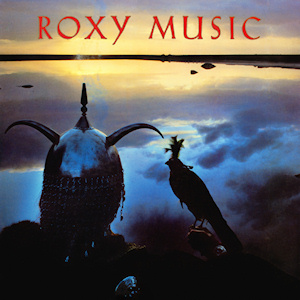
Avalon by Roxy Music, released in 1982, is one of the clearest answers to the phrase best albums for headphones vinyl because it was built around attention. The album came out on E.G. Records and Polydor; UK and European originals, Japanese pressings, and half-speed style reissues are common comparison points. It was recorded at Compass Point Studios in Nassau, Bahamas, with additional work in New York and produced by Roxy Music and Rhett Davies. Commercially, it reached No. 1 on the UK Albums Chart and became the band's most commercially successful studio album; it is also certified Platinum in the UK and Gold in the US. That mix of artistic ambition, sales history, and audiophile staying power is why it still shows up in serious record collections rather than just nostalgic lists.
The headphone appeal starts with the way the record uses space. Essential tracks include More Than This, The Space Between, Avalon, To Turn You On, and each one gives you a different reason to listen closely. On speakers, the album can feel impressive as a whole; on headphones, small events become part of the drama. You hear fades more clearly, notice how instruments enter from the edge of the stereo picture, and catch tiny decisions in compression, reverb, EQ, and tape texture. That matters on vinyl because the format rewards a side-long commitment. You drop the needle, settle in, and let the cut, cartridge, and pressing quality turn production choices into a physical experience.
For collectors, the practical question is not only whether this album is famous. It is whether the copy in front of you will survive close listening. Here, the answer depends on condition, mastering, and pressing lineage. the album's quiet luxury makes noisy copies unforgiving, while strong pressings deliver silk-like treble, controlled bass, and spacious vocals. Headphones make surface noise obvious, but they also make a great pressing feel luxurious. A clean copy can reveal bass shape, vocal placement, cymbal decay, and the soft edges of analog recording in a way that streaming rarely encourages you to study.
The record also matters historically. It is a headphone record for people who want atmosphere over spectacle, with every guitar texture, synth pad, and Bryan Ferry vocal detail placed for late-night listening. Its influence is not limited to one genre bin; it shaped what listeners expect from album sequencing, studio craft, and immersive listening. If What's Spinning is tracking your collection, this is the kind of LP worth tagging as a headphone-night record, because it may not be the album you play at a party. It is the one you play when you want the room to disappear and the grooves to feel like a private map.
Buying advice is simple: prioritize a quiet copy over a collectible copy unless you are building a museum shelf. Original pressings are exciting, but a noisy original can be less satisfying than a carefully mastered reissue. Check seller notes for warps, non-fill, groove wear, and repeated ticks, then listen to the quiet passages first. For more background, see the album history and release information documented by Wikipedia, then compare current pressing notes on Discogs, label sites, and trusted audiophile forums before spending collector money.
-
14. In the Court of the Crimson King, King Crimson, 1969
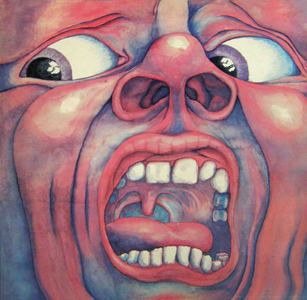
In the Court of the Crimson King by King Crimson, released in 1969, is one of the clearest answers to the phrase best albums for headphones vinyl because it was built around attention. The album came out on Island Records in the UK and Atlantic in the US; UK pink-label Island originals and later Steven Wilson-related editions are major collector touchpoints. It was recorded at Wessex Sound Studios, London and produced by King Crimson. Commercially, it reached the UK Top 5 and the US Top 30, unusual strength for such adventurous progressive rock; it is also certified Gold in the US and widely treated as a foundation of progressive rock. That mix of artistic ambition, sales history, and audiophile staying power is why it still shows up in serious record collections rather than just nostalgic lists.
The headphone appeal starts with the way the record uses space. Essential tracks include 21st Century Schizoid Man, I Talk to the Wind, Epitaph, Moonchild, The Court of the Crimson King, and each one gives you a different reason to listen closely. On speakers, the album can feel impressive as a whole; on headphones, small events become part of the drama. You hear fades more clearly, notice how instruments enter from the edge of the stereo picture, and catch tiny decisions in compression, reverb, EQ, and tape texture. That matters on vinyl because the format rewards a side-long commitment. You drop the needle, settle in, and let the cut, cartridge, and pressing quality turn production choices into a physical experience.
For collectors, the practical question is not only whether this album is famous. It is whether the copy in front of you will survive close listening. Here, the answer depends on condition, mastering, and pressing lineage. buyers compare early pressings, reissues, and remix packages because the album's dynamics, Mellotron mass, and tape-generation history create very different listening experiences. Headphones make surface noise obvious, but they also make a great pressing feel luxurious. A clean copy can reveal bass shape, vocal placement, cymbal decay, and the soft edges of analog recording in a way that streaming rarely encourages you to study.
The record also matters historically. Headphones highlight how radical the contrast is between jazz-rock aggression, pastoral flute, cavernous Mellotron, and near-silent improvisation. Its influence is not limited to one genre bin; it shaped what listeners expect from album sequencing, studio craft, and immersive listening. If What's Spinning is tracking your collection, this is the kind of LP worth tagging as a headphone-night record, because it may not be the album you play at a party. It is the one you play when you want the room to disappear and the grooves to feel like a private map.
Buying advice is simple: prioritize a quiet copy over a collectible copy unless you are building a museum shelf. Original pressings are exciting, but a noisy original can be less satisfying than a carefully mastered reissue. Check seller notes for warps, non-fill, groove wear, and repeated ticks, then listen to the quiet passages first. For more background, see the album history and release information documented by Wikipedia, then compare current pressing notes on Discogs, label sites, and trusted audiophile forums before spending collector money.
-
15. Wish You Were Here, Pink Floyd, 1975
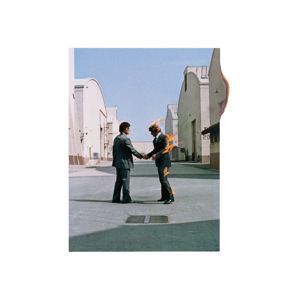
Wish You Were Here by Pink Floyd, released in 1975, is one of the clearest answers to the phrase best albums for headphones vinyl because it was built around attention. The album came out on Harvest in the UK and Columbia in the US; UK SHVL 814 pressings, US Columbia editions, half-speed masters, and later audiophile reissues are all collector targets. It was recorded at Abbey Road Studios, London and produced by Pink Floyd. Commercially, it reached No. 1 in both the UK and US; it is also certified multi-Platinum by the RIAA. That mix of artistic ambition, sales history, and audiophile staying power is why it still shows up in serious record collections rather than just nostalgic lists.
The headphone appeal starts with the way the record uses space. Essential tracks include Shine On You Crazy Diamond, Welcome to the Machine, Have a Cigar, Wish You Were Here, and each one gives you a different reason to listen closely. On speakers, the album can feel impressive as a whole; on headphones, small events become part of the drama. You hear fades more clearly, notice how instruments enter from the edge of the stereo picture, and catch tiny decisions in compression, reverb, EQ, and tape texture. That matters on vinyl because the format rewards a side-long commitment. You drop the needle, settle in, and let the cut, cartridge, and pressing quality turn production choices into a physical experience.
For collectors, the practical question is not only whether this album is famous. It is whether the copy in front of you will survive close listening. Here, the answer depends on condition, mastering, and pressing lineage. original packaging with black shrink, postcard, and correct inner details matters, while playback collectors focus on a quiet copy for the long synthesizer fades and acoustic guitar radio effect. Headphones make surface noise obvious, but they also make a great pressing feel luxurious. A clean copy can reveal bass shape, vocal placement, cymbal decay, and the soft edges of analog recording in a way that streaming rarely encourages you to study.
The record also matters historically. It closes this list because it may be the best single example of headphones turning a vinyl side into a slow cinematic space. Its influence is not limited to one genre bin; it shaped what listeners expect from album sequencing, studio craft, and immersive listening. If What's Spinning is tracking your collection, this is the kind of LP worth tagging as a headphone-night record, because it may not be the album you play at a party. It is the one you play when you want the room to disappear and the grooves to feel like a private map.
Buying advice is simple: prioritize a quiet copy over a collectible copy unless you are building a museum shelf. Original pressings are exciting, but a noisy original can be less satisfying than a carefully mastered reissue. Check seller notes for warps, non-fill, groove wear, and repeated ticks, then listen to the quiet passages first. For more background, see the album history and release information documented by Wikipedia, then compare current pressing notes on Discogs, label sites, and trusted audiophile forums before spending collector money.
What to buy first
If you are starting from scratch, buy The Dark Side of the Moon first because it is the clearest headphone demonstration record on this list. After that, pick Kind of Blue for natural room sound, Aja for studio precision, Mezzanine for sub-bass and atmosphere, and Blue for vocal intimacy. Those five records cover most of what headphones can reveal on vinyl: space, dynamics, texture, silence, and emotional closeness.
If your budget is tight, do not chase the most expensive pressing immediately. Buy a clean modern reissue, learn how it sounds on your system, then upgrade only if you know what problem you are trying to solve. A $30 quiet copy can beat a $150 collectible copy with groove wear, and headphones will tell on that bad copy immediately.
FAQ
Are headphones good for listening to vinyl?
Yes. Headphones can make vinyl more intimate because they reveal stereo placement, room tone, surface noise, tape hiss, and subtle production choices. The tradeoff is that headphones also expose bad pressings, inner-groove distortion, and setup problems, so cartridge alignment and clean records matter.
What kind of vinyl albums sound best on headphones?
Albums with deliberate stereo imaging, strong dynamics, quiet passages, and detailed production tend to shine. Psychedelic rock, jazz, singer-songwriter records, trip-hop, progressive rock, and carefully produced pop albums are especially rewarding.
Should I buy original pressings or audiophile reissues for headphone listening?
Buy the cleanest, best-mastered copy you can afford. Original pressings can be magical, but condition is everything. Audiophile reissues often give you quieter vinyl and more predictable mastering, which can be a better headphone experience.
Why track headphone listening with What's Spinning?
A headphone session can be different from a speaker session. What's Spinning helps you remember what you played, build listening stats, and see which records keep coming back when you want a focused, late-night vinyl experience.
Sources and further reading
A spreadsheet tracks what you own. What's Spinning identifies what's playing.
On-device vinyl ID logs your listening history automatically. 7-day free trial.
Looking for Shazam for vinyl?
What's Spinning identifies what's playing on your turntable on-device, logs history, and AirPlays now-playing to your TV.
Comparing vinyl ID apps?
Analog requires Discogs and is iPhone-first (iPad coming). What's Spinning works without Discogs on iPhone and iPad with AirPlay.
Try What's Spinning Free
Turn your iPad into a live now-playing display. Track every record you spin.
START FREE TRIALThen $4.99/mo or $39.99/yr · Cancel anytime
Get it on your iPhone
Open on iPhone