Best Rainy Day Vinyl Records: 15 Albums That Sound Better With Weather
If you collect records long enough, you start building tiny rituals around weather. Sunny morning records are usually easy to name, but the best rainy day vinyl records are more personal. They need enough detail to reward close listening, enough warmth to make a room feel lived in, and enough surface level atmosphere that the sound of rain outside does not feel like an interruption.
This list leans into albums that make sense on a turntable, not just albums with melancholy songs. I looked for records with a strong vinyl identity: original labels and catalog numbers collectors actually chase, production choices that reward speakers in a real room, chart or certification history that explains why the album endured, and a mood that pairs naturally with gray light. Some are quiet folk records, some are jazz or trip hop staples, and a few are big, immersive studio albums. Together they make a rainy day shelf that can move from morning coffee to midnight lamp light.
-

Kind of Blue, Miles Davis, 1959
Kind of Blue earns its rainy day place because modal jazz leaves enormous space between ideas, so rain outside the window becomes part of the room instead of competition. It is not background music in the disposable sense. It is a record that asks you to slow down, notice the room, and let the pacing of the album set the pace of the afternoon. The essential tracks are So What, Blue in Green, All Blues, but the better vinyl move is to play the side straight through. Rainy day records work best when you stop skipping around and let side breaks do their quiet work.
The factual case is just as strong. The album's documented chart story includes UK Jazz & Blues Albums number 1, US Top Jazz Albums number 2, and Billboard Vinyl Albums number 3 in later chart runs, while its certification history includes RIAA 5x Platinum and BPI 2x Platinum. It was released by Columbia, produced by Irving Townsend, and recorded at Columbia 30th Street Studio in New York during March 2 and April 22, 1959. Those details matter for collectors because they explain why the record sounds the way it does. A producer's taste, a room's natural reverb, and the limitations of the session all become physical decisions once the music is pressed into grooves.
For pressing notes, start with mono CL 1355 and stereo CS 8163. That catalog information gives you a first anchor when comparing copies, especially if a seller's listing is vague or a shop bin has several versions in the same sleeve family. The collector note here is simple: Collectors should know that side one of pre 1992 versions ran slightly off speed, while the 1992 remaster corrected the original tape speed. Condition matters more than hype on a rainy day copy. A visually impressive sleeve is nice, but a quiet record surface, a flat pressing, and a clean inner sleeve will do more for the experience than a collectible sticker you are afraid to play.
As a rainy day vinyl record, this album also shows why collecting is different from merely streaming a mood playlist. You handle the jacket, check the label, lower the stylus, and commit to a sequence. That commitment fits the weather. The record becomes a small piece of domestic architecture, something that marks time while the outside world is wet, slow, and slightly out of focus. Sources for the album details include Wikipedia and pressing or release data.
-
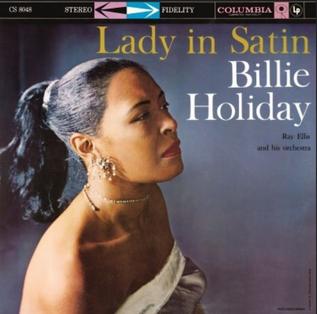
Lady in Satin, Billie Holiday, 1958
Lady in Satin earns its rainy day place because Ray Ellis's strings and Holiday's frayed phrasing turn bad weather into a cinematic, late night listening experience. It is not background music in the disposable sense. It is a record that asks you to slow down, notice the room, and let the pacing of the album set the pace of the afternoon. The essential tracks are I'm a Fool to Want You, You've Changed, The End of a Love Affair, but the better vinyl move is to play the side straight through. Rainy day records work best when you stop skipping around and let side breaks do their quiet work.
The factual case is just as strong. The album's documented chart story includes not a chart driven album, but one of Holiday's most discussed late career studio statements, while its certification history includes no major RIAA certification is listed on its main reference pages. It was released by Columbia, produced by Irving Townsend, and recorded at Columbia 30th Street Studio in New York during February 19 to 21, 1958. Those details matter for collectors because they explain why the record sounds the way it does. A producer's taste, a room's natural reverb, and the limitations of the session all become physical decisions once the music is pressed into grooves.
For pressing notes, start with stereo CS 8048. That catalog information gives you a first anchor when comparing copies, especially if a seller's listing is vague or a shop bin has several versions in the same sleeve family. The collector note here is simple: Early Columbia six eye pressings are the classic crate target, especially clean stereo copies with quiet surfaces. Condition matters more than hype on a rainy day copy. A visually impressive sleeve is nice, but a quiet record surface, a flat pressing, and a clean inner sleeve will do more for the experience than a collectible sticker you are afraid to play.
As a rainy day vinyl record, this album also shows why collecting is different from merely streaming a mood playlist. You handle the jacket, check the label, lower the stylus, and commit to a sequence. That commitment fits the weather. The record becomes a small piece of domestic architecture, something that marks time while the outside world is wet, slow, and slightly out of focus. Sources for the album details include Wikipedia and pressing or release data.
-

Pink Moon, Nick Drake, 1972
Pink Moon earns its rainy day place because its almost bare voice and guitar recording makes a room feel smaller, quieter, and more deliberate. It is not background music in the disposable sense. It is a record that asks you to slow down, notice the room, and let the pacing of the album set the pace of the afternoon. The essential tracks are Pink Moon, Place to Be, From the Morning, but the better vinyl move is to play the side straight through. Rainy day records work best when you stop skipping around and let side breaks do their quiet work.
The factual case is just as strong. The album's documented chart story includes not originally a major chart album, but later became one of the most famous cult folk LPs, while its certification history includes BPI Gold in the UK and FIMI Gold in Italy. It was released by Island, produced by John Wood, and recorded at Sound Techniques in London during October 30 to 31, 1971. Those details matter for collectors because they explain why the record sounds the way it does. A producer's taste, a room's natural reverb, and the limitations of the session all become physical decisions once the music is pressed into grooves.
For pressing notes, start with UK Island ILPS 9184. That catalog information gives you a first anchor when comparing copies, especially if a seller's listing is vague or a shop bin has several versions in the same sleeve family. The collector note here is simple: Original UK ILPS 9184 copies are prized, and later 180 gram reissues are useful listening copies because surface noise matters on such a sparse record. Condition matters more than hype on a rainy day copy. A visually impressive sleeve is nice, but a quiet record surface, a flat pressing, and a clean inner sleeve will do more for the experience than a collectible sticker you are afraid to play.
As a rainy day vinyl record, this album also shows why collecting is different from merely streaming a mood playlist. You handle the jacket, check the label, lower the stylus, and commit to a sequence. That commitment fits the weather. The record becomes a small piece of domestic architecture, something that marks time while the outside world is wet, slow, and slightly out of focus. Sources for the album details include Wikipedia and pressing or release data.
-
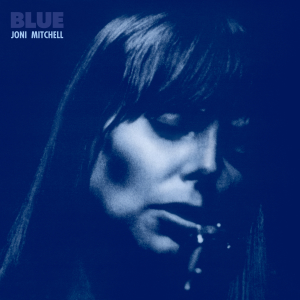
Blue, Joni Mitchell, 1971
Blue earns its rainy day place because it captures the emotional weather of travel, regret, tenderness, and self knowledge with almost no wasted motion. It is not background music in the disposable sense. It is a record that asks you to slow down, notice the room, and let the pacing of the album set the pace of the afternoon. The essential tracks are River, A Case of You, Carey, but the better vinyl move is to play the side straight through. Rainy day records work best when you stop skipping around and let side breaks do their quiet work.
The factual case is just as strong. The album's documented chart story includes UK Albums number 3, Billboard 200 number 15, and Canada RPM number 9, while its certification history includes RIAA Platinum and BPI 2x Platinum. It was released by Reprise, produced by Joni Mitchell, and recorded at A&M Studios in Hollywood during 1971. Those details matter for collectors because they explain why the record sounds the way it does. A producer's taste, a room's natural reverb, and the limitations of the session all become physical decisions once the music is pressed into grooves.
For pressing notes, start with US Reprise MS 2038. That catalog information gives you a first anchor when comparing copies, especially if a seller's listing is vague or a shop bin has several versions in the same sleeve family. The collector note here is simple: Early US Reprise MS 2038 pressings are the classic target, while clean modern reissues are often better for repeated winter listening. Condition matters more than hype on a rainy day copy. A visually impressive sleeve is nice, but a quiet record surface, a flat pressing, and a clean inner sleeve will do more for the experience than a collectible sticker you are afraid to play.
As a rainy day vinyl record, this album also shows why collecting is different from merely streaming a mood playlist. You handle the jacket, check the label, lower the stylus, and commit to a sequence. That commitment fits the weather. The record becomes a small piece of domestic architecture, something that marks time while the outside world is wet, slow, and slightly out of focus. Sources for the album details include Wikipedia and pressing or release data.
-
In Rainbows, Radiohead, 2007
In Rainbows earns its rainy day place because its warm bass, close drums, and suspended harmonies suit the soft blur of a wet afternoon. It is not background music in the disposable sense. It is a record that asks you to slow down, notice the room, and let the pacing of the album set the pace of the afternoon. The essential tracks are Nude, Weird Fishes Arpeggi, Reckoner, but the better vinyl move is to play the side straight through. Rainy day records work best when you stop skipping around and let side breaks do their quiet work.
The factual case is just as strong. The album's documented chart story includes number 1 on both the UK Albums Chart and US Billboard 200, while its certification history includes BPI Platinum and RIAA Gold, with worldwide sales widely reported around 3 million. It was released by self released first, then XL Recordings and TBD, produced by Nigel Godrich, and recorded at Halswell House, Tottenham House, the Hospital Club, and Radiohead's Oxfordshire studio during 2005 to 2007. Those details matter for collectors because they explain why the record sounds the way it does. A producer's taste, a room's natural reverb, and the limitations of the session all become physical decisions once the music is pressed into grooves.
For pressing notes, start with UK and Europe XL XLLP324 plus the original discbox on _Xurbia_Xendless. That catalog information gives you a first anchor when comparing copies, especially if a seller's listing is vague or a shop bin has several versions in the same sleeve family. The collector note here is simple: The original discbox included CD plus two heavyweight 12 inch records, and the album was reported as the bestselling vinyl LP of 2008. Condition matters more than hype on a rainy day copy. A visually impressive sleeve is nice, but a quiet record surface, a flat pressing, and a clean inner sleeve will do more for the experience than a collectible sticker you are afraid to play.
As a rainy day vinyl record, this album also shows why collecting is different from merely streaming a mood playlist. You handle the jacket, check the label, lower the stylus, and commit to a sequence. That commitment fits the weather. The record becomes a small piece of domestic architecture, something that marks time while the outside world is wet, slow, and slightly out of focus. Sources for the album details include Wikipedia and pressing or release data.
-
Dummy, Portishead, 1994
Dummy earns its rainy day place because trip hop's smoke, tape grit, and noir pacing make it a natural rainy window record. It is not background music in the disposable sense. It is a record that asks you to slow down, notice the room, and let the pacing of the album set the pace of the afternoon. The essential tracks are Sour Times, Roads, Glory Box, but the better vinyl move is to play the side straight through. Rainy day records work best when you stop skipping around and let side breaks do their quiet work.
The factual case is just as strong. The album's documented chart story includes UK Albums number 2, US Billboard 200 number 79, and UK Dance Albums number 1, while its certification history includes BPI 3x Platinum, RIAA Gold, and Platinum in Canada. It was released by Go! Beat and London, produced by Portishead and Adrian Utley, and recorded at State of Art and Coach House Studios in Bristol during 1993 to 1994. Those details matter for collectors because they explain why the record sounds the way it does. A producer's taste, a room's natural reverb, and the limitations of the session all become physical decisions once the music is pressed into grooves.
For pressing notes, start with UK Go! Beat 828 522-1. That catalog information gives you a first anchor when comparing copies, especially if a seller's listing is vague or a shop bin has several versions in the same sleeve family. The collector note here is simple: Geoff Barrow famously degraded samples to create a worn record feel, and some vinyl versions differ from CD track lists, including the absence of It's a Fire on the original UK LP. Condition matters more than hype on a rainy day copy. A visually impressive sleeve is nice, but a quiet record surface, a flat pressing, and a clean inner sleeve will do more for the experience than a collectible sticker you are afraid to play.
As a rainy day vinyl record, this album also shows why collecting is different from merely streaming a mood playlist. You handle the jacket, check the label, lower the stylus, and commit to a sequence. That commitment fits the weather. The record becomes a small piece of domestic architecture, something that marks time while the outside world is wet, slow, and slightly out of focus. Sources for the album details include Wikipedia and pressing or release data.
-
Either/Or, Elliott Smith, 1997
Either/Or earns its rainy day place because close mic vocals and small room textures make it feel like someone is singing from the other side of a rainy kitchen table. It is not background music in the disposable sense. It is a record that asks you to slow down, notice the room, and let the pacing of the album set the pace of the afternoon. The essential tracks are Between the Bars, Angeles, Say Yes, but the better vinyl move is to play the side straight through. Rainy day records work best when you stop skipping around and let side breaks do their quiet work.
The factual case is just as strong. The album's documented chart story includes not a big chart album on release, but later became the cornerstone of Smith's catalog, while its certification history includes BPI Silver in the UK. It was released by Kill Rock Stars, produced by Elliott Smith, Tom Rothrock, and Rob Schnapf, and recorded at various mostly Portland, Oregon locations during 1995 to 1996. Those details matter for collectors because they explain why the record sounds the way it does. A producer's taste, a room's natural reverb, and the limitations of the session all become physical decisions once the music is pressed into grooves.
For pressing notes, start with US Kill Rock Stars KRS 269 and UK Domino WIGLP51. That catalog information gives you a first anchor when comparing copies, especially if a seller's listing is vague or a shop bin has several versions in the same sleeve family. The collector note here is simple: First KRS vinyl and UK Domino copies are desirable, while the 2017 expanded edition is a practical way to get extra material and cleaner playback. Condition matters more than hype on a rainy day copy. A visually impressive sleeve is nice, but a quiet record surface, a flat pressing, and a clean inner sleeve will do more for the experience than a collectible sticker you are afraid to play.
As a rainy day vinyl record, this album also shows why collecting is different from merely streaming a mood playlist. You handle the jacket, check the label, lower the stylus, and commit to a sequence. That commitment fits the weather. The record becomes a small piece of domestic architecture, something that marks time while the outside world is wet, slow, and slightly out of focus. Sources for the album details include Wikipedia and pressing or release data.
-
For Emma, Forever Ago, Bon Iver, 2007
For Emma, Forever Ago earns its rainy day place because its cabin made isolation, falsetto layers, and creaking ambience fit any day when the weather has closed the world in. It is not background music in the disposable sense. It is a record that asks you to slow down, notice the room, and let the pacing of the album set the pace of the afternoon. The essential tracks are Skinny Love, Flume, Re: Stacks, but the better vinyl move is to play the side straight through. Rainy day records work best when you stop skipping around and let side breaks do their quiet work.
The factual case is just as strong. The album's documented chart story includes US Billboard 200 number 64, US Heatseekers number 1, UK Albums number 42, while its certification history includes RIAA Platinum, BPI Platinum, Australia Platinum, and Denmark 2x Platinum. It was released by self distributed first, then Jagjaguwar and 4AD, produced by Justin Vernon, and recorded at a hunting cabin in northwestern Wisconsin with later work at Fairall in Raleigh during November 2006 to January 2007. Those details matter for collectors because they explain why the record sounds the way it does. A producer's taste, a room's natural reverb, and the limitations of the session all become physical decisions once the music is pressed into grooves.
For pressing notes, start with US Jagjaguwar JAG115LP and Europe 4AD CAD 2809. That catalog information gives you a first anchor when comparing copies, especially if a seller's listing is vague or a shop bin has several versions in the same sleeve family. The collector note here is simple: The first self distributed copies were CD only, so broad vinyl collecting begins with the 2008 Jagjaguwar and 4AD LP issues. Condition matters more than hype on a rainy day copy. A visually impressive sleeve is nice, but a quiet record surface, a flat pressing, and a clean inner sleeve will do more for the experience than a collectible sticker you are afraid to play.
As a rainy day vinyl record, this album also shows why collecting is different from merely streaming a mood playlist. You handle the jacket, check the label, lower the stylus, and commit to a sequence. That commitment fits the weather. The record becomes a small piece of domestic architecture, something that marks time while the outside world is wet, slow, and slightly out of focus. Sources for the album details include Wikipedia and pressing or release data.
-
Disintegration, The Cure, 1989
Disintegration earns its rainy day place because it is huge, patient, and storm colored, with long introductions that feel designed for watching clouds gather. It is not background music in the disposable sense. It is a record that asks you to slow down, notice the room, and let the pacing of the album set the pace of the afternoon. The essential tracks are Pictures of You, Lovesong, Plainsong, but the better vinyl move is to play the side straight through. Rainy day records work best when you stop skipping around and let side breaks do their quiet work.
The factual case is just as strong. The album's documented chart story includes UK Albums number 3 and US Billboard 200 number 12, while its certification history includes RIAA 2x Platinum, BPI Gold, and reported worldwide sales around 4 million. It was released by Fiction, produced by David M. Allen and Robert Smith, and recorded at Hookend Recording Studios in Checkendon, England during November 1988 to February 1989. Those details matter for collectors because they explain why the record sounds the way it does. A producer's taste, a room's natural reverb, and the limitations of the session all become physical decisions once the music is pressed into grooves.
For pressing notes, start with UK and Europe Fiction FIXH 14 and US Elektra 9 60855-1. That catalog information gives you a first anchor when comparing copies, especially if a seller's listing is vague or a shop bin has several versions in the same sleeve family. The collector note here is simple: Original single LP configurations omitted Last Dance and Homesick, while later double LP reissues restore the full running order. Condition matters more than hype on a rainy day copy. A visually impressive sleeve is nice, but a quiet record surface, a flat pressing, and a clean inner sleeve will do more for the experience than a collectible sticker you are afraid to play.
As a rainy day vinyl record, this album also shows why collecting is different from merely streaming a mood playlist. You handle the jacket, check the label, lower the stylus, and commit to a sequence. That commitment fits the weather. The record becomes a small piece of domestic architecture, something that marks time while the outside world is wet, slow, and slightly out of focus. Sources for the album details include Wikipedia and pressing or release data.
-
Sea Change, Beck, 2002
Sea Change earns its rainy day place because it trades Beck's collage humor for orchestral resignation, pedal steel, and a rainy gray sense of space. It is not background music in the disposable sense. It is a record that asks you to slow down, notice the room, and let the pacing of the album set the pace of the afternoon. The essential tracks are Lost Cause, Guess I'm Doing Fine, Lonesome Tears, but the better vinyl move is to play the side straight through. Rainy day records work best when you stop skipping around and let side breaks do their quiet work.
The factual case is just as strong. The album's documented chart story includes Billboard 200 number 8, Canada number 5, Norway number 1, UK Albums number 20, while its certification history includes RIAA Gold, Canada Gold, Australia Gold, and BPI Silver. It was released by Geffen and DGC, produced by Nigel Godrich, and recorded at Ocean Way in Hollywood and Record One in Los Angeles during March to May 2002. Those details matter for collectors because they explain why the record sounds the way it does. A producer's taste, a room's natural reverb, and the limitations of the session all become physical decisions once the music is pressed into grooves.
For pressing notes, start with notable Mobile Fidelity MFSL 2-308 2x180 gram LP. That catalog information gives you a first anchor when comparing copies, especially if a seller's listing is vague or a shop bin has several versions in the same sleeve family. The collector note here is simple: The Mobile Fidelity pressing is beloved because it was cut through an analog chain from the 1/2 inch 30 IPS master for most tracks, with Lonesome Tears sourced from PCM digital master transferred to analog tape. Condition matters more than hype on a rainy day copy. A visually impressive sleeve is nice, but a quiet record surface, a flat pressing, and a clean inner sleeve will do more for the experience than a collectible sticker you are afraid to play.
As a rainy day vinyl record, this album also shows why collecting is different from merely streaming a mood playlist. You handle the jacket, check the label, lower the stylus, and commit to a sequence. That commitment fits the weather. The record becomes a small piece of domestic architecture, something that marks time while the outside world is wet, slow, and slightly out of focus. Sources for the album details include Wikipedia and pressing or release data.
-
Moon Safari, Air, 1998
Moon Safari earns its rainy day place because its soft synths, brushed rhythms, and weightless bass lines make rain feel elegant rather than gloomy. It is not background music in the disposable sense. It is a record that asks you to slow down, notice the room, and let the pacing of the album set the pace of the afternoon. The essential tracks are La femme d'argent, Sexy Boy, All I Need, but the better vinyl move is to play the side straight through. Rainy day records work best when you stop skipping around and let side breaks do their quiet work.
The factual case is just as strong. The album's documented chart story includes UK Albums number 6, Ireland number 7, France number 21, while its certification history includes BPI 2x Platinum and reported worldwide sales around 2 million. It was released by Source and Virgin, produced by Jean Benoit Dunckel and Nicolas Godin, and recorded at Around the Golf and Gang in Paris, plus Abbey Road in London during April to June 1997. Those details matter for collectors because they explain why the record sounds the way it does. A producer's taste, a room's natural reverb, and the limitations of the session all become physical decisions once the music is pressed into grooves.
For pressing notes, start with original French Source 7243 8 44978 1 1. That catalog information gives you a first anchor when comparing copies, especially if a seller's listing is vague or a shop bin has several versions in the same sleeve family. The collector note here is simple: Original French pressings with SNA marks and THE EXCHANGE NILZ in the runouts are the reference crate note for collectors. Condition matters more than hype on a rainy day copy. A visually impressive sleeve is nice, but a quiet record surface, a flat pressing, and a clean inner sleeve will do more for the experience than a collectible sticker you are afraid to play.
As a rainy day vinyl record, this album also shows why collecting is different from merely streaming a mood playlist. You handle the jacket, check the label, lower the stylus, and commit to a sequence. That commitment fits the weather. The record becomes a small piece of domestic architecture, something that marks time while the outside world is wet, slow, and slightly out of focus. Sources for the album details include Wikipedia and pressing or release data.
-
Vespertine, Björk, 2001
Vespertine earns its rainy day place because microbeats, choirs, harp, and close vocals create an indoor world where every tiny sound matters. It is not background music in the disposable sense. It is a record that asks you to slow down, notice the room, and let the pacing of the album set the pace of the afternoon. The essential tracks are Hidden Place, Pagan Poetry, Unison, but the better vinyl move is to play the side straight through. Rainy day records work best when you stop skipping around and let side breaks do their quiet work.
The factual case is just as strong. The album's documented chart story includes Billboard 200 number 19, UK Albums number 8, and number 1 in France, Denmark, Norway, Iceland, and US Top Dance Albums, while its certification history includes Gold in the UK, Canada, France, Japan, Spain, and Switzerland. It was released by One Little Indian and Elektra, produced by Björk, Thomas Knak, Martin Gretschmann, and Marius de Vries, and recorded at multiple studios including Olympic, Avatar, Sear Sound, Magic Shop, and The Hit Factory during 1999 to 2001. Those details matter for collectors because they explain why the record sounds the way it does. A producer's taste, a room's natural reverb, and the limitations of the session all become physical decisions once the music is pressed into grooves.
For pressing notes, start with UK One Little Indian TPLP101 2x180 gram LP. That catalog information gives you a first anchor when comparing copies, especially if a seller's listing is vague or a shop bin has several versions in the same sleeve family. The collector note here is simple: The 2008 DMM 2x200 gram limited edition and the 2015 white vinyl are both collector favorites, but the original 2x180 gram gatefold remains the anchor copy. Condition matters more than hype on a rainy day copy. A visually impressive sleeve is nice, but a quiet record surface, a flat pressing, and a clean inner sleeve will do more for the experience than a collectible sticker you are afraid to play.
As a rainy day vinyl record, this album also shows why collecting is different from merely streaming a mood playlist. You handle the jacket, check the label, lower the stylus, and commit to a sequence. That commitment fits the weather. The record becomes a small piece of domestic architecture, something that marks time while the outside world is wet, slow, and slightly out of focus. Sources for the album details include Wikipedia and pressing or release data.
-

Diamond Life, Sade, 1984
Diamond Life earns its rainy day place because it is rain without sadness, all brushed sophistication, deep groove, and late evening calm. It is not background music in the disposable sense. It is a record that asks you to slow down, notice the room, and let the pacing of the album set the pace of the afternoon. The essential tracks are Smooth Operator, Your Love Is King, Hang On to Your Love, but the better vinyl move is to play the side straight through. Rainy day records work best when you stop skipping around and let side breaks do their quiet work.
The factual case is just as strong. The album's documented chart story includes UK Albums number 2, US Billboard 200 number 5, US R&B Albums number 1, and number 1 in several European markets, while its certification history includes RIAA 4x Platinum, BPI 4x Platinum, Australia 4x Platinum, and Canada 2x Platinum. It was released by Epic, produced by Robin Millar, and recorded at Power Plant in London during October to November 1983. Those details matter for collectors because they explain why the record sounds the way it does. A producer's taste, a room's natural reverb, and the limitations of the session all become physical decisions once the music is pressed into grooves.
For pressing notes, start with UK Epic EPC 26044 gatefold LP. That catalog information gives you a first anchor when comparing copies, especially if a seller's listing is vague or a shop bin has several versions in the same sleeve family. The collector note here is simple: Original UK gatefold copies pressed by CBS Aston Clinton are appealing, with matrix details such as EPC.26044.A6 and EPC 26044 B4 helping collectors sort early pressings. Condition matters more than hype on a rainy day copy. A visually impressive sleeve is nice, but a quiet record surface, a flat pressing, and a clean inner sleeve will do more for the experience than a collectible sticker you are afraid to play.
As a rainy day vinyl record, this album also shows why collecting is different from merely streaming a mood playlist. You handle the jacket, check the label, lower the stylus, and commit to a sequence. That commitment fits the weather. The record becomes a small piece of domestic architecture, something that marks time while the outside world is wet, slow, and slightly out of focus. Sources for the album details include Wikipedia and pressing or release data.
-

Fleet Foxes, Fleet Foxes, 2008
Fleet Foxes earns its rainy day place because its stacked harmonies, room reverb, and pastoral imagery sound like cedar, wet wool, and a long walk home. It is not background music in the disposable sense. It is a record that asks you to slow down, notice the room, and let the pacing of the album set the pace of the afternoon. The essential tracks are White Winter Hymnal, Ragged Wood, Blue Ridge Mountains, but the better vinyl move is to play the side straight through. Rainy day records work best when you stop skipping around and let side breaks do their quiet work.
The factual case is just as strong. The album's documented chart story includes UK Albums number 3, US Billboard 200 number 36, US Independent Albums number 2, while its certification history includes RIAA Platinum, BPI Platinum, Belgium Gold, and New Zealand Gold. It was released by Sub Pop and Bella Union, produced by Phil Ek, and recorded at Avast! Recording and London Bridge in Seattle during 2007. Those details matter for collectors because they explain why the record sounds the way it does. A producer's taste, a room's natural reverb, and the limitations of the session all become physical decisions once the music is pressed into grooves.
For pressing notes, start with US Sub Pop SP 777 LP bundled with the Sun Giant EP. That catalog information gives you a first anchor when comparing copies, especially if a seller's listing is vague or a shop bin has several versions in the same sleeve family. The collector note here is simple: The original US package bundled the Sun Giant EP on SP 781, used RTI related plating and pressing notes, and includes GOLDEN in the runouts. Condition matters more than hype on a rainy day copy. A visually impressive sleeve is nice, but a quiet record surface, a flat pressing, and a clean inner sleeve will do more for the experience than a collectible sticker you are afraid to play.
As a rainy day vinyl record, this album also shows why collecting is different from merely streaming a mood playlist. You handle the jacket, check the label, lower the stylus, and commit to a sequence. That commitment fits the weather. The record becomes a small piece of domestic architecture, something that marks time while the outside world is wet, slow, and slightly out of focus. Sources for the album details include Wikipedia and pressing or release data.
-
Rain Dogs, Tom Waits, 1985
Rain Dogs earns its rainy day place because it turns bad weather into street theater, full of clattering percussion, damaged brass, and characters ducking between doorways. It is not background music in the disposable sense. It is a record that asks you to slow down, notice the room, and let the pacing of the album set the pace of the afternoon. The essential tracks are Singapore, Downtown Train, Jockey Full of Bourbon, but the better vinyl move is to play the side straight through. Rainy day records work best when you stop skipping around and let side breaks do their quiet work.
The factual case is just as strong. The album's documented chart story includes UK Albums number 29 and US Billboard 200 number 188, while its certification history includes RIAA Gold, BPI Gold, and Canada Gold. It was released by Island, produced by Tom Waits, and recorded at RCA 6th Avenue in New York City during 1985. Those details matter for collectors because they explain why the record sounds the way it does. A producer's taste, a room's natural reverb, and the limitations of the session all become physical decisions once the music is pressed into grooves.
For pressing notes, start with US Island 90299-1 and 7 90299-1. That catalog information gives you a first anchor when comparing copies, especially if a seller's listing is vague or a shop bin has several versions in the same sleeve family. The collector note here is simple: US Specialty pressings with SP label matrix, EAST embossing, SRC runouts, and printed inner sleeve are the details to watch for. Condition matters more than hype on a rainy day copy. A visually impressive sleeve is nice, but a quiet record surface, a flat pressing, and a clean inner sleeve will do more for the experience than a collectible sticker you are afraid to play.
As a rainy day vinyl record, this album also shows why collecting is different from merely streaming a mood playlist. You handle the jacket, check the label, lower the stylus, and commit to a sequence. That commitment fits the weather. The record becomes a small piece of domestic architecture, something that marks time while the outside world is wet, slow, and slightly out of focus. Sources for the album details include Wikipedia and pressing or release data.
What to buy first
If you want the most useful rainy day starter stack, buy Kind of Blue first, then Blue, Dummy, Pink Moon, and Disintegration. That sequence covers jazz, singer songwriter intimacy, trip hop atmosphere, minimalist folk, and full scale gothic immersion. If your system is bright or your room has lots of hard surfaces, start with warmer records like Diamond Life, Moon Safari, or Sea Change. If you love headphone detail but still want vinyl ritual, Vespertine and In Rainbows are the strongest picks.
FAQ
What makes a record good for a rainy day?
The best rainy day records usually have atmosphere, patience, and enough sonic detail to reward focused listening. Quiet folk, modal jazz, trip hop, chamber pop, and darker alternative albums all work well because they leave room for the weather instead of fighting it.
Should I buy original pressings or reissues for rainy day listening?
For listening, a clean reissue often beats a noisy original. Original pressings are fun to collect, but rain friendly albums with sparse arrangements can expose clicks and groove wear quickly. Buy originals when condition is excellent, and buy reputable reissues when you want reliable playback.
Are colored vinyl pressings good for these albums?
Some colored vinyl pressings sound excellent, but color alone does not guarantee quality. Check the mastering, pressing plant, and collector reports. Albums like Vespertine and Sea Change have notable collector variants, but the quietness and mastering matter more than the color.
How can What's Spinning help with a rainy day listening stack?
What's Spinning tracks what you actually play, so rainy day listening stops disappearing into memory. Put on a record, let your turntable session become part of your collection history, and you can later see which albums you return to when the weather turns.
A spreadsheet tracks what you own. What's Spinning identifies what's playing.
On-device vinyl ID logs your listening history automatically. 7-day free trial.
Looking for Shazam for vinyl?
What's Spinning identifies what's playing on your turntable on-device, logs history, and AirPlays now-playing to your TV.
Comparing vinyl ID apps?
Analog requires Discogs and is iPhone-first (iPad coming). What's Spinning works without Discogs on iPhone and iPad with AirPlay.
Try What's Spinning Free
Turn your iPad into a live now-playing display. Track every record you spin.
START FREE TRIALThen $4.99/mo or $39.99/yr · Cancel anytime
Get it on your iPhone
Open on iPhone