The Best Soul Albums on Vinyl
Putting together a list of the best soul albums vinyl collectors should own is not just a ranking exercise. Soul was built for the format: deep bass, horn-section impact, gospel-trained vocals, room tone, handclaps, and side breaks that feel like drama rather than interruption. The music also came from record-making ecosystems with strong sonic identities, including Stax in Memphis, Hi in Memphis, Atlantic in New York and Muscle Shoals, Motown in Detroit and Los Angeles, and Curtom in Chicago.
The timing is good for collectors, too. Vinyl is no longer a niche comeback story. The RIAA 2024 year-end report says vinyl revenue reached $1.4 billion in the United States, its eighteenth straight year of growth, and vinyl albums outsold CDs in units for the third consecutive year, 44 million to 33 million. Soul records sit right in the sweet spot of that revival because they reward both casual listening and obsessive comparison. A clean 1970s pressing of Al Green can feel intimate; a well-cut Marvin Gaye reissue can turn a living room into a control room.
This guide favors albums that matter musically and make sense on vinyl. Some are audiophile staples, some are beat-up crate-digging classics, and some have modern reissues that are much easier to recommend than noisy originals. If you use What's Spinning while you listen, this is exactly the kind of shelf where automatic play logging becomes useful: you can see whether the records you claim are essential are actually the ones getting repeat spins.
The best soul albums on vinyl
-

I Never Loved a Man the Way I Love You, Aretha Franklin, 1967. Aretha Franklin's Atlantic breakthrough is the moment a great singer finally got the right room, the right band, and the right label imagination around her. The title track began at FAME Studios in Muscle Shoals, while much of the album was completed in New York after the Alabama session drama became part of soul history. On vinyl, the record's power comes from contrast: the piano-led authority of "Respect," the aching patience of "Do Right Woman, Do Right Man," and the blues pressure in "Dr. Feelgood." Original Atlantic mono copies have collector heat, but the main thing is condition because Franklin's voice exposes groove wear quickly. A good reissue still delivers the reason this album belongs first, it sounds like liberation happening in real time.
-

Lady Soul, Aretha Franklin, 1968. Few soul LPs open with more confidence than "Chain of Fools," and the rest of Lady Soul keeps finding new ways to frame Franklin's command. The backing vocals from the Sweet Inspirations, the punch of King Curtis and the horn players, and the gospel architecture underneath "Ain't No Way" make this more than a hits package with filler. It is a studio album with social velocity. Collectors should pay attention to stereo balance and surface noise, since late-1960s Atlantic pressings can be magical or battered into sandpaper. The cover portrait is also part of the appeal: Aretha looks composed, direct, and entirely aware that the room belongs to her. It is a record that can carry a party, then stop one when the ballads arrive.
-

What's Going On, Marvin Gaye, 1971. Marvin Gaye turned Motown's singles machine into a continuous album statement, and that is why vinyl remains the natural way to hear it. The title track, "Mercy Mercy Me," and "Inner City Blues" are famous on their own, but the LP's real achievement is flow: conversations drift in, strings rise like fog, James Jamerson's bass keeps moving, and the songs blur into one troubled prayer. The album was released in 1971 on Tamla after Gaye pushed for more creative control, a context that still matters because the record sounds personal rather than committee-built. Early pressings can be expensive and variable, so a clean modern cut is often the practical choice. However you buy it, make sure side one plays quietly. The opening suite loses some of its spell if crackle competes with the room ambience.
-

Let's Get It On, Marvin Gaye, 1973. The reputation of this album is so tied to seduction that it is easy to miss how carefully it is arranged. The title track is spacious, not crowded, and the rhythm section leaves pockets that make Gaye's stacked vocals feel almost conversational. Vinyl helps because the album breathes. Digital versions can make the record feel like a playlist of slow jams, while the LP presents it as a mood study that moves from invitation to doubt and back again. Collectors should look for copies that handle the low end without inner-groove smear, especially on worn originals. It is also a useful reminder that soul production in the 1970s was not only about rawness. Here, polish becomes a form of intimacy.
-

Songs in the Key of Life, Stevie Wonder, 1976. Stevie Wonder's double album is the kind of record that justifies owning a turntable with a comfortable chair nearby. It arrived as a two-LP set with an additional four-song EP in its original configuration, which makes it a physical object as much as a playlist. The scale is enormous: "Sir Duke" honors jazz history, "Pastime Paradise" leans into spiritual warning, "As" stretches into devotion, and "Isn't She Lovely" documents new fatherhood with documentary warmth. Vinyl copies are common, but complete copies with the bonus EP, booklet, and clean sides take more patience. The album's density also rewards a cartridge that tracks well. Horn bursts, synth bass, hand percussion, and Wonder's voice can crowd lesser setups, but a good copy sounds like a whole city waking up.
-
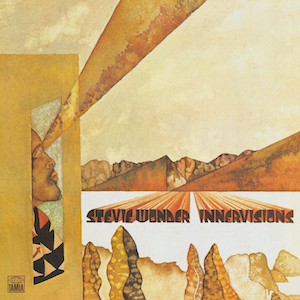
Innervisions, Stevie Wonder, 1973. Before the giant sweep of Songs in the Key of Life, Wonder made this tighter, sharper LP, and many collectors prefer it because every track feels engineered for impact. "Too High" and "Living for the City" bring social observation into the studio with cinematic focus, while "Golden Lady" and "All in Love Is Fair" prove that tenderness does not have to soften the edges. The synthesizer work is central, but it never turns the album into a tech demo. Wonder uses electronics as texture, motion, and moral pressure. Original Tamla copies are not rare, though quiet vinyl matters because the album has wide dynamic shifts. The cover art, with its painted inner-world imagery, also fits the record's central trick: it sounds personal and panoramic at the same time.
-

Hot Buttered Soul, Isaac Hayes, 1969. Isaac Hayes did not merely stretch soul songs on this record; he changed what an LP side could be. The album has only four tracks, including a version of "Walk On By" that runs past twelve minutes and "By the Time I Get to Phoenix" with an extended spoken introduction that turns heartbreak into theater. This was a radical format move for a soul album in 1969, closer to a film score, sermon, and late-night jam session than a standard radio product. On vinyl, the long grooves and slow builds are the point. Stax pressings can vary, and reissues are often kinder to listeners who want clean bass and fewer pops during the quiet passages. The cover's shaved-head portrait is iconic because it sells the same idea as the music: Hayes was not asking permission.
-

Shaft, Isaac Hayes, 1971. Soundtrack albums can be uneven, but Shaft earns its shelf space because Hayes treats film music as a complete soul environment. The title theme won the Academy Award for Best Original Song, making Hayes the first Black composer to win in that category, and the double LP goes far beyond the famous wah-wah guitar intro. Instrumentals, vocal features, orchestral cues, and street-level rhythm pieces give the record a cinematic spread that feels especially good across four sides. Collectors should check whether a copy includes the correct gatefold presentation, since the physical package is part of its appeal. The music can move from background atmosphere to dance-floor command in seconds, which makes it one of the most playable soundtrack records in any soul collection.
-

Otis Blue/Otis Redding Sings Soul, Otis Redding, 1965. If you want a record that explains the Stax approach quickly, put this on. Redding recorded much of the album in an intense burst, and the performances sound like a band trusting momentum more than polish. His version of "A Change Is Gonna Come" respects Sam Cooke's original while making the grief rougher at the edges, and "I've Been Loving You Too Long" remains one of the great soul vocal performances. Vinyl buyers should know that mono and stereo presentations can feel meaningfully different, with mono often giving the band a tougher center. The cover is simple, the session energy is not. This is the kind of LP where a few seconds of room noise before the vocal enters can tell you whether the copy has life left in it.
-

The Dock of the Bay, Otis Redding, 1968. Released after Redding's death in December 1967, this album carries a strange emotional weight: it is both a commercial breakthrough and a memorial. The title track became his first posthumous number one single in the United States, and its relaxed, reflective tone suggested a future he never got to explore. The rest of the LP gathers material that shows his range, from grit to tenderness, so the record can feel less like a planned concept and more like a portrait assembled under impossible circumstances. For collectors, that context matters. A clean copy lets the whistled ending of the title track land without distraction, and the album's quieter moments need more care than Redding's harder-driving Stax sides. It belongs here because the vinyl experience turns the historical sadness into something immediate.
-

Dusty in Memphis, Dusty Springfield, 1969. This is blue-eyed soul at its most carefully balanced: British pop discipline meeting American studio feel. Springfield recorded with producers Jerry Wexler, Arif Mardin, and Tom Dowd, and the album's reputation has grown partly because it avoids over-singing. "Son of a Preacher Man" is the familiar entry point, but "Breakfast in Bed" and "I Don't Want to Hear It Anymore" show how much tension she could create by holding back. Original Atlantic copies can be pricey in excellent condition, while reissues vary in EQ, so listen for whether the voice sits naturally instead of turning sharp. The record is a collector favorite because it is not a museum piece. It still sounds adult, wounded, stylish, and slightly dangerous.
-

Back to Black, Amy Winehouse, 2006. A modern soul canon needs this record because Winehouse and producers Mark Ronson and Salaam Remi translated girl-group drama, Motown snap, jazz phrasing, and hip-hop-era bluntness into something instantly recognizable. It is also a cautionary vinyl purchase. The album was made in the loudness-war era, and not every pressing flatters its dense drums and vocal compression. Still, the right copy gives "Love Is a Losing Game" and "Wake Up Alone" more body than many digital listens. The stark cover photograph suits the music's refusal to soften itself. Collectors chasing an original should compare editions and condition carefully, but the album's importance is not in scarcity. It is in how naturally it connects 1960s soul vocabulary to a twenty-first-century voice that sounds completely unfiltered.
-

Voodoo, D'Angelo, 2000. Voodoo is famous for feel, and that makes it a fascinating vinyl record. Much of the album was shaped at Electric Lady Studios with players associated with the Soulquarians circle, and the groove often sits behind the beat in ways that can seem loose until you realize how intentional it is. Questlove's drumming, Pino Palladino's bass, and D'Angelo's layered vocals create a humid, late-night sound that resists clean categorization. On vinyl, that pocket becomes physical. The low end is a major reason to own it, but setup matters because muddy playback can blur the album's detail. Early pressings have become collectible, while later reissues give more listeners a sane path in. It is not retro-soul cosplay. It is a studio language built from funk, gospel, hip-hop, and silence.
-

Brown Sugar, D'Angelo, 1995. D'Angelo's debut is smoother and more song-forward than Voodoo, which is exactly why it deserves its own spot. The record helped define neo-soul before that tag became a bin label, connecting Rhodes warmth, hip-hop drum sensibility, and church-trained vocal phrasing. "Lady" may be the obvious centerpiece, but the album's vinyl charm is in the way the grooves settle into mid-tempo confidence rather than chasing spectacle. Pressing history can be confusing, and some copies were made when vinyl was not the commercial priority it later became, so research editions before paying collector prices. The cover's cool minimalism fits the sound. It is intimate without being small, polished without feeling sterile, and still one of the best bridges between classic soul listening and 1990s R&B.
-
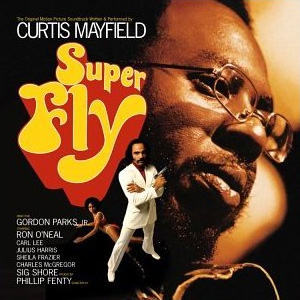
Super Fly, Curtis Mayfield, 1972. Curtis Mayfield's soundtrack works because it critiques the world the film sensationalizes. "Freddie's Dead" and "Pusherman" are seductive on the surface, but the lyrics are full of moral accounting. That tension gives the vinyl album unusual staying power: it can sit in a funk set, a soul collection, or a film-score shelf and make sense in all three places. Mayfield's falsetto floats above arrangements that are leaner than Isaac Hayes's cinematic sweep, with percussion, guitar, and horns creating a street-level pulse. Original Curtom copies are desirable, and the cover art is one of the great visual documents of the blaxploitation era. Listen for clean high frequencies because Mayfield's voice and the cymbal work can get brittle on worn vinyl. A good copy is sleek, angry, and impossibly cool.
-

Curtis, Curtis Mayfield, 1970. Mayfield's first solo album after the Impressions opens with "Don't Worry If There's a Hell Below, We're All Going to Go," which is not exactly a gentle reintroduction. The record throws social commentary, orchestration, percussion, and that weightless falsetto into arrangements that keep shifting under the listener. Compared with Super Fly, this album feels less tied to narrative and more like a dispatch from a country in argument with itself. Vinyl helps the sequencing, especially the move from warning to uplift and back again. Collectors should not overlook later pressings if they are clean, since noisy originals can blunt the intricate top end. The album is essential because it shows Mayfield as a complete author: songwriter, arranger, guitarist, singer, and political observer with hooks sharp enough for radio.
-

Al Green Gets Next to You, Al Green, 1971. Before the soft-focus image hardened around Al Green, this album showed how tough the Hi Records sound could be. Producer Willie Mitchell, drummer Al Jackson Jr., and the Memphis players gave Green a groove bed that was dry, economical, and dangerously controlled. "Tired of Being Alone" is the hit, but the record's deeper value is hearing Green figure out how to move from a shout to a whisper without losing command. On vinyl, the drum sound matters. Hi pressings can have a wonderfully direct midrange, but worn copies turn the snare and vocal peaks into grit. The album cover is modest compared with the music, almost understated. That suits a record whose sophistication is in restraint: short songs, tight arrangements, and emotional turns that happen before you can brace for them.
-

Call Me, Al Green, 1973. Many listeners pick Call Me as Green's most complete LP because it combines hits, country-soul interpretation, and devotional undertow without breaking the spell. His versions of "I'm So Lonesome I Could Cry" and "Funny How Time Slips Away" make the case that country songwriting and Southern soul were never as far apart as record-store dividers suggest. Willie Mitchell's production keeps everything close to the skin: guitar flickers, horns answer politely, and the drums rarely overstate the point. Clean vinyl lets the quietness do its work. If a copy is noisy, the album's small gestures can disappear. This is not the Green record to buy for maximum volume. It is the one to buy when you want to hear how much drama can fit inside a soft entrance and a perfectly placed hi-hat.
-

Here, My Dear, Marvin Gaye, 1978. Originally tied to the financial terms of Gaye's divorce settlement, Here, My Dear has one of the strangest backstories in major-label soul. What could have been a contractual obligation turned into a double album of bitterness, confession, humor, and self-indictment. The music is not as instantly welcoming as What's Going On, which is part of its appeal for collectors who like records that reveal themselves slowly. The side breaks feel almost like chapters in a private argument. Original copies were not universally loved on release, so condition varies, and the best reissues help clarify the layered vocals and bass movement. The cover art, with Gaye in a surreal temple setting, fits the mood perfectly. It is messy, brilliant, and too specific to imitate.
-

There's a Riot Goin' On, Sly and the Family Stone, 1971. This album sounds like the afterimage of the 1960s. The optimism of earlier Sly records is still detectable, but it is slowed, fogged, and pulled into a murky funk atmosphere. Tape saturation, drum-machine textures, overdubs, and exhaustion become part of the composition. "Family Affair" is the doorway, yet the album's deeper pull comes from its unsettled pacing and shadowy mix. Vinyl is appropriate because the record benefits from a little physical mystery, as long as surface noise does not overwhelm the already-dark production. The American flag cover with suns instead of stars remains one of soul's most loaded images. It is not an easy record in the clean, audiophile sense. It is essential because its damaged sound tells the truth.
What to buy first
If you are starting from scratch, buy three records before chasing rarities: What's Going On for album-length soul storytelling, I Never Loved a Man the Way I Love You for vocal authority, and Hot Buttered Soul for the outer edge of what a soul LP could become. After that, add Call Me if you want intimate Memphis production, Super Fly if you want socially sharp funk, and Voodoo if your collection needs a modern record with deep groove logic.
For pressing strategy, do not let original-copy fever override the listening experience. Soul LPs were often party records, radio records, and everyday household records, which means many surviving originals have groove wear. A carefully mastered reissue can beat a trashed first pressing. Check seller notes for noise on ballads, inspect spindle marks, and remember that strong bass is not the same thing as clean bass.
Research notes and sources
This list was cross-checked against album histories, label context, and vinyl-market data from sources including the RIAA 2024 revenue report, Stax Records, Motown Museum, album documentation on MusicBrainz, public cover-art references from Wikipedia and the Cover Art Archive, and official artist or label histories where available. The goal was not to pick the most expensive records. It was to identify soul albums that still justify time, shelf space, and repeat playback on vinyl.
FAQ
What is the best soul album to start with on vinyl?
What's Going On by Marvin Gaye is the safest first buy because it works as a complete album, not just a collection of singles. If you care most about vocals, start with Aretha Franklin's I Never Loved a Man the Way I Love You. If you want something more expansive and cinematic, start with Isaac Hayes's Hot Buttered Soul.
Are original soul pressings always better than reissues?
No. Original pressings can sound wonderful, but many soul records were played heavily for decades. Groove wear, scratches, and noisy vinyl can ruin the quiet moments. A clean, well-mastered reissue is often the better listening copy, especially for albums with delicate vocals, strings, or long low-volume passages.
Should I buy mono or stereo soul records?
It depends on the album and era. Many mid-1960s soul records were mixed with mono playback in mind, so mono can sound punchier and more focused. By the 1970s, stereo albums often used the format more naturally. If possible, compare clips or read pressing notes before paying a premium.
Why do soul albums sound so good on vinyl?
Soul recordings often emphasize live rhythm sections, human vocal texture, horns, organ, and room feel. Vinyl playback can make those elements feel cohesive and physical, especially when the record is clean and the system tracks well. The format also encourages full-side listening, which suits albums built around mood and sequence.
A spreadsheet tracks what you own. What's Spinning identifies what's playing.
On-device vinyl ID logs your listening history automatically. 7-day free trial.
Looking for Shazam for vinyl?
What's Spinning identifies what's playing on your turntable on-device, logs history, and AirPlays now-playing to your TV.
Comparing vinyl ID apps?
Analog requires Discogs and is iPhone-first (iPad coming). What's Spinning works without Discogs on iPhone and iPad with AirPlay.
Try What's Spinning Free
Turn your iPad into a live now-playing display. Track every record you spin.
START FREE TRIALThen $4.99/mo or $39.99/yr · Cancel anytime