The Best Vinyl Albums of the 1960s
The 1960s are where the vinyl LP became more than a delivery format for songs. Jazz artists used the album as a spiritual suite, rock bands turned studios into laboratories, soul singers made concise long-players with no wasted motion, and album jackets became cultural objects you could hold in your hands. If you collect records, the decade is not just important because the music is famous. It is important because the physical LP helped define how that music was heard, sequenced, debated, and remembered.
This guide focuses on the best vinyl albums of the 1960s for collectors, not simply the most famous titles. That means the ranking considers music, sound, sleeve history, pressing lore, side breaks, and how satisfying each record remains as a front-to-back turntable listen. For wider context, RIAA year-end reporting has noted vinyl’s modern resurgence, including vinyl overtaking CDs in U.S. unit sales in 2022 for the first time since 1987, which helps explain why so many listeners are returning to these albums as physical objects rather than background streams. Source: RIAA 2022 year-end report.
The list below leans into records that tell you something when you handle them. Some are mono-versus-stereo puzzles. Some are cover-art landmarks. Some are affordable in reissue form but terrifying in original condition. All of them belong in the conversation when someone asks what the phrase best vinyl albums of the 1960s should actually mean.

1. Highway 61 Revisited, Bob Dylan, 1965
Collector fact: Released by Columbia on August 30, 1965, with a mostly electric band and the 11-minute closer Desolation Row. Source: album reference.
Bob Dylan did not simply plug in for Highway 61 Revisited; he rewired the expectations around what a rock LP could hold. Coming after the electric side of Bringing It All Back Home, the album opens with Like a Rolling Stone, a six-minute single that somehow made radio sound too small for it, then keeps widening the road through Tombstone Blues, Ballad of a Thin Man, and the title track.
Collectors care because early Columbia mono and stereo copies present different arguments. The mono has punch and center weight, while a clean stereo copy gives the band more room to snarl around Dylan’s voice. Either way, the record is a reminder that lyric sheets were not a luxury in the mid-1960s, they were survival equipment. The cover photo, Dylan sitting with a Triumph motorcycle T-shirt under a silk shirt, also captures the album’s mix of beat cool and electric impatience.
Its vinyl appeal is in the tension between literary density and garage-band attack. You can hear Mike Bloomfield’s guitar bite, Al Kooper’s organ color, and producer Bob Johnston letting the performances keep their nervy edges. For a 1960s shelf, this is a cornerstone because it turns the LP into a place for argument, surreal comedy, blues inheritance, and cultural weather.

2. Pet Sounds, The Beach Boys, 1966
Collector fact: Brian Wilson produced and arranged the album with Tony Asher lyrics; its reported production cost exceeded $70,000. Source: album reference.
A zoo photograph on the jacket undersells how radical Pet Sounds still feels when the harmonies bloom from a good pair of speakers. Brian Wilson built the album largely with the Wrecking Crew, stacking harpsichord, bicycle bells, bass harmonica, tack piano, strings, and percussion into arrangements that were expensive, obsessive, and unusually vulnerable for a pop group in 1966.
The collector conversation often starts with mono because Wilson mixed the album for mono and had hearing loss in one ear. Early Capitol rainbow-label copies have the historical pull, but the reissue market is unusually important here because many originals were played hard and can sound noisy during the delicate passages. A great copy lets Wouldn’t It Be Nice lift off cleanly, keeps the low-end pulse of Here Today from getting cloudy, and gives Caroline, No the haunted quiet it deserves.
Pet Sounds matters for vinyl buyers because it is a studio album in the deepest sense. The record turns side sequencing into emotional architecture: youthful hope, adult doubt, spiritual ache, then a fade into train sounds and dogs. If you track your listening in What’s Spinning, this is exactly the kind of album that reveals patterns over time; you may think you came for the singles, then discover you keep replaying the fragile center.
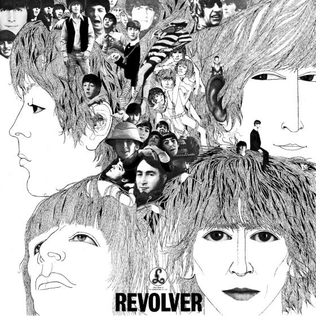
3. Revolver, The Beatles, 1966
Collector fact: Released on August 5, 1966, Revolver was the Beatles’ final recording project before they stopped touring. Source: album reference.
Revolver is the point where the Beatles stopped treating the studio as a place to document songs and started using it as an instrument. Tape loops, close-miked strings, backwards guitar, varispeed vocals, and Geoff Emerick’s bold engineering choices make the album feel compact but endlessly active. It is only about 35 minutes long, yet it contains chamber pop, soul, children’s novelty, Indian classical influence, psychedelic drones, and guitar rock without sounding like a compilation.
Collectors should pay attention to country and mix differences. UK Parlophone copies preserve the home-market sequence and presentation, while U.S. listeners historically encountered a shorter Capitol configuration because some tracks had already appeared on Yesterday and Today. Mono pressings remain central to serious Beatles collecting, though the 2022 remix also gave newer buyers a clean, widely available way into the record’s architecture.
The Klaus Voormann cover is part of the experience, a black-and-white collage that feels like a visual equivalent of the tape experiments inside. On vinyl, the side break after She Said She Said arrives like a reset before Good Day Sunshine opens side two in bright color. Revolver belongs high on any 1960s list because it proves experimentation can be concise, melodic, and physically thrilling.
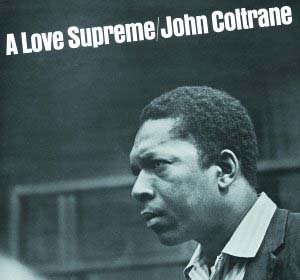
4. A Love Supreme, John Coltrane, 1965
Collector fact: Recorded in one session on December 9, 1964, at Van Gelder Studio with McCoy Tyner, Jimmy Garrison, and Elvin Jones. Source: album reference.
Four musicians walked into Rudy Van Gelder’s Englewood Cliffs studio and made a spiritual document that still feels startlingly direct. A Love Supreme is structured as a suite, Acknowledgement, Resolution, Pursuance, and Psalm, but the language is not academic. Coltrane’s tenor, Tyner’s piano, Garrison’s bass, and Jones’s drums sound like a quartet thinking, praying, and pushing as one organism.
Original Impulse! copies are treasured objects, especially clean orange-and-black label pressings with strong jackets. The gatefold design and Coltrane’s printed poem make the LP format feel necessary, not decorative. Later audiophile reissues can be excellent because this music benefits from low noise, stable pitch, and a system that can handle Elvin Jones’s cymbal energy without splash.
What separates A Love Supreme from many revered jazz records is how approachable its intensity remains. The opening bass figure is memorable enough to hum, the chant gives listeners a foothold, and the final Psalm turns notation into speech-like devotion. For collectors who mostly live in rock or soul, this is often the jazz album that makes the shelf expand. It is not background music, and it should not be treated gently in the historical sense. It asks for attention, then rewards it with one of the most complete side-to-side journeys in 1960s recording.

5. Blonde on Blonde, Bob Dylan, 1966
Collector fact: Released as a Columbia double album in 1966 after sessions moved from New York to Nashville at producer Bob Johnston’s suggestion. Source: album reference.
Few double albums feel as loose and inevitable as Blonde on Blonde. Dylan began the sessions in New York, struggled to get the sound he wanted, then moved to Nashville with Robbie Robertson and Al Kooper joining top local players. The result has that famous thin, wild mercury quality, a phrase Dylan later used that sounds like collector shorthand for the whole record.
As an LP object, Blonde on Blonde has built-in drama. Early pressings, gatefold details, Claudia Cardinale photo variations, and mono versus stereo preferences all matter to collectors. The sides also behave differently: the sharp comic rush of Rainy Day Women #12 & 35, the ache of Visions of Johanna, the bluesy sprawl of Leopard-Skin Pill-Box Hat, then the entire fourth side devoted to Sad Eyed Lady of the Lowlands.
The double-album format was not common for rock in 1966, and that is part of its importance. Dylan uses the extra space not for polish but for atmosphere, jokes, long lines, and performances that seem to stagger into focus. A clean copy makes the Nashville musicians’ touch easier to appreciate, especially the organ, guitar, and drum accents that keep the songs buoyant. This is a collector record because the physical sides shape how the surrealism lands.

6. Sgt. Pepper’s Lonely Hearts Club Band, The Beatles, 1967
Collector fact: Released in the UK on May 26, 1967, the album expanded the roles of production, sleeve design, and album concept in pop music. Source: album reference.
The first thing Sgt. Pepper changed for many buyers was not the sound, it was the package. The Peter Blake and Jann Haworth cover, the gatefold, the printed lyrics, and the cut-out insert made the LP feel like an event before the record even left its sleeve. Once it did, George Martin and the Beatles turned four-track limitations into a production playground.
Collectors still debate mono and stereo versions because the Beatles were directly involved with the mono mix, while the stereo mix received less attention at the time. Early UK Parlophone copies with the proper inserts are the classic target, but condition is everything. A worn copy can flatten the sparkle of Lucy in the Sky with Diamonds or exaggerate sibilance in With a Little Help from My Friends. Modern remixes and anniversary editions give newer collectors another path, especially if they want detail without paying trophy prices.
Its reputation can make the album feel too familiar, so listen for craft instead of ceremony. The reprise tightens the fictional-band frame, A Day in the Life uses orchestral chaos as emotional punctuation, and the run from Getting Better to She’s Leaving Home shows how quickly the record changes color. Whether it is the greatest Beatles album is a fun argument. Its place among essential 1960s vinyl is not really an argument at all.

7. The Velvet Underground & Nico, The Velvet Underground and Nico, 1967
Collector fact: Released by Verve in March 1967, the album was recorded in 1966 and features Andy Warhol’s famous banana sleeve design. Source: album reference.
Some records sell a fantasy of the 1960s; The Velvet Underground & Nico sounds like the underside of the decade refusing to stay quiet. The album came out on Verve with Andy Warhol’s banana cover, but its real shock was musical: drone, viola scrape, street-level lyrics, fragile ballads, and garage rhythm coexisting without apology.
The object history is irresistible. Early copies with the peelable banana sticker and the torso image that caused legal trouble are among the most discussed artifacts in rock collecting. Reissues are far more practical for daily listening, but the original sleeve concept remains one of the great examples of pop art entering record stores through the front door. Because the album can sound abrasive, clean vinyl helps. Surface noise may suit the myth, but it does no favors to Sunday Morning or I’ll Be Your Mirror.
Its influence is famously out of proportion to its initial sales. For a collector, that makes it more than a canonical purchase. It is a reminder that value is not always chart value. Heroin stretches time until the groove feels unstable, Venus in Furs makes viola distortion central, and Nico’s vocals put a cold frame around songs that might otherwise seem merely pretty. This is the 1960s LP for people suspicious of nostalgia, and it still sounds like a secret being passed across a room.

8. Are You Experienced, The Jimi Hendrix Experience, 1967
Collector fact: Released in May 1967 in the UK, the debut introduced Hendrix’s electric guitar language to a rock album audience. Source: album reference.
Are You Experienced arrived like a new technology disguised as a debut album. Hendrix, Noel Redding, and Mitch Mitchell had the trio format, but the record’s real scale comes from guitar tone, feedback control, studio effects, and rhythmic imagination. Purple Haze, Manic Depression, Fire, and The Wind Cries Mary do not just announce a guitarist; they announce a new set of rules for rock sound.
Vinyl buyers need to know that the UK Track and U.S. Reprise versions differ in cover art and track listing. The UK sleeve, with the fisheye band portrait, and the U.S. psychedelic Karl Ferris cover each tell a different market story. Original Track copies can be expensive, and condition is brutal because this was a party record as much as a collector item. Reissues are often the sane way to hear the album with full frequency range and fewer campfire crackles.
The production by Chas Chandler keeps the songs compact, which is part of the power. Hendrix had enough studio imagination to bend reality, but the album rarely drifts. Mitchell’s drumming brings jazz agility, Redding anchors the fuzz, and Hendrix treats amplifiers as expressive partners. On vinyl, the record has a physical shove that makes its innovations feel less like museum pieces and more like sparks jumping from the speakers.
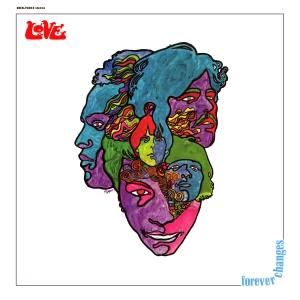
9. Forever Changes, Love, 1967
Collector fact: Released by Elektra in November 1967, it was the last album recorded by Love’s original lineup. Source: album reference.
Forever Changes is not psychedelic rock as a poster; it is psychedelic rock as premonition. Arthur Lee’s songs wrap dread, mortality, and Los Angeles sunshine in acoustic guitars, brass, strings, and melodies that seem cheerful until the words darken the room. The original lineup was already fraying, and that instability gives the album its strange charge.
Collectors prize original Elektra gold-label pressings, but this is another album where a clean reissue can beat a battered first copy. The arrangements need transparency. On Alone Again Or, Bryan MacLean’s flamenco-touched guitar and mariachi brass should feel bright but not brittle. On The Red Telephone and You Set the Scene, the orchestration should deepen the anxiety rather than smear it.
The cover’s bright, linked faces make a useful contrast with the music’s unease. This is a record that rewards lyric reading, jacket holding, and repeated plays at moderate volume. It did not become a blockbuster, but collector culture has been kind to it because the album offers something different from the familiar Summer of Love script. Forever Changes sounds like someone noticed the party was ending while the lights were still beautiful.
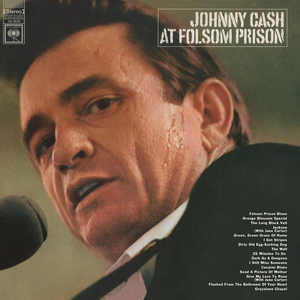
10. At Folsom Prison, Johnny Cash, 1968
Collector fact: Recorded at Folsom State Prison on January 13, 1968, and released by Columbia on May 6, 1968. Source: album reference.
At Folsom Prison begins with an announcement, footsteps, and a crowd that understands exactly who has come to play. Johnny Cash had recorded prison songs before, but bringing the show inside Folsom State Prison gave the mythology a hard edge. The album is live, but it is also edited into a remarkably tight dramatic experience.
Original Columbia two-eye pressings have strong collector appeal, though many copies lived rough lives in country collections, family consoles, and stackable changers. A clean copy gives the room tone its proper role. The audience reactions are not decoration, they are part of the arrangement. When Cash sings Folsom Prison Blues, Cocaine Blues, and I Got Stripes, the call-and-response energy changes the songs’ moral temperature.
The cover is stark, Cash in black against prison stone, and it tells you this is not Nashville polish. Producer Bob Johnston kept the presentation lean enough that Cash’s timing, Luther Perkins’s guitar, and the crowd’s laughter can carry the story. For vinyl collectors, At Folsom Prison is essential because it proves a live LP can be more than a souvenir. It can rescue a career, sharpen a persona, and turn a room full of people into a permanent part of the groove.

11. Astral Weeks, Van Morrison, 1968
Collector fact: Recorded at Century Sound Studios in New York in September and October 1968 and released by Warner Bros. in November. Source: album reference.
Astral Weeks sounds less arranged than summoned. Van Morrison entered sessions with jazz-oriented players, including bassist Richard Davis, and the music that emerged sits somewhere between folk, soul, jazz, and memory. The songs do not always move in straight lines. They circle phrases, stretch vowels, and let acoustic bass guide the emotional weather.
The original Warner Bros. pressing is appealing, but buyers should listen carefully for groove wear because the album’s quiet passages expose damage. This is not a record that benefits from surface drama. Madame George, Cyprus Avenue, and Slim Slow Slider need air around them. A good copy makes the bass woody, the flute and strings ghostlike, and Morrison’s voice startlingly close without becoming harsh.
Its lack of obvious singles is part of the point. Astral Weeks asks the LP format to carry mood, not hits. The side break becomes a breath between two clusters of recollection, and the cover’s soft-focus portrait reinforces the sense that the album is half dream, half street map. It sold modestly at first, then became one of those records musicians and collectors recommend with unusual seriousness. If your 1960s shelf is too focused on guitars and charts, this album adds mystery, looseness, and soul that cannot be reduced to genre.

12. Electric Ladyland, The Jimi Hendrix Experience, 1968
Collector fact: Released in October 1968, it was the only Experience album produced solely by Hendrix and reached No. 1 on the Billboard Top LPs chart. Source: album reference.
Electric Ladyland is what happens when Hendrix gets enough space to build a city rather than a fireworks stand. The double album moves from tape collage to blues, studio funk, psychedelic soul, and the monumental cover of All Along the Watchtower. It is the Experience’s final studio album, but it feels more like a door opening toward the music Hendrix might have made in the 1970s.
Collectors encounter several sleeve histories, including the controversial UK Track cover and the more familiar U.S. Reprise portrait. Sonically, this is a record where mastering matters because the music can become congested if the low end and guitar layers are not handled well. Voodoo Chile needs room for the club-like jam to breathe, while 1983... (A Merman I Should Turn to Be) depends on wide, aquatic studio space.
The appeal on vinyl is partly scale. Four sides let Hendrix wander without making the listener scroll through a menu. The side changes create chapters in a restless studio imagination, and the best copies preserve the contrast between ferocious guitar and surprisingly delicate textures. Electric Ladyland is not tidy, which is exactly why it belongs here. The 1960s were not tidy either.

13. Beggars Banquet, The Rolling Stones, 1968
Collector fact: Released by Decca in the UK and London in the U.S. on December 6, 1968, it began the Stones’ key Jimmy Miller production run. Source: album reference.
Beggars Banquet is the Rolling Stones snapping back into focus after psychedelic excess. Jimmy Miller’s production puts the band closer to blues, country, and acoustic menace, but the album is not a retreat. Sympathy for the Devil opens with percussion and danger, Street Fighting Man turns limitation into force, and the quieter songs have a dusty confidence that points toward Let It Bleed and Exile on Main St.
The sleeve story is unusually fun. The toilet-wall cover was rejected at the time, so early releases used a plain invitation-style design. Later editions restored the graffiti bathroom image, giving collectors two distinct visual identities to chase. UK Decca and U.S. London pressings each have partisans, and mono copies occupy their own niche because the late-1960s transition away from mono was already underway.
On vinyl, the album’s best trick is texture. Acoustic guitars rattle, congas move the air, and Jagger’s vocal performance shifts from theatrical to sly to exhausted. It is not the cleanest or most luxurious Stones record, but it might be the one where their late-1960s identity locks in. For a 1960s collection, Beggars Banquet is the hinge between blues revival, political unrest, and the dangerous glamour that would define their next few years.
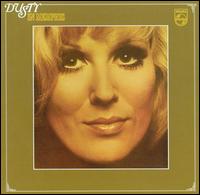
14. Dusty in Memphis, Dusty Springfield, 1969
Collector fact: Released in the U.S. by Atlantic on March 31, 1969, with Jerry Wexler, Arif Mardin, Tom Dowd, and American Sound Studio players involved. Source: album reference.
Dusty in Memphis is a lesson in restraint from a singer capable of enormous drama. Dusty Springfield worked with a dream team around Atlantic and American Sound Studio, including Jerry Wexler, Arif Mardin, Tom Dowd, the Sweet Inspirations, Tommy Cogbill, and Reggie Young. The result is Southern soul filtered through a British pop voice that never overplays its hand.
Collectors should not be fooled by the album’s modest commercial start. Original Atlantic and Philips copies are sought after because the record’s reputation grew steadily, especially as Son of a Preacher Man became the obvious entry point. The pressing needs warmth and vocal presence. Too much top-end glare can make the strings feel separate from the rhythm section, while a good copy places Springfield right in the pocket.
The album is also a reminder that great vinyl collecting is not only about bands writing every note. Song selection, studio musicians, arrangement, and vocal interpretation are the story here. Breakfast in Bed, Just One Smile, and I Don’t Want to Hear It Anymore depend on phrasing so precise it feels almost private. On a 1960s shelf full of louder revolutions, Dusty in Memphis earns its space by making understatement sound luxurious.

15. Abbey Road, The Beatles, 1969
Collector fact: Released by Apple on September 26, 1969, Abbey Road was the last album the Beatles recorded together. Source: album reference.
Abbey Road has one of the most reproduced covers in history, yet the album still wins on sound. By 1969 the Beatles were near the end as a working group, but the record is full of precision: George Harrison’s songwriting peak with Something and Here Comes the Sun, Paul McCartney’s bass authority, Ringo Starr’s drum clarity, and the long side-two medley that turns fragments into farewell architecture.
For collectors, early UK Apple pressings are the classic target, with misaligned apple sleeve details and matrix variations sending enthusiasts deep into the weeds. The album was recorded on EMI’s eight-track equipment, and that matters. Compared with earlier Beatles records, Abbey Road has a polished low-end depth and stereo confidence that can sound spectacular on a well-set-up turntable.
The side break is almost philosophical. Side one behaves like a set of strong individual songs, ending with the heavy absurdity of I Want You (She’s So Heavy). Side two moves toward suite logic, making the LP format feel like a final act. It is easy to take Abbey Road for granted because the imagery is everywhere, from crosswalk photos to dorm posters. Play a clean copy, and the familiarity drops away. The record is beautifully engineered, emotionally complicated, and still one of the safest answers to the question, what 1960s album should every vinyl collection own?
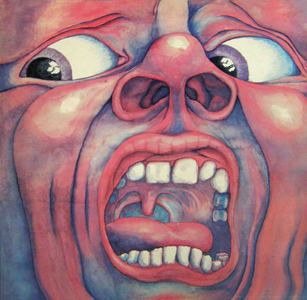
16. In the Court of the Crimson King, King Crimson, 1969
Collector fact: Released by Island on October 10, 1969, it is often cited as a foundational progressive rock album. Source: album reference.
One look at Barry Godber’s screaming face on the cover and you know In the Court of the Crimson King is not trying to be friendly. King Crimson’s debut arrived in 1969 with jazz tension, Mellotron grandeur, heavy guitar, long forms, and lyrics full of unease. 21st Century Schizoid Man alone draws a line from psychedelic rock toward progressive rock, metal, and jazz-rock intensity.
Original Island pink-label pressings are highly collectible, and the album’s visual design makes large-format ownership especially satisfying. The challenge is finding a copy that handles both the quiet pastoral sections and the explosive peaks. I Talk to the Wind needs silence and air; Epitaph and the title track need scale; Moonchild requires patience from both listener and playback system.
This album matters because it made ambition sound dangerous rather than merely ornate. The Mellotron can be majestic, but there is dread under the beauty. The side lengths invite immersion, and the cover turns the jacket into part of the performance. Many later prog records became more technical, more elaborate, or more excessive. Few kept this much shock in the grooves. For 1960s vinyl collectors, it captures the moment rock realized it could become symphonic without becoming polite.

17. Otis Blue/Otis Redding Sings Soul, Otis Redding, 1965
Collector fact: Released by Volt on September 15, 1965, the album includes Redding originals alongside soul transformations of contemporary songs. Source: album reference.
Otis Blue feels like a studio door left open during a perfect run of performances. Recorded for Stax’s Volt label, the album moves through Respect, I’ve Been Loving You Too Long, Ole Man Trouble, Satisfaction, and A Change Is Gonna Come with Redding’s voice at full command. It is raw, disciplined, sweaty, and beautifully arranged.
Collectors value original Volt pressings, but soul LPs from this period often lived active lives, so condition checks are crucial. Horn bursts and vocal peaks can reveal groove wear quickly. A strong copy gives the MG’s-related rhythm feel, the Memphis horn punctuation, and Redding’s dynamic control the physical presence they deserve. The album also highlights how soul LPs could be more than singles plus filler when the singer had a coherent interpretive personality.
The most fascinating thing is how Redding claims songs associated with other writers. Satisfaction becomes less sneer and more combustion; A Change Is Gonna Come becomes a soul testimony from another angle. For vinyl buyers who want the 1960s beyond rock mythology, Otis Blue is essential. It shows Stax-era soul as craft, heat, repertoire, and vocal truth pressed into one concise LP.
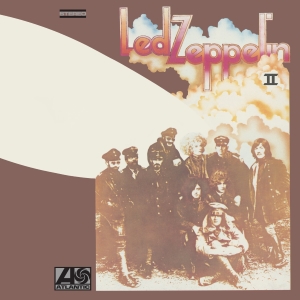
18. Led Zeppelin II, Led Zeppelin, 1969
Collector fact: Recorded in multiple studios during 1969 while the band toured; it was produced by Jimmy Page with Eddie Kramer engineering key sessions. Source: album reference.
Led Zeppelin II sounds like a band building a house out of amplifiers while the truck is still moving. The album was recorded in pieces across North America and the UK during a heavy touring year, which helps explain its compressed urgency. Whole Lotta Love, Heartbreaker, Ramble On, and Bring It On Home turn blues material, Tolkien references, studio effects, and brute force into a hard-rock language that would be copied for decades.
The pressing lore is legendary. Early U.S. copies mastered by Robert Ludwig, identified by RL in the deadwax, are famous for hot, powerful low end. Later cuts were reportedly tamed because some consumer turntables struggled with the intensity. That makes the album a perfect lesson in why two copies with the same cover can behave very differently on a real system.
Even without an RL copy, Led Zeppelin II is mandatory 1960s vinyl because the rhythm section has so much body. John Bonham’s kick drum, John Paul Jones’s bass, Page’s layered guitars, and Robert Plant’s high-wire vocals all benefit from analog weight. The sleeve’s altered World War I photo adds period mystique, but the groove is the main event. This is the late 1960s turning up until the furniture starts making decisions.
What to buy first
If you are building from scratch, do not start by chasing the rarest artifact in the room. Buy strong, quiet play copies first, then upgrade when your ears and budget agree. A sensible first five would be Revolver for studio innovation, Pet Sounds for arrangement detail, A Love Supreme for jazz depth, Otis Blue for soul power, and Abbey Road for pure engineering pleasure.
After that, let your collecting personality take over. If you love mastering lore, hunt a strong copy of Led Zeppelin II and learn the deadwax. If cover art matters, The Velvet Underground & Nico, Sgt. Pepper, and In the Court of the Crimson King are jacket-first experiences. If you want records that feel a little haunted, move toward Astral Weeks, Forever Changes, and Dusty in Memphis.
FAQ
What makes a 1960s album especially good on vinyl?
The best 1960s vinyl albums usually combine strong sequencing, dynamic performances, and production choices that reward attentive listening. Mono versus stereo differences, original mastering, label variations, and jacket details also make the format part of the historical experience.
Should I buy original 1960s pressings or modern reissues?
Buy condition and mastering before age. Original pressings are historically exciting, but many were played on heavy-tracking turntables and have groove wear. A clean, well-mastered reissue can be the smarter play copy while you wait for the right original.
Why are mono copies so collectible for 1960s albums?
Many 1960s artists, producers, and labels still treated mono as the primary format, especially in the first half of the decade. Some stereo mixes were made quickly or aimed at novelty separation, so mono copies can sound punchier and closer to the intended balance.
What is the best first purchase from this list?
For rock, start with Revolver, Pet Sounds, or Abbey Road because excellent reissues are easy to find. For jazz, start with A Love Supreme. For soul, Otis Blue and Dusty in Memphis offer huge musical rewards without requiring a trophy-copy budget.
A spreadsheet tracks what you own. What's Spinning identifies what's playing.
On-device vinyl ID logs your listening history automatically. 7-day free trial.
Looking for Shazam for vinyl?
What's Spinning identifies what's playing on your turntable on-device, logs history, and AirPlays now-playing to your TV.
Comparing vinyl ID apps?
Analog requires Discogs and is iPhone-first (iPad coming). What's Spinning works without Discogs on iPhone and iPad with AirPlay.
Try What's Spinning Free
Turn your iPad into a live now-playing display. Track every record you spin.
START FREE TRIALThen $4.99/mo or $39.99/yr · Cancel anytime