Best Starter Vinyl Records for New Collectors: 18 Albums Worth Owning First
The best starter vinyl records are not automatically the rarest albums, the most expensive pressings, or the records that make you look knowledgeable when friends scan your shelves. A first collection should teach you how vinyl works: how an album side flows, how condition affects listening, why cover art matters at twelve inches, and which records you actually return to when nobody is grading your taste.
That practical side matters more now because vinyl is no longer a tiny nostalgia lane. The RIAA reported that U.S. recorded music revenue reached $17.7 billion in 2024, with vinyl continuing a nearly two-decade surge. Billboard's coverage of Luminate's 2024 year-end report said U.S. vinyl album sales increased 4.3 percent in 2024, and that Fleetwood Mac's Rumours was still among the top-selling vinyl LPs of the year. In other words, new collectors are entering a healthy but crowded market.
The smartest way to begin is to buy records that are musically durable, easy enough to replace, and revealing enough to grow with your turntable. Use Discogs or your local shop's grading language to compare condition, and remember the collector basics: store records upright, keep them away from heat, and inspect used vinyl under light before buying. Discogs' beginner guide also makes a useful point: look for LPs you will hear one side at a time, because vinyl rewards full-album listening and physical engagement.
For What's Spinning users, these starter albums are also ideal listening-log anchors. Play them, let the app track what you actually spin, then use that history to decide where your next purchases should go. Your real collection is not the list you admire in theory. It is the shelf that gets played.
The best starter vinyl records for new collectors
-
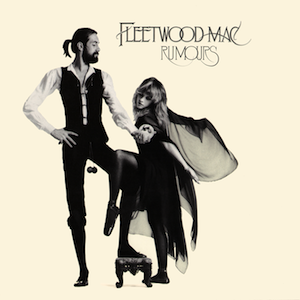
Rumours, Fleetwood Mac, 1977
Start a shelf with Rumours because it teaches the most useful beginner lesson: a popular record can still be a serious record. The album was built under famous personal pressure inside Fleetwood Mac, yet the production is almost unnervingly polished, with Lindsey Buckingham's guitars, Christine McVie's keyboards, John McVie's bass, and Mick Fleetwood's drums leaving space around every vocal wound. It won the Grammy Award for Album of the Year, spent weeks at number one, and has remained a vinyl perennial partly because the songs are familiar without feeling disposable. For new collectors, that matters. You can find reissues easily, used copies turn up often, and the album rewards better gear without requiring rare-pressing obsession. Listen to the way "Dreams" floats compared with the thump of "Go Your Own Way," then notice how side two keeps the emotional temperature high without becoming melodrama. A starter record should survive repeated plays; this one usually becomes a house record, not a museum piece.
-

Kind of Blue, Miles Davis, 1959
Jazz scares off some beginners because the catalog looks endless and the pressing rabbit hole can get expensive fast. Kind of Blue is the rare safe recommendation that is not boring. Recorded in 1959 with Cannonball Adderley, John Coltrane, Bill Evans, Wynton Kelly, Paul Chambers, and Jimmy Cobb, it is often described as a landmark of modal jazz, which means the players work from scales and mood more than dense chord traffic. That gives the album its unusual clarity. On vinyl, the space around the horn lines and cymbals teaches you what quiet surfaces, good setup, and patient listening can do. There are many editions, from affordable modern cuts to audiophile versions, so beginners should resist paying collectible money before knowing what their system reveals. Buy a clean, reputable pressing first. If it pulls you into jazz, then follow the sidemen outward. This is not a token jazz LP for credibility; it is a map of restraint, tone, and ensemble trust.
-

Abbey Road, The Beatles, 1969
Few album covers make the object feel important before you even remove the record from the sleeve. Abbey Road gives a new collector that thrill, then backs it up with one of the cleanest studio experiences in the Beatles catalog. The record is especially useful on vinyl because side two is built around a medley that behaves differently when you hear it as a continuous side instead of scattered tracks. George Harrison's "Something" and "Here Comes the Sun" show how much the band's center of gravity had shifted, while "Come Together" and "I Want You" keep the record grounded in groove and repetition. Pressing culture around Beatles albums can become absurdly granular, so this is a good place to practice sanity. A clean modern copy is enough to understand why the album works. Once you care about matrix numbers, country variants, and mastering differences, you can go deeper. Until then, the record's job is simple: make an LP side feel like an event.
-
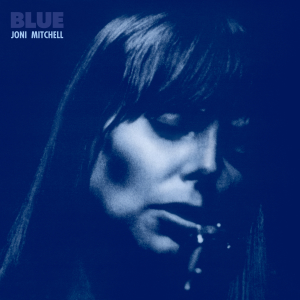
Blue, Joni Mitchell, 1971
A first collection needs at least one record where surface noise becomes the enemy immediately. Blue is that test because Joni Mitchell leaves so little room for a noisy copy to hide. The arrangements are intimate, with guitar, piano, dulcimer, and voice carrying songs that feel private without becoming small. It is also a reminder that vinyl is not only about bass impact or big rock production. Sometimes the format's appeal is physical concentration, the sense that a room has gone quiet enough for one singer's phrasing to matter. Beginners should buy this record in the best condition they can reasonably afford, especially if shopping used. Groove wear near the inner tracks will not be charming here. The album's emotional directness has made it canonical, but the collector reason is more practical: Blue teaches listening discipline. It asks whether your setup is level, whether your stylus is clean, and whether you actually sit still long enough for a record to do its work.
-
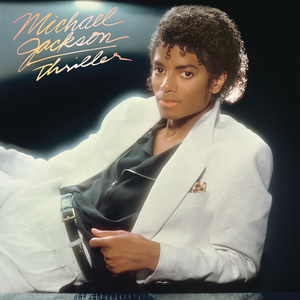
Thriller, Michael Jackson, 1982
Nobody needs a rare copy of Thriller to understand why it belongs in a starter crate. The point is that the biggest-selling pop album in history also happens to be a masterclass in arrangement and vinyl-side pacing. Quincy Jones' production is tight enough to make "Billie Jean" feel skeletal and massive at the same time, while "Wanna Be Startin' Somethin'" turns percussion, chants, and vocal layering into a runway. Eddie Van Halen's guitar on "Beat It" gives rock collectors an entry point, and Rod Temperton's writing keeps the title track theatrical without turning the whole LP into novelty. Used copies are everywhere, which makes this a condition lesson. Many were played hard on modest 1980s systems, so check for scratches, groove wear, and sleeve damage before assuming common means disposable. A clean copy sounds expensive even when it is not. For beginners, Thriller proves that pop blockbusters can be audiophile-adjacent without acting precious about it.
-

Songs in the Key of Life, Stevie Wonder, 1976
Sooner or later a collector has to deal with the double album, and Songs in the Key of Life is one of the friendliest ways to learn why the format exists. Stevie Wonder did not use the extra space as indulgence alone. He used it to make an album that moves through family, spirituality, childhood, social observation, jazz harmony, funk, pop, and ballad writing without sounding like a compilation. The original package included a bonus EP, so used buyers should check completeness before paying collector prices. Musically, the record is generous to a new system. "Sir Duke" jumps, "I Wish" snaps, and "Pastime Paradise" shows how texture and repetition can carry moral weight. It is also a good reminder that some records are not meant to be finished quickly. Four sides change your relationship to an album. You get up, flip, reset, and keep going. If a starter collection should teach habits as well as taste, this LP teaches commitment with joy.
-

The Dark Side of the Moon, Pink Floyd, 1973
A beginner does not need to become a Pink Floyd obsessive to benefit from owning The Dark Side of the Moon. It is useful because it reveals what concept, engineering, and sleeve design can do together. Alan Parsons engineered the album at Abbey Road, and the sound effects, synthesizers, spoken voices, tape loops, clocks, cash registers, and vocal performances give a turntable plenty to stage. The famous prism cover also shows why twelve-inch artwork matters. It is simple enough to recognize across a room and iconic enough that the jacket has become part of the album's language. This record has been reissued constantly, which is good news for beginners and dangerous news for completists. Do not start by chasing a specific country pressing unless that chase is part of the fun. Start with a flat, clean copy and listen for transitions: "Speak to Me" into "Breathe," the panic of "On the Run," the side break after "The Great Gig in the Sky." It turns setup into theater.
-
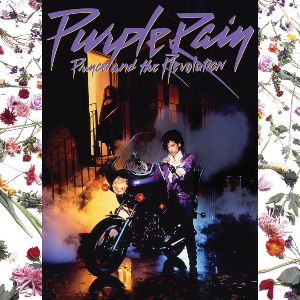
Purple Rain, Prince and the Revolution, 1984
Purple Rain earns starter status because it solves a common first-collection problem: how do you buy one record that covers pop, rock, funk, balladry, and star mythology without feeling like a greatest-hits shortcut? Prince made the soundtrack inseparable from the persona, but the LP stands on its own as a study in drama and control. "When Doves Cry" famously removes the bass line, leaving space and tension where a funk-pop single would normally thump. "Let's Go Crazy" begins like a sermon, then tears into guitar theatrics. The title track uses its long ending to turn arena sentiment into something almost devotional. Vinyl helps the record feel like a performance arc rather than a bundle of singles. Original copies are not impossible to find, though condition and poster or inner-sleeve details vary. Beginners should prioritize a copy that plays cleanly through the quieter passages. The purple jacket is fun; the real collectible value is how often you will want to play it.
-
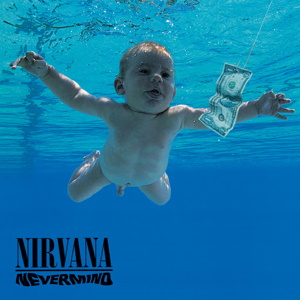
Nevermind, Nirvana, 1991
A 1990s record brings a different collector question than a 1970s classic: was the album originally built with vinyl as the main format, or did vinyl become the prestige object later? Nevermind came out as CDs and cassettes were dominant, but it remains a starter essential because it captures a cultural hinge in one brutally efficient sequence. Butch Vig's production gives the songs enough polish to invade mainstream radio while leaving Kurt Cobain's sandpaper edges intact. On LP, the quiet-loud structures feel physical. "Smells Like Teen Spirit" is the headline, yet "In Bloom," "Lithium," and "Drain You" are where pop architecture and abrasion really lock together. Beginners should not assume every modern reissue sounds the same. Some are cut louder, some spread the album differently, and some feel more compressed than others. Still, this is a record worth owning because it explains how alternative rock became mass culture almost overnight, while keeping enough mess to make that victory complicated.
-

Back in Black, AC/DC, 1980
Hard rock on vinyl is not automatically about heaviness. Often it is about space, and Back in Black is a beginner's masterclass in leaving room around huge riffs. The album followed the death of Bon Scott and introduced Brian Johnson, so the emotional stakes were unusually high for a band that worked in blunt gestures. Producer Robert John "Mutt" Lange kept the sound dry, disciplined, and enormous without cluttering the arrangements. That is why the opening bell of "Hells Bells," the guitar snap of "Shoot to Thrill," and the title track's riff still hit cleanly on modest systems. The black cover, originally issued as a mourning gesture, makes the object feel austere compared with flashier arena-rock jackets. Used copies are plentiful, but many were party records, which means groove wear is common. A starter shelf benefits from one LP that demonstrates power without progressive complexity or metal extremity. This is that record: direct, durable, and surprisingly revealing when the speakers are placed well.
-

The Miseducation of Lauryn Hill, Lauryn Hill, 1998
Every new collection should include a record that refuses the old genre bins. The Miseducation of Lauryn Hill moves through hip-hop, soul, reggae, gospel feeling, classroom interludes, heartbreak, motherhood, anger, and self-definition with unusual confidence for a solo debut. The album won the Grammy Award for Album of the Year, a historic moment for hip-hop-adjacent music, but its vinyl value is not just awards trivia. It plays like a long-form statement, with the interludes helping the listener move between public argument and private confession. On vinyl, the warmth of "Ex-Factor" and the bounce of "Doo Wop (That Thing)" sit beside deeper cuts that reward more than one spin. Buyers should pay attention to edition and side layout, since longer albums from the CD era can create vinyl compromises if squeezed poorly. A good pressing turns the record into a living-room conversation rather than a nostalgia object. It is a starter pick because it widens the shelf immediately.
-
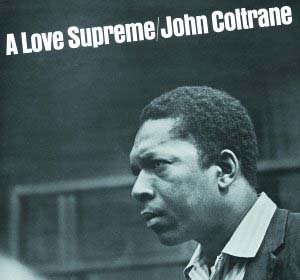
A Love Supreme, John Coltrane, 1965
If Kind of Blue is the doorway into jazz calm, A Love Supreme is the doorway into spiritual intensity. John Coltrane's classic quartet, McCoy Tyner, Jimmy Garrison, Elvin Jones, and Coltrane himself, recorded a suite that feels less like a set of tunes than a declaration. The famous four-note chant in "Acknowledgement" gives beginners an anchor, but the album keeps opening outward, with Jones' drumming and Tyner's chords pushing the music toward controlled fire. Vinyl is a natural fit because the suite structure gives the side breaks meaning. You are not shuffling tracks; you are following a shape. Pressing choices can get expensive here, especially in audiophile circles, so new buyers should begin with a respected, affordable reissue rather than a noisy old copy bought for aura. The record belongs in a starter collection not because it is easy background jazz, but because it shows how much emotional and spiritual weight an LP can carry in under forty minutes.
-
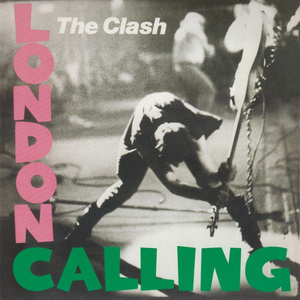
London Calling, The Clash, 1979
Punk's first lesson is speed, but London Calling is more useful for collectors because it shows what happens after a band outgrows a rulebook. The Clash stretch into reggae, rockabilly, ska, pop, R&B, and political reportage without losing urgency. The cover, a direct visual echo of Elvis Presley's debut design with Paul Simonon smashing his bass, makes the record a physical argument about rock history and rebellion. As a double album, it also gives beginners practice judging whether length is earned. Here, the sprawl is part of the fun. "Spanish Bombs," "Lost in the Supermarket," "Clampdown," and "Train in Vain" all point in different directions, yet the band identity holds. Used originals and early pressings can be collectible, but accessible reissues make more sense as a first copy. This is a starter album for anyone who thinks a vinyl shelf should include not only perfect sound, but also friction, politics, humor, and motion.
-

What's Going On, Marvin Gaye, 1971
What's Going On is a soul record, a protest record, a studio record, and a sequencing lesson in one sleeve. Marvin Gaye built the album around a returning Vietnam veteran's view of America, which lets the songs move through war, police violence, ecology, faith, family, and grief without sounding like separate assignments. The production is unusually fluid: congas, strings, horns, bass, backing voices, and Gaye's multi-tracked lead vocals blur the line between private prayer and public address. On vinyl, the album's continuity matters. The songs seem to flow into one another, so the LP format encourages the listener to treat it as a single meditation. Beginners should choose condition carefully because the arrangements are soft-edged and layered; heavy crackle can break the spell. This is one of the safest records to buy first not because it is safe music, but because it keeps revealing new details as your ear improves. It makes the collection feel older, wiser, and more human.
-
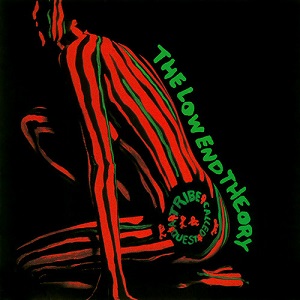
The Low End Theory, A Tribe Called Quest, 1991
Hip-hop belongs in a starter vinyl collection for reasons beyond nostalgia or cover art. The Low End Theory is a perfect first pick because its bass, drums, jazz samples, and conversational MC chemistry make the format's strengths obvious. Q-Tip and Phife Dawg trade lines with a looseness that sounds easy until you notice how carefully the pockets are built. The album's jazz influence is not decorative, and Ron Carter's appearance on "Verses from the Abstract" gives the project a literal connection to the acoustic tradition it reframes. On vinyl, the low-end balance matters, so this is a useful record for checking whether your speakers are producing bass or just boom. Buyers should also learn about sample-era reissues and how rights, source tapes, and mastering can affect availability and sound. The album is calm compared with more aggressive rap landmarks, but that calm is deceptive. It reshaped what a hip-hop LP could feel like: warm, witty, spacious, and rhythmically exact.
-
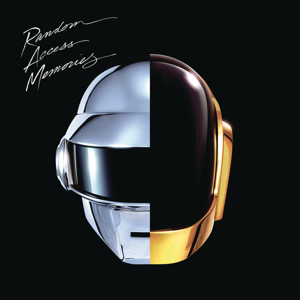
Random Access Memories, Daft Punk, 2013
A modern starter shelf should not pretend vinyl ended in 1982. Random Access Memories is a useful contemporary LP because Daft Punk designed it as a large, tactile studio object in an era of laptop assumptions. The duo recorded with elite session players, including Nile Rodgers and drummer Omar Hakim, and framed electronic music through disco, soft rock, film-score gloss, and analog studio craft. "Get Lucky" is the obvious social doorway, but the vinyl payoff is in the album's textures: clean drums, deep bass, vocoder voices, guitar sheen, and long transitions that feel luxurious rather than rushed. New collectors should be aware that modern vinyl can be excellent, mediocre, or noisy right out of the shrink, so cleaning and return policies still matter. This record also plays well with older classics in a starter collection. Put it near Thriller, Rumours, or Songs in the Key of Life and the lineage becomes audible: studio precision, groove, and pop ambition, rebuilt for the twenty-first century.
-

Pet Sounds, The Beach Boys, 1966
Some starter records are here because they sound huge; Pet Sounds is here because it sounds handmade in a strangely elaborate way. Brian Wilson used studio musicians, unusual percussion, bicycle bells, harpsichord, strings, horns, and dense vocal arrangements to build pop songs that feel both innocent and anxious. Mono versus stereo becomes the beginner question with this album. The original artistic frame was mono, which keeps the balances intentional and centered, while later stereo mixes can reveal arrangement details differently. That makes Pet Sounds a gentle introduction to why mix choices matter, not just pressing dates. The songs are short, but the emotional afterimage is large. "Wouldn't It Be Nice" opens with bright hope, "God Only Knows" reaches a kind of suspended grace, and "I Just Wasn't Made for These Times" lets insecurity become architecture. If your starter collection leans toward obvious adult cool, this record adds vulnerability, craft, and a little California strangeness.
-
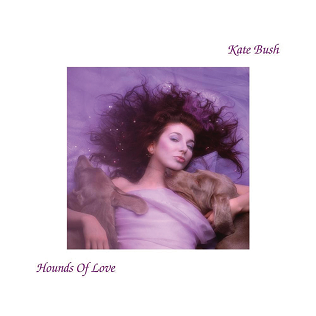
Hounds of Love, Kate Bush, 1985
Kate Bush gives a new collector two album experiences in one jacket. Side one of Hounds of Love contains some of her most immediate art-pop writing, including "Running Up That Hill" and "Cloudbusting," with Fairlight textures, drums, and vocal drama arranged for impact. Side two, the suite called The Ninth Wave, is stranger and more theatrical, following a woman alone in the water through memory, hallucination, fear, and rescue. That split makes the LP format meaningful. The side break is not a pause between batches of songs; it is a doorway into another narrative mode. For buyers, the album is also a reminder that 1980s production can sound spectacular on vinyl when the pressing is clean and the top end is not brittle. The cover art, with Bush and the dogs, has the intimate, dreamlike quality the music needs. This is a starter pick for listeners who want their collection to include imagination as a primary instrument, not just songwriting, groove, or historical importance.
What to buy first, ranked
If you want the shortest possible shopping list, start with these five: Rumours, Kind of Blue, What's Going On, Abbey Road, and The Miseducation of Lauryn Hill. That set gives you rock, jazz, soul, studio pop, and hip-hop-informed R&B without forcing you into rare or fragile collector territory.
After that, choose by what your room and habits reward. If you listen at night, Blue and Pet Sounds will get more use than arena rock. If your system has decent bass, The Low End Theory, Random Access Memories, and Thriller make sense early. If you want a record that turns a listening session into an event, buy Songs in the Key of Life, The Dark Side of the Moon, or Hounds of Love.
The big rule is boring but reliable: buy clean records you love before scarce records you merely respect. A starter collection is not a final verdict on your taste. It is a listening laboratory. Keep notes, track what you play, and let the shelf develop from evidence instead of pressure.
FAQ
What are the best starter vinyl records for a brand-new collector?
Start with albums you will actually play, then add a few classics that teach the format. Rumours, Kind of Blue, Abbey Road, Blue, Thriller, and What's Going On are reliable first buys because they are widely available, musically durable, and useful for learning condition and setup.
Should beginners buy original pressings or new reissues?
New reissues are usually the smarter first step. Originals can be wonderful, but they often cost more and may have groove wear. Once you know what you like and how your system sounds, then chase specific pressings.
How many records should I buy when starting a collection?
Ten to twenty records is plenty. A small shelf helps you learn what you replay, how to clean and store records, and which genres make sense in your room before you spend heavily.
How do I avoid wasting money on used vinyl?
Inspect the disc under bright light, check seller grading, compare prices on Discogs, and be honest about your tolerance for noise. A beautiful jacket cannot rescue a worn-out record if your goal is listening.
A spreadsheet tracks what you own. What's Spinning identifies what's playing.
On-device vinyl ID logs your listening history automatically. 7-day free trial.
Looking for Shazam for vinyl?
What's Spinning identifies what's playing on your turntable on-device, logs history, and AirPlays now-playing to your TV.
Comparing vinyl ID apps?
Analog requires Discogs and is iPhone-first (iPad coming). What's Spinning works without Discogs on iPhone and iPad with AirPlay.
Try What's Spinning Free
Turn your iPad into a live now-playing display. Track every record you spin.
START FREE TRIALThen $4.99/mo or $39.99/yr · Cancel anytime