Best Used Vinyl Buying Guide: Tips for Buying Records Online
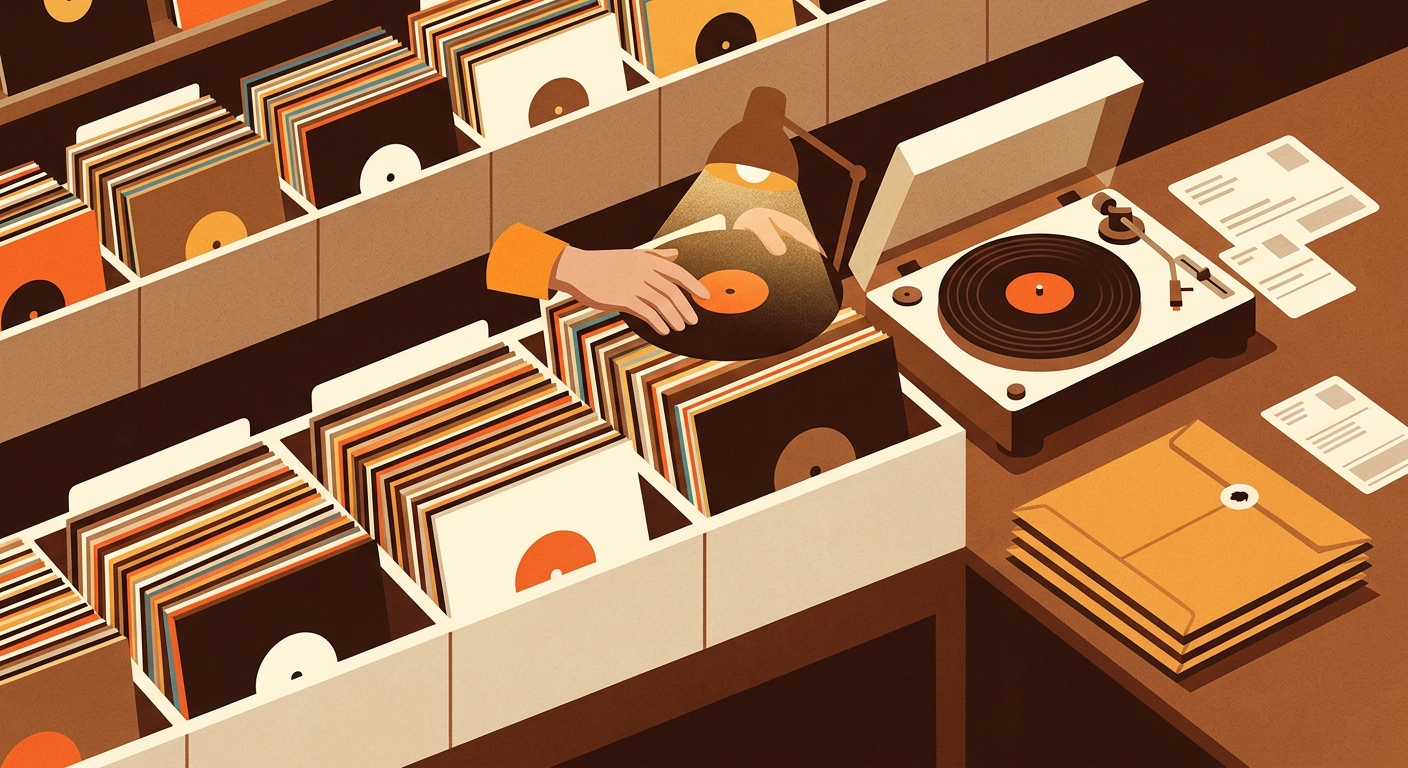
The best used vinyl buying guide starts with a boring but powerful idea: online vinyl is a condition market. The same album can be a bargain, a keeper, or a noisy mistake depending on pressing, grade, photos, shipping, and seller honesty. Demand is high, too. The RIAA reported U.S. vinyl revenue of $1.04 billion in 2025, up 9.3 percent from 2024, with unit sales rising from 43.4 million to 46.8 million [1].
That demand creates choice, but it also rewards careful buyers. Keep a wantlist, track what you actually play in What's Spinning, and buy records that match your listening life, not just the flashiest listing.
Learn the grading language first
Discogs says its Marketplace uses the Goldmine Standard, and Goldmine calls its guide the most widely used standard for buying and selling vinyl albums [2] [3]. Mint should be rare. Near Mint should look nearly new, with no obvious wear. VG+ is the sweet spot for most listeners because it permits minor handling marks that should not affect the whole listening experience. VG can be enjoyable, but visible wear and surface noise are part of the price.
Discogs' Goldmine summary is a useful value check: VG+ is generally worth about 50 percent of Near Mint value, VG about 25 percent, and Good or Good Plus around 10 to 15 percent [2]. If a VG copy is priced like VG+, keep scrolling.
Read the notes, not just the grade
A grade is a headline. The seller notes are the real condition report. Good listings mention the media and sleeve separately, with plain defects: light hairlines, faint warp not affecting playback, small seam split, sticker residue, name on label, or occasional tick on side two. Discogs advises sellers to inspect sleeves and inserts for wear, discoloration, sticker residue, and seam splits, then inspect the record surface for scratches and other imperfections [4].
Prioritize the media grade if you want a play copy. Prioritize sleeve, inserts, obi strips, hype stickers, and runouts if you are buying a collectible pressing. Those are related goals, but they are not identical.
Demand useful photos and pressing details
For used records, real photos beat stock images. Look for front cover, back cover, labels, corners, spine, and record surface under angled light. For expensive copies, ask for runout or matrix numbers. The dead wax can separate a common repress from the version collectors are actually chasing.
Match the catalog number, label, country, year, barcode, and runout to the exact release page before comparing prices. A U.S. repress, Japanese pressing with obi, club edition, and modern remaster can share a title but belong to different markets.
Ask better seller questions
Before a meaningful purchase, ask whether the record was play-graded, whether any scratch can be felt with a fingernail, whether there are skips, repeated ticks, or warps, and how the LP will be packed. Discogs tells buyers to review the item condition, listing comments, and Seller Terms before ordering, and encourages contacting sellers for more information before creating an order [5].
Keep messages inside the platform. If the record arrives materially different from the listing, those messages help show what was promised.
Shipping is part of condition
A well-graded LP can still be damaged by lazy packing. Look for proper LP mailers, stiffeners, and a seller willing to ship the disc outside the jacket for valuable sleeves. This reduces seam splits during transit. International orders deserve extra caution because returns can cost almost as much as the record.
Know the safety net, but do not rely on it
eBay's Money Back Guarantee says buyers can report an item if it has not arrived or is not as described [6]. That is useful, but it should be your backup plan. Your first protection is buying from sellers with clear notes, consistent feedback, fair prices, and a history of packing records properly.
Quick checklist before you buy
- Confirm the exact pressing, not just the album title.
- Read media and sleeve grades separately.
- Treat VG+ as the normal target for play copies.
- Ask questions when the listing is vague or expensive.
- Compare sold prices for the same pressing and condition.
- Check seller feedback for grading and packing complaints.
- Save listing notes and messages until the record has arrived and played through.
Buying used vinyl online is not about removing every risk. It is about making the risk visible. When the grade, notes, photos, price, pressing, and seller all line up, you can buy with confidence. When a listing forces you to guess, let it pass. Another copy will show up.
FAQ
What grade should I buy for used vinyl online?
VG+ is usually the safest listening grade because it should allow light signs of careful handling without flaws that dominate playback. Choose NM for collectible keepers, and treat VG as a discounted compromise.
Is Discogs better than eBay for used records?
Discogs is stronger for matching exact pressings and reading music-specific grading notes. eBay can be useful for auctions, bundles, and buyer protection, but condition language is often less standardized.
Should I buy sealed vintage records?
Only with caution. Sealed does not guarantee a flat, flawless record, and you cannot inspect groove wear, pressing defects, sleeve damage under shrink, or storage problems until it is opened.
What is the biggest online vinyl red flag?
A vague high grade with no seller notes, no real photos, and a price that looks too good for the condition. If a listing makes you guess, ask questions or wait for another copy.
Sources
Looking for Shazam for vinyl?
What's Spinning identifies what's playing on your turntable on-device, logs history, and AirPlays now-playing to your TV.
Comparing vinyl ID apps?
Analog requires Discogs and is iPhone-first (iPad coming). What's Spinning works without Discogs on iPhone and iPad with AirPlay.
Try What's Spinning Free
Turn your iPad into a live now-playing display. Track every record you spin.
START FREE TRIALThen $4.99/mo or $39.99/yr · Cancel anytime