Best Albums of the Eighties on Vinyl
The 1980s were a strange, glorious pressure cooker for vinyl. The compact disc arrived commercially in Japan in 1982 and spread through the decade, MTV changed how albums were marketed, hip-hop moved from park jams into full-length statements, and independent labels proved that a record could sound enormous without a corporate studio budget. For collectors, that makes the decade especially rewarding. You get blockbuster pop, post-punk atmosphere, college rock, metal, art funk, golden-age rap, and singer-songwriter reinvention, often with cover art that still looks fantastic at twelve inches.
Vinyl never really left the culture, but the recent market gives the old format extra context. The RIAA's 2025 year-end report said U.S. vinyl revenue reached $1.043 billion, with 46.8 million LP and EP units shipped. Discogs also reported in its market coverage that collectors added enormous volumes of physical releases to their collections in recent years. The point is not that every famous album is now an investment piece. The point is that careful buying still matters, especially for a decade where original pressings, club editions, imports, and reissues can sound very different.
This list focuses on albums that reward ownership on vinyl: records with strong side breaks, memorable jacket design, collector interest, and music that still feels alive away from a playlist. If you track your shelves in What's Spinning, these are also useful records to log with pressing notes, because a U.S. original, a U.K. original, and a later reissue can be very different listening experiences.
15 of the best vinyl albums of the 1980s
- Thriller, Michael Jackson, 1982
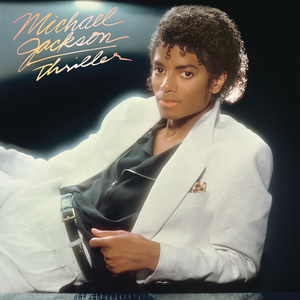
Nothing about Thriller feels small, which is one reason it remains such a natural anchor for an 1980s vinyl shelf. Quincy Jones built the album as a set of contrasts: rock crossover with Eddie Van Halen on "Beat It," polished funk on "Wanna Be Startin' Somethin'," cinematic pop horror on the title track, and balladry that never drifts into filler. The album's Wikipedia entry summarizes its commercial scale, including its status as one of the best-selling albums ever, but the vinyl argument is more specific than sales.
On LP, Thriller is compact, direct, and sequenced like a greatest-hits record that somehow arrived before the hits existed. Clean early pressings are still common enough that collectors do not have to treat it like museum glass, though condition is everything because many copies were played constantly. Listen for inner-groove wear near the end of each side, check that the jacket has not been chewed by decades of shelf traffic, and do not assume a sealed copy is automatically the best listening copy. The record became a household object, which means the hunt is less about rarity and more about finding one that survived the party.
- Purple Rain, Prince and the Revolution, 1984
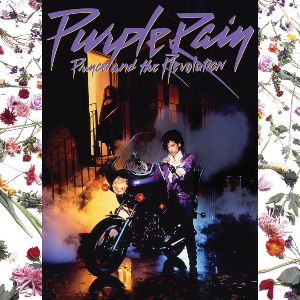
Start with the cover: Prince posed on the motorcycle, purple coat blazing, a movie myth compressed into one square. Purple Rain works on vinyl because it is both soundtrack and self-contained album, and that dual identity gives the record a theatrical side-to-side arc. Side one moves with outrageous confidence from "Let's Go Crazy" into "Take Me with U," then deepens through "The Beautiful Ones" and "Computer Blue." Side two has the pop precision of "When Doves Cry" and the long emotional release of the title track.
The album spent 24 consecutive weeks at number one on the Billboard 200, which explains why used bins still hold plenty of copies. That availability is good news, not a reason to be careless. Many originals have groove wear from cheap turntables, and the glossy jacket can show ring wear fast. The best copies make the Linn LM-1 programming, guitar overdubs, and stadium-sized reverb feel less like period decoration and more like a fully designed world. Few 1980s albums turn a living room into a stage this quickly.
- Remain in Light, Talking Heads, 1980

Before the decade settled into gated drums and glossy choruses, Talking Heads and Brian Eno made a record that treated the studio like a loop machine with nerves. Remain in Light grew from jams, overdubs, Afrobeat influence, and layered rhythmic cells, then turned those materials into art-rock songs that still feel modern. The famous red-mask cover, credited to work by Tina Weymouth and Chris Frantz with MIT computer assistance, also gives the LP a visual identity that belongs to the dawn of digital image culture.
Collectors should care about how this album breathes. Dense polyrhythmic records can turn cloudy if the pressing is noisy or the system is too bright, but a good copy lets "Born Under Punches" and "Crosseyed and Painless" snap into place without sanding down the weirdness. The side break is useful too: side one is nearly all momentum, while side two opens the door to "Once in a Lifetime" and the darker drift of "The Overload." It is a record about anxiety, motion, and overload, which makes the physical act of flipping it feel oddly appropriate.
- The Queen Is Dead, The Smiths, 1986

A great Smiths record depends on tension: Johnny Marr's ringing guitar arrangements, Andy Rourke's melodic bass, Mike Joyce's crisp drumming, and Morrissey's wit curdling into melancholy or spite. The Queen Is Dead is the one where the balance is hardest to deny, even for listeners who come to the band with complicated feelings. The album moves from the charging title track to "I Know It's Over," "Cemetry Gates," "There Is a Light That Never Goes Out," and "Some Girls Are Bigger Than Others" without losing its sour romantic weather.
For vinyl buyers, U.K. Rough Trade pressings have long carried a certain aura, but the practical question is condition. This is not background music; fans played it, taped it, loaned it, and dragged it between bedrooms and dorm rooms. The Alain Delon cover image, taken from the film L'Insoumis, is part of the record's collectible pull, and worn sleeves can blunt that pleasure. Sonically, the album benefits from a copy that keeps Marr's high-end shimmer intact without exaggerating sibilance. The drama is in the details, not in sheer volume.
- Disintegration, The Cure, 1989
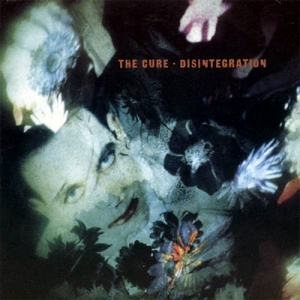
By 1989, The Cure could have leaned fully into pop stardom. Instead, Robert Smith delivered a long, immersive, rain-soaked album that turned melancholy into architecture. Disintegration is beloved partly because it does not hurry. The songs stretch, accumulate, and glow from within, from "Plainsong" through "Pictures of You," "Lovesong," "Fascination Street," and the title track. On vinyl, that patience becomes part of the format's appeal, because you commit to a side rather than skipping toward the singles.
There is one collector caveat: original vinyl configurations and later reissues can differ in track inclusion and spacing, depending on territory and format history. The CD era was already shaping album length, and Disintegration sits right in that transition. That makes it worth checking the track list before buying, especially if you want the fullest version rather than the most historically tidy one. A strong pressing should preserve the scale of the keyboards and the physical pulse of Simon Gallup's bass without turning the whole thing into gray fog. When it works, the record feels like weather entering the room.
- Sign o' the Times, Prince, 1987

Sign o' the Times is where Prince's sprawl becomes the point. The album emerged after several abandoned or reshaped projects, including material connected to Dream Factory, Camille, and Crystal Ball, and that complicated origin helps explain its range. Minimal drum-machine funk, spiritual balladry, social observation, psychedelic pop, and live-band heat all sit under one title. The result is not messy so much as restless, a double LP that keeps changing rooms before you can get comfortable.
Vinyl suits it because the four sides give the album chapters. The title track and "Play in the Sunshine" do not ask the same thing from your ears, and "The Ballad of Dorothy Parker" sounds like it drifted in from a private after-hours broadcast. Later super-deluxe editions expanded the story dramatically, but a clean original double LP still carries the essential shock: Prince could edit abundance into shape without flattening it. Inspect both discs carefully, since multi-disc sets often hide one clean record and one abused record. The jacket also matters, because the stage-set cover captures the album's mood of performance, disguise, and controlled chaos.
- Paul's Boutique, Beastie Boys, 1989

Commercial expectations nearly swallowed Paul's Boutique at release, which is funny now because it has become a textbook example of sample-based album construction. Produced with the Dust Brothers, the record stacks fragments from funk, rock, soul, soundtracks, and oddball ephemera into a dense collage that would be economically difficult to repeat at the same scale in the post-clearance era. The album's critical reputation grew over time, and vinyl helps explain why: it rewards close, repeated listening.
The gatefold panorama of Ludlow Street makes the object feel like a map to the record's world. Musically, the LP is packed enough that pressing quality and surface noise matter, especially when quick samples and vocal jokes fly past in layers. It is not an audiophile record in the polite showroom sense. It is a record-store record, built from records, arguing for the turntable as both playback machine and instrument. Buy it because you want to hear how hip-hop production could turn crate digging into architecture, and be ready for details to keep appearing after the tenth play.
- The Joshua Tree, U2, 1987
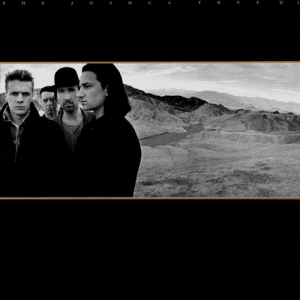
Wide desert photography, chiming guitars, and a rhythm section that understood restraint made The Joshua Tree feel instantly monumental. U2 and producers Brian Eno and Daniel Lanois built an album where space does as much work as volume. "Where the Streets Have No Name," "I Still Haven't Found What I'm Looking For," and "With or Without You" became the public face of the record, but the deeper cuts are what keep vinyl collectors returning: "Running to Stand Still," "Red Hill Mining Town," "One Tree Hill," and "Mothers of the Disappeared" stretch the album beyond arena uplift.
The original LP asks a useful question about 1980s production: can a record be huge without being cluttered? On a good copy, the answer is yes. The Edge's delay patterns hang in the air, Adam Clayton's bass gives the songs a floor, and Larry Mullen Jr.'s drums avoid needless flash. Used copies are plentiful, but the quiet passages expose groove noise, so visual grading alone is risky. Hold out for a copy that can keep the opening shimmer clean. The album's emotional scale depends on silence as much as anthem.
- Hounds of Love, Kate Bush, 1985
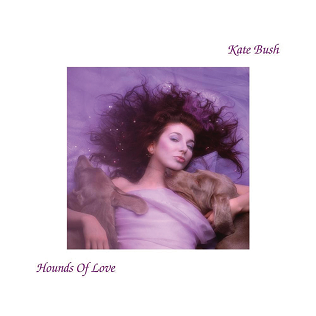
Kate Bush split Hounds of Love into two related experiences: a first side of art-pop singles and a second-side suite, "The Ninth Wave," about survival, dreams, and water. That structure is exactly why the album belongs on vinyl. Side one gives you "Running Up That Hill," "Hounds of Love," "The Big Sky," and "Cloudbusting" with almost impossible melodic confidence. Then the flip changes the rules, asking for attention across a continuous emotional narrative.
The album was largely built around Bush's own studio process, Fairlight CMI textures, and a production imagination that made technology feel personal rather than sterile. Collectors often gravitate toward U.K. pressings, but the more important habit is to check for noise during the atmospheric second side. "The Ninth Wave" loses power if crackle overwhelms its quiet transitions. The sleeve image, with Bush resting between two dogs, is softer than the music's ambition, which is part of its charm. It looks intimate, then the record opens into storms, radio fragments, choral voices, and one of the decade's most convincing arguments for album-length listening.
- Appetite for Destruction, Guns N' Roses, 1987
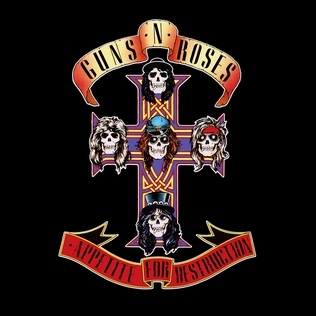
Appetite for Destruction did not clean up hard rock for the late 1980s; it made the dirt sound dangerous again. The rhythm guitars snarl, Steven Adler's drums swing more than many metal records of the era, and Axl Rose sings as if charisma and threat are fighting for the same microphone. The album took time to explode commercially, but once "Sweet Child o' Mine," "Welcome to the Jungle," and "Paradise City" reached mass culture, the record became unavoidable.
There are two cover-art stories collectors should know. The original Robert Williams painting was replaced for many editions by the now-familiar cross and skulls design, so artwork preference can affect what copy you chase. Sound-wise, the album benefits from vinyl that keeps the midrange bite without smearing the cymbals. Many used copies were owned by teenagers with party-volume stereos, which is not exactly a recipe for mint condition. Check for groove wear and trashed inner sleeves. A clean copy gives the record back its strongest quality: it feels loose and volatile, not polished into hair-metal plastic.
- Straight Outta Compton, N.W.A, 1988

Few 1980s albums changed the public argument around music as sharply as Straight Outta Compton. N.W.A brought West Coast gangsta rap into national controversy, with production by Dr. Dre and DJ Yella, writing and performances that turned local detail into provocation, and a title track that still lands like a door being kicked open. The record's history includes radio bans, law-enforcement backlash, and the famous FBI letter connected to "Fuck tha Police," all of which can overshadow the craft if you let the headlines do all the listening.
On vinyl, the album's force comes from rhythm and compression rather than lush studio depth. The drums hit plainly, samples are placed for impact, and the vocals sit forward because the words are the weapon. Original copies can be expensive and condition-sensitive, while reissues make more practical sense for many listeners. The cover image, shot from the viewpoint of someone on the ground looking up at the group, remains one of hip-hop's most confrontational sleeves. Own it because it documents a turning point, but play it because the production economy and group chemistry are still startling.
- Graceland, Paul Simon, 1986
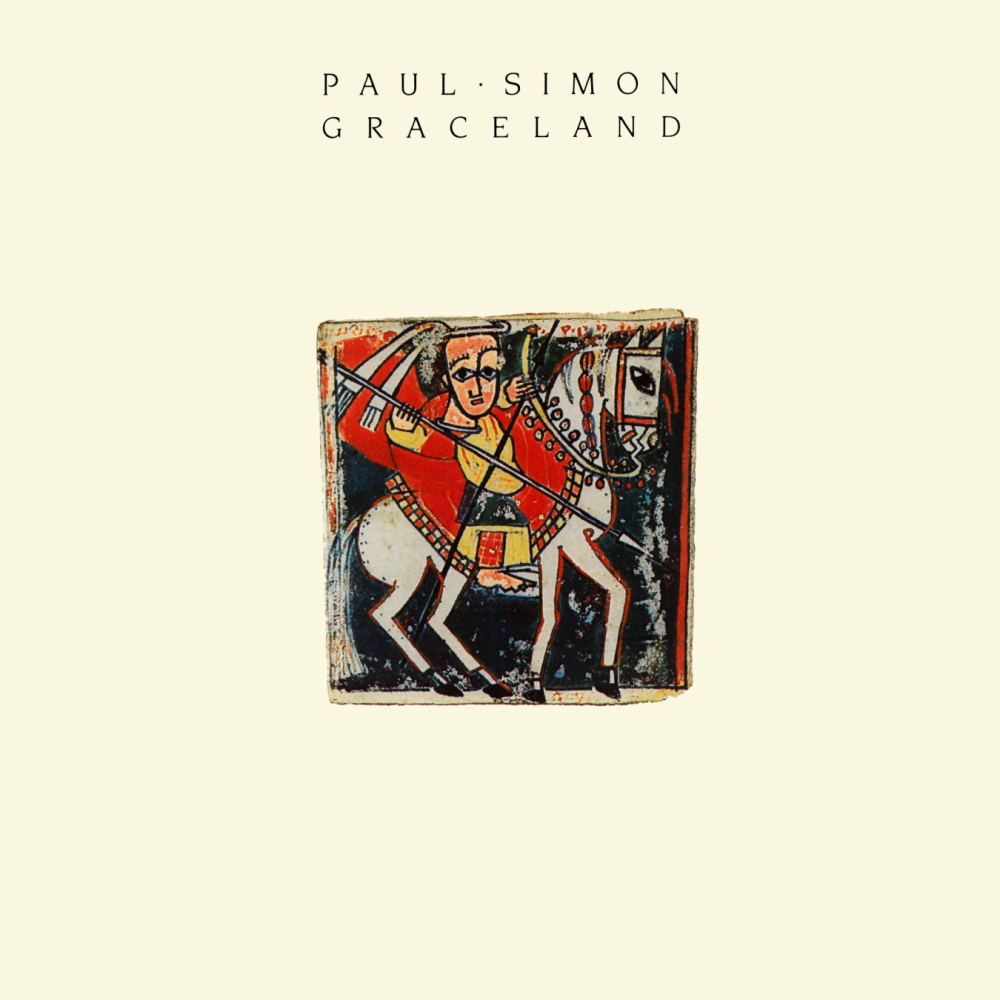
Graceland is musically joyful and historically complicated, which is why a serious collector should avoid reducing it to either pure celebration or pure controversy. Paul Simon recorded with South African musicians during the apartheid-era cultural boycott, drawing criticism and debate that still follows the album. At the same time, the performances by players including Ray Phiri, Bakithi Kumalo, and Ladysmith Black Mambazo gave the record its rhythmic life and changed the sound of mainstream American pop.
The bass line on "You Can Call Me Al" is the obvious demonstration cut, but vinyl listeners should spend time with the album's lighter details: guitar patterns, vocal blends, accordion colors, and the way Simon's small-character writing sits inside buoyant arrangements. The LP is common, usually affordable, and often found in good shape because it sold to adult listeners who tended to keep their records reasonably clean. Still, inspect the cover and inner sleeve, since the package is part of the period charm. Graceland is not a simple album, and that is exactly what keeps it interesting after the familiar hooks have done their work.
- Surfer Rosa, Pixies, 1988

Steve Albini's production on Surfer Rosa makes the room feel like another band member. Drums crack, guitars scrape, bass lines loom, and Black Francis's voice can jump from mutter to scream with almost no warning. The album did not need expensive gloss because its power came from contrast: quiet and loud, surf and violence, absurd humor and menace, melody and abrasion. For alternative rock collectors, it is one of the clearest bridges between 1980s college radio and the 1990s explosion that followed.
The 4AD sleeve, with Vaughan Oliver's design language and Simon Larbalestier's photography, matters almost as much as the recording. It gives the album a surreal physical presence that streaming thumbnails flatten badly. Pressing choices can be confusing because many listeners encountered the material through Surfer Rosa/Come On Pilgrim configurations, so check exactly what edition you are buying. A good vinyl copy should make the drums feel startling without turning the guitars into hash. This is not a pretty record in the conventional sense. It is better than pretty: it has corners, dust, sweat, and a sense that something in the room might break.
- Rain Dogs, Tom Waits, 1985
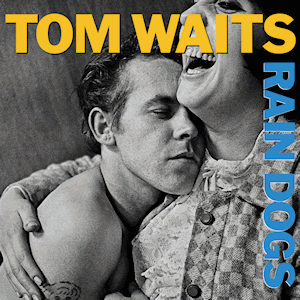
Tom Waits spent the mid-1980s building a junkyard orchestra out of wheezing horns, marimbas, banjos, bowed saw moods, downtown guitar, and characters who sounded as if they had slept under the bar. Rain Dogs is the centerpiece of that period, less a normal singer-songwriter album than a city of songs. Keith Richards appears, Marc Ribot's guitar cuts through the arrangements, and Waits moves between carnival bark, bruised balladry, and crooked street-corner rhythm.
Vinyl helps because the album is episodic without feeling random. Short songs arrive like faces in a crowd, then disappear before they can explain themselves. The cover photograph, from Anders Petersen's Café Lehmitz series, gives the record a documentary ache that matches the music's invented geography. Used copies can carry surface noise that either adds atmosphere or becomes distracting, depending on tolerance and playback system. The trick is finding a copy where the quiet songs still have space around them. Rain Dogs is a reminder that an 1980s classic does not need digital sheen, stadium drums, or pop symmetry. Sometimes it needs a broken parade and the confidence to follow it.
- It Takes a Nation of Millions to Hold Us Back, Public Enemy, 1988
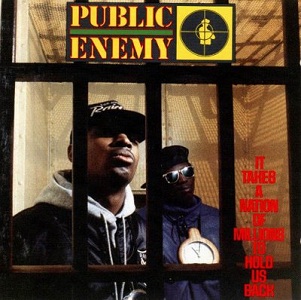
The Bomb Squad treated hip-hop production like controlled overload on It Takes a Nation of Millions to Hold Us Back. Sirens, scratches, funk fragments, crowd noise, speeches, and hard drums collide around Chuck D's voice, while Flavor Flav works as both counterweight and accelerant. The album is political, funny, furious, and formally radical, often within the same minute. It regularly appears near the top of critical best-album lists because it changed expectations for what a rap LP could contain.
For vinyl collectors, the record is a lesson in density. A weak pressing or damaged copy can collapse the production into harshness, but a strong one lets you hear how carefully the chaos is arranged. "Bring the Noise," "Don't Believe the Hype," "Night of the Living Baseheads," and "Black Steel in the Hour of Chaos" are not just tracks, they are pressure systems. The cover, with Chuck D and Flavor Flav behind bars, makes the politics unavoidable before the needle drops. This is the 1980s at its most urgent: media-saturated, rhythmically aggressive, suspicious of power, and absolutely certain that the album format could still hit like a broadcast from the front line.
What to buy first
If you are building an 1980s shelf from scratch, start with the records that are both musically essential and realistically findable in clean condition: Thriller, Purple Rain, The Joshua Tree, Hounds of Love, and Graceland. These give you pop, rock, art-pop, and sophisticated studio craft without forcing you into high-risk collector prices immediately. After that, add one dense production landmark, either Paul's Boutique or It Takes a Nation of Millions to Hold Us Back, and one atmosphere record such as Disintegration or Rain Dogs.
For original pressings, do not buy on title alone. Check the exact edition, look for spindle marks, ask about playback grading, and be wary of copies that look shiny but distort during loud inner-groove passages. For reissues, read reviews from collectors who compare specific cuts rather than repeating broad format claims. The best vinyl albums 1980s collectors can own are not automatically the rarest. They are the copies you will actually pull from the shelf and play all the way through.
FAQ
The best 1980s vinyl albums combine strong mastering, side-by-side sequencing, durable artwork, and a recording style that benefits from focused listening. Some were made before CD became dominant, while others arrived during the format transition, so pressing quality and original country of manufacture can matter a lot.
No. Original pressings can be wonderful, but condition, plant, mastering engineer, and groove wear matter. A clean modern reissue can beat a noisy first pressing, especially for albums that were played heavily by their first owners.
Start with records that are easy to find clean and still reward repeated listening: Thriller, Purple Rain, The Joshua Tree, Hounds of Love, and Graceland are practical first buys. Then branch into hip-hop, post-punk, metal, and indie titles as your taste and budget sharpen.
Part of it is production fashion. Drum machines, digital reverbs, early digital recording, bright EQ, and longer side lengths can all change the sound. That does not make the albums worse, but it does mean collectors should research specific pressings instead of assuming every copy will sound huge.
A spreadsheet tracks what you own. What's Spinning identifies what's playing.
On-device vinyl ID logs your listening history automatically. 7-day free trial.
Looking for Shazam for vinyl?
What's Spinning identifies what's playing on your turntable on-device, logs history, and AirPlays now-playing to your TV.
Comparing vinyl ID apps?
Analog requires Discogs and is iPhone-first (iPad coming). What's Spinning works without Discogs on iPhone and iPad with AirPlay.
Try What's Spinning Free
Turn your iPad into a live now-playing display. Track every record you spin.
START FREE TRIALThen $4.99/mo or $39.99/yr · Cancel anytime