The Best Vinyl Albums of 1989
Calling anything the best vinyl albums 1989 produced is a little unfair to 1989, because the year was absurdly crowded. Alternative rock was moving from college-radio code word to mainstream pressure system, hip-hop was learning how far sampling could stretch an LP side, pop stars were turning album-length concepts into blockbusters, and metal, goth, dance-rock, and jangle-pop all had unusually strong years. For vinyl collectors, that makes 1989 especially fun: the original pressings sit right at the end of the first mass-market LP era, while modern reissues often reveal how much detail was packed into records originally fighting for attention in the CD and cassette boom.
This list favors albums that still reward front-to-back listening on vinyl. Some are audiophile showpieces, some are historically important, and a few are messy in ways that make them feel more alive. If you track your shelves in What's Spinning, this is the kind of year where listening history gets useful fast, because a clean 1989 night can jump from Paisley Park pop to Sub Pop sludge to Ibiza-tinted Factory Records without feeling random.
Below are 16 essential 1989 albums to own, play, compare, and argue over. Chart positions, release dates, studio details, and certification notes are cited from public album references, primarily Wikipedia album pages and label histories where available.
-
Disintegration, The Cure, 1989
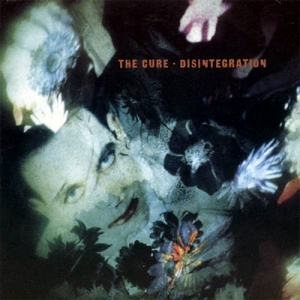
Few late-1980s rock records understand scale as well as Disintegration. Released by Fiction Records on 2 May 1989 and recorded at Hookend Recording Studios with David M. Allen, it lets songs stretch into long, weather-system introductions before Robert Smith even begins to sing. On vinyl, that patience matters. The opening run of "Plainsong," "Pictures of You," and "Closedown" feels less like three singles and more like a room gradually filling with blue light.
The collector appeal is not just mood. Original UK and European copies carry the dense, low-lit presentation that suits the album's sleeve, while later reissues make it easier to find quiet vinyl for music that punishes surface noise. It is also a useful reminder that "goth" is too small a box for this band at its peak. The rhythm section is huge, the guitar lines are cleanly layered, and the keyboard washes have more air than their reputation suggests. Source: Wikipedia, Disintegration.
-
Doolittle, Pixies, 1989
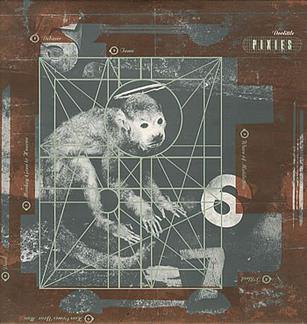
Doolittle can sound like a greatest-hits record even when you play it straight through, which is part of the trick. 4AD released it on 17 April 1989, and Gil Norton's production sharpened the Pixies without sanding off the biblical panic, surf guitar snap, and Black Francis shrieks. The album's reputation as a blueprint for 1990s alternative rock is deserved, but vinyl makes the sequencing feel more perverse than tidy: "Debaser" detonates instantly, then the record keeps changing shape before you can settle into one idea of the band.
Collectors should pay attention to side flow rather than only the famous tracks. Side one has a compressed adrenaline that makes "Here Comes Your Man" feel almost suspiciously sunny; side two turns stranger, with "Monkey Gone to Heaven" giving way to miniature shocks like "There Goes My Gun" and "Silver." The sleeve's Vaughan Oliver design also belongs in the conversation, because the cover's surreal collage is as much 4AD identity as band branding. Source: Wikipedia, Doolittle.
-
Paul's Boutique, Beastie Boys, 1989

The first thing to know about Paul's Boutique is that it was not greeted as the untouchable classic it later became. Capitol released it on 25 July 1989, with production by the Dust Brothers and the Beastie Boys, after recording at Matt Dike's apartment and the Record Plant in Los Angeles. Its sample-heavy density arrived before the legal and economic environment around sampling became far more restrictive, which gives the album a time-capsule charge that is impossible to fake now.
On vinyl, the record is a collage you physically flip. That matters most in "B-Boy Bouillabaisse," the side-closing suite that turns scraps, jokes, grooves, and street-corner fragments into one long argument for the LP as format. Clean original pressings are prized, but even standard reissues communicate the main event: drums and samples constantly entering from odd angles, three voices bouncing off each other, and a New York identity rebuilt in Los Angeles sunlight. Source: Wikipedia, Paul's Boutique.
-
3 Feet High and Rising, De La Soul, 1989

Released by Tommy Boy on 6 February 1989, 3 Feet High and Rising made a whole world out of skits, bright samples, inside jokes, and Prince Paul's playful production. The title nods to Johnny Cash's "Five Feet High and Rising," but the record's actual feeling is more like a schoolyard radio station hijacked by record nerds with a better sense of humor than everyone else. It contains "Me Myself and I," "The Magic Number," "Buddy," and "Eye Know," but treating it as a singles carrier misses the architecture.
For collectors, the album also carries a complicated reissue story because sample clearances kept De La Soul's early catalog out of easy circulation for years. That scarcity changed when the catalog finally reached streaming and new physical editions, but older copies still hold a special place because they preserve the original late-1980s hip-hop LP artifact: loud colors, long sides, and a willingness to make interludes part of the listening contract. Source: Wikipedia, 3 Feet High and Rising.
-
The Stone Roses, The Stone Roses, 1989

Manchester did not need permission to become the center of its own mythology, and The Stone Roses sounds like the moment that confidence found a sleeve. Released by Silvertone on 2 May 1989 and recorded mostly at Battery Studios with John Leckie, the album fuses chiming guitar pop with danceable momentum before the Madchester tag became a souvenir-shop label. John Squire's Jackson Pollock-inspired cover art, tied visually to the Paris student protests of 1968 through its lemon motif, makes the LP feel like an object with a private code.
The record's vinyl strength is its lightness. "I Wanna Be Adored" begins with a slow fade-in that rewards a quiet room, while "Waterfall" and "Made of Stone" use space rather than brute force. Original UK copies can be expensive, partly because the album's legend has never really cooled. If you buy a reissue, listen for treble that keeps the guitars bright without turning Ian Brown's voice brittle. Source: Wikipedia, The Stone Roses.
-
Pretty Hate Machine, Nine Inch Nails, 1989

Before Nine Inch Nails became an arena-scale industrial force, Pretty Hate Machine was Trent Reznor building a band identity out of synths, programmed drums, obsession, and studio labor. TVT released the album on 20 October 1989, with Reznor singing and playing most instruments while producing alongside Keith LeBlanc, John Fryer, Flood, and others. That personnel list is a clue: the album sits between club music, industrial abrasion, and pop songwriting, not fully owned by any one scene.
Vinyl copies can expose how melodic the record is beneath the angst. "Head Like a Hole" is the obvious anthem, but "Something I Can Never Have" and "Sin" show the range: one almost skeletal, the other built for sweat and strobes. Original pressings have collector heat because early NIN vinyl was not pressed in endless quantities, while later editions benefit from the album's long afterlife. The cover's strange blue mechanical shape still feels like a warning label from a future that arrived early. Source: Wikipedia, Pretty Hate Machine.
-
Bleach, Nirvana, 1989
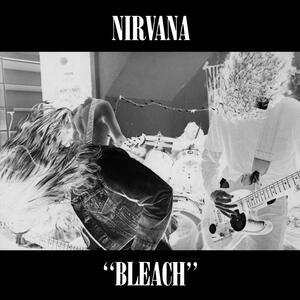
There is no polished prophecy on Bleach, and that is why it remains so useful. Sub Pop released Nirvana's debut on 15 June 1989 after sessions at Reciprocal Recording in Seattle between December 1988 and January 1989. The album cost famously little to make, and you can hear the economics in the best way: guitars are thick, drums are blunt, and Kurt Cobain's melodic instincts keep sneaking through songs that pretend not to care about hooks.
Original Sub Pop copies are serious collector items, but the music does not require rarity worship to work. What vinyl emphasizes is the album's physical weight. "Blew" and "Floyd the Barber" push air in a way that turns the band's pre-Nevermind story from footnote into separate argument. Chad Channing's drumming gives the LP a different gait from the later classic lineup, and that difference is part of the reason to own it. Source: Wikipedia, Bleach.
-
Like a Prayer, Madonna, 1989
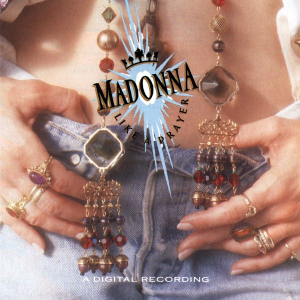
Like a Prayer is the moment Madonna made a blockbuster that also behaved like a confession. Sire released it on 20 March 1989, with Patrick Leonard and Stephen Bray returning as key collaborators and Prince contributing to the album's studio orbit. The title track's gospel choir, religious imagery, and Pepsi-ad controversy tend to dominate the history, but the LP itself is more varied: family grief, Catholic symbolism, funk, pop-rock, and dance music all sharing one glossy frame.
On vinyl, the record benefits from having emotional turns that feel staged rather than scattered. "Till Death Do Us Part" hits harder when it arrives inside a complete side, and "Promise to Try" shows how much restraint the album can use when it stops selling spectacle. Collectors often look for clean originals with intact sleeve presentation, while later reissues can be simpler for regular play. Either way, it is a reminder that mass-market pop LPs can be album-albums, not just containers for radio singles. Source: Wikipedia, Like a Prayer.
-
Janet Jackson's Rhythm Nation 1814, Janet Jackson, 1989
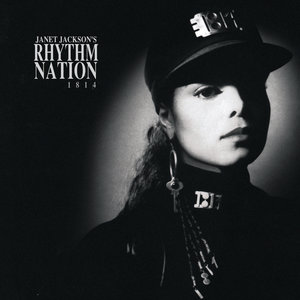
A&M wanted another Control, but Janet Jackson pushed toward a concept album about social responsibility, media violence, racism, and unity. Released in September 1989 and built with Jimmy Jam and Terry Lewis, Rhythm Nation 1814 is one of the sharpest examples of industrial-edged pop production reaching the mainstream without losing its machinery. The title track's military funk is only part of the story; the album also moves through ballads, new jack swing, and tightly programmed dance-pop with almost cinematic pacing.
The vinyl argument here is dynamic contrast. Big singles like "Miss You Much" and "Escapade" work anywhere, but the interludes and social framing make more sense when you let the record run. The black-and-white cover styling also gives the LP a unified visual identity that matched the videos, choreography, and tour imagery. For collectors, a quiet copy reveals how much percussion detail Jam and Lewis tucked into the grooves. Source: Wikipedia, Rhythm Nation 1814.
-
Full Moon Fever, Tom Petty, 1989
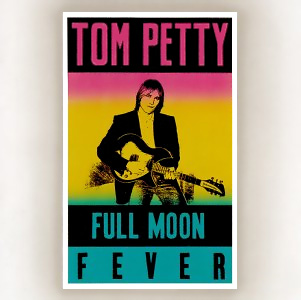
Tom Petty's first solo album is not really lonely. Full Moon Fever, released by MCA on 24 April 1989, includes major help from Mike Campbell and Traveling Wilburys circlemates Jeff Lynne, Roy Orbison, and George Harrison. Lynne's production gives the record a bright, stacked, almost lacquered quality, which could have been too slick if the songs were weaker. Instead, "Free Fallin'," "I Won't Back Down," and "Runnin' Down a Dream" make the polish feel like confidence.
Vinyl listeners get one of the era's funniest format jokes too: the original CD and cassette included a spoken intermission telling listeners to flip the record, even on formats that did not need flipping. On LP, that joke lands properly because the side break really does reset the album. Look for copies that keep the acoustic guitars clear and the low end from softening into mush, since the record depends on jangle and forward motion more than heavy bass. Source: Wikipedia, Full Moon Fever.
-
The Sensual World, Kate Bush, 1989
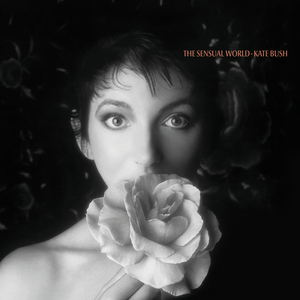
Kate Bush released The Sensual World through EMI on 16 October 1989, and it entered the UK Albums Chart at number two. Its title track began from Bush's desire to draw on Molly Bloom's closing soliloquy from James Joyce's Ulysses, though permission issues led her to write her own text for the original album. That literary backstory matters because the record is obsessed with bodies, language, memory, and the thin line between private thought and theatrical performance.
As a vinyl record, it is a beautiful test of midrange texture. Trio Bulgarka's vocal contributions bring a different grain to the album, while "This Woman's Work" places Bush's voice in a space that can sound devastating on a quiet pressing. Collectors should know that Bush later revisited some material for Director's Cut, but the 1989 LP has its own emotional temperature. It is not merely a prelude to revision; it is one of her most tactile records. Source: Wikipedia, The Sensual World.
-
The Raw & the Cooked, Fine Young Cannibals, 1989

Fine Young Cannibals pulled off a strange commercial miracle with The Raw & the Cooked: a record that nods to soul, rockabilly, Motown, dance-pop, and art-school cool while still producing enormous hits. Released in 1989, it takes its title from Claude Levi-Strauss's anthropological book Le Cru et le Cuit. Several songs had earlier connections to film projects, which helps explain why the album can feel like scenes stitched together rather than a band simply documenting one studio moment.
The vinyl pleasure is Roland Gift's voice, especially when the arrangements leave space around it. "She Drives Me Crazy" has that gated, snapping snare sound that defines late-1980s radio, but on LP the surrounding tracks make the band seem less like a singles machine and more like clever stylists. Original copies are usually less frighteningly priced than some college-rock grails from the same year, which makes this an easy 1989 pickup if you want something popular, weird, and still playable at parties. Source: Wikipedia, The Raw & the Cooked.
-
Technique, New Order, 1989

Technique arrived on Factory Records on 30 January 1989 after New Order partly recorded in Ibiza, absorbing Balearic beat and acid house energy into the band's dance-rock language. That could have become a travel brochure; instead, it became one of the group's most balanced albums. The programming and club influence are obvious, yet Peter Hook's bass lines and Bernard Sumner's guitar keep tugging the music back toward band chemistry.
On vinyl, Technique is less about individual audio fireworks than the feeling of two cultures sharing one room. "Fine Time" speaks fluent club, while "All the Way" and "Love Less" keep the melancholy melodic instincts that made New Order more than a rhythm experiment. Factory's design language also gives the LP object status, especially for collectors who care about label aesthetics as much as condition. A good copy should have punch without making the high percussion brittle. Source: Wikipedia, Technique.
-
Dr. Feelgood, Motley Crue, 1989
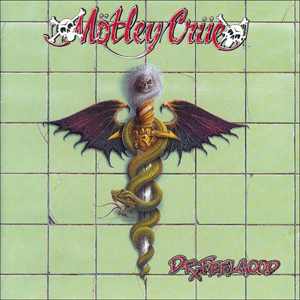
Bob Rock's production is the central collectible fact of Dr. Feelgood. Released on 1 September 1989, it became Motley Crue's only album to top the Billboard 200, and it was the band's first record after their much-publicized sobriety push. Rock made the group sound enormous but controlled: guitars stacked, drums tightened, gang vocals sharpened, every chorus built to survive arenas and car stereos.
Hair metal is easy to caricature until a record like this lands on a decent turntable. The title track's groove has real menace, "Kickstart My Heart" is engineered like a drag race, and the ballads are shameless in the commercially useful sense. Original vinyl copies can be condition-sensitive because party records often lived hard lives. If you find one that was not treated like a coaster during a dorm-room apocalypse, it captures a genre at its late imperial peak. Source: Wikipedia, Dr. Feelgood.
-
The Seeds of Love, Tears for Fears, 1989

Some albums sound expensive before you know the backstory. The Seeds of Love, released by Fontana on 25 September 1989, followed a long and difficult production process after Tears for Fears' global success with Songs from the Big Chair. The result kept the band's grand scale but pulled in jazz, soul, and Beatlesque pop, most famously through "Sowing the Seeds of Love." Oleta Adams' presence on "Woman in Chains" gives the record a human center that balances the studio ambition.
Collectors often approach this LP for production values, and rightly so. It is spacious, layered, and full of arrangement details that reward focused listening. The danger with late-1980s maximalism is that everything can become glossy wallpaper, but this record has enough harmonic movement and vocal contrast to avoid that fate. A clean pressing turns the album into a long-form studio craft demonstration, not just a period piece with a big single. Source: Wikipedia, The Seeds of Love.
-
Cosmic Thing, The B-52's, 1989

Cosmic Thing is a comeback record with grief inside the glitter. The B-52's had lost guitarist Ricky Wilson in 1985, and their 1989 return found them working with producers Nile Rodgers and Don Was. The obvious entry points are "Love Shack" and "Roam," two songs so embedded in public memory that it is easy to forget the album around them. On vinyl, the surrounding tracks restore the band's oddness: surfy guitars, party chants, camp humor, and a wistfulness that keeps the celebration from feeling disposable.
The cover's bright pop-art energy suits the music, but the record is not only kitsch. Rodgers brings rhythmic snap, Was helps frame the band for late-1980s radio, and the vocal blend of Kate Pierson, Cindy Wilson, and Fred Schneider remains unlike anyone else's. It is also a practical buy: used copies can still be found without entering trophy-price territory, and the album earns its shelf space every summer. Source: Wikipedia, Cosmic Thing.
What to buy first
If you are building a focused 1989 shelf, start with Disintegration, Doolittle, Paul's Boutique, 3 Feet High and Rising, and The Stone Roses. Those five explain the year from several angles: atmosphere, noise-pop, sample collage, playful hip-hop, and British guitar culture. After that, add Rhythm Nation 1814 and Like a Prayer to keep pop in the center of the story, not off to the side. If pressing price matters, The Raw & the Cooked, Full Moon Fever, and Cosmic Thing are often friendlier finds than the most mythologized alternative titles.
Condition matters more than hype with this year. Many original copies lived through late-1980s parties, college moves, and cheap turntables, so inspect the surface, check the sleeve, and avoid overpaying for groove wear disguised by nostalgia. A later reissue you actually play beats an original you are afraid to touch.
Sources and further reading
- Disintegration album reference
- Doolittle album reference
- Paul's Boutique album reference
- 3 Feet High and Rising album reference
- Rhythm Nation 1814 album reference
- Technique album reference
FAQ
What were the best vinyl albums of 1989 for collectors?
The strongest collector picks are Disintegration, Doolittle, Paul's Boutique, 3 Feet High and Rising, and The Stone Roses. They combine historical importance, strong album sequencing, recognizable artwork, and active demand across original pressings and reissues.
Are original 1989 pressings better than modern reissues?
Not always. Originals have period-correct packaging and collector value, but many were played hard. Modern reissues can offer quieter vinyl and easier availability. For dense records like Disintegration or The Seeds of Love, a clean, quiet copy matters more than winning an originality argument.
Why does 1989 matter so much for vinyl history?
It sits near the end of vinyl's first dominant retail era in the United States and United Kingdom, just as CDs were taking over. That means many 1989 albums were still conceived as LPs, but original vinyl quantities can vary widely by country, genre, and label strategy.
Which 1989 albums are good starter buys?
Start with widely available records that still sound great: Full Moon Fever, The Raw & the Cooked, Cosmic Thing, and reissues of Doolittle or Disintegration. Save expensive originals like early Sub Pop Bleach copies for later, when you know exactly which pressing you want.
A spreadsheet tracks what you own. What's Spinning identifies what's playing.
On-device vinyl ID logs your listening history automatically. 7-day free trial.
Looking for Shazam for vinyl?
What's Spinning identifies what's playing on your turntable on-device, logs history, and AirPlays now-playing to your TV.
Comparing vinyl ID apps?
Analog requires Discogs and is iPhone-first (iPad coming). What's Spinning works without Discogs on iPhone and iPad with AirPlay.
Try What's Spinning Free
Turn your iPad into a live now-playing display. Track every record you spin.
START FREE TRIALThen $4.99/mo or $39.99/yr · Cancel anytime