Underrated Albums Everyone Missed, 15 Records Vinyl Collectors Should Revisit
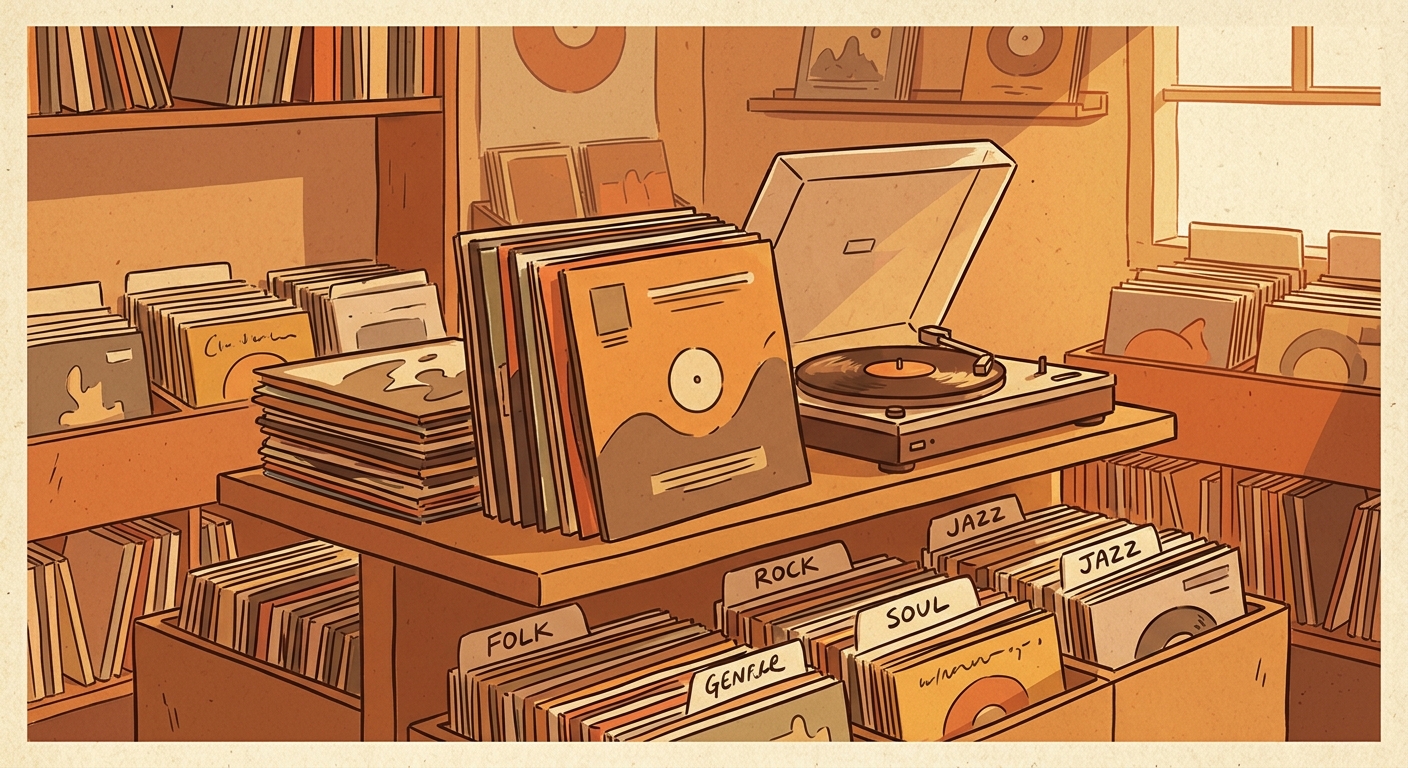
Underrated albums everyone missed are not always obscure because the music was difficult, strange, or unfinished. Sometimes the label folded, the pressing was under-distributed, the radio format had no slot for it, or critics needed twenty years to catch up. For vinyl collectors, that makes these records especially fascinating. They are not just albums, they are evidence of how taste moves slower than sound.
That matters right now because vinyl has become a serious market again, not a nostalgia side quest. BPI reported that UK vinyl revenue grew 19.9 percent in 2025 to £174.7 million, the format’s highest revenue level in more than three decades, and both Billboard and Official Charts maintain dedicated vinyl album charts. At the same time, Discogs want lists show another side of demand, the records that listeners are still chasing even when the original chart history looks tiny.
This list is built for record buyers, not algorithmic greatest-hits scrolling. I looked for albums with a real mismatch between influence and original commercial impact, then prioritized records with useful pressing stories, distinctive production, and enough collector gravity to justify making room in the crates. Some are cult classics now. Some are still sitting in plain sight. All of them sound better when you let a side play through.
The top 15 underrated albums everyone missed
 Big Star, Radio City (1974)
Big Star’s Radio City is exactly the kind of record that proves the phrase underrated still has meaning. Released in 1974 on Ardent ADS-1501, it was produced by John Fry and Big Star and tied to Ardent Studios in Memphis. In market terms, the story is modest: it missed major chart success because Ardent and Stax distribution could not get the record into enough shops. In listening terms, the story is much larger, because the album has the confidence of a record made outside the center of commercial expectation. The essential tracks are September Gurls, O My Soul, Back of a Car, and I’m in Love with a Girl, but the real reward comes from hearing how the whole LP moves from one idea to the next. clean original Ardent copies are the dream copy, while Craft and Classic Records reissues are more practical listening copies. Sources used for the release and chart context include Wikipedia, MusicBrainz, and Cover Art Archive. For a vinyl listener, the most important thing is that this record has a full-side logic. It is not a playlist of isolated cuts. The sequencing asks you to sit with a mood, then notice how the drums, room sound, vocal placement, and bass weight change from track to track. That is why the original pressing information matters. Labels, plants, and mastering choices can change how much air sits around the instruments, how hard the midrange pushes, and whether the quiet sections feel intimate or merely thin. If you use an app like What’s Spinning to track what actually gets played, albums like this are also revealing because they tend to return in cycles. You do not just own them as trophies. You pull them out when the room, the system, and the hour are right. The collector lesson is simple: original chart performance is only one kind of truth. A low peak, a failed promotional campaign, or a confused release schedule can bury a record in the short term while musicians, producers, DJs, and deep listeners keep it alive. That is why underrated albums are so rewarding on vinyl. You are hearing both the music and the history of its delayed recognition. Check condition carefully, especially groove wear on quieter passages and sleeve wear on cult records that changed hands often. If a clean original is too expensive, a well-reviewed reissue is usually the better move than a noisy copy bought only for bragging rights.
 Shuggie Otis, Inspiration Information (1974)
Shuggie Otis’s Inspiration Information is exactly the kind of record that proves the phrase underrated still has meaning. Released in 1974 on Epic KE 33059, it was produced by Shuggie Otis and tied to Hawk Sound and Columbia Studios in Los Angeles. In market terms, the story is modest: it reached No. 181 on the Billboard Top LPs chart, while the title track reached No. 56 on the R&B singles chart. In listening terms, the story is much larger, because the album has the confidence of a record made outside the center of commercial expectation. The essential tracks are Inspiration Information, Island Letter, Aht Uh Mi Hed, and Sparkle City, but the real reward comes from hearing how the whole LP moves from one idea to the next. original Epic copies are increasingly coveted, and the Luaka Bop reissue helped rebuild the album’s reputation. Sources used for the release and chart context include Wikipedia, MusicBrainz, Cover Art Archive, and Billboard chart references. For a vinyl listener, the most important thing is that this record has a full-side logic. It is not a playlist of isolated cuts. The sequencing asks you to sit with a mood, then notice how the drums, room sound, vocal placement, and bass weight change from track to track. That is why the original pressing information matters. Labels, plants, and mastering choices can change how much air sits around the instruments, how hard the midrange pushes, and whether the quiet sections feel intimate or merely thin. If you use an app like What’s Spinning to track what actually gets played, albums like this are also revealing because they tend to return in cycles. You do not just own them as trophies. You pull them out when the room, the system, and the hour are right. The collector lesson is simple: original chart performance is only one kind of truth. A low peak, a failed promotional campaign, or a confused release schedule can bury a record in the short term while musicians, producers, DJs, and deep listeners keep it alive. That is why underrated albums are so rewarding on vinyl. You are hearing both the music and the history of its delayed recognition. Check condition carefully, especially groove wear on quieter passages and sleeve wear on cult records that changed hands often. If a clean original is too expensive, a well-reviewed reissue is usually the better move than a noisy copy bought only for bragging rights.
 Gene Clark, No Other (1974)
Gene Clark’s No Other is exactly the kind of record that proves the phrase underrated still has meaning. Released in 1974 on Asylum 7E-1016, it was produced by Thomas Jefferson Kaye and tied to The Village Recorder in West Los Angeles. In market terms, the story is modest: it peaked at No. 144 on the Billboard albums chart. In listening terms, the story is much larger, because the album has the confidence of a record made outside the center of commercial expectation. The essential tracks are Life’s Greatest Fool, No Other, Some Misunderstanding, and Strength of Strings, but the real reward comes from hearing how the whole LP moves from one idea to the next. original Asylum copies and the 4AD deluxe reissue both matter, one for period sound and one for archival context. Sources used for the release and chart context include Wikipedia, Billboard, MusicBrainz, and Cover Art Archive. For a vinyl listener, the most important thing is that this record has a full-side logic. It is not a playlist of isolated cuts. The sequencing asks you to sit with a mood, then notice how the drums, room sound, vocal placement, and bass weight change from track to track. That is why the original pressing information matters. Labels, plants, and mastering choices can change how much air sits around the instruments, how hard the midrange pushes, and whether the quiet sections feel intimate or merely thin. If you use an app like What’s Spinning to track what actually gets played, albums like this are also revealing because they tend to return in cycles. You do not just own them as trophies. You pull them out when the room, the system, and the hour are right. The collector lesson is simple: original chart performance is only one kind of truth. A low peak, a failed promotional campaign, or a confused release schedule can bury a record in the short term while musicians, producers, DJs, and deep listeners keep it alive. That is why underrated albums are so rewarding on vinyl. You are hearing both the music and the history of its delayed recognition. Check condition carefully, especially groove wear on quieter passages and sleeve wear on cult records that changed hands often. If a clean original is too expensive, a well-reviewed reissue is usually the better move than a noisy copy bought only for bragging rights.
 Cymande, Cymande (1972)
Cymande’s Cymande is exactly the kind of record that proves the phrase underrated still has meaning. Released in 1972 on Janus JLS 3044 in the United States, it was produced by John Schroeder and tied to De Lane Lea Studios in London. In market terms, the story is modest: it reached No. 85 on the Billboard Top LPs chart and No. 24 on the Billboard Soul Albums chart. In listening terms, the story is much larger, because the album has the confidence of a record made outside the center of commercial expectation. The essential tracks are Bra, The Message, Dove, and Zion I, but the real reward comes from hearing how the whole LP moves from one idea to the next. DJ play, sample culture, and rare groove demand make clean Janus copies harder to find than the chart peak suggests. Sources used for the release and chart context include Wikipedia, Billboard, MusicBrainz, and Cover Art Archive. For a vinyl listener, the most important thing is that this record has a full-side logic. It is not a playlist of isolated cuts. The sequencing asks you to sit with a mood, then notice how the drums, room sound, vocal placement, and bass weight change from track to track. That is why the original pressing information matters. Labels, plants, and mastering choices can change how much air sits around the instruments, how hard the midrange pushes, and whether the quiet sections feel intimate or merely thin. If you use an app like What’s Spinning to track what actually gets played, albums like this are also revealing because they tend to return in cycles. You do not just own them as trophies. You pull them out when the room, the system, and the hour are right. The collector lesson is simple: original chart performance is only one kind of truth. A low peak, a failed promotional campaign, or a confused release schedule can bury a record in the short term while musicians, producers, DJs, and deep listeners keep it alive. That is why underrated albums are so rewarding on vinyl. You are hearing both the music and the history of its delayed recognition. Check condition carefully, especially groove wear on quieter passages and sleeve wear on cult records that changed hands often. If a clean original is too expensive, a well-reviewed reissue is usually the better move than a noisy copy bought only for bragging rights.
 Betty Davis, They Say I’m Different (1974)
Betty Davis’s They Say I’m Different is exactly the kind of record that proves the phrase underrated still has meaning. Released in 1974 on Just Sunshine JSS-3500, it was produced by Betty Davis and tied to Record Plant in Sausalito. In market terms, the story is modest: it charted on Billboard’s R&B albums survey in 1974 and later re-entered the German albums chart at No. 41 in 2023. In listening terms, the story is much larger, because the album has the confidence of a record made outside the center of commercial expectation. The essential tracks are Shoo-B-Doop and Cop Him, He Was a Big Freak, Don’t Call Her No Tramp, and They Say I’m Different, but the real reward comes from hearing how the whole LP moves from one idea to the next. original Just Sunshine copies are collector pieces, while Light in the Attic reissues made the music easier to hear without gambling on a battered funk LP. Sources used for the release and chart context include Wikipedia, Billboard, MusicBrainz, Cover Art Archive, and Discogs marketplace context. For a vinyl listener, the most important thing is that this record has a full-side logic. It is not a playlist of isolated cuts. The sequencing asks you to sit with a mood, then notice how the drums, room sound, vocal placement, and bass weight change from track to track. That is why the original pressing information matters. Labels, plants, and mastering choices can change how much air sits around the instruments, how hard the midrange pushes, and whether the quiet sections feel intimate or merely thin. If you use an app like What’s Spinning to track what actually gets played, albums like this are also revealing because they tend to return in cycles. You do not just own them as trophies. You pull them out when the room, the system, and the hour are right. The collector lesson is simple: original chart performance is only one kind of truth. A low peak, a failed promotional campaign, or a confused release schedule can bury a record in the short term while musicians, producers, DJs, and deep listeners keep it alive. That is why underrated albums are so rewarding on vinyl. You are hearing both the music and the history of its delayed recognition. Check condition carefully, especially groove wear on quieter passages and sleeve wear on cult records that changed hands often. If a clean original is too expensive, a well-reviewed reissue is usually the better move than a noisy copy bought only for bragging rights.
 Judee Sill, Heart Food (1973)
Judee Sill’s Heart Food is exactly the kind of record that proves the phrase underrated still has meaning. Released in 1973 on Asylum SD 5063, it was produced by Judee Sill and Henry Lewy and tied to Los Angeles sessions connected to Asylum’s early singer-songwriter circle. In market terms, the story is modest: it earned strong critical respect but only minimal sales at the time. In listening terms, the story is much larger, because the album has the confidence of a record made outside the center of commercial expectation. The essential tracks are The Kiss, There’s a Rugged Road, The Donor, and Down Where the Valleys Are Low, but the real reward comes from hearing how the whole LP moves from one idea to the next. Discogs showed 1,400 wants versus 545 haves for one original US LP listing in June 2026, a clean example of cult demand beating original sales. Sources used for the release and chart context include Wikipedia, MusicBrainz, Cover Art Archive, and Discogs API data. For a vinyl listener, the most important thing is that this record has a full-side logic. It is not a playlist of isolated cuts. The sequencing asks you to sit with a mood, then notice how the drums, room sound, vocal placement, and bass weight change from track to track. That is why the original pressing information matters. Labels, plants, and mastering choices can change how much air sits around the instruments, how hard the midrange pushes, and whether the quiet sections feel intimate or merely thin. If you use an app like What’s Spinning to track what actually gets played, albums like this are also revealing because they tend to return in cycles. You do not just own them as trophies. You pull them out when the room, the system, and the hour are right. The collector lesson is simple: original chart performance is only one kind of truth. A low peak, a failed promotional campaign, or a confused release schedule can bury a record in the short term while musicians, producers, DJs, and deep listeners keep it alive. That is why underrated albums are so rewarding on vinyl. You are hearing both the music and the history of its delayed recognition. Check condition carefully, especially groove wear on quieter passages and sleeve wear on cult records that changed hands often. If a clean original is too expensive, a well-reviewed reissue is usually the better move than a noisy copy bought only for bragging rights.
 The United States of America, The United States of America (1968)
The United States of America’s The United States of America is exactly the kind of record that proves the phrase underrated still has meaning. Released in 1968 on Columbia CS 9614, it was produced by David Rubinson and tied to CBS Studios in Hollywood. In market terms, the story is modest: it peaked at No. 181 on the Billboard 200 and spent nine weeks on the chart. In listening terms, the story is much larger, because the album has the confidence of a record made outside the center of commercial expectation. The essential tracks are The American Metaphysical Circus, I Won’t Leave My Wooden Wife for You, Coming Down, and Hard Coming Love, but the real reward comes from hearing how the whole LP moves from one idea to the next. original Columbia stereo copies appeal to psych, electronic, and art-rock buyers because the album sounds like a lab experiment pressed onto wax. Sources used for the release and chart context include Wikipedia, Billboard archive references, MusicBrainz, and Wikimedia Commons. For a vinyl listener, the most important thing is that this record has a full-side logic. It is not a playlist of isolated cuts. The sequencing asks you to sit with a mood, then notice how the drums, room sound, vocal placement, and bass weight change from track to track. That is why the original pressing information matters. Labels, plants, and mastering choices can change how much air sits around the instruments, how hard the midrange pushes, and whether the quiet sections feel intimate or merely thin. If you use an app like What’s Spinning to track what actually gets played, albums like this are also revealing because they tend to return in cycles. You do not just own them as trophies. You pull them out when the room, the system, and the hour are right. The collector lesson is simple: original chart performance is only one kind of truth. A low peak, a failed promotional campaign, or a confused release schedule can bury a record in the short term while musicians, producers, DJs, and deep listeners keep it alive. That is why underrated albums are so rewarding on vinyl. You are hearing both the music and the history of its delayed recognition. Check condition carefully, especially groove wear on quieter passages and sleeve wear on cult records that changed hands often. If a clean original is too expensive, a well-reviewed reissue is usually the better move than a noisy copy bought only for bragging rights.
 The Modern Lovers, The Modern Lovers (1976)
The Modern Lovers’s The Modern Lovers is exactly the kind of record that proves the phrase underrated still has meaning. Released in 1976 on Home of the Hits HH-1910, it was produced by John Cale, Allan Mason, and Matthew King Kaufman across sessions and tied to Intermedia Sound in Boston, A&M Studios in Hollywood, and related sessions. In market terms, the story is modest: it never became a huge US album chart story, though Roadrunner became a notable UK single after the album’s delayed release. In listening terms, the story is much larger, because the album has the confidence of a record made outside the center of commercial expectation. The essential tracks are Roadrunner, Pablo Picasso, Astral Plane, and Hospital, but the real reward comes from hearing how the whole LP moves from one idea to the next. first Home of the Hits copies are desirable because the record’s release history is as odd as its influence is enormous. Sources used for the release and chart context include Wikipedia, Official Charts, MusicBrainz, and Cover Art Archive. For a vinyl listener, the most important thing is that this record has a full-side logic. It is not a playlist of isolated cuts. The sequencing asks you to sit with a mood, then notice how the drums, room sound, vocal placement, and bass weight change from track to track. That is why the original pressing information matters. Labels, plants, and mastering choices can change how much air sits around the instruments, how hard the midrange pushes, and whether the quiet sections feel intimate or merely thin. If you use an app like What’s Spinning to track what actually gets played, albums like this are also revealing because they tend to return in cycles. You do not just own them as trophies. You pull them out when the room, the system, and the hour are right. The collector lesson is simple: original chart performance is only one kind of truth. A low peak, a failed promotional campaign, or a confused release schedule can bury a record in the short term while musicians, producers, DJs, and deep listeners keep it alive. That is why underrated albums are so rewarding on vinyl. You are hearing both the music and the history of its delayed recognition. Check condition carefully, especially groove wear on quieter passages and sleeve wear on cult records that changed hands often. If a clean original is too expensive, a well-reviewed reissue is usually the better move than a noisy copy bought only for bragging rights.
 John Martyn, Solid Air (1973)
John Martyn’s Solid Air is exactly the kind of record that proves the phrase underrated still has meaning. Released in 1973 on Island ILPS 9226, it was produced by John Wood and tied to Island Studios and Sound Techniques in London. In market terms, the story is modest: it later appeared on the UK albums chart at No. 88 for one week, according to Official Charts data. In listening terms, the story is much larger, because the album has the confidence of a record made outside the center of commercial expectation. The essential tracks are Solid Air, May You Never, I’d Rather Be the Devil, and Go Down Easy, but the real reward comes from hearing how the whole LP moves from one idea to the next. pink rim Island copies draw folk, jazz, and audiophile listeners because the record rewards quiet vinyl playback. Sources used for the release and chart context include Wikipedia, Official Charts, MusicBrainz, and Cover Art Archive. For a vinyl listener, the most important thing is that this record has a full-side logic. It is not a playlist of isolated cuts. The sequencing asks you to sit with a mood, then notice how the drums, room sound, vocal placement, and bass weight change from track to track. That is why the original pressing information matters. Labels, plants, and mastering choices can change how much air sits around the instruments, how hard the midrange pushes, and whether the quiet sections feel intimate or merely thin. If you use an app like What’s Spinning to track what actually gets played, albums like this are also revealing because they tend to return in cycles. You do not just own them as trophies. You pull them out when the room, the system, and the hour are right. The collector lesson is simple: original chart performance is only one kind of truth. A low peak, a failed promotional campaign, or a confused release schedule can bury a record in the short term while musicians, producers, DJs, and deep listeners keep it alive. That is why underrated albums are so rewarding on vinyl. You are hearing both the music and the history of its delayed recognition. Check condition carefully, especially groove wear on quieter passages and sleeve wear on cult records that changed hands often. If a clean original is too expensive, a well-reviewed reissue is usually the better move than a noisy copy bought only for bragging rights.
 Dennis Wilson, Pacific Ocean Blue (1977)
Dennis Wilson’s Pacific Ocean Blue is exactly the kind of record that proves the phrase underrated still has meaning. Released in 1977 on Caribou CRB 81672, it was produced by Dennis Wilson and Gregg Jakobson and tied to Brother Studios and related Los Angeles sessions. In market terms, the story is modest: it peaked at No. 96 on Billboard during a 12-week run, while the later expanded reissue reached No. 16 in the UK. In listening terms, the story is much larger, because the album has the confidence of a record made outside the center of commercial expectation. The essential tracks are River Song, Pacific Ocean Blues, Farewell My Friend, and Time, but the real reward comes from hearing how the whole LP moves from one idea to the next. original Caribou copies carry a mythic aura because the album disappeared for years before its reputation caught up. Sources used for the release and chart context include Wikipedia, MusicBrainz, Cover Art Archive, Billboard, and Official Charts references. For a vinyl listener, the most important thing is that this record has a full-side logic. It is not a playlist of isolated cuts. The sequencing asks you to sit with a mood, then notice how the drums, room sound, vocal placement, and bass weight change from track to track. That is why the original pressing information matters. Labels, plants, and mastering choices can change how much air sits around the instruments, how hard the midrange pushes, and whether the quiet sections feel intimate or merely thin. If you use an app like What’s Spinning to track what actually gets played, albums like this are also revealing because they tend to return in cycles. You do not just own them as trophies. You pull them out when the room, the system, and the hour are right. The collector lesson is simple: original chart performance is only one kind of truth. A low peak, a failed promotional campaign, or a confused release schedule can bury a record in the short term while musicians, producers, DJs, and deep listeners keep it alive. That is why underrated albums are so rewarding on vinyl. You are hearing both the music and the history of its delayed recognition. Check condition carefully, especially groove wear on quieter passages and sleeve wear on cult records that changed hands often. If a clean original is too expensive, a well-reviewed reissue is usually the better move than a noisy copy bought only for bragging rights.
- Linda Perhacs, Parallelograms (1970)
Linda Perhacs’s Parallelograms is exactly the kind of record that proves the phrase underrated still has meaning. Released in 1970 on Kapp KS-3636, it was produced by Leonard Rosenman and tied to Los Angeles studio sessions built around folk guitar, close vocals, and experimental tape color. In market terms, the story is modest: it was effectively invisible as a mainstream album on release. In listening terms, the story is much larger, because the album has the confidence of a record made outside the center of commercial expectation. The essential tracks are Chimacum Rain, Parallelograms, Morning Colors, and Delicious, but the real reward comes from hearing how the whole LP moves from one idea to the next. Discogs showed 2,894 wants versus only 230 haves for one US original listing in June 2026, with a listed low price near $799.99. Sources used for the release and chart context include Wikipedia, MusicBrainz, Cover Art Archive, and Discogs API data. For a vinyl listener, the most important thing is that this record has a full-side logic. It is not a playlist of isolated cuts. The sequencing asks you to sit with a mood, then notice how the drums, room sound, vocal placement, and bass weight change from track to track. That is why the original pressing information matters. Labels, plants, and mastering choices can change how much air sits around the instruments, how hard the midrange pushes, and whether the quiet sections feel intimate or merely thin. If you use an app like What’s Spinning to track what actually gets played, albums like this are also revealing because they tend to return in cycles. You do not just own them as trophies. You pull them out when the room, the system, and the hour are right. The collector lesson is simple: original chart performance is only one kind of truth. A low peak, a failed promotional campaign, or a confused release schedule can bury a record in the short term while musicians, producers, DJs, and deep listeners keep it alive. That is why underrated albums are so rewarding on vinyl. You are hearing both the music and the history of its delayed recognition. Check condition carefully, especially groove wear on quieter passages and sleeve wear on cult records that changed hands often. If a clean original is too expensive, a well-reviewed reissue is usually the better move than a noisy copy bought only for bragging rights.
- Talk Talk, Spirit of Eden (1988)
Talk Talk’s Spirit of Eden is exactly the kind of record that proves the phrase underrated still has meaning. Released in 1988 on Parlophone PCSD 105 in the UK, it was produced by Tim Friese-Greene and tied to Wessex Studios in London. In market terms, the story is modest: it reached only modest chart positions compared with Talk Talk’s earlier synth-pop hits, but became a foundation stone for post-rock listeners. In listening terms, the story is much larger, because the album has the confidence of a record made outside the center of commercial expectation. The essential tracks are The Rainbow, Eden, Desire, and I Believe in You, but the real reward comes from hearing how the whole LP moves from one idea to the next. Discogs showed 3,398 wants versus 2,622 haves for one original UK LP listing in June 2026, a striking sign that collector demand kept building. Sources used for the release and chart context include Wikipedia, MusicBrainz, Cover Art Archive, Discogs API data, and Official Charts context. For a vinyl listener, the most important thing is that this record has a full-side logic. It is not a playlist of isolated cuts. The sequencing asks you to sit with a mood, then notice how the drums, room sound, vocal placement, and bass weight change from track to track. That is why the original pressing information matters. Labels, plants, and mastering choices can change how much air sits around the instruments, how hard the midrange pushes, and whether the quiet sections feel intimate or merely thin. If you use an app like What’s Spinning to track what actually gets played, albums like this are also revealing because they tend to return in cycles. You do not just own them as trophies. You pull them out when the room, the system, and the hour are right. The collector lesson is simple: original chart performance is only one kind of truth. A low peak, a failed promotional campaign, or a confused release schedule can bury a record in the short term while musicians, producers, DJs, and deep listeners keep it alive. That is why underrated albums are so rewarding on vinyl. You are hearing both the music and the history of its delayed recognition. Check condition carefully, especially groove wear on quieter passages and sleeve wear on cult records that changed hands often. If a clean original is too expensive, a well-reviewed reissue is usually the better move than a noisy copy bought only for bragging rights.
- The Blue Nile, Hats (1989)
The Blue Nile’s Hats is exactly the kind of record that proves the phrase underrated still has meaning. Released in 1989 on Linn Records and A&M distribution, with US copies on A&M, it was produced by The Blue Nile and tied to Scotland-based sessions with an unusually spacious, late-night production style. In market terms, the story is modest: it was admired more than it was massive, with its reputation growing through word of mouth and hi-fi listeners. In listening terms, the story is much larger, because the album has the confidence of a record made outside the center of commercial expectation. The essential tracks are The Downtown Lights, Headlights on the Parade, Let’s Go Out Tonight, and Saturday Night, but the real reward comes from hearing how the whole LP moves from one idea to the next. Discogs showed 2,529 haves, 1,896 wants, and a 4.53 average rating for one Europe LP listing in June 2026. Sources used for the release and chart context include Wikipedia, MusicBrainz, Cover Art Archive, and Discogs API data. For a vinyl listener, the most important thing is that this record has a full-side logic. It is not a playlist of isolated cuts. The sequencing asks you to sit with a mood, then notice how the drums, room sound, vocal placement, and bass weight change from track to track. That is why the original pressing information matters. Labels, plants, and mastering choices can change how much air sits around the instruments, how hard the midrange pushes, and whether the quiet sections feel intimate or merely thin. If you use an app like What’s Spinning to track what actually gets played, albums like this are also revealing because they tend to return in cycles. You do not just own them as trophies. You pull them out when the room, the system, and the hour are right. The collector lesson is simple: original chart performance is only one kind of truth. A low peak, a failed promotional campaign, or a confused release schedule can bury a record in the short term while musicians, producers, DJs, and deep listeners keep it alive. That is why underrated albums are so rewarding on vinyl. You are hearing both the music and the history of its delayed recognition. Check condition carefully, especially groove wear on quieter passages and sleeve wear on cult records that changed hands often. If a clean original is too expensive, a well-reviewed reissue is usually the better move than a noisy copy bought only for bragging rights.
- Prefab Sprout, Steve McQueen (1985)
Prefab Sprout’s Steve McQueen is exactly the kind of record that proves the phrase underrated still has meaning. Released in 1985 on Kitchenware and CBS, released as Two Wheels Good in the United States, it was produced by Thomas Dolby and tied to Marcus Music and related London sessions. In market terms, the story is modest: it performed better in the UK than in the United States, but never became a mass-market American staple. In listening terms, the story is much larger, because the album has the confidence of a record made outside the center of commercial expectation. The essential tracks are Faron Young, Bonny, Appetite, and When Love Breaks Down, but the real reward comes from hearing how the whole LP moves from one idea to the next. Discogs showed 4,915 haves and 1,467 wants for one UK LP listing in June 2026, which suggests it is still obtainable but deeply loved. Sources used for the release and chart context include Wikipedia, MusicBrainz, Cover Art Archive, and Discogs API data. For a vinyl listener, the most important thing is that this record has a full-side logic. It is not a playlist of isolated cuts. The sequencing asks you to sit with a mood, then notice how the drums, room sound, vocal placement, and bass weight change from track to track. That is why the original pressing information matters. Labels, plants, and mastering choices can change how much air sits around the instruments, how hard the midrange pushes, and whether the quiet sections feel intimate or merely thin. If you use an app like What’s Spinning to track what actually gets played, albums like this are also revealing because they tend to return in cycles. You do not just own them as trophies. You pull them out when the room, the system, and the hour are right. The collector lesson is simple: original chart performance is only one kind of truth. A low peak, a failed promotional campaign, or a confused release schedule can bury a record in the short term while musicians, producers, DJs, and deep listeners keep it alive. That is why underrated albums are so rewarding on vinyl. You are hearing both the music and the history of its delayed recognition. Check condition carefully, especially groove wear on quieter passages and sleeve wear on cult records that changed hands often. If a clean original is too expensive, a well-reviewed reissue is usually the better move than a noisy copy bought only for bragging rights.
- Lewis, L’Amour (1983)
Lewis’s L’Amour is exactly the kind of record that proves the phrase underrated still has meaning. Released in 1983 on R.A.W. Records private press, it was produced by Lewis Baloue and private studio collaborators and tied to low-budget private-press sessions that add to its ghostly room tone. In market terms, the story is modest: it had no meaningful chart profile and circulated as an almost unknown private-press LP. In listening terms, the story is much larger, because the album has the confidence of a record made outside the center of commercial expectation. The essential tracks are I Thought the World of You, Cool Night in Paris, Even Rainbows Turn Blue, and Like to See You Again, but the real reward comes from hearing how the whole LP moves from one idea to the next. Discogs showed 1,076 wants versus 63 haves for one LP listing in June 2026, with a listed low price near $799.49. Sources used for the release and chart context include Wikipedia, MusicBrainz, Cover Art Archive, Light in the Attic context, and Discogs API data. For a vinyl listener, the most important thing is that this record has a full-side logic. It is not a playlist of isolated cuts. The sequencing asks you to sit with a mood, then notice how the drums, room sound, vocal placement, and bass weight change from track to track. That is why the original pressing information matters. Labels, plants, and mastering choices can change how much air sits around the instruments, how hard the midrange pushes, and whether the quiet sections feel intimate or merely thin. If you use an app like What’s Spinning to track what actually gets played, albums like this are also revealing because they tend to return in cycles. You do not just own them as trophies. You pull them out when the room, the system, and the hour are right. The collector lesson is simple: original chart performance is only one kind of truth. A low peak, a failed promotional campaign, or a confused release schedule can bury a record in the short term while musicians, producers, DJs, and deep listeners keep it alive. That is why underrated albums are so rewarding on vinyl. You are hearing both the music and the history of its delayed recognition. Check condition carefully, especially groove wear on quieter passages and sleeve wear on cult records that changed hands often. If a clean original is too expensive, a well-reviewed reissue is usually the better move than a noisy copy bought only for bragging rights.
What to buy first
If you want the safest first three, start with Big Star’s Radio City, Shuggie Otis’s Inspiration Information, and Gene Clark’s No Other. They are melodic enough to hook a new listener quickly, but deep enough to reward repeated plays. If you want the best collector stories, go for Linda Perhacs, Lewis, and Judee Sill. If your system is built for space, texture, and late-night detail, Talk Talk, The Blue Nile, and John Martyn should move to the front of the queue.
FAQ
What makes an album underrated for vinyl collectors?
An underrated album usually combines weak original sales or modest chart performance with strong later influence, high collector demand, or a reputation that grew through musicians, DJs, critics, and reissues. For vinyl buyers, pressing history and condition also matter because a cult record can be expensive even when it was ignored on release.
Should I buy an original pressing or a reissue?
Buy the cleanest copy you can afford. Original pressings are wonderful when condition, mastering, and price line up, but many cult albums were played hard or pressed in small numbers. A quiet, well-mastered reissue is often more enjoyable than a noisy original bought only because it is old.
Where should I research underrated albums before buying?
Use a mix of sources. Discogs helps with pressing variations, want lists, marketplace prices, and user ratings. MusicBrainz and Cover Art Archive are useful for release metadata and cover references. For commercial context, check Billboard, Official Charts, RIAA, and BPI certification databases when available.
Why do so many underrated albums become expensive later?
Supply and demand finally meet. A record that sold poorly may have few clean original copies in circulation, then later generations discover it through samples, reissues, film placement, streaming, or artist interviews. When demand rises faster than clean copies appear, prices jump.
A spreadsheet tracks what you own. What's Spinning identifies what's playing.
On-device vinyl ID logs your listening history automatically. 7-day free trial.
Looking for Shazam for vinyl?
What's Spinning identifies what's playing on your turntable on-device, logs history, and AirPlays now-playing to your TV.
Comparing vinyl ID apps?
Analog requires Discogs and is iPhone-first (iPad coming). What's Spinning works without Discogs on iPhone and iPad with AirPlay.
Try What's Spinning Free
Turn your iPad into a live now-playing display. Track every record you spin.
START FREE TRIALThen $4.99/mo or $39.99/yr · Cancel anytime