Vinyl as an Alternative to Music Streaming Services
Why music streaming feels hollow
Streaming gives you access to tens of millions of songs for a monthly fee. What it does not give you is ownership. When you pay for Spotify or Apple Music, you are renting access to a library that can change, remove, or restrict any track at any time. Artists get fractions of a cent per play, and the listening experience is full of ads unless you pay again.
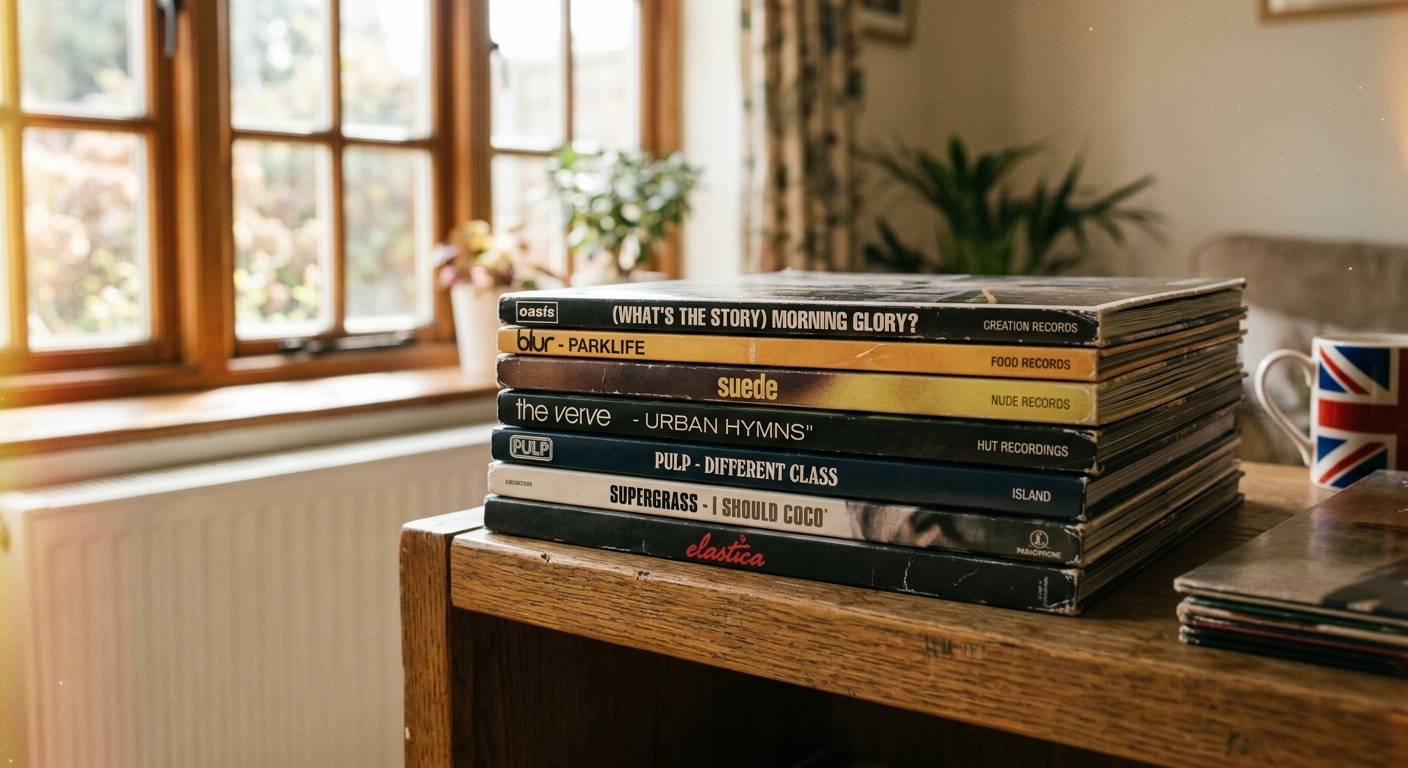
Vinyl flips this. When you buy a record, you own it. The album artwork is a large printed object you can hold. The sound is uncompressed and analog, captured exactly as the artist and engineer intended it to be heard. No algorithm deciding what you listen to next. No playlists interrupting your listening session with ads for premium tiers.
What you actually own when you buy vinyl
A vinyl record is a physical object that belongs to you. It does not disappear if a streaming service shuts down or changes its terms. It does not require an internet connection to play. It does not become unavailable because of licensing disputes.
Record stores are also where artists make more money per sale than they do through any streaming platform. A $25 LP gives the artist a far better cut than a play on a service that earns fractions of a cent.
The sound argument
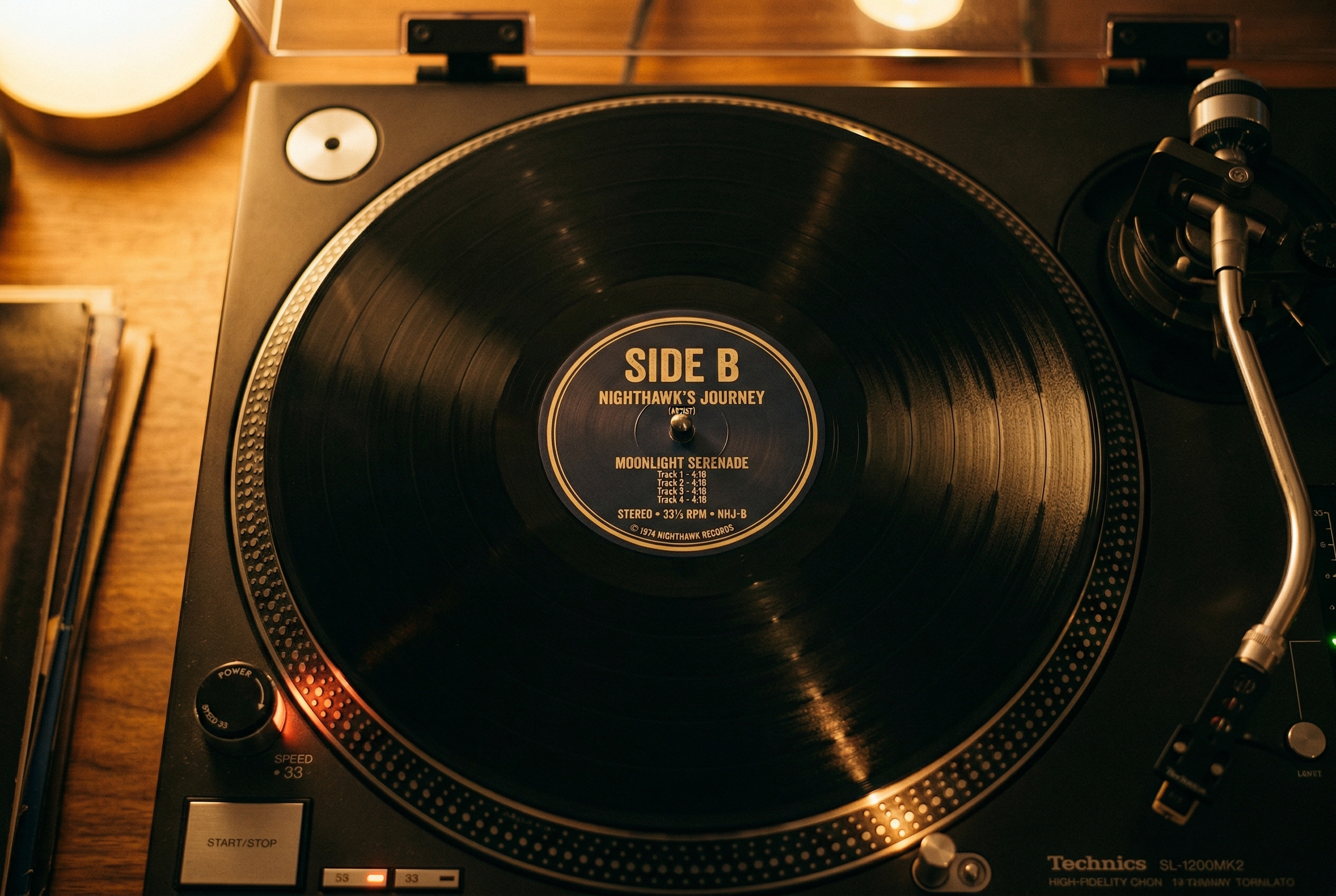
Vinyl proponents often cite a "warmth" in analog sound that digital compression cannot fully replicate. Whether or not you personally hear a difference, the technical reality is that vinyl delivers audio without the lossy compression that MP3, AAC, and Ogg Vorbis formats apply to save bandwidth. On a good system, this difference is audible.
Getting started as a streaming alternative
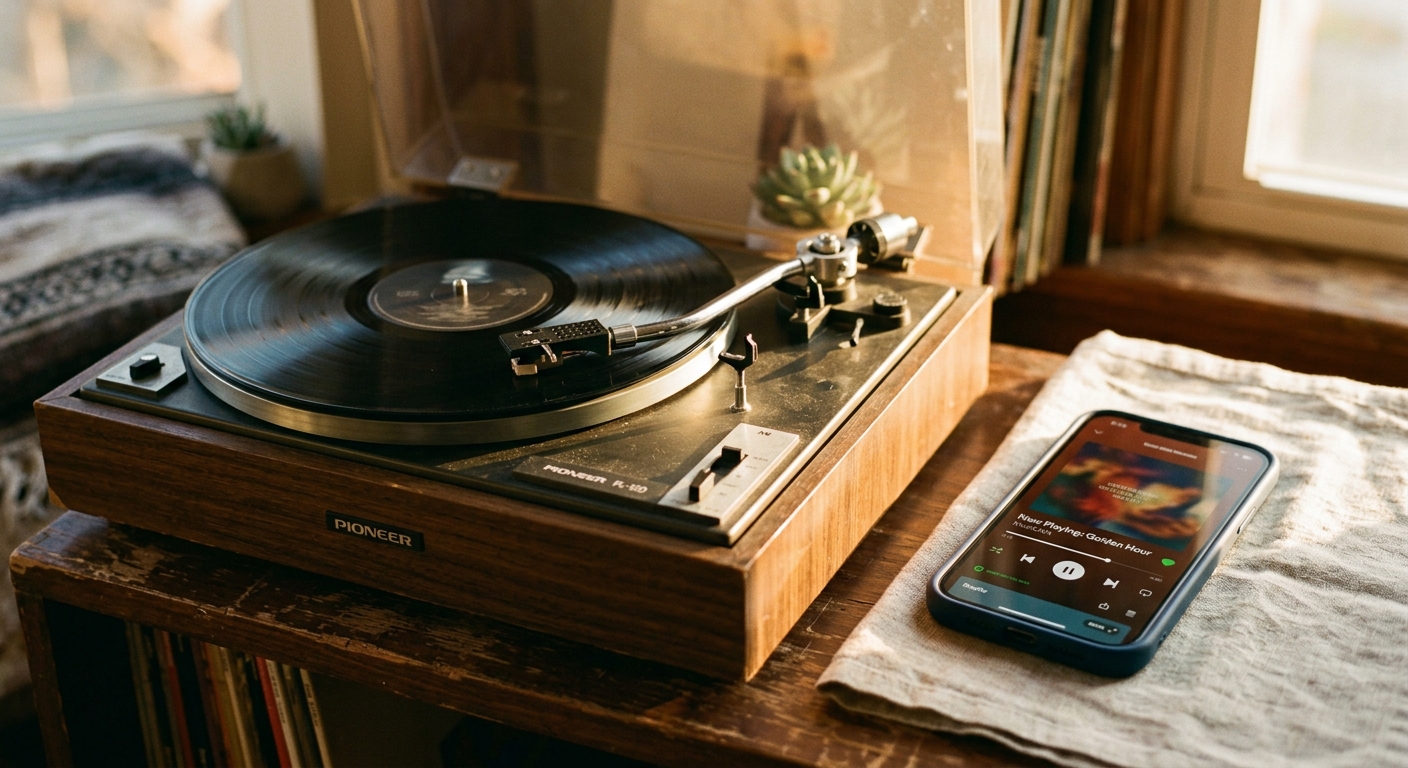
You do not need an expensive setup to start. A basic turntable with a built-in preamp, a pair of powered speakers, and a handful of records you actually want to hear start you at under $200 total. From there you can grow your collection at record stores, used shops, and independent labels.
What you get in return is a listening habit that is slower, more intentional, and built around the music you actually love rather than what an algorithm surfaced to fill a playlist.
A spreadsheet tracks what you own. What's Spinning identifies what's playing.
On-device vinyl ID logs your listening history automatically. 7-day free trial.
Looking for Shazam for vinyl?
What's Spinning identifies what's playing on your turntable on-device, logs history, and AirPlays now-playing to your TV.
Comparing vinyl ID apps?
Analog requires Discogs and is iPhone-first (iPad coming). What's Spinning works without Discogs on iPhone and iPad with AirPlay.
Try What's Spinning Free
Turn your iPad into a live now-playing display. Track every record you spin.
START FREE TRIALThen $4.99/mo or $39.99/yr · Cancel anytime