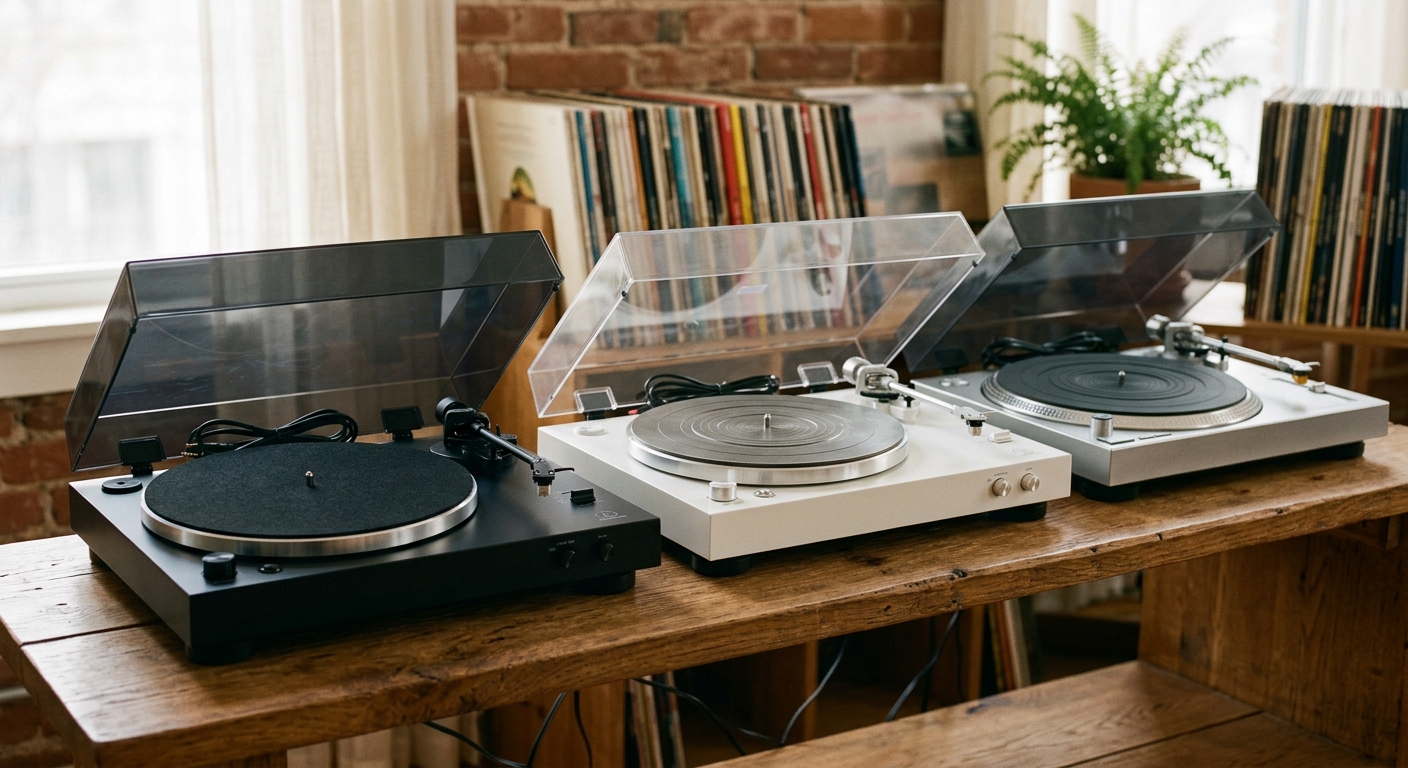
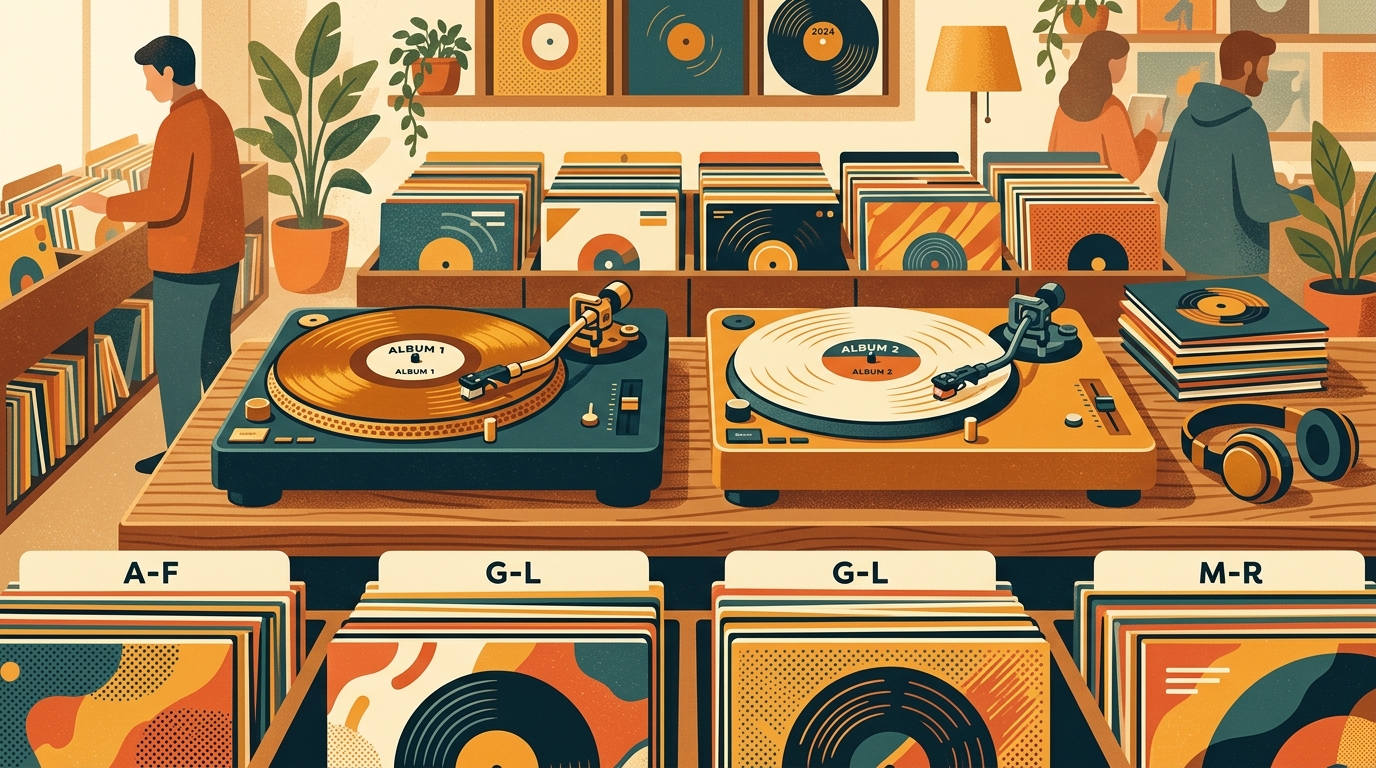
Vinyl vs. CD Sound Quality: The 2024 Debate
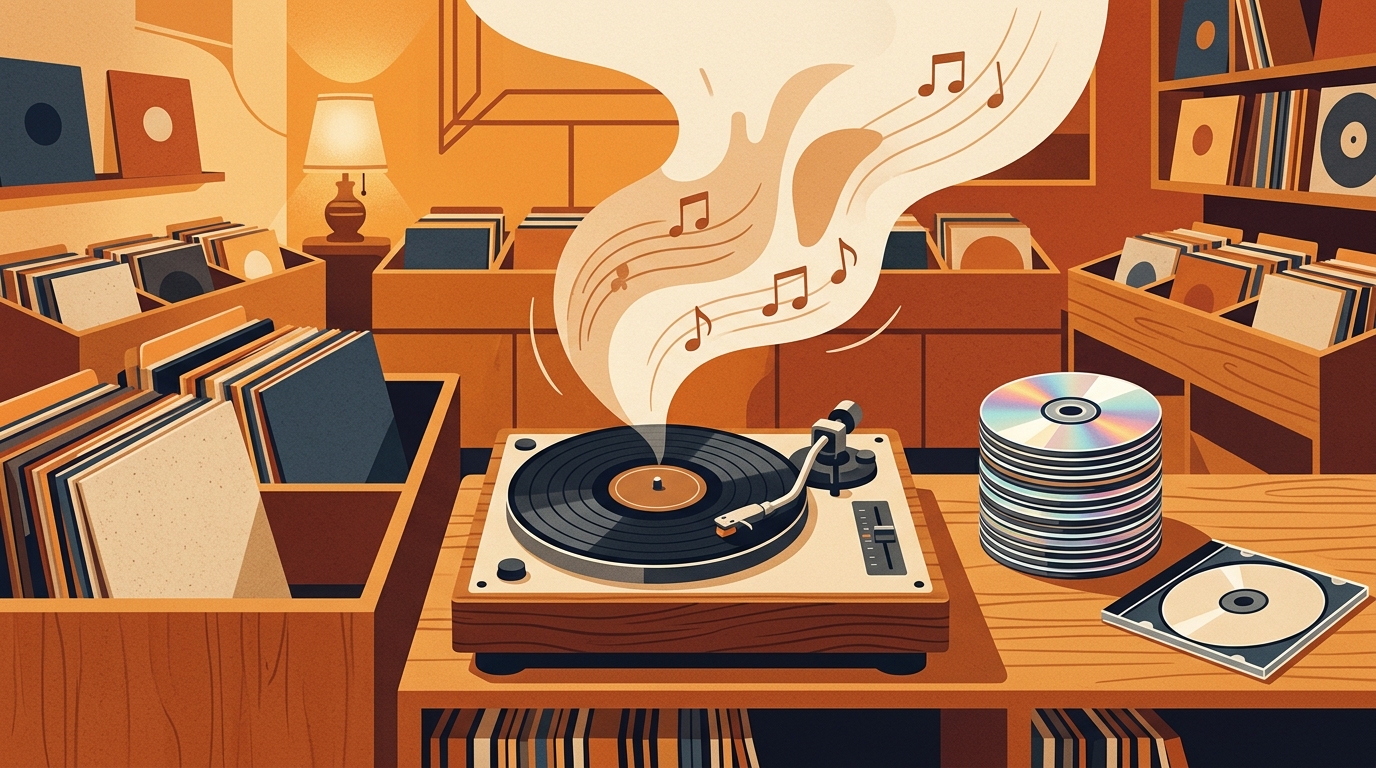
The vinyl vs CD sound quality debate was supposed to be settled decades ago. CD arrived with low noise, wide dynamic range, strong channel separation, and the promise that a laser reading pits would beat a diamond scraping plastic every time. Then 2024 happened, or more accurately, the long vinyl revival kept refusing to fade. Collectors kept buying records, labels kept pressing premium editions, and CD fans kept asking why anyone would choose a format with surface noise on purpose.
The useful answer is not “vinyl is warmer” or “digital is perfect.” The better 2024 answer is this: CD is the more accurate playback format, while vinyl can be the more engaging collecting and listening format.
What the market said in 2024
Physical music was still a real business in 2024. The RIAA mid-year 2024 revenue report said U.S. physical format revenue rose 13 percent in the first half of 2024 to $994 million. Vinyl grew 17 percent to $740 million, roughly three quarters of physical revenue, and vinyl outsold CDs in units for the fourth straight year, 24 million versus 17 million. CDs were not dead, though. They still generated $237 million in first-half revenue, essentially flat year over year.
That split explains the debate. Vinyl is winning the collector imagination and the dollars. CD still has a strong argument for listeners who want inexpensive albums, clean playback, and the original digital-era mastering of many 1980s and 1990s releases.
The technical case for CD
On paper, CD wins sound quality. Compact Disc Digital Audio uses 16-bit PCM at 44.1 kHz, the Red Book standard documented in sources such as the Compact Disc Digital Audio reference. That covers the conventional 20 Hz to 20 kHz human hearing range, and gives a theoretical dynamic range around 96 dB.
Vinyl cannot match that under normal conditions. A record has groove noise, tracing distortion, rumble, channel crosstalk, pressing variation, cartridge alignment issues, and wear. The inner grooves are shorter per rotation, so high-frequency information is harder to cut and track cleanly near the end of a side. A good stylus and careful setup reduce those problems, but they do not erase them.
That is why measurement-focused sources usually land on digital. SoundGuys, for example, notes that digital files can allow more than 90 dB between the loudest and softest sounds, compared with roughly 70 dB for vinyl in practical playback. It also points out that vinyl playback can introduce distortion, especially when a deck is poorly set up.
So why does vinyl still sound better to some people?
Because “better” is doing two jobs. One meaning is higher fidelity to the source. CD usually wins there. The other meaning is more pleasing, more physical, or more satisfying in a room. Vinyl can win that easily, but the win often comes from mastering choices, playback gear, and listening ritual rather than raw format superiority.
Many vinyl releases are mastered differently from their CD or streaming counterparts. A lacquer cut engineer has to respect the physical medium. Too much bass can throw the stylus around. Excessive treble or sibilance can become harsh. Those limits can nudge a vinyl master toward a more conservative, listenable presentation. That does not mean vinyl is magically higher resolution. It means some vinyl versions avoid the worst habits of loud digital mastering.
The opposite can happen too. Plenty of modern records are cut from the same compressed digital master used for streaming, then pressed on noisy vinyl. In that case, the record may cost more and measure worse. A great CD can beat a mediocre pressing without breaking a sweat.
The 2024 collector angle
For collectors, the format question is also about ownership. A CD is compact, durable when handled well, easy to rip, and often cheap on the used market. If you are building a jazz, classical, electronic, or 1990s alternative collection, CDs can be a gold mine.
Vinyl gives you 12-inch artwork, side breaks, pressing variants, deadwax notes, colored editions, and a playback process that asks for attention. That matters. A record is not just an audio carrier; it is a way to slow the listening session down. This is where What’s Spinning fits naturally: automatic listening logs help preserve the ritual without turning every play into data entry.
Where each format wins
Choose CD if your priority is low noise, low distortion, consistent playback, and value. CD is especially strong for albums recorded, mixed, or mastered digitally, and for listeners who want to archive music as lossless files. A clean early CD pressing can also preserve a less-compressed master that later remasters made louder but not better.
Choose vinyl if your priority is the tactile experience, cover art, collectibility, and the chance that a particular pressing has a more enjoyable master. Vinyl is also rewarding when the music was sequenced for sides. Soul, jazz, classic rock, punk, ambient, and dance records can all feel different when the side break becomes part of the pacing.
The real trick is not choosing a team forever. Compare releases, not formats. A quiet, well-cut LP can sound wonderful. A scratched thrift-store LP can sound terrible. A brickwalled CD can be fatiguing. An early, dynamic CD can be stunning. The best collectors ask: who mastered this version, where was it pressed, what source was used, and how does it sound on my system?
The verdict
In the 2024 vinyl vs CD sound quality debate, CD remains the technical winner. It is cleaner, more repeatable, and more accurate by the usual engineering measures. Vinyl remains the experiential winner for many collectors because it combines sound, object, artwork, gear, and ritual in a way CD rarely matches.
If you want faithful playback with little hassle, buy the CD or a lossless digital version. If you want the version that makes you pull a chair between the speakers, read the liner notes, flip the side, and remember the evening, vinyl may still be the better choice. The smartest answer is inconvenient: the format matters less than the mastering, pressing quality, playback setup, and how you actually listen.
FAQ
Does vinyl sound better than CD?
Technically, CD usually has lower noise, lower distortion, wider dynamic range, and more consistent playback. Vinyl can sound more pleasing when the record is well mastered, well pressed, and played on a good turntable setup.
Is vinyl more dynamic than CD?
Not as a format. A 16-bit CD has a theoretical dynamic range around 96 dB, while practical vinyl playback is typically lower. However, some vinyl releases are mastered with less loudness compression than their CD or streaming versions, which can make them feel more dynamic.
Are CDs still worth collecting in 2024?
Yes. CDs are often affordable, easy to store, easy to rip to lossless files, and excellent for albums from the digital recording era. Used CDs can be one of the best values in music collecting.
What matters more, format or mastering?
Mastering usually matters more. A well-mastered CD can outperform a noisy or compressed vinyl pressing, while a carefully cut LP can be more enjoyable than a harsh remaster. Compare specific releases whenever possible.
A spreadsheet tracks what you own. What's Spinning identifies what's playing.
On-device vinyl ID logs your listening history automatically. 7-day free trial.
Looking for Shazam for vinyl?
What's Spinning identifies what's playing on your turntable on-device, logs history, and AirPlays now-playing to your TV.
Comparing vinyl ID apps?
Analog requires Discogs and is iPhone-first (iPad coming). What's Spinning works without Discogs on iPhone and iPad with AirPlay.
Try What's Spinning Free
Turn your iPad into a live now-playing display. Track every record you spin.
START FREE TRIALThen $4.99/mo or $39.99/yr · Cancel anytime