The Best 90s Alternative Albums for Vinyl Collectors
The phrase best 90s alternative albums covers a lot of ground: Seattle grunge, Oxford art rock, shoegaze, college-rock elders, power pop, sample-based oddballs, and singer-songwriters who suddenly found themselves sharing MTV time with metal bands. For vinyl collectors, that variety is exactly the fun. The 1990s were also the awkward middle period for records: compact discs dominated sales, labels often pressed fewer LPs, and many original vinyl copies now command serious collector attention.
This list focuses on albums that still make sense on a turntable. I looked for chart impact, certification history, production choices, original label context, collector demand, and the simple question that matters most when the needle drops: does the album still make a room feel different? Sources include Wikipedia album pages, RIAA certifications, Official Charts, BPI, Discogs, and MusicBrainz/Cover Art Archive where applicable.
1. Nevermind, Nirvana, 1991
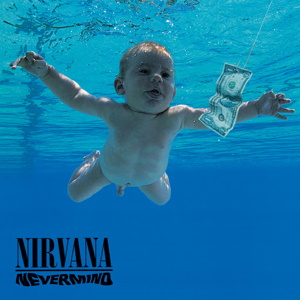
Nevermind belongs here because it turned underground guitar music into the default language of mainstream rock without losing the nervous energy of a basement show. The basic facts already tell you why collectors keep circling back: it was released on DGC, with a visible bridge back to the Sub Pop era in the credits, produced by Butch Vig, with Nirvana, and recorded at Sound City in Van Nuys, Smart Studios in Madison, and mixing in June 1991. On the charts, it reached No. 1 on the Billboard 200 and No. 7 on the UK Albums Chart, while its certification story includes RIAA 13x Platinum in the United States. Those are not trivia points; they explain why the album is both culturally unavoidable and surprisingly complicated to buy well on vinyl.
The production matters. 90s alternative can be rough, glossy, murky, or meticulously layered, and this record uses those qualities as part of its identity. On a good pressing, the album's essential tracks, Smells Like Teen Spirit, Come as You Are, Lithium, In Bloom, reveal how much detail sits below the radio hooks. Guitars have body instead of just edge, drums sit in a real space, and the vocal choices feel more intimate than they often do through thin digital playback. That is why vinyl listeners tend to talk about this album in terms of texture rather than nostalgia alone.
For collectors, the first thing to know is the release context. The original catalog trail points to DGC DGC-24425 for the original U.S. release family. Because the 1990s were dominated by CD sales, many original LPs were pressed in smaller quantities than the album's fame might suggest. That mismatch between cultural size and vinyl availability is the engine behind a lot of today's pricing. Original U.S. vinyl was not pressed in quantities that matched the CD explosion, so clean DGC copies are chased hard; later ORG and anniversary editions are common audiophile alternatives. If you are shopping, condition is not optional: noisy intros, inner-groove wear, and seam splits can turn a trophy copy into a display piece.
The album is also essential because it helped define what alternative could mean after college rock became mainstream. It is not just a record collectors buy because it is famous; it is one they use to test taste, systems, and memory. A clean copy lets you hear the decade's contradictions at once: indie values inside major-label machinery, radio singles surrounded by stranger deep cuts, and artists trying to stay human while the market around them exploded. Source: Wikipedia album history.
2. Ten, Pearl Jam, 1991

Ten belongs here because it fused arena-sized classic rock instincts with Seattle angst and gave 90s alternative one of its biggest, most durable songbooks. The basic facts already tell you why collectors keep circling back: it was released on Epic, produced by Rick Parashar with Pearl Jam, and recorded at London Bridge Studio, Seattle, during March and April 1991. On the charts, it reached No. 2 on the Billboard 200 and No. 18 on the UK Albums Chart, while its certification story includes RIAA 13x Platinum in the United States. Those are not trivia points; they explain why the album is both culturally unavoidable and surprisingly complicated to buy well on vinyl.
The production matters. 90s alternative can be rough, glossy, murky, or meticulously layered, and this record uses those qualities as part of its identity. On a good pressing, the album's essential tracks, Alive, Even Flow, Jeremy, Black, reveal how much detail sits below the radio hooks. Guitars have body instead of just edge, drums sit in a real space, and the vocal choices feel more intimate than they often do through thin digital playback. That is why vinyl listeners tend to talk about this album in terms of texture rather than nostalgia alone.
For collectors, the first thing to know is the release context. The original catalog trail points to Epic Z 47857 in the U.S. album family, with vinyl editions using the alternate group-photo cover. Because the 1990s were dominated by CD sales, many original LPs were pressed in smaller quantities than the album's fame might suggest. That mismatch between cultural size and vinyl availability is the engine behind a lot of today's pricing. The first vinyl issue used different cover art from the CD, which gives original copies instant shelf recognition and makes condition especially important. If you are shopping, condition is not optional: noisy intros, inner-groove wear, and seam splits can turn a trophy copy into a display piece.
The album is also essential because it helped define what alternative could mean after college rock became mainstream. It is not just a record collectors buy because it is famous; it is one they use to test taste, systems, and memory. A clean copy lets you hear the decade's contradictions at once: indie values inside major-label machinery, radio singles surrounded by stranger deep cuts, and artists trying to stay human while the market around them exploded. Source: Wikipedia album history.
3. OK Computer, Radiohead, 1997

OK Computer belongs here because it proved alternative rock could be paranoid, widescreen, technologically anxious, and still emotionally direct. The basic facts already tell you why collectors keep circling back: it was released on Parlophone in the UK and Capitol in the U.S., produced by Nigel Godrich with Radiohead, and recorded at Canned Applause, St Catherine's Court, and The Church. On the charts, it reached No. 1 on the UK Albums Chart and No. 21 on the Billboard 200, while its certification story includes 5x Platinum in the UK and 2x Platinum in the United States. Those are not trivia points; they explain why the album is both culturally unavoidable and surprisingly complicated to buy well on vinyl.
The production matters. 90s alternative can be rough, glossy, murky, or meticulously layered, and this record uses those qualities as part of its identity. On a good pressing, the album's essential tracks, Paranoid Android, Karma Police, No Surprises, Lucky, reveal how much detail sits below the radio hooks. Guitars have body instead of just edge, drums sit in a real space, and the vocal choices feel more intimate than they often do through thin digital playback. That is why vinyl listeners tend to talk about this album in terms of texture rather than nostalgia alone.
For collectors, the first thing to know is the release context. The original catalog trail points to Parlophone NODATA 02 for the original UK vinyl family. Because the 1990s were dominated by CD sales, many original LPs were pressed in smaller quantities than the album's fame might suggest. That mismatch between cultural size and vinyl availability is the engine behind a lot of today's pricing. Original UK Parlophone pressings and the later OKNOTOK editions both matter, one for scarcity and one for a cleaner modern presentation. If you are shopping, condition is not optional: noisy intros, inner-groove wear, and seam splits can turn a trophy copy into a display piece.
The album is also essential because it helped define what alternative could mean after college rock became mainstream. It is not just a record collectors buy because it is famous; it is one they use to test taste, systems, and memory. A clean copy lets you hear the decade's contradictions at once: indie values inside major-label machinery, radio singles surrounded by stranger deep cuts, and artists trying to stay human while the market around them exploded. Source: Wikipedia album history.
4. Automatic for the People, R.E.M., 1992

Automatic for the People belongs here because it showed that alternative superstardom did not have to mean volume, distortion, or youth-market posturing. The basic facts already tell you why collectors keep circling back: it was released on Warner Bros., produced by Scott Litt with R.E.M., and recorded at Bearsville, Criteria, John Keane, Kingsway, and Bosstown. On the charts, it reached No. 2 on the Billboard 200 and No. 1 on the UK Albums Chart on multiple runs, while its certification story includes RIAA 4x Platinum in the United States and 6x Platinum in the UK. Those are not trivia points; they explain why the album is both culturally unavoidable and surprisingly complicated to buy well on vinyl.
The production matters. 90s alternative can be rough, glossy, murky, or meticulously layered, and this record uses those qualities as part of its identity. On a good pressing, the album's essential tracks, Drive, Man on the Moon, Everybody Hurts, Nightswimming, reveal how much detail sits below the radio hooks. Guitars have body instead of just edge, drums sit in a real space, and the vocal choices feel more intimate than they often do through thin digital playback. That is why vinyl listeners tend to talk about this album in terms of texture rather than nostalgia alone.
For collectors, the first thing to know is the release context. The original catalog trail points to Warner Bros. 9 45055-1 for the original U.S. LP family. Because the 1990s were dominated by CD sales, many original LPs were pressed in smaller quantities than the album's fame might suggest. That mismatch between cultural size and vinyl availability is the engine behind a lot of today's pricing. The original vinyl is prized because the album arrived deep in the CD boom, while later 180-gram reissues are easier entry points. If you are shopping, condition is not optional: noisy intros, inner-groove wear, and seam splits can turn a trophy copy into a display piece.
The album is also essential because it helped define what alternative could mean after college rock became mainstream. It is not just a record collectors buy because it is famous; it is one they use to test taste, systems, and memory. A clean copy lets you hear the decade's contradictions at once: indie values inside major-label machinery, radio singles surrounded by stranger deep cuts, and artists trying to stay human while the market around them exploded. Source: Wikipedia album history.
5. Siamese Dream, The Smashing Pumpkins, 1993

Siamese Dream belongs here because it turned guitar overdubs into architecture, making shoegaze texture, metal weight, and pop hooks feel like one language. The basic facts already tell you why collectors keep circling back: it was released on Virgin, produced by Butch Vig and Billy Corgan, and recorded at Triclops Sound Studios in Marietta, Georgia. On the charts, it reached No. 10 on the Billboard 200 and No. 4 on the UK Albums Chart, while its certification story includes RIAA 4x Platinum with more than six million copies sold worldwide. Those are not trivia points; they explain why the album is both culturally unavoidable and surprisingly complicated to buy well on vinyl.
The production matters. 90s alternative can be rough, glossy, murky, or meticulously layered, and this record uses those qualities as part of its identity. On a good pressing, the album's essential tracks, Cherub Rock, Today, Disarm, Mayonaise, reveal how much detail sits below the radio hooks. Guitars have body instead of just edge, drums sit in a real space, and the vocal choices feel more intimate than they often do through thin digital playback. That is why vinyl listeners tend to talk about this album in terms of texture rather than nostalgia alone.
For collectors, the first thing to know is the release context. The original catalog trail points to Virgin 0777 7 88267 1 9 in the original LP family. Because the 1990s were dominated by CD sales, many original LPs were pressed in smaller quantities than the album's fame might suggest. That mismatch between cultural size and vinyl availability is the engine behind a lot of today's pricing. Original vinyl copies are valuable because the album was long, dense, and released when vinyl demand was shrinking; the 2011 remaster is a practical alternative. If you are shopping, condition is not optional: noisy intros, inner-groove wear, and seam splits can turn a trophy copy into a display piece.
The album is also essential because it helped define what alternative could mean after college rock became mainstream. It is not just a record collectors buy because it is famous; it is one they use to test taste, systems, and memory. A clean copy lets you hear the decade's contradictions at once: indie values inside major-label machinery, radio singles surrounded by stranger deep cuts, and artists trying to stay human while the market around them exploded. Source: Wikipedia album history.
6. In Utero, Nirvana, 1993

In Utero belongs here because it is the anti-victory lap, a major-label album that deliberately sounds exposed, caustic, and human. The basic facts already tell you why collectors keep circling back: it was released on DGC, produced by Steve Albini, with final single mixes by Scott Litt, and recorded at Pachyderm Studio in Cannon Falls, Minnesota. On the charts, it reached No. 1 on the Billboard 200 and No. 1 on the UK Albums Chart, while its certification story includes RIAA 5x Platinum in the United States. Those are not trivia points; they explain why the album is both culturally unavoidable and surprisingly complicated to buy well on vinyl.
The production matters. 90s alternative can be rough, glossy, murky, or meticulously layered, and this record uses those qualities as part of its identity. On a good pressing, the album's essential tracks, Heart-Shaped Box, All Apologies, Rape Me, Dumb, reveal how much detail sits below the radio hooks. Guitars have body instead of just edge, drums sit in a real space, and the vocal choices feel more intimate than they often do through thin digital playback. That is why vinyl listeners tend to talk about this album in terms of texture rather than nostalgia alone.
For collectors, the first thing to know is the release context. The original catalog trail points to DGC DGC-24607 in the original U.S. album family. Because the 1990s were dominated by CD sales, many original LPs were pressed in smaller quantities than the album's fame might suggest. That mismatch between cultural size and vinyl availability is the engine behind a lot of today's pricing. Collectors compare Albini's raw album sound with the Scott Litt single mixes; original vinyl and the 2013 anniversary editions are both conversation pieces. If you are shopping, condition is not optional: noisy intros, inner-groove wear, and seam splits can turn a trophy copy into a display piece.
The album is also essential because it helped define what alternative could mean after college rock became mainstream. It is not just a record collectors buy because it is famous; it is one they use to test taste, systems, and memory. A clean copy lets you hear the decade's contradictions at once: indie values inside major-label machinery, radio singles surrounded by stranger deep cuts, and artists trying to stay human while the market around them exploded. Source: Wikipedia album history.
7. Dirt, Alice in Chains, 1992
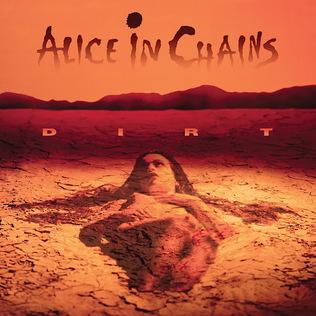
Dirt belongs here because it brought metal gravity into alternative radio without sanding away the despair or the harmonies. The basic facts already tell you why collectors keep circling back: it was released on Columbia, produced by Dave Jerden with Alice in Chains, and recorded at Eldorado Recording Studios, London Bridge Studio, and One on One Recording. On the charts, it reached No. 6 on the Billboard 200 and a strong international seller, while its certification story includes RIAA 5x Platinum in the United States. Those are not trivia points; they explain why the album is both culturally unavoidable and surprisingly complicated to buy well on vinyl.
The production matters. 90s alternative can be rough, glossy, murky, or meticulously layered, and this record uses those qualities as part of its identity. On a good pressing, the album's essential tracks, Would?, Rooster, Them Bones, Down in a Hole, reveal how much detail sits below the radio hooks. Guitars have body instead of just edge, drums sit in a real space, and the vocal choices feel more intimate than they often do through thin digital playback. That is why vinyl listeners tend to talk about this album in terms of texture rather than nostalgia alone.
For collectors, the first thing to know is the release context. The original catalog trail points to Columbia C 52475 in the original U.S. release family. Because the 1990s were dominated by CD sales, many original LPs were pressed in smaller quantities than the album's fame might suggest. That mismatch between cultural size and vinyl availability is the engine behind a lot of today's pricing. Original 1992 vinyl is scarce and expensive, while the 2022 anniversary pressing made a clean copy realistic for more listeners. If you are shopping, condition is not optional: noisy intros, inner-groove wear, and seam splits can turn a trophy copy into a display piece.
The album is also essential because it helped define what alternative could mean after college rock became mainstream. It is not just a record collectors buy because it is famous; it is one they use to test taste, systems, and memory. A clean copy lets you hear the decade's contradictions at once: indie values inside major-label machinery, radio singles surrounded by stranger deep cuts, and artists trying to stay human while the market around them exploded. Source: Wikipedia album history.
8. Superunknown, Soundgarden, 1994

Superunknown belongs here because it made odd meters, heavy riffs, psychedelia, and pop choruses coexist at arena scale. The basic facts already tell you why collectors keep circling back: it was released on A&M, produced by Michael Beinhorn and Soundgarden, and recorded at Bad Animals in Seattle and related sessions during 1993. On the charts, it reached No. 1 on the Billboard 200 and a Top 5 album in the UK, while its certification story includes RIAA 6x Platinum in the United States. Those are not trivia points; they explain why the album is both culturally unavoidable and surprisingly complicated to buy well on vinyl.
The production matters. 90s alternative can be rough, glossy, murky, or meticulously layered, and this record uses those qualities as part of its identity. On a good pressing, the album's essential tracks, Black Hole Sun, Spoonman, Fell on Black Days, The Day I Tried to Live, reveal how much detail sits below the radio hooks. Guitars have body instead of just edge, drums sit in a real space, and the vocal choices feel more intimate than they often do through thin digital playback. That is why vinyl listeners tend to talk about this album in terms of texture rather than nostalgia alone.
For collectors, the first thing to know is the release context. The original catalog trail points to A&M 540 198-1 in the original vinyl family. Because the 1990s were dominated by CD sales, many original LPs were pressed in smaller quantities than the album's fame might suggest. That mismatch between cultural size and vinyl availability is the engine behind a lot of today's pricing. Because it stretches past seventy minutes, vinyl editions are judged by side breaks and mastering choices; the best copies keep the low end big without turning Cornell's voice brittle. If you are shopping, condition is not optional: noisy intros, inner-groove wear, and seam splits can turn a trophy copy into a display piece.
The album is also essential because it helped define what alternative could mean after college rock became mainstream. It is not just a record collectors buy because it is famous; it is one they use to test taste, systems, and memory. A clean copy lets you hear the decade's contradictions at once: indie values inside major-label machinery, radio singles surrounded by stranger deep cuts, and artists trying to stay human while the market around them exploded. Source: Wikipedia album history.
9. Weezer, the Blue Album, Weezer, 1994
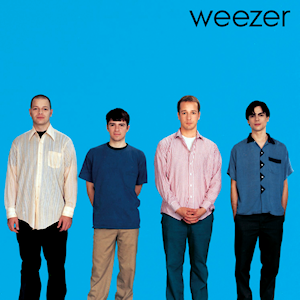
Weezer, the Blue Album belongs here because it made awkwardness melodic and turned geeky guitar rock into a permanent branch of alternative culture. The basic facts already tell you why collectors keep circling back: it was released on DGC, produced by Ric Ocasek, and recorded at Electric Lady Studios in New York. On the charts, it reached a long-running U.S. Top 20 catalog seller, while its certification story includes RIAA 3x Platinum in the United States. Those are not trivia points; they explain why the album is both culturally unavoidable and surprisingly complicated to buy well on vinyl.
The production matters. 90s alternative can be rough, glossy, murky, or meticulously layered, and this record uses those qualities as part of its identity. On a good pressing, the album's essential tracks, Undone, Buddy Holly, Say It Ain't So, My Name Is Jonas, reveal how much detail sits below the radio hooks. Guitars have body instead of just edge, drums sit in a real space, and the vocal choices feel more intimate than they often do through thin digital playback. That is why vinyl listeners tend to talk about this album in terms of texture rather than nostalgia alone.
For collectors, the first thing to know is the release context. The original catalog trail points to DGC DGC-24629 in the original release family. Because the 1990s were dominated by CD sales, many original LPs were pressed in smaller quantities than the album's fame might suggest. That mismatch between cultural size and vinyl availability is the engine behind a lot of today's pricing. Original blue-sleeve vinyl is a classic CD-era scarcity, and Mobile Fidelity and later reissues give collectors several ways to chase the power-pop crunch. If you are shopping, condition is not optional: noisy intros, inner-groove wear, and seam splits can turn a trophy copy into a display piece.
The album is also essential because it helped define what alternative could mean after college rock became mainstream. It is not just a record collectors buy because it is famous; it is one they use to test taste, systems, and memory. A clean copy lets you hear the decade's contradictions at once: indie values inside major-label machinery, radio singles surrounded by stranger deep cuts, and artists trying to stay human while the market around them exploded. Source: Wikipedia album history.
10. The Bends, Radiohead, 1995
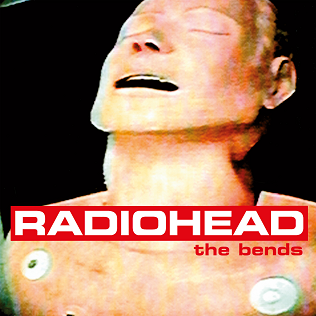
The Bends belongs here because it is the bridge between post-grunge guitar angst and the more cinematic art-rock future that followed. The basic facts already tell you why collectors keep circling back: it was released on Parlophone in the UK and Capitol in the U.S., produced by John Leckie, with extra production by Radiohead, Nigel Godrich, and Jim Warren, and recorded at RAK, Manor, Abbey Road, and London sessions around 1994. On the charts, it reached No. 4 on the UK Albums Chart and No. 88 on the Billboard 200 on its original U.S. climb, while its certification story includes multi-platinum status in the UK and Platinum status in the United States. Those are not trivia points; they explain why the album is both culturally unavoidable and surprisingly complicated to buy well on vinyl.
The production matters. 90s alternative can be rough, glossy, murky, or meticulously layered, and this record uses those qualities as part of its identity. On a good pressing, the album's essential tracks, Fake Plastic Trees, High and Dry, Just, Street Spirit, reveal how much detail sits below the radio hooks. Guitars have body instead of just edge, drums sit in a real space, and the vocal choices feel more intimate than they often do through thin digital playback. That is why vinyl listeners tend to talk about this album in terms of texture rather than nostalgia alone.
For collectors, the first thing to know is the release context. The original catalog trail points to Parlophone PCS 7372 for the original UK vinyl family. Because the 1990s were dominated by CD sales, many original LPs were pressed in smaller quantities than the album's fame might suggest. That mismatch between cultural size and vinyl availability is the engine behind a lot of today's pricing. Original Parlophone vinyl is sought after because the album's reputation kept growing after the first pressing window had already passed. If you are shopping, condition is not optional: noisy intros, inner-groove wear, and seam splits can turn a trophy copy into a display piece.
The album is also essential because it helped define what alternative could mean after college rock became mainstream. It is not just a record collectors buy because it is famous; it is one they use to test taste, systems, and memory. A clean copy lets you hear the decade's contradictions at once: indie values inside major-label machinery, radio singles surrounded by stranger deep cuts, and artists trying to stay human while the market around them exploded. Source: Wikipedia album history.
11. Jagged Little Pill, Alanis Morissette, 1995

Jagged Little Pill belongs here because it pushed confessional alternative pop into the center of the decade and broadened what an alternative album could be. The basic facts already tell you why collectors keep circling back: it was released on Maverick, Reprise, and Warner family distribution, produced by Glen Ballard, and recorded at Westlake and Ballard's Hollywood writing room sessions. On the charts, it reached No. 1 on the Billboard 200 and No. 1 in multiple countries, while its certification story includes RIAA Diamond plus, with worldwide sales often cited above 30 million. Those are not trivia points; they explain why the album is both culturally unavoidable and surprisingly complicated to buy well on vinyl.
The production matters. 90s alternative can be rough, glossy, murky, or meticulously layered, and this record uses those qualities as part of its identity. On a good pressing, the album's essential tracks, You Oughta Know, Hand in My Pocket, Ironic, Head over Feet, reveal how much detail sits below the radio hooks. Guitars have body instead of just edge, drums sit in a real space, and the vocal choices feel more intimate than they often do through thin digital playback. That is why vinyl listeners tend to talk about this album in terms of texture rather than nostalgia alone.
For collectors, the first thing to know is the release context. The original catalog trail points to Maverick 45901 in the original album family. Because the 1990s were dominated by CD sales, many original LPs were pressed in smaller quantities than the album's fame might suggest. That mismatch between cultural size and vinyl availability is the engine behind a lot of today's pricing. It was a CD-era juggernaut, so original vinyl was comparatively limited; modern reissues finally let collectors hear the dynamic rhythm tracks without 90s car stereo compression. If you are shopping, condition is not optional: noisy intros, inner-groove wear, and seam splits can turn a trophy copy into a display piece.
The album is also essential because it helped define what alternative could mean after college rock became mainstream. It is not just a record collectors buy because it is famous; it is one they use to test taste, systems, and memory. A clean copy lets you hear the decade's contradictions at once: indie values inside major-label machinery, radio singles surrounded by stranger deep cuts, and artists trying to stay human while the market around them exploded. Source: Wikipedia album history.
12. Mellon Collie and the Infinite Sadness, The Smashing Pumpkins, 1995

Mellon Collie and the Infinite Sadness belongs here because it treated the alternative album as a sprawling, theatrical universe rather than a set of singles. The basic facts already tell you why collectors keep circling back: it was released on Virgin, produced by Flood, Alan Moulder, and Billy Corgan, and recorded at Chicago Recording Company, Pumpkinland, and other Chicago sessions. On the charts, it reached No. 1 on the Billboard 200, with 246,500 first-week U.S. sales, while its certification story includes RIAA Diamond for the double album accounting used by the certification system. Those are not trivia points; they explain why the album is both culturally unavoidable and surprisingly complicated to buy well on vinyl.
The production matters. 90s alternative can be rough, glossy, murky, or meticulously layered, and this record uses those qualities as part of its identity. On a good pressing, the album's essential tracks, Bullet with Butterfly Wings, 1979, Tonight Tonight, Thirty-Three, reveal how much detail sits below the radio hooks. Guitars have body instead of just edge, drums sit in a real space, and the vocal choices feel more intimate than they often do through thin digital playback. That is why vinyl listeners tend to talk about this album in terms of texture rather than nostalgia alone.
For collectors, the first thing to know is the release context. The original catalog trail points to Virgin 7243 8 40861 1 2 in the original triple-LP family. Because the 1990s were dominated by CD sales, many original LPs were pressed in smaller quantities than the album's fame might suggest. That mismatch between cultural size and vinyl availability is the engine behind a lot of today's pricing. The original three-LP pressing is one of the signature collectible alternative vinyl artifacts of the decade; reissues are welcome because clean originals can be brutally expensive. If you are shopping, condition is not optional: noisy intros, inner-groove wear, and seam splits can turn a trophy copy into a display piece.
The album is also essential because it helped define what alternative could mean after college rock became mainstream. It is not just a record collectors buy because it is famous; it is one they use to test taste, systems, and memory. A clean copy lets you hear the decade's contradictions at once: indie values inside major-label machinery, radio singles surrounded by stranger deep cuts, and artists trying to stay human while the market around them exploded. Source: Wikipedia album history.
13. Grace, Jeff Buckley, 1994

Grace belongs here because it gave 90s alternative its most dramatic vocal performance and one of its most durable late-blooming reputations. The basic facts already tell you why collectors keep circling back: it was released on Columbia, produced by Jeff Buckley and Andy Wallace, and recorded at Bearsville, Sony Music Studios, and related New York sessions. On the charts, it reached a slow-building catalog classic rather than a huge U.S. chart debut, while its certification story includes Platinum status in several territories and widely cited later certifications. Those are not trivia points; they explain why the album is both culturally unavoidable and surprisingly complicated to buy well on vinyl.
The production matters. 90s alternative can be rough, glossy, murky, or meticulously layered, and this record uses those qualities as part of its identity. On a good pressing, the album's essential tracks, Grace, Last Goodbye, Lover You Should've Come Over, Hallelujah, reveal how much detail sits below the radio hooks. Guitars have body instead of just edge, drums sit in a real space, and the vocal choices feel more intimate than they often do through thin digital playback. That is why vinyl listeners tend to talk about this album in terms of texture rather than nostalgia alone.
For collectors, the first thing to know is the release context. The original catalog trail points to Columbia 475928 1 in the original European vinyl family. Because the 1990s were dominated by CD sales, many original LPs were pressed in smaller quantities than the album's fame might suggest. That mismatch between cultural size and vinyl availability is the engine behind a lot of today's pricing. Original vinyl is prized because the album became mythical after Buckley's death, and later Legacy editions are common gateways for listeners who want quiet surfaces. If you are shopping, condition is not optional: noisy intros, inner-groove wear, and seam splits can turn a trophy copy into a display piece.
The album is also essential because it helped define what alternative could mean after college rock became mainstream. It is not just a record collectors buy because it is famous; it is one they use to test taste, systems, and memory. A clean copy lets you hear the decade's contradictions at once: indie values inside major-label machinery, radio singles surrounded by stranger deep cuts, and artists trying to stay human while the market around them exploded. Source: Wikipedia album history.
14. Loveless, My Bloody Valentine, 1991

Loveless belongs here because it changed how guitar records could feel, turning pitch bend, volume, and texture into emotional content. The basic facts already tell you why collectors keep circling back: it was released on Creation in the UK and Sire in the U.S., produced by Kevin Shields, with extensive engineering across many studios, and recorded at nineteen studios between 1989 and 1991, according to the album history. On the charts, it reached a modest chart performer that became a canonical critics record, while its certification story includes less about blockbuster certification and more about long-tail influence. Those are not trivia points; they explain why the album is both culturally unavoidable and surprisingly complicated to buy well on vinyl.
The production matters. 90s alternative can be rough, glossy, murky, or meticulously layered, and this record uses those qualities as part of its identity. On a good pressing, the album's essential tracks, Only Shallow, To Here Knows When, Soon, Sometimes, reveal how much detail sits below the radio hooks. Guitars have body instead of just edge, drums sit in a real space, and the vocal choices feel more intimate than they often do through thin digital playback. That is why vinyl listeners tend to talk about this album in terms of texture rather than nostalgia alone.
For collectors, the first thing to know is the release context. The original catalog trail points to Creation CRELP 060 for the original UK LP family. Because the 1990s were dominated by CD sales, many original LPs were pressed in smaller quantities than the album's fame might suggest. That mismatch between cultural size and vinyl availability is the engine behind a lot of today's pricing. Original Creation vinyl and the Kevin Shields supervised analog reissues are both essential reference points for shoegaze collectors. If you are shopping, condition is not optional: noisy intros, inner-groove wear, and seam splits can turn a trophy copy into a display piece.
The album is also essential because it helped define what alternative could mean after college rock became mainstream. It is not just a record collectors buy because it is famous; it is one they use to test taste, systems, and memory. A clean copy lets you hear the decade's contradictions at once: indie values inside major-label machinery, radio singles surrounded by stranger deep cuts, and artists trying to stay human while the market around them exploded. Source: Wikipedia album history.
15. Odelay, Beck, 1996

Odelay belongs here because it made crate-digging, folk fragments, hip-hop production, and slacker surrealism feel like one record-store ecosystem. The basic facts already tell you why collectors keep circling back: it was released on DGC, produced by Beck Hansen, the Dust Brothers, Mario Caldato Jr., Brian Paulson, Tom Rothrock, and Rob Schnapf, and recorded at Los Angeles sample laboratories and studio sessions shaped by the Dust Brothers approach. On the charts, it reached No. 16 on the Billboard 200, while its certification story includes RIAA 2x Platinum in the United States, with U.S. sales reported at 2.3 million by 2008. Those are not trivia points; they explain why the album is both culturally unavoidable and surprisingly complicated to buy well on vinyl.
The production matters. 90s alternative can be rough, glossy, murky, or meticulously layered, and this record uses those qualities as part of its identity. On a good pressing, the album's essential tracks, Where It's At, Devils Haircut, The New Pollution, Jack-Ass, reveal how much detail sits below the radio hooks. Guitars have body instead of just edge, drums sit in a real space, and the vocal choices feel more intimate than they often do through thin digital playback. That is why vinyl listeners tend to talk about this album in terms of texture rather than nostalgia alone.
For collectors, the first thing to know is the release context. The original catalog trail points to DGC DGC-24823 in the original release family. Because the 1990s were dominated by CD sales, many original LPs were pressed in smaller quantities than the album's fame might suggest. That mismatch between cultural size and vinyl availability is the engine behind a lot of today's pricing. Vinyl editions reward careful systems because the sample collage can get congested; clean originals and the Deluxe-era reissues each have fans. If you are shopping, condition is not optional: noisy intros, inner-groove wear, and seam splits can turn a trophy copy into a display piece.
The album is also essential because it helped define what alternative could mean after college rock became mainstream. It is not just a record collectors buy because it is famous; it is one they use to test taste, systems, and memory. A clean copy lets you hear the decade's contradictions at once: indie values inside major-label machinery, radio singles surrounded by stranger deep cuts, and artists trying to stay human while the market around them exploded. Source: Wikipedia album history.
What to buy first
If you are starting a 90s alternative vinyl shelf, begin with records that balance availability, sound, and significance. My first five would be Nevermind, OK Computer, Automatic for the People, Siamese Dream, and Loveless. They cover the decade's biggest fault lines: grunge, art rock, mature college rock, maximalist guitar production, and shoegaze.
If budget matters, do not feel forced into first pressings immediately. For many of these albums, a clean modern reissue will beat a worn original. Save original-press money for the records where the object itself matters to you: Ten with the alternate vinyl cover, the original triple-LP Mellon Collie, Creation copies of Loveless, or CD-era U.S. pressings that rarely appear in excellent condition.
FAQ
What makes a 90s alternative album valuable on vinyl?
Scarcity is the big factor. Many major 90s albums sold millions on CD but had smaller vinyl runs, so clean originals can be much rarer than their fame suggests. Condition, label, pressing country, inserts, and whether the record was cut across enough sides also affect value.
Are original 90s pressings always better than reissues?
No. Originals are collectible, but reissues can sound better if they use careful mastering, quieter vinyl, and better side splits. A worn original of a long album may be less enjoyable than a well-made modern pressing.
Which 90s alternative albums are best for testing a turntable setup?
OK Computer, Siamese Dream, Superunknown, and Loveless are excellent system tests because they combine density, bass, layered guitars, and vocal detail. If your cartridge or speakers are too bright, these albums will tell you quickly.
Why are so many 90s albums expensive on vinyl?
The 90s were the CD era. Labels often treated vinyl as a niche format, especially in the United States. Decades later, demand from collectors is much larger than the original supply of clean original LPs.
A spreadsheet tracks what you own. What's Spinning identifies what's playing.
On-device vinyl ID logs your listening history automatically. 7-day free trial.
Looking for Shazam for vinyl?
What's Spinning identifies what's playing on your turntable on-device, logs history, and AirPlays now-playing to your TV.
Comparing vinyl ID apps?
Analog requires Discogs and is iPhone-first (iPad coming). What's Spinning works without Discogs on iPhone and iPad with AirPlay.
Try What's Spinning Free
Turn your iPad into a live now-playing display. Track every record you spin.
START FREE TRIALThen $4.99/mo or $39.99/yr · Cancel anytime