Best Albums of 1968 for Your Vinyl Collection
If you are building a shelf around the best albums 1968 vinyl collectors still argue about, you picked one of the richest years in LP history. The album had become more than a singles container: sleeves mattered, side breaks mattered, stereo mixes were becoming more adventurous, and musicians from rock, soul, folk, country, and blues were using the long-player as a serious statement.
The market has caught up with that obsession. The RIAA U.S. recorded music database shows vinyl as a billion-dollar physical format again, while Luminate's year-end reporting has tracked continuing demand for LPs in the 2020s. For collectors, that means more high-quality reissues, more competition for clean originals, and more reason to know exactly which version you want before you pay collector prices.
This guide is written for listening, not trophy hunting. Original pressings, mono and stereo differences, cover variations, and inserts are part of the fun, but the real test is whether the record earns time on your turntable. If you use What's Spinning, this is where the app becomes useful: it can show which revered classics you actually play, not just which ones look impressive on the shelf.
Research sources include album and artist pages from Wikipedia, release data from MusicBrainz, the Library of Congress National Recording Registry, the RIAA, and contemporary chart and certification references where available. Cover images below are sourced from the albums' Wikipedia pages.
The best albums of 1968 for vinyl collectors
-
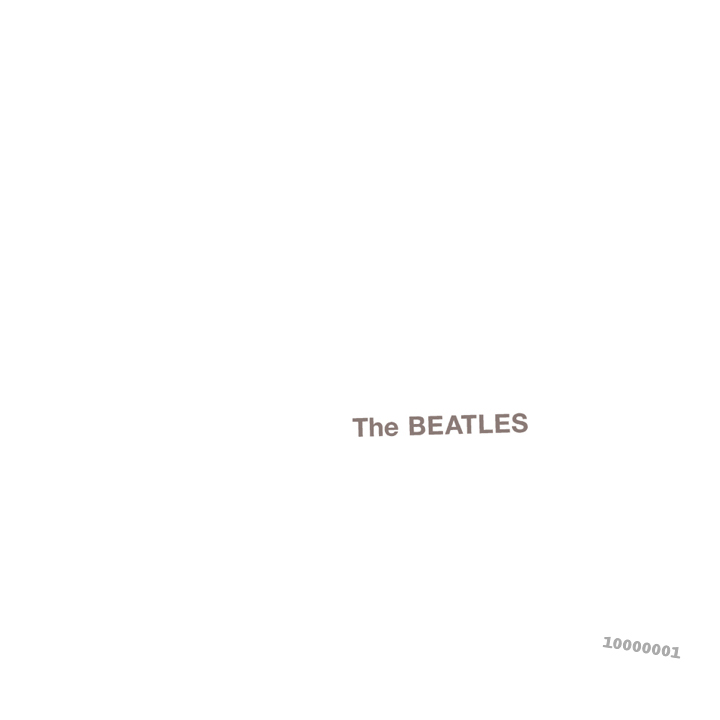
The Beatles, The Beatles, 1968
Nothing about the white sleeve is accidental. After Sgt. Pepper turned the LP jacket into a carnival, the Beatles made their 1968 double album look like a blank wall with a serial number, then filled the records with splinters of a band pulling in four directions. For vinyl collectors, that contradiction is the point: the object is minimalist, but the listening experience is sprawling, funny, bruised, acoustic, heavy, and sometimes willfully strange. Side sequencing matters enormously here. The jump from intimate songs to tape-collage menace is harder to reduce to a playlist than people assume, and the four-sided format gives the chaos architecture. Original UK top-loader sleeves, numbered jackets, poster, and portraits are collectible details worth understanding before paying a premium. Later mono and stereo reissues can be excellent listening copies, so decide whether you want historical artifact, best playback value, or a complete package. Few 1968 albums show the LP era's scale more clearly. Source.
-

Electric Ladyland, The Jimi Hendrix Experience, 1968
Jimi Hendrix did not treat the studio as a neutral room. Electric Ladyland is a headphone record, a guitar record, a blues record, a psychedelic rock record, and a producer's playground, often within the same side. Hendrix used stereo placement, tape effects, guest musicians, long jams, and sharply edited songs to make the album feel larger than a power trio could be onstage. The vinyl appeal is partly physical: a double LP gives "Voodoo Chile" room to stretch, then lets "1983... (A Merman I Should Turn to Be)" drift into aquatic studio fantasy without sounding like a bonus track. Collectors also run into cover variations, especially the U.S. Reprise artwork versus the controversial U.K. Track sleeve, so know what version you are buying. The album topped the Billboard LP chart, which means copies are not mythical, but clean ones are still worth seeking because noisy surfaces can bury the quieter passages. Turn it up and the room gets elastic. Source.
-

Beggars Banquet, The Rolling Stones, 1968
The Rolling Stones sounded relieved to be dangerous again. After the ornate detour of Their Satanic Majesties Request, Beggars Banquet returned the band to blues, country, folk menace, and leaner arrangements, but it was not a simple back-to-basics record. "Sympathy for the Devil" uses congas and a gathering vocal chant to build tension instead of guitar overload, while "Street Fighting Man" turns acoustic guitars recorded hot into a political blast. That production trick gives vinyl copies a particular bite when the mastering preserves texture rather than sanding it down. The original toilet-wall sleeve was rejected by Decca and London, leading to the invitation-style cover most buyers know, so sleeve history is part of the collector story. This is also the last Stones album released during Brian Jones's lifetime, which gives its rough elegance an extra layer of transition. Buy it for the songs, but keep it for the way the band rediscovered economy. Source.
-

Astral Weeks, Van Morrison, 1968
A lot of revered records announce their importance loudly. Astral Weeks barely does. Recorded in New York with jazz players including bassist Richard Davis and guitarist Jay Berliner, the album lets Van Morrison's voice wander through folk, soul, chamber jazz, and memory with almost no conventional rock-band posture. Its vinyl magic is in the air around the notes: acoustic bass, flute, vibraphone, brushed motion, and vocal phrasing that seems to change direction mid-thought. Collectors should not expect a demonstration disc in the usual sense; the beauty comes from presence and timing rather than glossy impact. A quiet pressing helps because the music often hovers at conversational volume before Morrison suddenly leans into a phrase. The album was not a blockbuster on release, which makes its later canonical status interesting, but the record itself does not sound like a museum piece. It sounds like someone remembering places faster than language can organize them. Source.
-
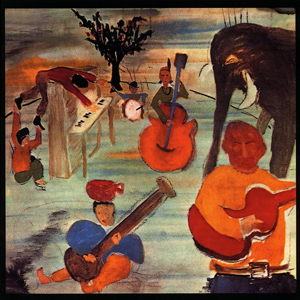
Music from Big Pink, The Band, 1968
While much of 1968 chased volume, color, and expansion, The Band made a record that looked backward without becoming nostalgic wallpaper. Music from Big Pink came out of the Woodstock orbit around Bob Dylan, with a group of musicians who had already learned how to sound communal rather than flashy. The album's collector appeal begins with the cover, a Dylan painting on the front and a basement-mythology aura around the whole package. Musically, it is full of shared vocals, organ warmth, loose-limbed rhythm, and songs that made roots music feel newly strange. "The Weight" is famous enough to distort the album's reputation, but the deeper reward is hearing how Robbie Robertson, Levon Helm, Richard Manuel, Rick Danko, and Garth Hudson leave space for one another. On vinyl, that restraint matters. You can hear instruments as people in a room rather than layers in a stack, which is exactly why this record helped redirect rock away from psychedelic excess. Source.
-

Bookends, Simon & Garfunkel, 1968
Bookends is shorter than its reputation, and that compactness is a virtue. Simon & Garfunkel built side one as a loose suite about youth, age, memory, and American drift, then used side two to collect some of the sharpest songs in their catalog, including "Mrs. Robinson," "A Hazy Shade of Winter," and "At the Zoo." For vinyl listeners, the first side is the reason to own the LP rather than only a hits package. The recurring "Bookends Theme" frames the record with a small, devastating melody, and the sound effects of "Voices of Old People" make the album feel more like documentary collage than folk-pop polish. Columbia pressings are common, but clean playback is important because the harmonies expose sibilance and groove damage quickly. The stark black-and-white cover also fits the music's mood: elegant, anxious, and slightly severe. It belongs in a 1968 collection because it captures pop craft looking directly at time passing. Source.
-

Lady Soul, Aretha Franklin, 1968
Aretha Franklin's Atlantic run is one of the safest places to spend vinyl money, and Lady Soul sits near the center of it. The record includes "Chain of Fools," "Ain't No Way," and "Since You've Been Gone," but its greatness is not just a singles argument. Franklin sings with command at every dynamic level, and the band, including players associated with the Muscle Shoals and Atlantic studio worlds, gives her grooves that are tight without feeling boxed in. The backing vocals matter too, especially the Sweet Inspirations and Carolyn Franklin, because they create call-and-response drama around Aretha rather than simply decorating her. On vinyl, the brass, piano, organ, and rhythm section should feel hot but not brittle. Many older copies were loved hard, so inspect carefully for groove wear near the big vocal peaks. This is the soul entry every 1968 shelf needs first, not because it is polite canon, but because it still sounds physically commanding. Source.
-
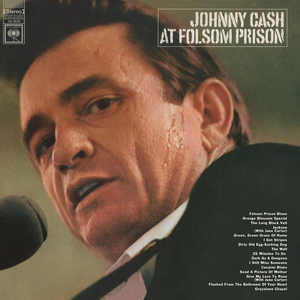
At Folsom Prison, Johnny Cash, 1968
A live prison album could have become a stunt. Johnny Cash made it feel like a moral weather system. Recorded at Folsom State Prison in January 1968 and released later that year, At Folsom Prison revived Cash's commercial fortunes and hardened the public image that had been gathering around him for years. The applause, jokes, song choices, and charged silence between lines are not incidental sound effects; they are the record's setting, almost its second instrument. Vinyl helps because the room stays intact from track to track. You hear Cash managing tension, humor, empathy, and outlaw theater in real time, with the Tennessee Three keeping the arrangements direct enough that the lyrics land. Early Columbia copies are not impossibly rare, but condition and mastering can change the experience, since crowd noise and vocal presence need clarity. It is country, folk, live album, and cultural document at once, which is exactly why it belongs beside rock and soul classics from the same year. Source.
-

Cheap Thrills, Big Brother and the Holding Company, 1968
Robert Crumb's cover art tells you immediately that Cheap Thrills is not trying to look tasteful. The music follows through: Big Brother and the Holding Company sound ragged, loud, ecstatic, and sometimes barely housebroken, while Janis Joplin turns imperfection into authority. The album is partly live in atmosphere even when studio work is involved, with fake and real stage energy tangled into a package that sold massively in 1968. "Piece of My Heart" is the obvious centerpiece, but the vinyl experience depends on hearing how Joplin fights and fuses with the band across a whole side. Collectors value the jacket almost as much as the record because the comic-panel design is one of the era's unmistakable sleeves. The tradeoff is that many copies have party wear, split seams, or groove damage from heavy tracking force. Do not expect audiophile neatness. The attraction is heat, personality, and a singer making the limitations around her sound like fuel. Source.
-
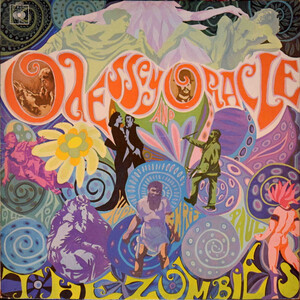
Odessey and Oracle, The Zombies, 1968
Odessey and Oracle has the most famous typo in this list, and the misspelled title fits the record's handmade charm. The Zombies recorded much of it at Abbey Road and Olympic after their initial run of singles success had faded, using a limited budget with extreme melodic discipline. The result is baroque pop that feels intimate rather than overdecorated: Mellotron color, tidy harmonies, elegant bass movement, and songs that often hide melancholy inside bright surfaces. "Time of the Season" became the delayed hit, reaching American listeners after the band had effectively broken up, which makes the album's afterlife unusually strange. On vinyl, side two's closing run is a quiet marvel, especially if your copy keeps vocal blends clean. Original U.K. CBS pressings are expensive, and many listeners will be happier with a careful reissue. Either way, this is a 1968 essential for collectors who like psych-pop with craft instead of sprawl. Source.
-
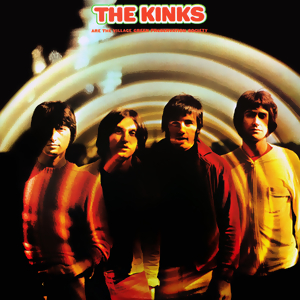
The Kinks Are the Village Green Preservation Society, The Kinks, 1968
Ray Davies built The Village Green Preservation Society like a small town that might disappear if nobody wrote it down. Released in the same year as louder, heavier, more obviously revolutionary albums, it chose character sketches, English nostalgia, wit, and melancholy detail. That modesty hurt its commercial impact at first, but it has made the album feel more unusual with time. The vinyl format suits it because the record plays like a photo album: short songs, carefully placed moods, and recurring concerns about memory, community, and modern life changing faster than people can process. The cover photograph is part of the spell, all pastoral calm while the songs quietly question whether preservation is possible. Collectors should pay attention to mono versus stereo preferences, later expanded editions, and the reality that original Pye copies are serious money. Its importance is not volume or technical spectacle. It is the confidence to make an LP about fragile things during a year that rewarded explosion. Source.
-
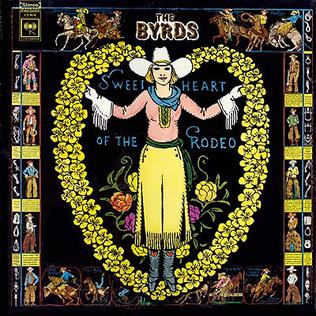
Sweetheart of the Rodeo, The Byrds, 1968
Country-rock did not begin with one album, but Sweetheart of the Rodeo gave the idea a landmark sleeve. Gram Parsons had only recently joined The Byrds, and his presence helped push the band toward Nashville material, pedal steel, and a seriousness about country music that confused parts of their rock audience. The album's history is also tangled with lead-vocal replacements and credit disputes, which makes different mixes and reissues interesting for collectors who care about versions. On the turntable, the record is lighter on psychedelic shimmer than earlier Byrds LPs, but the change in texture is the story: acoustic guitars, close harmonies, steel guitar, and songs by the Louvin Brothers, Merle Haggard, Bob Dylan, and Parsons himself. The rodeo-themed cover art looks charming now, yet the music was risky in 1968 because it crossed audience boundaries before the market knew what to call the result. It is a quiet pivot point with long consequences. Source.
-

Gris-Gris, Dr. John, the Night Tripper, 1968
Gris-Gris sounds as if it arrived from a humid room behind the main studio. Mac Rebennack, recording as Dr. John, built the album from New Orleans rhythm, voodoo imagery, psychedelic atmosphere, chanting, percussion, and studio weirdness that did not fit standard rock or soul categories. Its original commercial showing was modest, but its identity is so strong that collectors keep coming back to it. The vinyl draw is texture: hand drums, bass figures, murmured voices, guitar flickers, and arrangements that feel ritualistic without becoming museum costume. You should not expect the clean punch of a hit-driven 1968 LP. This record creeps, sways, and mutters, then locks into grooves that make more sense the deeper you listen. The cover art, with Dr. John's staged Night Tripper persona, is central to the object. A good copy turns a shelf into a portal, which sounds dramatic until the needle hits "Gris-Gris Gumbo Ya Ya. Source.
-
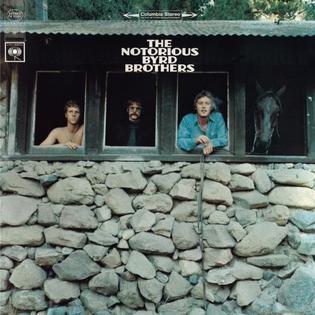
The Notorious Byrd Brothers, The Byrds, 1968
Band turmoil rarely sounds this graceful. The Notorious Byrd Brothers was made while The Byrds were losing members and arguing through the sessions, yet the finished album is one of their most polished and forward-looking records. It folds folk-rock harmonies into Moog synthesizer touches, pedal steel, phased textures, and songs that drift between pastoral calm and studio experimentation. The horse on the cover, famously standing in for an absent band member, gives collectors a visual joke with a sharper edge once they know the backstory. On vinyl, the album works because the production is detailed but not bloated. "Draft Morning" and "Wasn't Born to Follow" have an airy quality that rewards a clean pressing, while the electronic touches remind you that country-rock and psychedelia were not separate planets yet. This is not the obvious Byrds starting point for casual listeners, but for a 1968 shelf it captures a band changing shape under pressure. Source.
-

Waiting for the Sun, The Doors, 1968
The Doors' third album is sometimes treated as a lesser sibling to the debut and Strange Days, but collectors should not skip it. Waiting for the Sun gave the band its first U.S. number one LP and included "Hello, I Love You," a single direct enough to make Jim Morrison's myth feel radio-sized. The abandoned long-form piece "Celebration of the Lizard" left traces rather than taking over the record, which may be why the album feels more fragmented than their earlier work. That fragmentation is useful on vinyl: each side moves through concise songs, theatrical gestures, blues-rock, and the eerie closer "Five to One" without pretending to be a tidy concept. Original Elektra copies can sound vivid, but worn copies often turn Morrison's voice and Ray Manzarek's organ brittle. The cover's soft outdoor portrait contrasts with the darker pull inside. It is a snapshot of a major band trying to compress its ambitions into marketable shape. Source.
-

The Hangman's Beautiful Daughter, The Incredible String Band, 1968
"If your 1968 shelf only has guitars turned up to ten, The Hangman's Beautiful Daughter will rearrange the room. The Incredible String Band made psychedelic folk that drew on acoustic instruments, modal melodies, spiritual searching, whimsy, and genuinely odd structures. "A Very Cellular Song" fills most of side two and moves through fragments that can sound medieval, devotional, comic, and cosmic within minutes. That kind of sequence asks for vinyl patience because the album is less about hooks than immersion. The sleeve has the look of a private mythology, and original Elektra copies have become desirable among collectors who value British folk-psych as much as rock canon. This is not background dinner music unless your dinner guests are unusually tolerant of harmonium, gimbri, and metaphysical detours. Its value is that it expands what a 1968 collection can mean: not just power, protest, or pop perfection, but handmade strangeness pursued without embarrassment. Source.
-
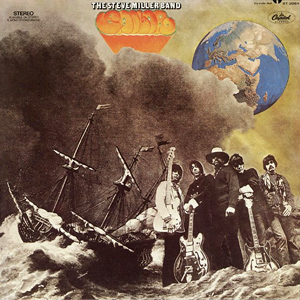
Sailor, Steve Miller Band, 1968
Before Steve Miller became shorthand for breezy 1970s radio, his band could sound bluesy, psychedelic, and surprisingly heavy. Sailor, their second album of 1968, was produced by Glyn Johns and includes the early classic "Living in the U.S.A.," with Ben Sidran on organ adding extra bite. The record is a useful collector pick because it sits between San Francisco looseness and more disciplined studio rock. You get harmonica, guitar bite, compact songwriting, and a band still close enough to the ballroom era to feel raw. The cover art has period color without the premium attached to more mythologized psychedelic sleeves, so it can be a satisfying value buy when clean copies appear. Vinyl playback gives the rhythm section more body than many digital versions, especially on tracks where the band leans into R&B motion. It is not the most famous album on this list, but it fills an important slot: late-60s American rock before the brand hardened. Source.
-

Vincebus Eruptum, Blue Cheer, 1968
Blue Cheer's debut is the blunt instrument in the room, and sometimes a vinyl collection needs one. Vincebus Eruptum opens with a pulverizing version of "Summertime Blues" that helped define the path toward heavy metal, proto-punk, and extreme volume as an aesthetic rather than a recording accident. The sound is overloaded, primitive, and not exactly refined, which is why chasing a perfectly polite pressing misses the point. You want impact, but you also want a copy that is not so trashed that distortion turns into gray mush. The album's place in 1968 is important because it shows the year was not only about sophisticated studio experimentation. It was also about amplification becoming a philosophy. The trio format leaves nowhere to hide: bass, drums, guitar, and vocals collide with almost comic force. Put it near Hendrix and the contrast is instructive. One record expands space; this one tries to knock a wall through it. Source.
What to buy first
If you are starting from zero, buy across the year instead of buying five variations on the same mood. Start with The Beatles, Electric Ladyland, Lady Soul, At Folsom Prison, and Music from Big Pink. Those five cover studio sprawl, psychedelic guitar architecture, soul authority, live country storytelling, and roots-rock ensemble playing. Add Odessey and Oracle or Village Green when you want melodic craft, then pick Vincebus Eruptum only when your speakers and neighbors are emotionally prepared.
For originals, inspect the disc before falling in love with the jacket. Late-60s rock and soul records often lived on changers, dorm-room systems, and party turntables. Look for groove wear, repeated spindle marks, split seams, missing posters, and mismatched discs. For expensive titles, compare matrix information and country of origin before buying. For everyday listening, a clean reissue can be the smartest copy in the room.
FAQ
What is the best 1968 album to buy first on vinyl?
Start with The Beatles if you want the widest map of the year, Electric Ladyland if you want studio psychedelia and guitar invention, Lady Soul if you want peak Atlantic soul, or At Folsom Prison if you want a live record that still feels immediate.
Are original 1968 pressings worth it?
Sometimes, but condition and completeness matter more than age alone. Original sleeves, inserts, posters, mono mixes, label variations, and country of origin can affect value, but a noisy original may be less satisfying than a clean modern reissue.
Why was 1968 such a strong album year?
Rock, soul, folk, country, blues, and psychedelia were all stretching the LP format at once. Artists used albums for longer narratives, bolder jackets, studio experiments, and sharper cultural statements rather than treating the LP as a container for singles.
How should I track a growing 1968 vinyl collection?
Track pressing notes, condition, mono or stereo version, inserts, and how often you actually play each copy. What's Spinning is useful here because it listens while you play records, then builds a real listening history instead of a wishful inventory.
A spreadsheet tracks what you own. What's Spinning identifies what's playing.
On-device vinyl ID logs your listening history automatically. 7-day free trial.
Looking for Shazam for vinyl?
What's Spinning identifies what's playing on your turntable on-device, logs history, and AirPlays now-playing to your TV.
Comparing vinyl ID apps?
Analog requires Discogs and is iPhone-first (iPad coming). What's Spinning works without Discogs on iPhone and iPad with AirPlay.
Try What's Spinning Free
Turn your iPad into a live now-playing display. Track every record you spin.
START FREE TRIALThen $4.99/mo or $39.99/yr · Cancel anytime