The Best Hardcore Punk Albums for Vinyl Collectors
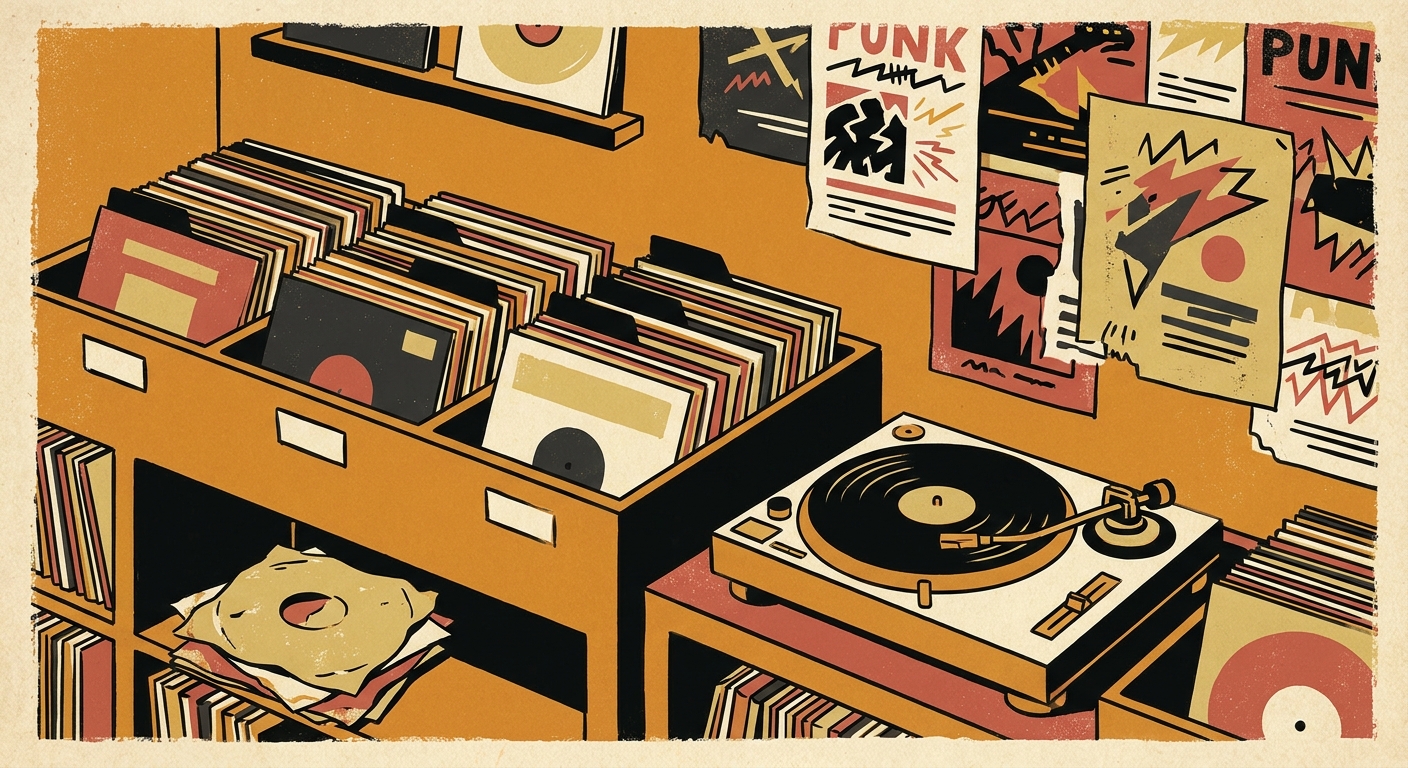
The best hardcore punk albums are not always the rarest records, the loudest records, or the most expensive originals on the wall behind the counter. They are the records that turned local scenes into something portable. Put one on a turntable and you hear a city, a basement, a label, a flyer table, a borrowed amp, and a room full of people discovering that a song could be over before the old rules even got comfortable.
That is exactly why hardcore is so rewarding for vinyl collectors. The format fits the culture. Early hardcore LPs, EPs, and compilations were physical networks: SST, Dischord, Frontier, Slash, Alternative Tentacles, Revelation, Profile, ROIR, Wishingwell, and Burning Heart all tell part of the story. Catalog numbers matter. Matrix etchings matter. Whether an album began as a cassette, a twelve-inch, a double LP, or a scrappy local pressing can change how collectors hear it.
This guide ranks 15 essential hardcore and hardcore-adjacent albums by influence, front-to-back listening value, pressing interest, and how much they reward actual record ownership. I included chart and certification information where it exists. For many classics, the honest answer is that they did not chart and were not certified. That is not a failure. It is the point. Hardcore built its canon underneath the official industry scoreboard.
The 15 best hardcore punk albums for record collectors
-
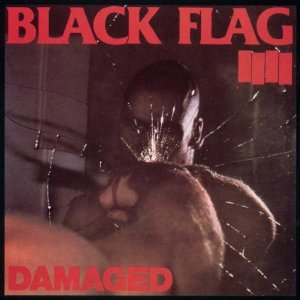
Damaged, Black Flag, 1981
Damaged belongs near the top of any list of the best hardcore punk albums because it proves how much force can fit on a slab of vinyl. Hardcore was never only about speed. The best records compress a scene, a room, a set of arguments, and a physical way of playing into thirty or forty minutes, sometimes much less. This album does that with unusual clarity. Its facts are part of the appeal: it appeared on Unicorn Records and SST, with SST 007 becoming the familiar collector reference, was produced by Spot and Black Flag, and is tied to Unicorn Studios in West Hollywood. The chart story is not a glossy major-label story, no documented Billboard 200 placement, and the certification record is equally underground, no RIAA certification found. That lack of mainstream trophy hardware is useful context, not a weakness, because hardcore traveled by mail order, flyers, zines, college radio, tiny labels, and people telling each other what actually mattered.
For vinyl collectors, the pressing conversation is where the album becomes more than a download with better cover art. The copy to study is usually clean early Unicorn or SST copies, especially copies with period-correct sleeve details and readable runouts. Hardcore originals are rarely quiet luxury objects. They were often played hard, stored badly, hauled to houses, or bought by teenagers who cared more about impact than inner sleeves. That makes clean copies meaningful, but it also means grading needs common sense. Ask for label photos, runout photos, and a play grade if the seller is asking real money. A VG-plus sleeve with honest corner wear can be preferable to a suspiciously perfect listing with no matrix details. Also pay attention to side length. Short hardcore albums can sound explosive because the grooves have room, while packed double albums need careful mastering to preserve punch.
Musically, the essentials are Rise Above, TV Party, Gimmie Gimmie Gimmie, and Police Story. They show why Black Flag still matters to people who collect, not just people who stream a playlist called punk classics. The sound is dry room sound, harsh guitar midrange, and Henry Rollins sounding like he is fighting the microphone. On a good turntable, that matters. A cartridge that handles inner-groove distortion well will keep the last songs from turning to sandpaper, and a system with tight bass will reveal how much of hardcore depends on kick drum and bass guitar discipline. If your setup makes every fast record sound like one gray blur, this album is a useful test record. You should hear aggression, but also edits, stops, vocal phrasing, and guitar texture.
Its larger importance is simple: the moment Los Angeles hardcore became a full album language: wounded, funny, furious, and impossible to separate from the culture around it. That is why collectors keep returning to it even when represses, bootlegs, and anniversary editions multiply. The first practical buying advice is to decide whether you want a historical object or a reliable listening copy. Originals carry the scene history and the thrill of the hunt, but a well-made reissue can be the smarter everyday spin. Either way, log the pressing, label, catalog number, condition, and how often you actually play it. A shelf of hardcore records should not become a trophy case. These albums were built to move air. Sources: album reference and Discogs release data.
-

Bad Brains, Bad Brains, 1982
Bad Brains belongs near the top of any list of the best hardcore punk albums because it proves how much force can fit on a slab of vinyl. Hardcore was never only about speed. The best records compress a scene, a room, a set of arguments, and a physical way of playing into thirty or forty minutes, sometimes much less. This album does that with unusual clarity. Its facts are part of the appeal: it appeared on ROIR A106, originally issued as a cassette before later vinyl editions became collector staples, was produced by Bad Brains and ROIR-associated credits that vary by issue, and is tied to 171-A Studios in New York, drawn from 1981 sessions. The chart story is not a glossy major-label story, no mainstream US album-chart placement found, and the certification record is equally underground, no RIAA certification found. That lack of mainstream trophy hardware is useful context, not a weakness, because hardcore traveled by mail order, flyers, zines, college radio, tiny labels, and people telling each other what actually mattered.
For vinyl collectors, the pressing conversation is where the album becomes more than a download with better cover art. The copy to study is usually the original ROIR cassette for historical purity, or early ROIR and PVC vinyl editions if the shelf goal is LP playback. Hardcore originals are rarely quiet luxury objects. They were often played hard, stored badly, hauled to houses, or bought by teenagers who cared more about impact than inner sleeves. That makes clean copies meaningful, but it also means grading needs common sense. Ask for label photos, runout photos, and a play grade if the seller is asking real money. A VG-plus sleeve with honest corner wear can be preferable to a suspiciously perfect listing with no matrix details. Also pay attention to side length. Short hardcore albums can sound explosive because the grooves have room, while packed double albums need careful mastering to preserve punch.
Musically, the essentials are Sailin On, Banned in D.C., Pay to Cum, and I and I Survive. They show why Bad Brains still matters to people who collect, not just people who stream a playlist called punk classics. The sound is lightning-fast rhythm-section changes, dub-reggae relief, and a live-room snap that still sounds dangerous. On a good turntable, that matters. A cartridge that handles inner-groove distortion well will keep the last songs from turning to sandpaper, and a system with tight bass will reveal how much of hardcore depends on kick drum and bass guitar discipline. If your setup makes every fast record sound like one gray blur, this album is a useful test record. You should hear aggression, but also edits, stops, vocal phrasing, and guitar texture.
Its larger importance is simple: the standard for speed, musicianship, and spiritual intensity in American hardcore. That is why collectors keep returning to it even when represses, bootlegs, and anniversary editions multiply. The first practical buying advice is to decide whether you want a historical object or a reliable listening copy. Originals carry the scene history and the thrill of the hunt, but a well-made reissue can be the smarter everyday spin. Either way, log the pressing, label, catalog number, condition, and how often you actually play it. A shelf of hardcore records should not become a trophy case. These albums were built to move air. Sources: album reference and Discogs release data.
-

Fresh Fruit for Rotting Vegetables, Dead Kennedys, 1980
Fresh Fruit for Rotting Vegetables belongs near the top of any list of the best hardcore punk albums because it proves how much force can fit on a slab of vinyl. Hardcore was never only about speed. The best records compress a scene, a room, a set of arguments, and a physical way of playing into thirty or forty minutes, sometimes much less. This album does that with unusual clarity. Its facts are part of the appeal: it appeared on Cherry Red B RED 10 in the UK, with important US-related editions through I.R.S., Faulty, and Alternative Tentacles, was produced by Norm and East Bay Ray, and is tied to Möbius Music in San Francisco. The chart story is not a glossy major-label story, a UK chart presence that helped make it one of the rare early hardcore-adjacent punk LPs with visible commercial reach, and the certification record is equally underground, no RIAA certification found. That lack of mainstream trophy hardware is useful context, not a weakness, because hardcore traveled by mail order, flyers, zines, college radio, tiny labels, and people telling each other what actually mattered.
For vinyl collectors, the pressing conversation is where the album becomes more than a download with better cover art. The copy to study is usually a UK Cherry Red first press or early Alternative Tentacles-associated copy with strong sleeve condition. Hardcore originals are rarely quiet luxury objects. They were often played hard, stored badly, hauled to houses, or bought by teenagers who cared more about impact than inner sleeves. That makes clean copies meaningful, but it also means grading needs common sense. Ask for label photos, runout photos, and a play grade if the seller is asking real money. A VG-plus sleeve with honest corner wear can be preferable to a suspiciously perfect listing with no matrix details. Also pay attention to side length. Short hardcore albums can sound explosive because the grooves have room, while packed double albums need careful mastering to preserve punch.
Musically, the essentials are California Uber Alles, Holiday in Cambodia, Kill the Poor, and Chemical Warfare. They show why Dead Kennedys still matters to people who collect, not just people who stream a playlist called punk classics. The sound is East Bay Ray guitar tone cutting through fast arrangements without turning into mud. On a good turntable, that matters. A cartridge that handles inner-groove distortion well will keep the last songs from turning to sandpaper, and a system with tight bass will reveal how much of hardcore depends on kick drum and bass guitar discipline. If your setup makes every fast record sound like one gray blur, this album is a useful test record. You should hear aggression, but also edits, stops, vocal phrasing, and guitar texture.
Its larger importance is simple: satirical hardcore with surf-guitar precision, political theater, and a catalog-number story collectors still parse. That is why collectors keep returning to it even when represses, bootlegs, and anniversary editions multiply. The first practical buying advice is to decide whether you want a historical object or a reliable listening copy. Originals carry the scene history and the thrill of the hunt, but a well-made reissue can be the smarter everyday spin. Either way, log the pressing, label, catalog number, condition, and how often you actually play it. A shelf of hardcore records should not become a trophy case. These albums were built to move air. Sources: album reference and Discogs release data.
-

Walk Among Us, Misfits, 1982
Walk Among Us belongs near the top of any list of the best hardcore punk albums because it proves how much force can fit on a slab of vinyl. Hardcore was never only about speed. The best records compress a scene, a room, a set of arguments, and a physical way of playing into thirty or forty minutes, sometimes much less. This album does that with unusual clarity. Its facts are part of the appeal: it appeared on Ruby Records JRR 804, was produced by Misfits, and is tied to Master Sound Productions, Mix-O-Lydian, Newfound Sound, and Quad Teck are tied to the album credits. The chart story is not a glossy major-label story, no Billboard 200 placement found, and the certification record is equally underground, no RIAA certification found. That lack of mainstream trophy hardware is useful context, not a weakness, because hardcore traveled by mail order, flyers, zines, college radio, tiny labels, and people telling each other what actually mattered.
For vinyl collectors, the pressing conversation is where the album becomes more than a download with better cover art. The copy to study is usually an original Ruby pink-cover copy, while avoiding later unofficial variants unless clearly labeled as such. Hardcore originals are rarely quiet luxury objects. They were often played hard, stored badly, hauled to houses, or bought by teenagers who cared more about impact than inner sleeves. That makes clean copies meaningful, but it also means grading needs common sense. Ask for label photos, runout photos, and a play grade if the seller is asking real money. A VG-plus sleeve with honest corner wear can be preferable to a suspiciously perfect listing with no matrix details. Also pay attention to side length. Short hardcore albums can sound explosive because the grooves have room, while packed double albums need careful mastering to preserve punch.
Musically, the essentials are 20 Eyes, Astro Zombies, Skulls, and Night of the Living Dead. They show why Misfits still matters to people who collect, not just people who stream a playlist called punk classics. The sound is compressed, melodic, and rough enough that the hooks feel carved into the groove. On a good turntable, that matters. A cartridge that handles inner-groove distortion well will keep the last songs from turning to sandpaper, and a system with tight bass will reveal how much of hardcore depends on kick drum and bass guitar discipline. If your setup makes every fast record sound like one gray blur, this album is a useful test record. You should hear aggression, but also edits, stops, vocal phrasing, and guitar texture.
Its larger importance is simple: the best gateway between hardcore speed, horror imagery, and the kind of singalong songwriting that turns record rooms into basement shows. That is why collectors keep returning to it even when represses, bootlegs, and anniversary editions multiply. The first practical buying advice is to decide whether you want a historical object or a reliable listening copy. Originals carry the scene history and the thrill of the hunt, but a well-made reissue can be the smarter everyday spin. Either way, log the pressing, label, catalog number, condition, and how often you actually play it. A shelf of hardcore records should not become a trophy case. These albums were built to move air. Sources: album reference and Discogs release data.
-

Group Sex, Circle Jerks, 1980
Group Sex belongs near the top of any list of the best hardcore punk albums because it proves how much force can fit on a slab of vinyl. Hardcore was never only about speed. The best records compress a scene, a room, a set of arguments, and a physical way of playing into thirty or forty minutes, sometimes much less. This album does that with unusual clarity. Its facts are part of the appeal: it appeared on Frontier Records FLP 1002, was produced by Circle Jerks-era studio credits are documented more consistently than a single canonical producer credit, and is tied to A&M Studios and Byrdcliffe Studios are commonly linked to the release. The chart story is not a glossy major-label story, no Billboard 200 placement found, and the certification record is equally underground, no RIAA certification found. That lack of mainstream trophy hardware is useful context, not a weakness, because hardcore traveled by mail order, flyers, zines, college radio, tiny labels, and people telling each other what actually mattered.
For vinyl collectors, the pressing conversation is where the album becomes more than a download with better cover art. The copy to study is usually a clean Frontier FLP 1002 copy with early matrix details, because short-side hardcore can get expensive fast. Hardcore originals are rarely quiet luxury objects. They were often played hard, stored badly, hauled to houses, or bought by teenagers who cared more about impact than inner sleeves. That makes clean copies meaningful, but it also means grading needs common sense. Ask for label photos, runout photos, and a play grade if the seller is asking real money. A VG-plus sleeve with honest corner wear can be preferable to a suspiciously perfect listing with no matrix details. Also pay attention to side length. Short hardcore albums can sound explosive because the grooves have room, while packed double albums need careful mastering to preserve punch.
Musically, the essentials are Deny Everything, I Just Want Some Skank, Beverly Hills, and Live Fast Die Young. They show why Circle Jerks still matters to people who collect, not just people who stream a playlist called punk classics. The sound is fast transients, minimal fat, and enough room around Keith Morris for every complaint to land. On a good turntable, that matters. A cartridge that handles inner-groove distortion well will keep the last songs from turning to sandpaper, and a system with tight bass will reveal how much of hardcore depends on kick drum and bass guitar discipline. If your setup makes every fast record sound like one gray blur, this album is a useful test record. You should hear aggression, but also edits, stops, vocal phrasing, and guitar texture.
Its larger importance is simple: eighteen minutes of Los Angeles hardcore distilled to its smallest, funniest, meanest working form. That is why collectors keep returning to it even when represses, bootlegs, and anniversary editions multiply. The first practical buying advice is to decide whether you want a historical object or a reliable listening copy. Originals carry the scene history and the thrill of the hunt, but a well-made reissue can be the smarter everyday spin. Either way, log the pressing, label, catalog number, condition, and how often you actually play it. A shelf of hardcore records should not become a trophy case. These albums were built to move air. Sources: album reference and Discogs release data.
-

(GI), Germs, 1979
(GI) belongs near the top of any list of the best hardcore punk albums because it proves how much force can fit on a slab of vinyl. Hardcore was never only about speed. The best records compress a scene, a room, a set of arguments, and a physical way of playing into thirty or forty minutes, sometimes much less. This album does that with unusual clarity. Its facts are part of the appeal: it appeared on Slash Records SR-103, was produced by Joan Jett, and is tied to Los Angeles sessions for Slash Records. The chart story is not a glossy major-label story, no Billboard 200 placement found, and the certification record is equally underground, no RIAA certification found. That lack of mainstream trophy hardware is useful context, not a weakness, because hardcore traveled by mail order, flyers, zines, college radio, tiny labels, and people telling each other what actually mattered.
For vinyl collectors, the pressing conversation is where the album becomes more than a download with better cover art. The copy to study is usually an original Slash SR-103 LP, with careful attention to jacket wear and runout details. Hardcore originals are rarely quiet luxury objects. They were often played hard, stored badly, hauled to houses, or bought by teenagers who cared more about impact than inner sleeves. That makes clean copies meaningful, but it also means grading needs common sense. Ask for label photos, runout photos, and a play grade if the seller is asking real money. A VG-plus sleeve with honest corner wear can be preferable to a suspiciously perfect listing with no matrix details. Also pay attention to side length. Short hardcore albums can sound explosive because the grooves have room, while packed double albums need careful mastering to preserve punch.
Musically, the essentials are Lexicon Devil, Manimal, What We Do Is Secret, and Richie Daggers Crime. They show why Germs still matters to people who collect, not just people who stream a playlist called punk classics. The sound is raw enough to feel unstable, but produced with just enough control that the songs keep their shape. On a good turntable, that matters. A cartridge that handles inner-groove distortion well will keep the last songs from turning to sandpaper, and a system with tight bass will reveal how much of hardcore depends on kick drum and bass guitar discipline. If your setup makes every fast record sound like one gray blur, this album is a useful test record. You should hear aggression, but also edits, stops, vocal phrasing, and guitar texture.
Its larger importance is simple: a pre-hardcore and hardcore bridge where chaos, charisma, and LA damage became a blueprint. That is why collectors keep returning to it even when represses, bootlegs, and anniversary editions multiply. The first practical buying advice is to decide whether you want a historical object or a reliable listening copy. Originals carry the scene history and the thrill of the hunt, but a well-made reissue can be the smarter everyday spin. Either way, log the pressing, label, catalog number, condition, and how often you actually play it. A shelf of hardcore records should not become a trophy case. These albums were built to move air. Sources: album reference and Discogs release data.
-

Milo Goes to College, Descendents, 1982
Milo Goes to College belongs near the top of any list of the best hardcore punk albums because it proves how much force can fit on a slab of vinyl. Hardcore was never only about speed. The best records compress a scene, a room, a set of arguments, and a physical way of playing into thirty or forty minutes, sometimes much less. This album does that with unusual clarity. Its facts are part of the appeal: it appeared on New Alliance Records NAR-012, was produced by Spot, and is tied to Total Access Recording in Redondo Beach. The chart story is not a glossy major-label story, no Billboard 200 placement found, and the certification record is equally underground, no RIAA certification found. That lack of mainstream trophy hardware is useful context, not a weakness, because hardcore traveled by mail order, flyers, zines, college radio, tiny labels, and people telling each other what actually mattered.
For vinyl collectors, the pressing conversation is where the album becomes more than a download with better cover art. The copy to study is usually an original New Alliance NAR-012 copy, with SST reissues serving as practical listening alternatives. Hardcore originals are rarely quiet luxury objects. They were often played hard, stored badly, hauled to houses, or bought by teenagers who cared more about impact than inner sleeves. That makes clean copies meaningful, but it also means grading needs common sense. Ask for label photos, runout photos, and a play grade if the seller is asking real money. A VG-plus sleeve with honest corner wear can be preferable to a suspiciously perfect listing with no matrix details. Also pay attention to side length. Short hardcore albums can sound explosive because the grooves have room, while packed double albums need careful mastering to preserve punch.
Musically, the essentials are Suburban Home, Bikeage, Im Not a Loser, and Hope. They show why Descendents still matters to people who collect, not just people who stream a playlist called punk classics. The sound is tight, bright, and fast, with Bill Stevensons drumming giving every hook a forward shove. On a good turntable, that matters. A cartridge that handles inner-groove distortion well will keep the last songs from turning to sandpaper, and a system with tight bass will reveal how much of hardcore depends on kick drum and bass guitar discipline. If your setup makes every fast record sound like one gray blur, this album is a useful test record. You should hear aggression, but also edits, stops, vocal phrasing, and guitar texture.
Its larger importance is simple: hardcore learning melody without losing speed, anxiety, or adolescent bite. That is why collectors keep returning to it even when represses, bootlegs, and anniversary editions multiply. The first practical buying advice is to decide whether you want a historical object or a reliable listening copy. Originals carry the scene history and the thrill of the hunt, but a well-made reissue can be the smarter everyday spin. Either way, log the pressing, label, catalog number, condition, and how often you actually play it. A shelf of hardcore records should not become a trophy case. These albums were built to move air. Sources: album reference and Discogs release data.
-
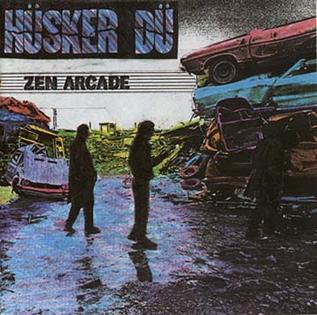
Zen Arcade, Husker Du, 1984
Zen Arcade belongs near the top of any list of the best hardcore punk albums because it proves how much force can fit on a slab of vinyl. Hardcore was never only about speed. The best records compress a scene, a room, a set of arguments, and a physical way of playing into thirty or forty minutes, sometimes much less. This album does that with unusual clarity. Its facts are part of the appeal: it appeared on SST Records SST 027, was produced by Spot and Husker Du, and is tied to Total Access in Redondo Beach. The chart story is not a glossy major-label story, no Billboard 200 placement found, and the certification record is equally underground, no RIAA certification found. That lack of mainstream trophy hardware is useful context, not a weakness, because hardcore traveled by mail order, flyers, zines, college radio, tiny labels, and people telling each other what actually mattered.
For vinyl collectors, the pressing conversation is where the album becomes more than a download with better cover art. The copy to study is usually an original SST double LP, because the side sequence and physical scale are central to the record. Hardcore originals are rarely quiet luxury objects. They were often played hard, stored badly, hauled to houses, or bought by teenagers who cared more about impact than inner sleeves. That makes clean copies meaningful, but it also means grading needs common sense. Ask for label photos, runout photos, and a play grade if the seller is asking real money. A VG-plus sleeve with honest corner wear can be preferable to a suspiciously perfect listing with no matrix details. Also pay attention to side length. Short hardcore albums can sound explosive because the grooves have room, while packed double albums need careful mastering to preserve punch.
Musically, the essentials are Something I Learned Today, Never Talking to You Again, Pink Turns to Blue, and Turn on the News. They show why Husker Du still matters to people who collect, not just people who stream a playlist called punk classics. The sound is a sheet of guitar noise wrapped around pop instincts, folk fragments, and punk velocity. On a good turntable, that matters. A cartridge that handles inner-groove distortion well will keep the last songs from turning to sandpaper, and a system with tight bass will reveal how much of hardcore depends on kick drum and bass guitar discipline. If your setup makes every fast record sound like one gray blur, this album is a useful test record. You should hear aggression, but also edits, stops, vocal phrasing, and guitar texture.
Its larger importance is simple: hardcore expanding into a concept album without smoothing out the distortion. That is why collectors keep returning to it even when represses, bootlegs, and anniversary editions multiply. The first practical buying advice is to decide whether you want a historical object or a reliable listening copy. Originals carry the scene history and the thrill of the hunt, but a well-made reissue can be the smarter everyday spin. Either way, log the pressing, label, catalog number, condition, and how often you actually play it. A shelf of hardcore records should not become a trophy case. These albums were built to move air. Sources: album reference and Discogs release data.
-
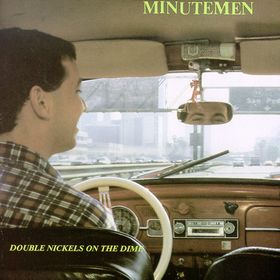
Double Nickels on the Dime, Minutemen, 1984
Double Nickels on the Dime belongs near the top of any list of the best hardcore punk albums because it proves how much force can fit on a slab of vinyl. Hardcore was never only about speed. The best records compress a scene, a room, a set of arguments, and a physical way of playing into thirty or forty minutes, sometimes much less. This album does that with unusual clarity. Its facts are part of the appeal: it appeared on SST Records SST 028, was produced by Ethan James, and is tied to Radio Tokyo in Venice, California, with some live material from Club Lingerie. The chart story is not a glossy major-label story, no Billboard 200 placement found, and the certification record is equally underground, no RIAA certification found. That lack of mainstream trophy hardware is useful context, not a weakness, because hardcore traveled by mail order, flyers, zines, college radio, tiny labels, and people telling each other what actually mattered.
For vinyl collectors, the pressing conversation is where the album becomes more than a download with better cover art. The copy to study is usually an original SST double LP, particularly because some early digital versions cut material to fit the format. Hardcore originals are rarely quiet luxury objects. They were often played hard, stored badly, hauled to houses, or bought by teenagers who cared more about impact than inner sleeves. That makes clean copies meaningful, but it also means grading needs common sense. Ask for label photos, runout photos, and a play grade if the seller is asking real money. A VG-plus sleeve with honest corner wear can be preferable to a suspiciously perfect listing with no matrix details. Also pay attention to side length. Short hardcore albums can sound explosive because the grooves have room, while packed double albums need careful mastering to preserve punch.
Musically, the essentials are Political Song for Michael Jackson to Sing, This Aint No Picnic, Corona, and History Lesson Part II. They show why Minutemen still matters to people who collect, not just people who stream a playlist called punk classics. The sound is lean bass, dry guitar, and drums that leave space where most punk bands would add noise. On a good turntable, that matters. A cartridge that handles inner-groove distortion well will keep the last songs from turning to sandpaper, and a system with tight bass will reveal how much of hardcore depends on kick drum and bass guitar discipline. If your setup makes every fast record sound like one gray blur, this album is a useful test record. You should hear aggression, but also edits, stops, vocal phrasing, and guitar texture.
Its larger importance is simple: hardcore values applied to funk, folk, jazz, working-class politics, and absurd concision. That is why collectors keep returning to it even when represses, bootlegs, and anniversary editions multiply. The first practical buying advice is to decide whether you want a historical object or a reliable listening copy. Originals carry the scene history and the thrill of the hunt, but a well-made reissue can be the smarter everyday spin. Either way, log the pressing, label, catalog number, condition, and how often you actually play it. A shelf of hardcore records should not become a trophy case. These albums were built to move air. Sources: album reference and Discogs release data.
-

The Age of Quarrel, Cro-Mags, 1986
The Age of Quarrel belongs near the top of any list of the best hardcore punk albums because it proves how much force can fit on a slab of vinyl. Hardcore was never only about speed. The best records compress a scene, a room, a set of arguments, and a physical way of playing into thirty or forty minutes, sometimes much less. This album does that with unusual clarity. Its facts are part of the appeal: it appeared on Profile Records PRO-1218, was produced by Chris Williamson is commonly documented in release histories, and is tied to East Side Sound in New York. The chart story is not a glossy major-label story, no Billboard 200 placement found, and the certification record is equally underground, no RIAA certification found. That lack of mainstream trophy hardware is useful context, not a weakness, because hardcore traveled by mail order, flyers, zines, college radio, tiny labels, and people telling each other what actually mattered.
For vinyl collectors, the pressing conversation is where the album becomes more than a download with better cover art. The copy to study is usually an original Profile PRO-1218 copy, while checking later Rock Hotel, GWR, and European variants carefully. Hardcore originals are rarely quiet luxury objects. They were often played hard, stored badly, hauled to houses, or bought by teenagers who cared more about impact than inner sleeves. That makes clean copies meaningful, but it also means grading needs common sense. Ask for label photos, runout photos, and a play grade if the seller is asking real money. A VG-plus sleeve with honest corner wear can be preferable to a suspiciously perfect listing with no matrix details. Also pay attention to side length. Short hardcore albums can sound explosive because the grooves have room, while packed double albums need careful mastering to preserve punch.
Musically, the essentials are We Gotta Know, World Peace, Malfunction, and Hard Times. They show why Cro-Mags still matters to people who collect, not just people who stream a playlist called punk classics. The sound is chunkier guitar mass and heavier low end than early LA or DC hardcore, built for impact. On a good turntable, that matters. A cartridge that handles inner-groove distortion well will keep the last songs from turning to sandpaper, and a system with tight bass will reveal how much of hardcore depends on kick drum and bass guitar discipline. If your setup makes every fast record sound like one gray blur, this album is a useful test record. You should hear aggression, but also edits, stops, vocal phrasing, and guitar texture.
Its larger importance is simple: the New York crossover point where hardcore heft, metal attack, and street-level urgency locked together. That is why collectors keep returning to it even when represses, bootlegs, and anniversary editions multiply. The first practical buying advice is to decide whether you want a historical object or a reliable listening copy. Originals carry the scene history and the thrill of the hunt, but a well-made reissue can be the smarter everyday spin. Either way, log the pressing, label, catalog number, condition, and how often you actually play it. A shelf of hardcore records should not become a trophy case. These albums were built to move air. Sources: album reference and Discogs release data.
-

Start Today, Gorilla Biscuits, 1989
Start Today belongs near the top of any list of the best hardcore punk albums because it proves how much force can fit on a slab of vinyl. Hardcore was never only about speed. The best records compress a scene, a room, a set of arguments, and a physical way of playing into thirty or forty minutes, sometimes much less. This album does that with unusual clarity. Its facts are part of the appeal: it appeared on Revelation Records Revelation:12, was produced by Don Fury is the key associated NYHC recording figure, and is tied to Demo Demo Studio. The chart story is not a glossy major-label story, no Billboard 200 placement found, and the certification record is equally underground, no RIAA certification found. That lack of mainstream trophy hardware is useful context, not a weakness, because hardcore traveled by mail order, flyers, zines, college radio, tiny labels, and people telling each other what actually mattered.
For vinyl collectors, the pressing conversation is where the album becomes more than a download with better cover art. The copy to study is usually an early Revelation:12 LP, with color, insert, and matrix details driving collector interest. Hardcore originals are rarely quiet luxury objects. They were often played hard, stored badly, hauled to houses, or bought by teenagers who cared more about impact than inner sleeves. That makes clean copies meaningful, but it also means grading needs common sense. Ask for label photos, runout photos, and a play grade if the seller is asking real money. A VG-plus sleeve with honest corner wear can be preferable to a suspiciously perfect listing with no matrix details. Also pay attention to side length. Short hardcore albums can sound explosive because the grooves have room, while packed double albums need careful mastering to preserve punch.
Musically, the essentials are New Direction, Stand Still, Start Today, and Cats and Dogs. They show why Gorilla Biscuits still matters to people who collect, not just people who stream a playlist called punk classics. The sound is crisp New York guitars, gang vocals, and enough bounce to make the message feel communal rather than preachy. On a good turntable, that matters. A cartridge that handles inner-groove distortion well will keep the last songs from turning to sandpaper, and a system with tight bass will reveal how much of hardcore depends on kick drum and bass guitar discipline. If your setup makes every fast record sound like one gray blur, this album is a useful test record. You should hear aggression, but also edits, stops, vocal phrasing, and guitar texture.
Its larger importance is simple: youth crew hardcore at its most optimistic, melodic, and still physically convincing. That is why collectors keep returning to it even when represses, bootlegs, and anniversary editions multiply. The first practical buying advice is to decide whether you want a historical object or a reliable listening copy. Originals carry the scene history and the thrill of the hunt, but a well-made reissue can be the smarter everyday spin. Either way, log the pressing, label, catalog number, condition, and how often you actually play it. A shelf of hardcore records should not become a trophy case. These albums were built to move air. Sources: album reference and Discogs release data.
-
Break Down the Walls, Youth of Today, 1987
Break Down the Walls belongs near the top of any list of the best hardcore punk albums because it proves how much force can fit on a slab of vinyl. Hardcore was never only about speed. The best records compress a scene, a room, a set of arguments, and a physical way of playing into thirty or forty minutes, sometimes much less. This album does that with unusual clarity. Its facts are part of the appeal: it appeared on Wishingwell WW4 first LP, later closely associated with Revelation REV008, was produced by Youth of Today and Don Fury-associated credits appear across issue histories, and is tied to Electric Reels Studio. The chart story is not a glossy major-label story, no Billboard 200 placement found, and the certification record is equally underground, no RIAA certification found. That lack of mainstream trophy hardware is useful context, not a weakness, because hardcore traveled by mail order, flyers, zines, college radio, tiny labels, and people telling each other what actually mattered.
For vinyl collectors, the pressing conversation is where the album becomes more than a download with better cover art. The copy to study is usually an original Wishingwell WW4 copy for scarcity, or a Revelation REV008 copy for the classic straight-edge shelf version. Hardcore originals are rarely quiet luxury objects. They were often played hard, stored badly, hauled to houses, or bought by teenagers who cared more about impact than inner sleeves. That makes clean copies meaningful, but it also means grading needs common sense. Ask for label photos, runout photos, and a play grade if the seller is asking real money. A VG-plus sleeve with honest corner wear can be preferable to a suspiciously perfect listing with no matrix details. Also pay attention to side length. Short hardcore albums can sound explosive because the grooves have room, while packed double albums need careful mastering to preserve punch.
Musically, the essentials are Make a Change, Break Down the Walls, Stabbed in the Back, and Youth of Today. They show why Youth of Today still matters to people who collect, not just people who stream a playlist called punk classics. The sound is lean, urgent, high-contrast hardcore that leaves room for every chorus to become a chant. On a good turntable, that matters. A cartridge that handles inner-groove distortion well will keep the last songs from turning to sandpaper, and a system with tight bass will reveal how much of hardcore depends on kick drum and bass guitar discipline. If your setup makes every fast record sound like one gray blur, this album is a useful test record. You should hear aggression, but also edits, stops, vocal phrasing, and guitar texture.
Its larger importance is simple: the clearest vinyl document of youth crew hardcore and straight-edge culture becoming a durable movement. That is why collectors keep returning to it even when represses, bootlegs, and anniversary editions multiply. The first practical buying advice is to decide whether you want a historical object or a reliable listening copy. Originals carry the scene history and the thrill of the hunt, but a well-made reissue can be the smarter everyday spin. Either way, log the pressing, label, catalog number, condition, and how often you actually play it. A shelf of hardcore records should not become a trophy case. These albums were built to move air. Sources: album reference and Discogs release data.
-

13 Songs, Fugazi, 1989
13 Songs belongs near the top of any list of the best hardcore punk albums because it proves how much force can fit on a slab of vinyl. Hardcore was never only about speed. The best records compress a scene, a room, a set of arguments, and a physical way of playing into thirty or forty minutes, sometimes much less. This album does that with unusual clarity. Its facts are part of the appeal: it appeared on Dischord Records Dischord 36, was produced by Ted Niceley and Fugazi are central to the EP-era credits, and is tied to Inner Ear Studios, Southern Studios, and Greenhouse Studio appear in the release history. The chart story is not a glossy major-label story, no Billboard 200 placement found, and the certification record is equally underground, no RIAA certification found. That lack of mainstream trophy hardware is useful context, not a weakness, because hardcore traveled by mail order, flyers, zines, college radio, tiny labels, and people telling each other what actually mattered.
For vinyl collectors, the pressing conversation is where the album becomes more than a download with better cover art. The copy to study is usually the original Dischord twelve-inch EPs for purist collecting, or 13 Songs for the cleanest front-to-back entry point. Hardcore originals are rarely quiet luxury objects. They were often played hard, stored badly, hauled to houses, or bought by teenagers who cared more about impact than inner sleeves. That makes clean copies meaningful, but it also means grading needs common sense. Ask for label photos, runout photos, and a play grade if the seller is asking real money. A VG-plus sleeve with honest corner wear can be preferable to a suspiciously perfect listing with no matrix details. Also pay attention to side length. Short hardcore albums can sound explosive because the grooves have room, while packed double albums need careful mastering to preserve punch.
Musically, the essentials are Waiting Room, Suggestion, Margin Walker, and Glue Man. They show why Fugazi still matters to people who collect, not just people who stream a playlist called punk classics. The sound is clear bass movement, sharp guitar space, and vocals that make restraint feel more explosive than volume. On a good turntable, that matters. A cartridge that handles inner-groove distortion well will keep the last songs from turning to sandpaper, and a system with tight bass will reveal how much of hardcore depends on kick drum and bass guitar discipline. If your setup makes every fast record sound like one gray blur, this album is a useful test record. You should hear aggression, but also edits, stops, vocal phrasing, and guitar texture.
Its larger importance is simple: post-hardcore without the museum label, built from discipline, groove, politics, and strict refusal to play the industry game. That is why collectors keep returning to it even when represses, bootlegs, and anniversary editions multiply. The first practical buying advice is to decide whether you want a historical object or a reliable listening copy. Originals carry the scene history and the thrill of the hunt, but a well-made reissue can be the smarter everyday spin. Either way, log the pressing, label, catalog number, condition, and how often you actually play it. A shelf of hardcore records should not become a trophy case. These albums were built to move air. Sources: album reference and Discogs release data.
-
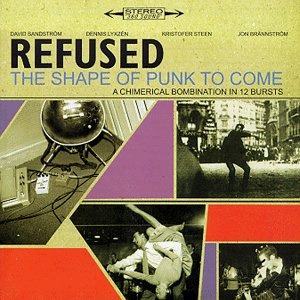
The Shape of Punk to Come, Refused, 1998
The Shape of Punk to Come belongs near the top of any list of the best hardcore punk albums because it proves how much force can fit on a slab of vinyl. Hardcore was never only about speed. The best records compress a scene, a room, a set of arguments, and a physical way of playing into thirty or forty minutes, sometimes much less. This album does that with unusual clarity. Its facts are part of the appeal: it appeared on Burning Heart BHR 071 and MoCliff 013, with Epitaph tied to wider release history, was produced by Pelle Henricsson and Eskil Lovstrom, and is tied to Tonteknik Recording in Umea, Sweden. The chart story is not a glossy major-label story, no US Billboard 200 placement found for the original release, and the certification record is equally underground, no RIAA certification found. That lack of mainstream trophy hardware is useful context, not a weakness, because hardcore traveled by mail order, flyers, zines, college radio, tiny labels, and people telling each other what actually mattered.
For vinyl collectors, the pressing conversation is where the album becomes more than a download with better cover art. The copy to study is usually an original Swedish Burning Heart LP, with many later Epitaph and Burning Heart reissues offering more accessible options. Hardcore originals are rarely quiet luxury objects. They were often played hard, stored badly, hauled to houses, or bought by teenagers who cared more about impact than inner sleeves. That makes clean copies meaningful, but it also means grading needs common sense. Ask for label photos, runout photos, and a play grade if the seller is asking real money. A VG-plus sleeve with honest corner wear can be preferable to a suspiciously perfect listing with no matrix details. Also pay attention to side length. Short hardcore albums can sound explosive because the grooves have room, while packed double albums need careful mastering to preserve punch.
Musically, the essentials are New Noise, The Refused Party Program, Summerholidays vs. Punkroutine, and The Deadly Rhythm. They show why Refused still matters to people who collect, not just people who stream a playlist called punk classics. The sound is wide, punchy, and unusually hi-fi for aggressive music, which makes vinyl mastering choices especially audible. On a good turntable, that matters. A cartridge that handles inner-groove distortion well will keep the last songs from turning to sandpaper, and a system with tight bass will reveal how much of hardcore depends on kick drum and bass guitar discipline. If your setup makes every fast record sound like one gray blur, this album is a useful test record. You should hear aggression, but also edits, stops, vocal phrasing, and guitar texture.
Its larger importance is simple: hardcore blasted open with electronics, jazz rhythm, manifesto writing, and huge dynamic production. That is why collectors keep returning to it even when represses, bootlegs, and anniversary editions multiply. The first practical buying advice is to decide whether you want a historical object or a reliable listening copy. Originals carry the scene history and the thrill of the hunt, but a well-made reissue can be the smarter everyday spin. Either way, log the pressing, label, catalog number, condition, and how often you actually play it. A shelf of hardcore records should not become a trophy case. These albums were built to move air. Sources: album reference and Discogs release data.
-

Glow On, Turnstile, 2021
Glow On belongs near the top of any list of the best hardcore punk albums because it proves how much force can fit on a slab of vinyl. Hardcore was never only about speed. The best records compress a scene, a room, a set of arguments, and a physical way of playing into thirty or forty minutes, sometimes much less. This album does that with unusual clarity. Its facts are part of the appeal: it appeared on Roadrunner Records, with US vinyl commonly documented around 1-654153, was produced by Turnstile and Mike Elizondo, and is tied to Phantom Studios in Gallatin, Tennessee, with mastering credits linked to Sterling Sound. The chart story is not a glossy major-label story, No. 30 on the Billboard 200, and the certification record is equally underground, no RIAA certification found. That lack of mainstream trophy hardware is useful context, not a weakness, because hardcore traveled by mail order, flyers, zines, college radio, tiny labels, and people telling each other what actually mattered.
For vinyl collectors, the pressing conversation is where the album becomes more than a download with better cover art. The copy to study is usually early Roadrunner color variants, limited runs, and clean 2021 copies before repress history gets tangled. Hardcore originals are rarely quiet luxury objects. They were often played hard, stored badly, hauled to houses, or bought by teenagers who cared more about impact than inner sleeves. That makes clean copies meaningful, but it also means grading needs common sense. Ask for label photos, runout photos, and a play grade if the seller is asking real money. A VG-plus sleeve with honest corner wear can be preferable to a suspiciously perfect listing with no matrix details. Also pay attention to side length. Short hardcore albums can sound explosive because the grooves have room, while packed double albums need careful mastering to preserve punch.
Musically, the essentials are Mystery, Blackout, Holiday, and T.L.C.. They show why Turnstile still matters to people who collect, not just people who stream a playlist called punk classics. The sound is big drums, polished low end, dream-pop color, and breakdowns that still connect to the floor. On a good turntable, that matters. A cartridge that handles inner-groove distortion well will keep the last songs from turning to sandpaper, and a system with tight bass will reveal how much of hardcore depends on kick drum and bass guitar discipline. If your setup makes every fast record sound like one gray blur, this album is a useful test record. You should hear aggression, but also edits, stops, vocal phrasing, and guitar texture.
Its larger importance is simple: proof that hardcore could reach a new mainstream audience without pretending its roots were embarrassing. That is why collectors keep returning to it even when represses, bootlegs, and anniversary editions multiply. The first practical buying advice is to decide whether you want a historical object or a reliable listening copy. Originals carry the scene history and the thrill of the hunt, but a well-made reissue can be the smarter everyday spin. Either way, log the pressing, label, catalog number, condition, and how often you actually play it. A shelf of hardcore records should not become a trophy case. These albums were built to move air. Sources: album reference and Discogs release data.
What to buy first
If you are starting a hardcore shelf from scratch, buy reliable listening copies before chasing trophy originals. The first five I would put on a turntable are Damaged, Bad Brains, Fresh Fruit for Rotting Vegetables, Milo Goes to College, and Start Today. That set gives you LA damage, DC speed, Bay Area satire, melodic SoCal pop-hardcore, and New York youth crew. Add The Age of Quarrel if you want the metal crossover path, then add Zen Arcade, Double Nickels on the Dime, and 13 Songs when you are ready to hear hardcore mutate into art punk and post-hardcore.
Condition advice is simple: do not overpay for nostalgia noise. Hardcore records should be aggressive, but they should not be unlistenably worn. Prioritize clean vinyl, honest grading, and complete packaging. If a seller cannot show labels and runouts on a high-priced copy, wait for another one.
Sources and further reading
- Wikipedia album pages and Wikimedia cover files
- Discogs master and release listings
- MusicBrainz release-group data
- Cover Art Archive image data
- RIAA Gold and Platinum database
- Billboard chart histories
FAQ
What is the best hardcore punk album to buy first on vinyl?
Start with Black Flag, Damaged, or Bad Brains, Bad Brains. Damaged gives you the Los Angeles SST story in one LP, while Bad Brains captures the speed, skill, and spiritual intensity that changed what American hardcore could be.
Are original hardcore punk pressings worth the money?
Sometimes, but not always. Originals carry scene history, label details, and collector value, but many were played hard. If you mainly want to listen, a clean official reissue can beat a noisy expensive first press. Buy originals when the condition, provenance, and matrix details justify the price.
Why do so many classic hardcore albums have no chart positions or certifications?
Hardcore grew through independent labels, mail order, zines, small shops, and touring networks rather than mainstream radio and major-label marketing. Many defining records never reached the Billboard 200 and never earned RIAA certification, yet they shaped punk, alternative rock, metalcore, post-hardcore, and indie music.
How should I track a hardcore punk vinyl collection?
Track artist, title, label, catalog number, pressing variant, matrix notes, condition, purchase price, and listening history. What’s Spinning is useful because it focuses on real vinyl listening, so your collection can reflect what you actually play, not only what you own.
A spreadsheet tracks what you own. What's Spinning identifies what's playing.
On-device vinyl ID logs your listening history automatically. 7-day free trial.
Looking for Shazam for vinyl?
What's Spinning identifies what's playing on your turntable on-device, logs history, and AirPlays now-playing to your TV.
Comparing vinyl ID apps?
Analog requires Discogs and is iPhone-first (iPad coming). What's Spinning works without Discogs on iPhone and iPad with AirPlay.
Try What's Spinning Free
Turn your iPad into a live now-playing display. Track every record you spin.
START FREE TRIALThen $4.99/mo or $39.99/yr · Cancel anytime
Get it on your iPhone
Open on iPhone