Best Intro to Post-Punk Vinyl: Essential Albums
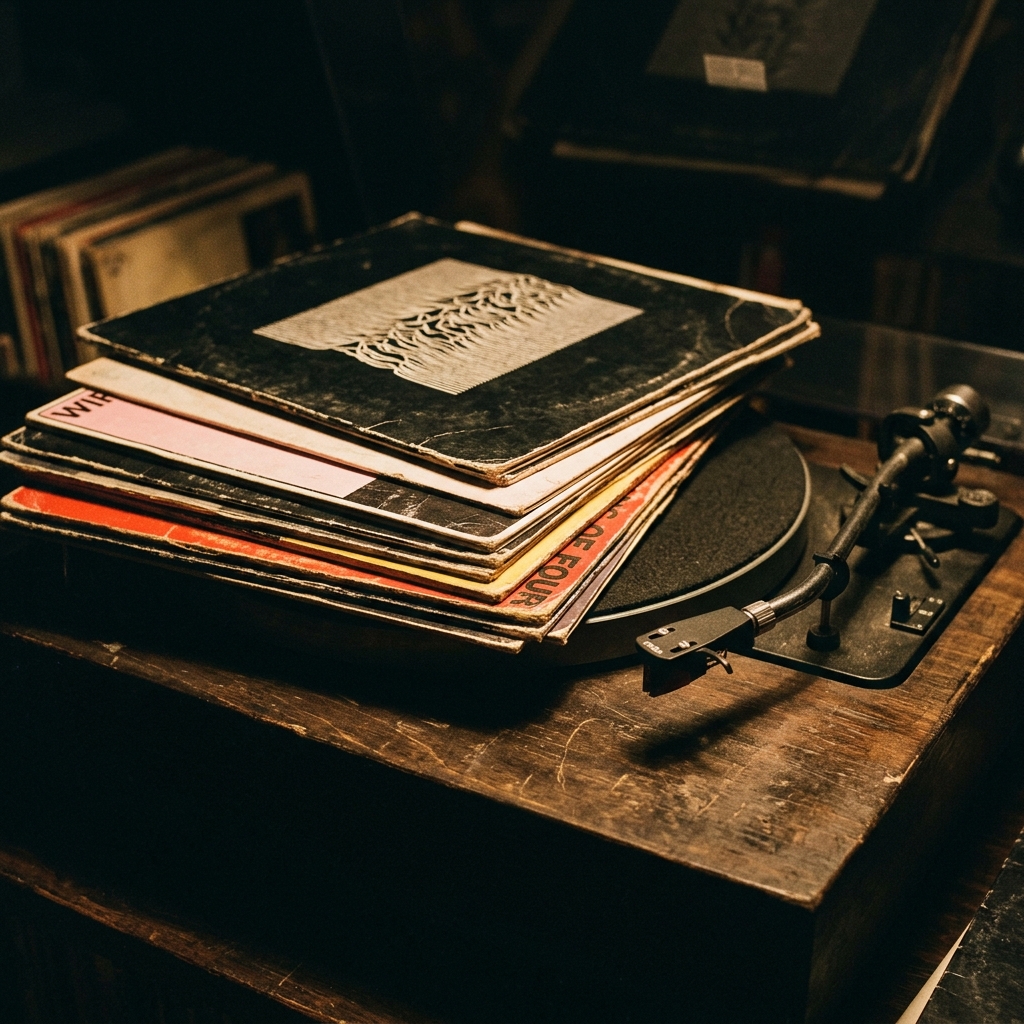
If you are new to post-punk, you have arrived at the right place. The genre exploded between 1977 and 1983, and it is the most rewarding detour you can take away from classic rock and punk. The bands below built the vocabulary for everything from goth to shoegaze to modern alternative radio. Start here, and you will hear the roots of Interpol, The Cure's later work, and even modern dream pop acts like Beach House.
This guide is built for new listeners. Ten essential albums, in an order that makes sense for someone who has never owned a post-punk record. Each pick includes the year, the label, why it matters, and what to look for on vinyl. We will close with a short FAQ and a note on pressing quality, since the post-punk reissue market is one of the most active in vinyl today.
What counts as post-punk, exactly
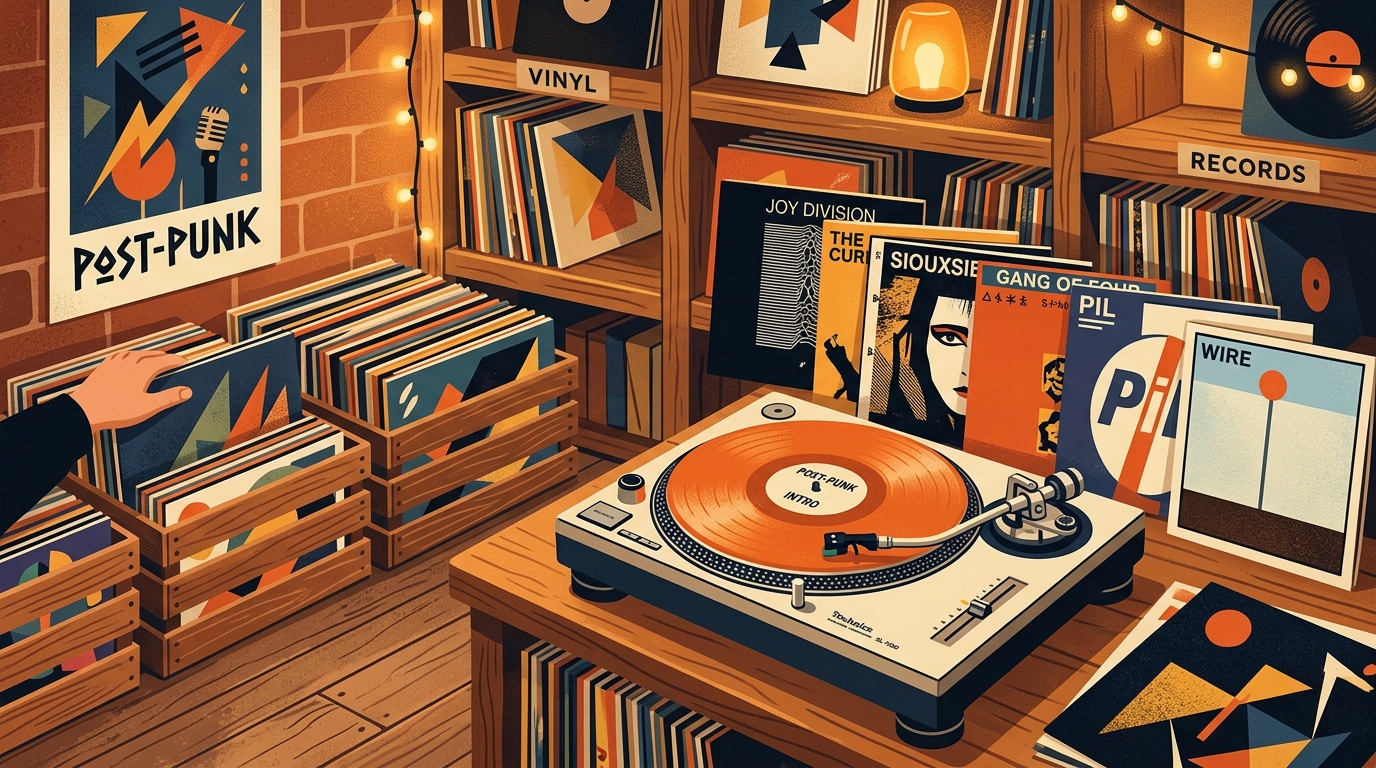
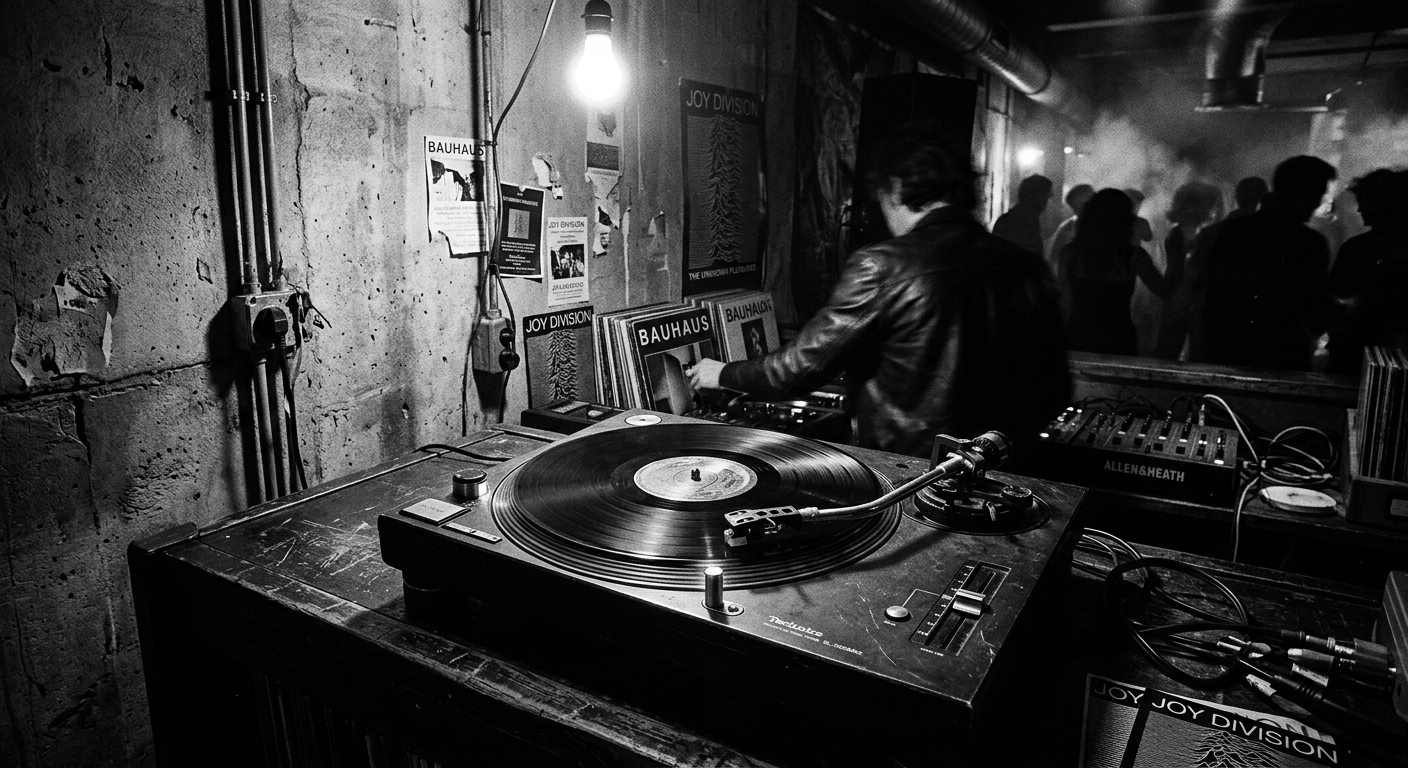
The short answer: post-punk is everything punk was not. Where punk stripped rock back to three chords and two minutes, post-punk artists used punk's energy as a launchpad for dub, funk, art rock, krautrock, and electronic music. Bass lines became lead instruments. Drum machines entered the picture. Lyrics turned inward, political, or poetic. The genre's signature acts (Joy Division, Wire, Gang of Four, Siouxsie and the Banshees, Talking Heads) shared a label or scene overlap, not a single sound.
The classic era runs from 1977 to roughly 1983. After that, the genre fractured into goth, industrial, new wave pop, and the early-1980s UK alternative scene. The ten albums below are the spine of that era. If you buy them all, you will have heard the source material that everyone else was quoting.
The ten essential post-punk albums on vinyl
1. Joy Division: Unknown Pleasures (1979, Factory Records)
The single most important post-punk album. Recorded in Manchester by producer Martin Hannett, who reportedly kept the studio so cold the band could see their breath. The bass (Peter Hook) sits high and melodic. The drums (Stephen Morris) are mechanical and distant. Ian Curtis sings like he already knows how this ends. The original Factory pressing is rare and expensive ($300+), but the 2015 remaster on 180g vinyl (reissued by Rhino in 2019) is the standard buy at around $25-35. Look for the textured-sleeve version; the artwork is iconic for a reason.
2. Television: Marquee Moon (1977, Elektra)
Some argue Marquee Moon is before post-punk, and they have a point. The album's interlocking guitar leads between Tom Verlaine and Richard Lloyd made the case that punk could be intricate and beautiful without losing its edge. The original US Elektra pressing is collectible ($60-150); the 2003 and 2012 reissues are widely available at $20-30. The title track is 10 minutes long and worth every second.
3. Wire: Chairs Missing (1978, Harvest)
Wire's second album pivoted from their debut Pink Flag's minimalist punk into stranger territory: synthesizers, dub production, and songs that feel like short stories. The 2018 reissue on pink vinyl is the most attractive pressing, and the regular black-vinyl 2018 reissue is widely available at $20-25. Essential for understanding how punk evolved into something more cerebral.
4. Gang of Four: Entertainment! (1979, EMI)
The most politically charged record on this list. Gang of Four merged Marxist theory with angular funk-punk; the bass and guitar lock into a single groove, then the lyrics cut through with a dry wit. The Andy Gill guitar tone is unmistakable. The 2014 reissue and the 2021 remaster are both strong; look for either at $20-30. Tracks like "Damaged Goods" and "At Home He's a Tourist" still sound ahead of their time.
5. Talking Heads: Remain in Light (1980, Sire)
The most accessible entry point on the list. Talking Heads' fourth album is where they merged art-funk with afrobeat and Adrian Belew's guitar loops, producing their only US Billboard top 20 record and the hit "Once in a Lifetime." The 2018 remastered reissue is widely available at $25-35 and is a clear upgrade over older pressings. The original 1980 Sire pressing is collectible but the remaster is the modern buy.
6. Public Image Ltd: Metal Box (1979, Virgin)
John Lydon's post-Sex Pistols project at its most uncompromising. The original release came in an actual metal film canister, which is why later reissues renamed it Second Edition. The music is dub-influenced, droning, and hypnotic. Jah Wobble's bass is the lead instrument. The 2016 and 2020 reissues on standard vinyl ($25-35) are the easiest way in; look for the PiL official reissue series if you want the best pressing.
7. Siouxsie and the Banshees: Juju (1981, Polydor)
The Banshees' commercial peak and the album where former Magazine guitarist John McGeoch reshaped their sound. Tracks like "Hong Kong Garden," "Halloween," and "Night Shift" remain goth staples. The 2018 and 2022 reissues are the easiest vinyl buys at $25-35. The original UK Polydor pressing is collectible at $80+ for clean copies.
8. The Cure: Pornography (1982, Fiction)
Robert Smith's bleakest record, and a high-water mark for UK goth. The opening three-song stretch ("One Hundred Years," "A Short Term Effect," "The Hanging Garden") is one of the great opening salvos in 1980s alternative music. The 2018 and 2022 reissues are clean, quiet pressings at $25-30. The original Fiction pressing is collectible but the reissue is the right buy for a new listener.
9. New Order: Power, Corruption and Lies (1983, Factory)
The pivot from Joy Division. New Order rebuilt themselves around drum machines and synth bass, and Power, Corruption and Lies is the breakthrough. Peter Saville's floral artwork is as iconic as anything from the era. The 2020 remaster on 180g vinyl ($30-40) is the standard buy; older Factory and Qwest pressings are collectible.
10. Echo and the Bunnymen: Ocean Rain (1984, Sire)
The closing pick on the list, and the most underrated. Ocean Rain is post-punk leaning into baroque pop, with strings arranged by Adam Peters. Ian McCulloch's voice is at its peak. The 2018 reissue is widely available at $25-30, and the original Sire pressing is a slow-burn collectible.
Pressing quality notes for new collectors
The post-punk reissue market is mature. Most major albums above have been remastered at least once since 2010, and the 2018-2022 reissues are uniformly strong. If you see a colored vinyl pressing from a major label (Rhino, Polydor, Fiction, EMI, Sire), it is usually sourced from the same remaster as the standard black pressing and is worth a small premium if you like the color. Bootlegs and unofficial reissues are common for rare titles; stick to official label releases.
Where to start if you only buy three
Unknown Pleasures, Entertainment!, and Remain in Light. Those three albums cover the emotional, political, and accessible poles of the genre. From there, follow your taste: Joy Division leads to New Order and The Cure; Gang of Four leads to Wire and PiL; Talking Heads leads to Tom Tom Club and the broader downtown NYC scene.
FAQ
Is post-punk the same as new wave?
No, though they overlap heavily. New wave leans pop and electronic; post-punk leans darker and more experimental. Siouxsie and the Banshees straddle both labels.
Do I need to own all ten to start?
No. Start with two or three and see what clicks. Joy Division, Gang of Four, and Talking Heads are the three most-cited entry points in listener surveys.
What is the best pressing of Unknown Pleasures for under $50?
The 2019 Rhino 180g reissue is the standard recommendation. Clean, quiet, and widely available.
Are there newer post-punk bands worth exploring after these ten?
Yes. Interpol's Turn on the Bright Lights (2002), Savages' Silence Yourself (2013), and Shame's Songs of Praise (2018) are the most-cited 21st-century entry points.
Final thoughts
Post-punk is one of the few rock genres where the original vinyl pressings, the 1990s CD-era reissues, and the modern remastered vinyl releases are all worth owning. The music rewards careful listening in a way that few genres do, and the vinyl format brings out the production details that make these records special. Start with the albums above, build out from there, and trust your ear.
A spreadsheet tracks what you own. What's Spinning identifies what's playing.
On-device vinyl ID logs your listening history automatically. 7-day free trial.
Looking for Shazam for vinyl?
What's Spinning identifies what's playing on your turntable on-device, logs history, and AirPlays now-playing to your TV.
Comparing vinyl ID apps?
Analog requires Discogs and is iPhone-first (iPad coming). What's Spinning works without Discogs on iPhone and iPad with AirPlay.
Try What's Spinning Free
Turn your iPad into a live now-playing display. Track every record you spin.
START FREE TRIALThen $4.99/mo or $39.99/yr · Cancel anytime