Best Vinyl Albums to Gift a Music Lover
Choosing the best vinyl albums to gift is harder than grabbing the most famous title in the store. A good gift LP should sound satisfying, look great in the jacket, survive repeat plays, and say something thoughtful about the person receiving it. Vinyl is still a meaningful format too. RIAA year-end reporting has shown vinyl as one of the strongest parts of the physical music market, with LPs and EPs remaining a major revenue driver after years of growth [1]. That popularity means there are more reissues, more gift editions, and more ways to buy smart than there were a decade ago.
This list is built for real gift giving, not just canon worship. The albums below are widely loved, but each earns its place for a specific vinyl reason: side sequencing, production, cover art, emotional range, pressing availability, or the way the record can introduce someone to a whole shelf of music. If your recipient uses What's Spinning, these are also the kind of records that make a listening history feel alive, because they are albums people actually return to rather than titles they file away.
One practical rule before the list: condition beats mythology. A clean new reissue usually makes a better gift than a noisy original bought only for bragging rights. If you do buy used, inspect the vinyl under strong light, check the sleeve, and avoid copies with groove wear on quiet albums.
The 20 best vinyl albums to gift

1. Kind of Blue, Miles Davis, 1959. Start with the record that can make a jazz skeptic understand the whole appeal in ten minutes. Kind of Blue was recorded for Columbia in 1959 with John Coltrane, Cannonball Adderley, Bill Evans, Paul Chambers, Jimmy Cobb, and Wynton Kelly, and its modal approach gave the players room to phrase rather than sprint. That makes it a quietly spectacular gift: even a modest turntable can reveal the space around the trumpet, the grain in the cymbals, and the unhurried authority of the bass. The album is also famously easy to live with. It works at dinner, late at night, during careful listening, and as the first jazz LP for someone who mostly owns rock or soul. For buyers, the gift advice is simple: prioritize a clean, quiet pressing over novelty packaging. Surface noise fights this music more than it fights louder rock records, because so much of the magic happens in the pauses and decays. Source.
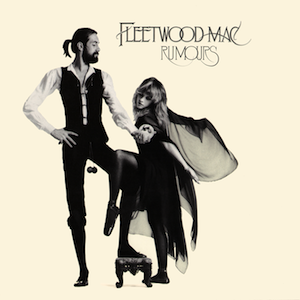
2. Rumours, Fleetwood Mac, 1977. Few gift records feel as immediately safe and secretly complicated as Rumours. It is packed with songs nearly everyone recognizes, yet the backstory gives the LP real weight: Fleetwood Mac recorded much of it in California while internal relationships were collapsing, with Ken Caillat and Richard Dashut helping turn personal wreckage into radio-polished craft. The sequencing is the gift. Side one moves from the bounce of "Second Hand News" to the shadow of "The Chain," while side two keeps the emotional temperature changing without ever feeling scattered. Copies are everywhere, but that is not the same as saying every copy is good. Original pressings can be rewarding, but many were played hard on living-room changers. For a present, a clean modern reissue is often kinder than a battered vintage copy with groove wear in the choruses. The recipient gets the songs, the sleeve, and a record that still feels communal. Source.
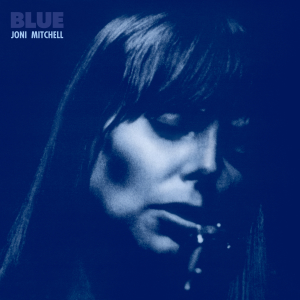
3. Blue, Joni Mitchell, 1971. Give Blue to the person who listens for lyrics first, then notices the room around them. Joni Mitchell wrote and produced the album herself, and the recording has the plainspoken intimacy of someone refusing to hide behind arrangement. Piano, dulcimer, guitar, and voice carry most of the emotional load, which is exactly why vinyl condition matters. A noisy copy can turn vulnerability into distraction. The gift value comes from the way the record rewards attention without demanding academic listening. "A Case of You" and "River" are famous for good reason, but the album lands hardest as a complete self-portrait. It is also a tasteful counterweight to louder gift choices. If the person already owns big rock staples, Blue gives the shelf something quieter and more durable. Look for a well-reviewed reissue or a carefully graded used copy, and check the sleeve because the deep blue portrait is part of the experience. Source.

4. The Dark Side of the Moon, Pink Floyd, 1973. The obvious choice is obvious because it keeps working. The Dark Side of the Moon was developed from Pink Floyd's live performances and shaped into a studio concept album about pressure, time, money, conflict, and mortality. On vinyl, the appeal is partly theatrical: heartbeats, clocks, spoken fragments, synth textures, and David Gilmour's guitar all arrive with deliberate pacing. It is a spectacular gift for someone who likes to sit between speakers and let a side play from start to finish. The cover by Hipgnosis is another reason it belongs on this list. That prism has become shorthand for the idea of the album as an object, not just a set of tracks. Buying is pleasantly flexible. There are many pressings at many budgets, from common used copies to anniversary editions. For a gift, avoid groove-worn bargain-bin copies. The quiet passages and transitions expose damage, especially between "Speak to Me" and "Breathe" and during the clocks in "Time." Source.

5. Abbey Road, The Beatles, 1969. If you need one Beatles LP for a gift, Abbey Road is the elegant compromise between universal recognition and serious album craft. It was the last album the Beatles recorded together, even though Let It Be came out later, and that history gives the record a natural farewell glow. The first side has individual peaks, including "Come Together" and "Something," but the second-side medley is why vinyl collectors keep returning to it. The format supports the architecture: short pieces link, resolve, and reappear in a way streaming playlists tend to flatten. The sleeve is also nearly impossible to overstate as a cultural image. For gifting, the recent stereo reissues are easy to find and generally sensible, while older copies vary wildly because Beatles records were often loved to death. A clean jacket makes this feel like an event before the needle even reaches the lead-in groove. Source.

6. Songs in the Key of Life, Stevie Wonder, 1976. Some gifts feel generous before they are even played. Songs in the Key of Life was released as a sprawling Stevie Wonder statement at the peak of his 1970s run, originally arriving as a double LP with an extra EP in many editions. That physical abundance suits the music. It moves through funk, soul, jazz, pop, social commentary, childhood memory, and spiritual gratitude without shrinking Wonder's imagination to a single mood. On a turntable, the side breaks help the scale feel inviting instead of overwhelming. You can give someone a side, not a homework assignment. It is especially good for the listener who already owns the obvious rock canon and needs a record that expands the emotional range of the shelf. When buying used, confirm all discs are included. Missing bonus material, mismatched sleeves, and tired inner sleeves are common with older multi-disc sets. A complete, clean copy feels like a box of sunlight. Source.
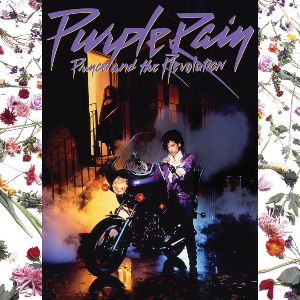
7. Purple Rain, Prince and the Revolution, 1984. Nothing about Purple Rain feels modest, which is exactly why it makes such a good gift. Prince built it as a soundtrack, a band showcase, a pop takeover, and a guitar-hero calling card all at once. The Revolution matter here. The record has the density of a studio mastermind, but the performances still feel staged under lights, with drums, synths, and guitar pushing against each other. The title track's long build is a vinyl moment in the old-fashioned sense, a closer that asks the room to stop multitasking. As a gift, it suits people who like pop but do not want something lightweight. It also gives collectors a jacket that instantly reads from across a room. Used copies can be fine, but watch for inner-sleeve splits and noisy copies near the end of side two. A clean reissue is usually the least stressful way to hand someone the purple motorcycle fantasy intact. Source.
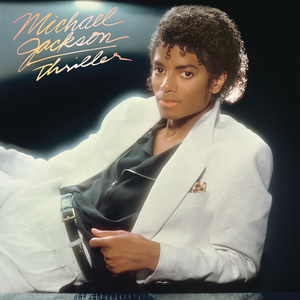
8. Thriller, Michael Jackson, 1982. For sheer recognizability, Thriller is almost unfair. Produced by Quincy Jones and recorded at Westlake in Los Angeles, it turns pop, R&B, rock guitar, post-disco rhythm, and movie-monster camp into one compact LP. The gift case is not just that it sold in historic numbers. It is that the record still functions as a demonstration disc for arrangement. Listen to how much space sits around the bass lines, handclaps, background vocals, and synth parts. Every hook has its own lane. That clarity plays well on vinyl when the pressing is not trashed, and plenty of older copies are trashed because the album was played at parties for decades. If you buy vintage, inspect carefully for scratches and groove wear. If you buy new, choose a standard edition over gimmicky variants unless the recipient is a completist. This is a record for someone who wants a guaranteed shared listen, not a private obscurity. Source.
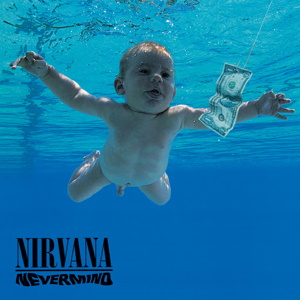
9. Nevermind, Nirvana, 1991. A great gift album does not have to be polite. Nevermind hit in 1991 with Butch Vig's production giving Nirvana just enough polish for radio without sanding off the band's unease. On vinyl, the record's dynamics are part of the appeal: quiet verses, explosive choruses, and Dave Grohl's drums landing with physical force. The cover remains one of the most recognizable images of 1990s rock, which makes the object feel iconic even before the first chord of "Smells Like Teen Spirit." This is the right present for someone whose collection leans too heavily toward classic rock and needs a clean line into alternative music. Pressing choice matters because some versions of 1990s albums can sound squeezed or inconsistent. Read recent listener notes before buying, and avoid copies with novelty value but poor playback reputation. The recipient should be able to turn it up without the top end turning brittle. Source.
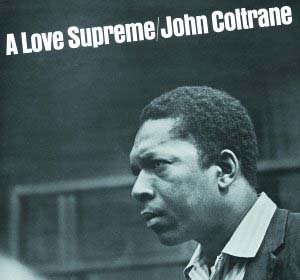
10. A Love Supreme, John Coltrane, 1965. Where Kind of Blue invites newcomers in gently, A Love Supreme gives them the spiritual center of modern jazz. John Coltrane recorded the suite in one session at Rudy Van Gelder's Englewood Cliffs studio with McCoy Tyner, Jimmy Garrison, and Elvin Jones. The music is devotional without feeling museum-bound, organized into movements that make the LP format feel natural. It is a strong gift for someone who already has Miles Davis or Charles Mingus and is ready for a deeper, more intense listen. The pressing question is important because the quartet's power lives in both impact and silence. Elvin Jones's cymbals need air, Garrison's bass figure needs definition, and Coltrane's horn should not feel trapped behind noise. Modern audiophile editions can be excellent, but even a standard clean pressing carries the ceremony. Include a note telling the recipient to play it when they can give it real attention. Source.

11. What's Going On, Marvin Gaye, 1971. Marvin Gaye's What's Going On is the soul album to give when you want beauty and moral seriousness in the same sleeve. Released by Motown in 1971, it broke from the label's singles-first machinery with a song cycle about war, poverty, ecology, faith, and community. The transitions matter. Voices drift in, strings soften the edges, bass lines move with quiet insistence, and Gaye's multi-tracked vocals make the album feel like a conversation with himself. That makes vinyl the right format because the songs blur into a shared atmosphere instead of arriving as isolated statements. Gift buyers should be careful with condition. A lot of older soul LPs have lived full lives, and this one has passages where crackle can compete with the arrangement. A fresh reissue is a respectful choice. It lets the recipient hear the warmth, percussion, and low-end movement without treating the record as a fragile artifact. Source.
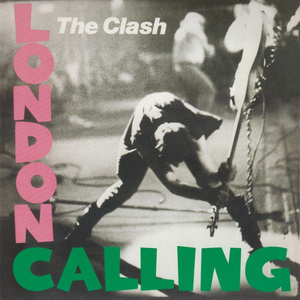
12. London Calling, The Clash, 1979. The Clash made London Calling feel like a record collection arguing with itself. Punk is still present, but so are reggae, rockabilly, ska, R&B, and sharp political observation. That variety is why it works so well as a gift. The recipient gets a gateway into punk without receiving a narrow genre exercise. The famous Pennie Smith cover photo, with Paul Simonon smashing his bass, also gives the LP immediate wall-leaning power. Historically, the album is interesting because it arrived as a double record but was priced generously in many markets, a very Clash move that turned abundance into principle. On vinyl, the sides keep the sprawl manageable. One side can be rowdy, another sly, another surprisingly melodic. Check used copies for side splits and worn corners, because the jacket is part of the fun. If the listener likes songs with a point of view, this is a gift that keeps throwing sparks. Source.

13. OK Computer, Radiohead, 1997. Give OK Computer to the person who treats headphones, speakers, and liner notes as separate hobbies. Radiohead recorded a large part of the album away from conventional studio routine, with Nigel Godrich helping shape a sound that feels both human and unnerved by technology. The vinyl appeal is not nostalgia, because this is not an old analog comfort record. It is about scale and texture: guitars bloom and curdle, voices drift in odd spaces, and the quieter moments make the loud ones feel architectural. Because original 1990s vinyl can be expensive and inconsistent, a well-regarded modern pressing is usually the practical gift. The album also has enough cultural weight to impress someone who already owns the obvious classics, but it still plays like a living record rather than a trophy. It is anxious, melodic, beautiful, and just difficult enough to feel personal. Source.
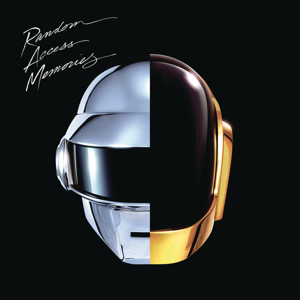
14. Random Access Memories, Daft Punk, 2013. A modern vinyl gift should justify the format, and Random Access Memories does. Daft Punk built the album around live players, high-end studio craft, and a deliberate love of 1970s and early 1980s recording values. Nile Rodgers, Giorgio Moroder, Pharrell Williams, and others are not decorative guests; they help the record argue for musicianship inside dance music. The LP version gives the production room to show off, especially the bass, drum ambience, and glossy stereo image. It is a smart present for someone with electronic taste who might not want another classic-rock reissue. The packaging also feels substantial, which matters when the gift is physical. Because this album arrived during the vinyl revival, clean copies are not mythical, though prices can move around. Choose a legitimate pressing, avoid suspiciously cheap unofficial copies, and let "Giorgio by Moroder" do the explanatory work. Source.

15. Back to Black, Amy Winehouse, 2006. Amy Winehouse's Back to Black is a gift with instant emotional access. Mark Ronson and Salaam Remi helped frame her voice with girl-group drums, soul horns, reggae touches, and spare arrangements that leave the writing exposed. The album is short enough to avoid ceremony, but heavy enough that it never feels casual. On vinyl, the appeal is Winehouse's phrasing: the way she leans behind the beat, sharpens a joke, or makes a line sound bruised without asking for pity. It is especially good for listeners who want newer records on their shelf but still gravitate toward older soul and jazz textures. Pressing quality varies, so check current reviews before buying. The best copy is one that keeps the vocals centered and the low end firm without turning the upper mids harsh. As a present, it says you respect the recipient's taste, but you are not trying to impress them with obscurity. Source.

16. Buena Vista Social Club, Buena Vista Social Club, 1997. Not every essential gift record has to come from the Anglo-American canon. Buena Vista Social Club gathers Cuban musicians including Compay Segundo, Ibrahim Ferrer, Rubén González, and Omara Portuondo in sessions associated with Ry Cooder and World Circuit. The album's warmth makes it almost dangerously giftable: piano, guitar, trumpet, percussion, and voices seem to arrive with dust, sunlight, and deep musical memory attached. It works for dinner, focused listening, and for anyone whose collection could use more global breadth. The record also has a built-in story, which helps when you are giving it to someone who likes context. Vinyl buyers should look for editions with quiet surfaces and decent packaging, because this music is full of small percussive details and room tone. It is the rare album that can feel relaxed on first play and historically rich on the tenth. Source.

17. Tapestry, Carole King, 1971. Carole King's Tapestry is the gift for someone who loves songs more than scenes. Released in 1971, it helped define the singer-songwriter album as a domestic, intimate, emotionally direct form. The piano is central, but the record never feels small. "I Feel the Earth Move" has muscle, "It's Too Late" has adult pop poise, and "You've Got a Friend" still works because it refuses cleverness in favor of plain generosity. On vinyl, the modest production is the feature. You are not buying fireworks; you are buying closeness. Used copies are common, but many have been played for decades, so inspect carefully for inner-groove distortion and dull surfaces. A clean copy makes an excellent gift for parents, partners, and friends who appreciate craft without needing an explainer. It is also a useful reminder that a canonical record can be comforting without becoming background wallpaper. Source.
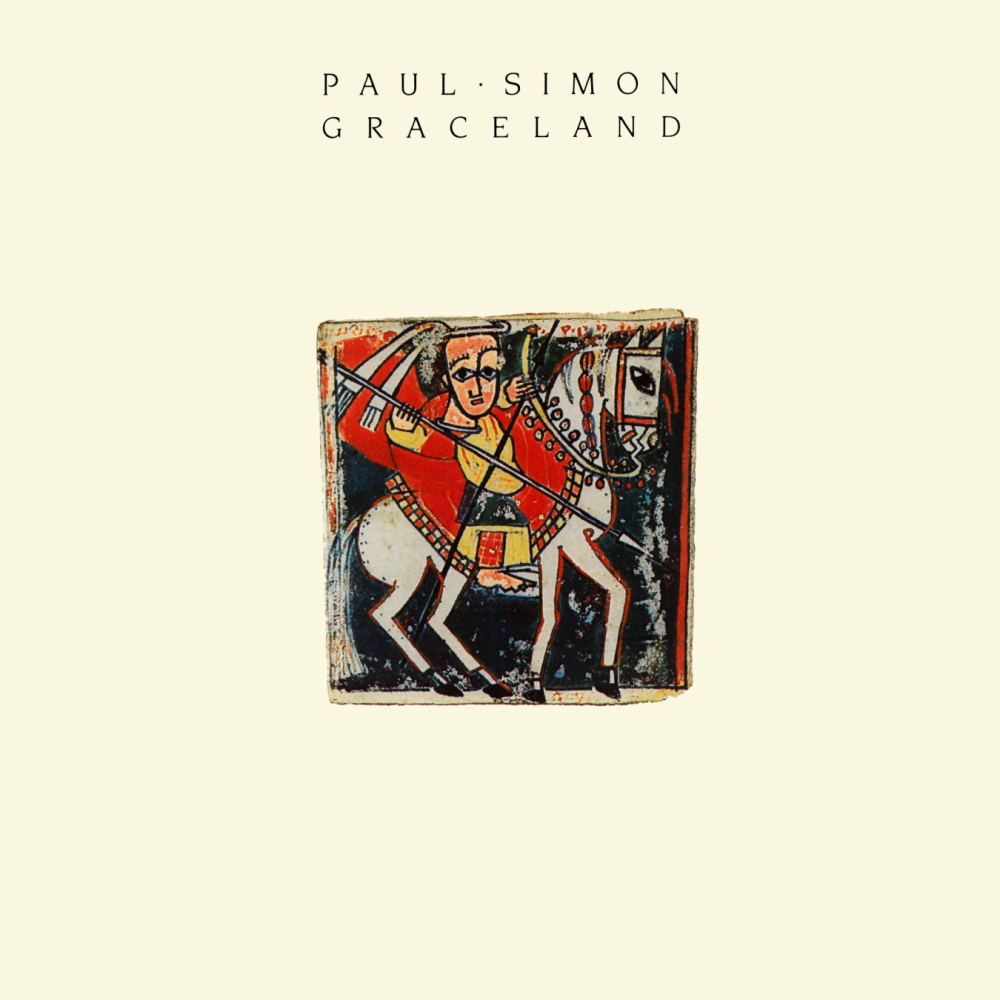
18. Graceland, Paul Simon, 1986. Graceland is complicated in the way culturally important records often are, which can make it a thoughtful gift for the right listener. Paul Simon recorded with South African musicians during the apartheid era, and the album has long carried both acclaim and debate around collaboration, exposure, and politics. Musically, though, the record remains astonishingly alive: fretless bass, accordion, vocal groups, guitar patterns, and Simon's compact storytelling keep changing the surface. The LP format helps separate the record into scenes rather than letting its reputation arrive all at once. Give it to someone who enjoys reading liner notes and talking about music history, not someone who only wants uncomplicated comfort. Condition is usually manageable because many copies sold, but check that the percussion and vocals are not dulled by wear. A good pressing turns the room bright without ignoring the questions behind the brightness. Source.
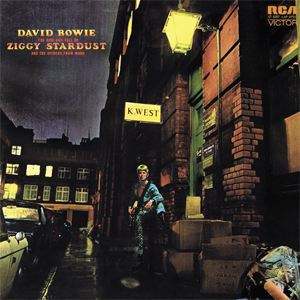
19. The Rise and Fall of Ziggy Stardust and the Spiders from Mars, David Bowie, 1972. Bowie's Ziggy album is a perfect gift for someone who understands that records can be costumes, worlds, and mirrors. The songs are concise, but the concept gives them electricity: alien rock star, fame machine, apocalypse, desire, and self-invention. Mick Ronson's guitar and arrangements are the secret weapon, adding glamour without making the record float away. On vinyl, the album's length and pacing are ideal. It gets in, builds the myth, and leaves before the theater collapses. The sleeve photography is central to the object, especially for a recipient who likes album art as much as sound. There are many reissues, so you do not have to chase an expensive original unless the gift is for a serious Bowie collector. For most people, a clean modern pressing delivers the color, crunch, and drama. It is a record that makes a shelf look more interesting just by being there. Source.
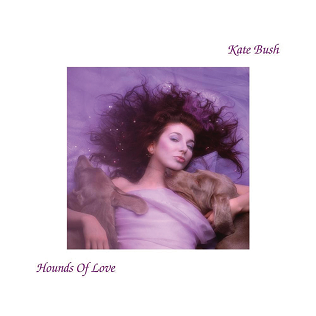
20. Hounds of Love, Kate Bush, 1985. End with a record that feels both accessible and strange. Kate Bush produced Hounds of Love herself, splitting the album between art-pop singles on the first side and the conceptual suite The Ninth Wave on the second. That structure is a gift to vinyl listeners. Side one gives immediate pleasure through "Running Up That Hill" and "Cloudbusting," while side two asks for a darker, more narrative listen. The Fairlight-era textures can sound dated in the best possible way, not because they are quaint, but because Bush uses technology as theater. This is a strong present for the listener who likes big feelings but gets bored by conventional rock moves. Pressing choice matters less than with some audiophile warhorses, but avoid noisy copies because the second side uses atmosphere and voice placement carefully. It is the kind of album that can turn a casual listener into a catalog explorer. Source.
What to buy first
If you are buying for someone new to vinyl, start with Rumours, Kind of Blue, Abbey Road, Purple Rain, or Songs in the Key of Life. Those five cover jazz, classic rock, pop, soul, and album-scale craft without requiring specialized taste. For a listener who already owns the obvious staples, move toward Hounds of Love, Buena Vista Social Club, A Love Supreme, OK Computer, or Random Access Memories. Those records feel personal, but they are not obscure for the sake of being obscure.
For gift editions, ask three questions. Will the recipient play it often? Does the pressing have a good reputation? Does the package feel special without being impractical? Colored vinyl can be fun, but quiet playback matters more. Deluxe editions are wonderful when the extras add context, and annoying when they turn a simple listening experience into shelf clutter.
FAQ
What is the safest vinyl album to gift someone if I do not know their taste?
Choose a widely loved record with strong sound, clean sequencing, and broad appeal. Rumours, Kind of Blue, Abbey Road, Songs in the Key of Life, and Purple Rain are safe because they work for casual listening and serious collecting.
Should I buy an original pressing or a new reissue as a gift?
For most gifts, buy the cleanest reliable copy rather than chasing the oldest copy. Original pressings can be wonderful, but a quiet modern reissue is often a better present than a visually cool vintage LP with groove wear.
How do I avoid giving a duplicate record?
If you can peek at the recipient's shelf, check artist sections first, then look for different editions. If you cannot check, pick a deluxe reissue, a recent remaster, or an album slightly outside their usual lane.
Is vinyl still popular enough to make records a good gift?
Yes. RIAA year-end reporting has shown vinyl as a major driver of physical music revenue in the United States, and many collectors treat LPs as both listening objects and display-worthy artwork.
A spreadsheet tracks what you own. What's Spinning identifies what's playing.
On-device vinyl ID logs your listening history automatically. 7-day free trial.
Looking for Shazam for vinyl?
What's Spinning identifies what's playing on your turntable on-device, logs history, and AirPlays now-playing to your TV.
Comparing vinyl ID apps?
Analog requires Discogs and is iPhone-first (iPad coming). What's Spinning works without Discogs on iPhone and iPad with AirPlay.
Try What's Spinning Free
Turn your iPad into a live now-playing display. Track every record you spin.
START FREE TRIALThen $4.99/mo or $39.99/yr · Cancel anytime