Digital Music Library vs Vinyl Collection: Keeping Both
There is a moment every vinyl collector knows well. You are sitting on the couch with your phone, scrolling through a streaming app with millions of albums at your fingertips. Then you look over at the shelf where your records stand in their rows, spines catching the light, and something pulls you away from the screen. You get up, walk over, and run your fingers along the edges until you find the one you want. You pull it out, blow off the dust, and place the needle down. Something about the act changes the music itself.
This is not a fight between two formats. It is a question of what you want from music, and the answer is often: both.
The Infinite Library in Your Pocket
Digital music has reshaped the way people discover and listen to music in ways that still feel a little like magic. With a subscription to a streaming service, you have access to tens of millions of tracks without ever leaving your couch. Want to hear an obscure 1974 jazz record from a label you have never heard of? Type the name and it plays. Curious about a specific Brazilian progressive rock band from the 1970s? The algorithm will have it ready in seconds.
This reach changes the nature of musical exploration. You can follow a thread of curiosity across genres and decades without interruption. You hear new artists, rediscover old ones, and build playlists that reflect the shape of your taste in real time. For people who use music as background during work or exercise, digital is effortless. The library never runs out.
For collectors who also want to track their listening, apps like What's Spinning make it easy to log digital sessions alongside physical ones, so the record of what you have heard stays in one place regardless of format.
The Record You Hold in Your Hands
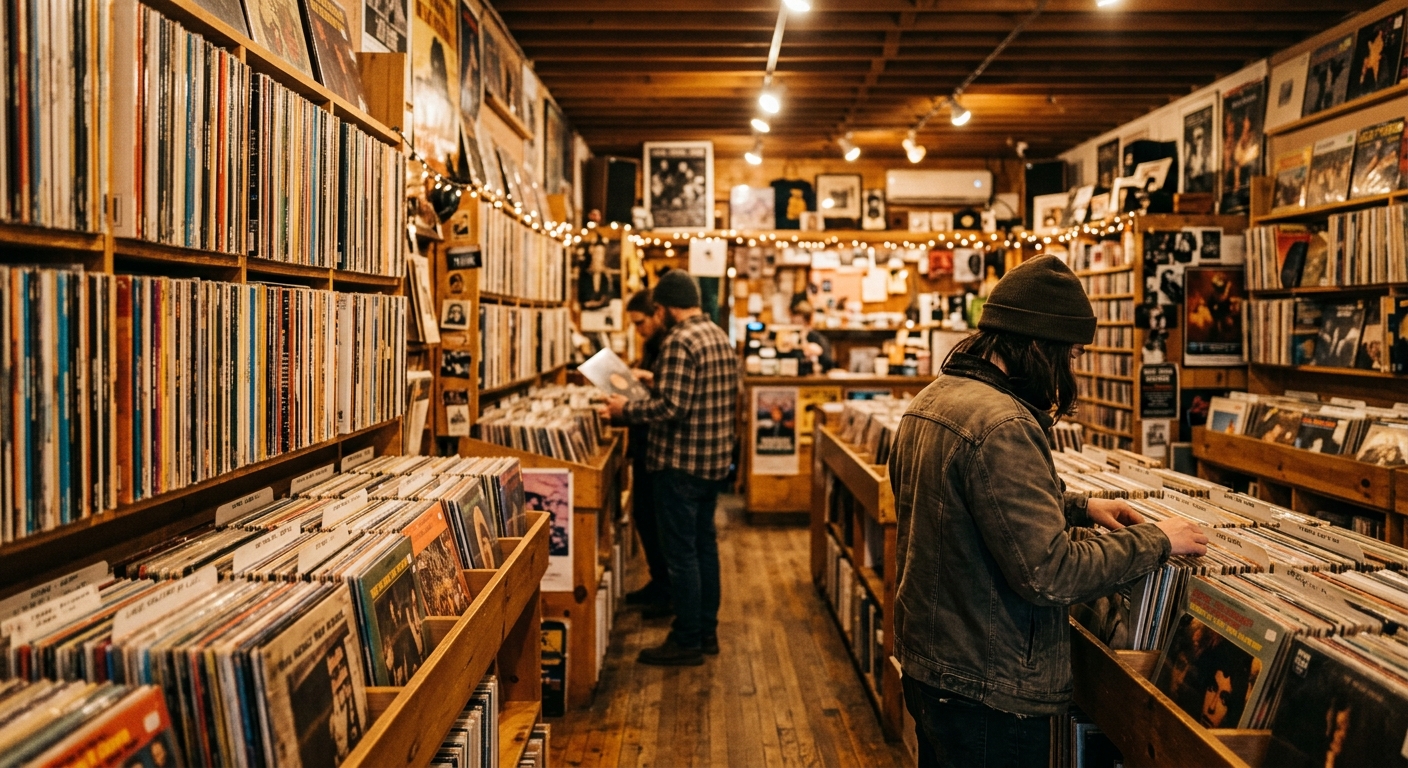
Vinyl asks something different from you. It asks for a ritual. You do not browse a catalog; you browse a shelf. You read liner notes while the album plays, noticing details in the artwork you have looked at a hundred times without really seeing. You commit to an album side before you know what track is coming next, because the sequence was decided by the artist and producer, not an algorithm.
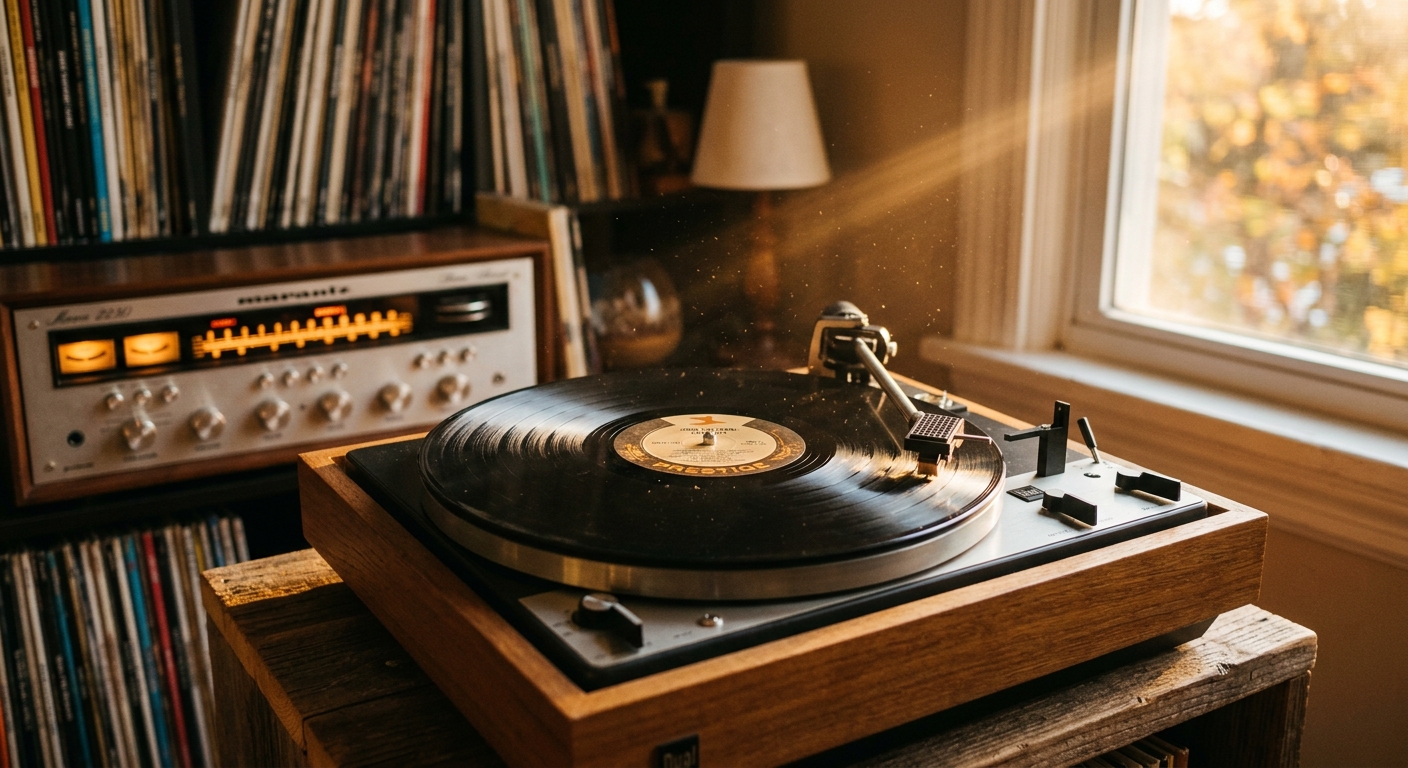
The sound itself is part of this exchange. Vinyl is analog, meaning the grooves in the record carry a continuous waveform. When that signal reaches your speakers, there is a warmth and presence that many listeners find more emotionally direct than digital files. This is not nostalgia; it is physics. The limitations of the format, the slight surface noise, the need to flip the record, all of these things create a listening experience that asks you to be present.
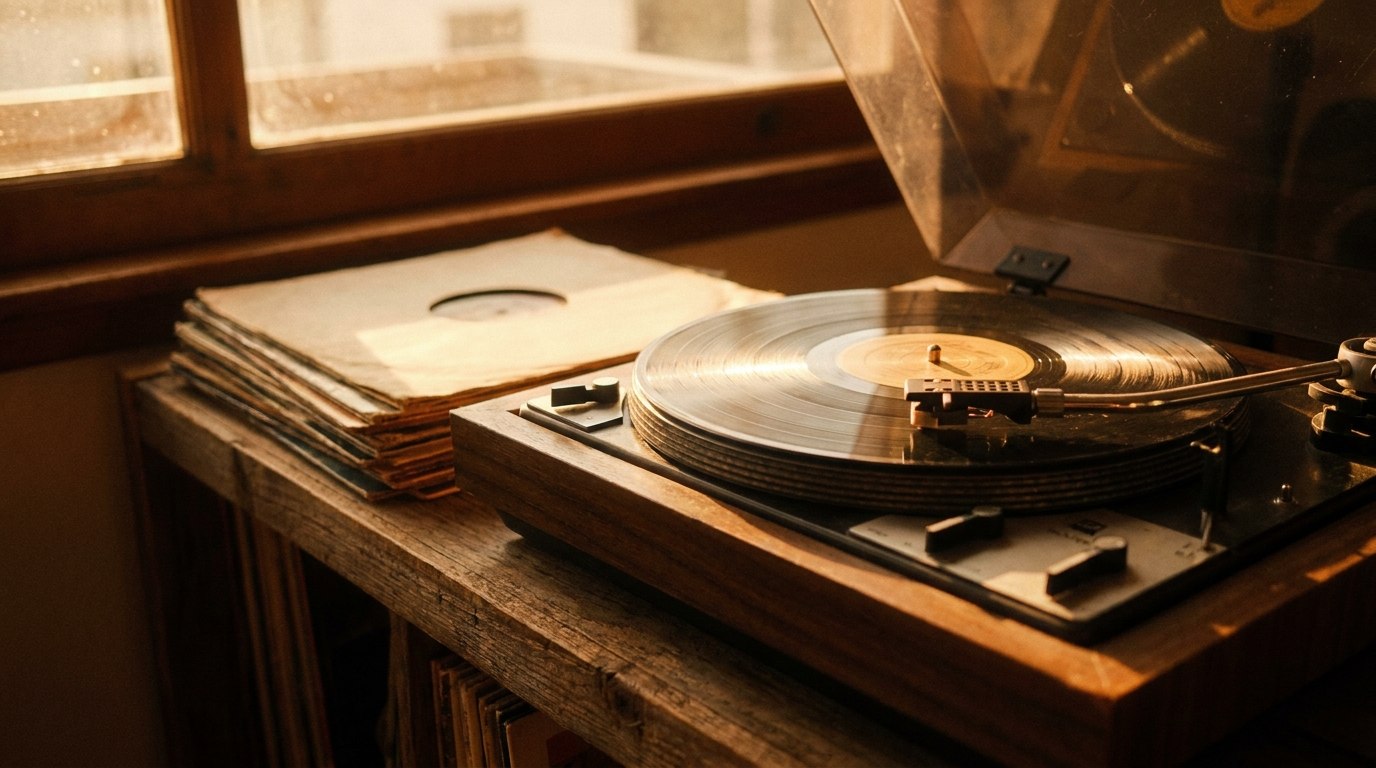
For serious listeners, vinyl also offers something digital cannot: a connection to the physical object. The album cover, the weight of the sleeve, the text on the inner label, the texture of the vinyl itself, all of these are part of what the artist made, and vinyl preserves them as part of the experience rather than reducing music to a file on a server.
Where the Two Worlds Meet
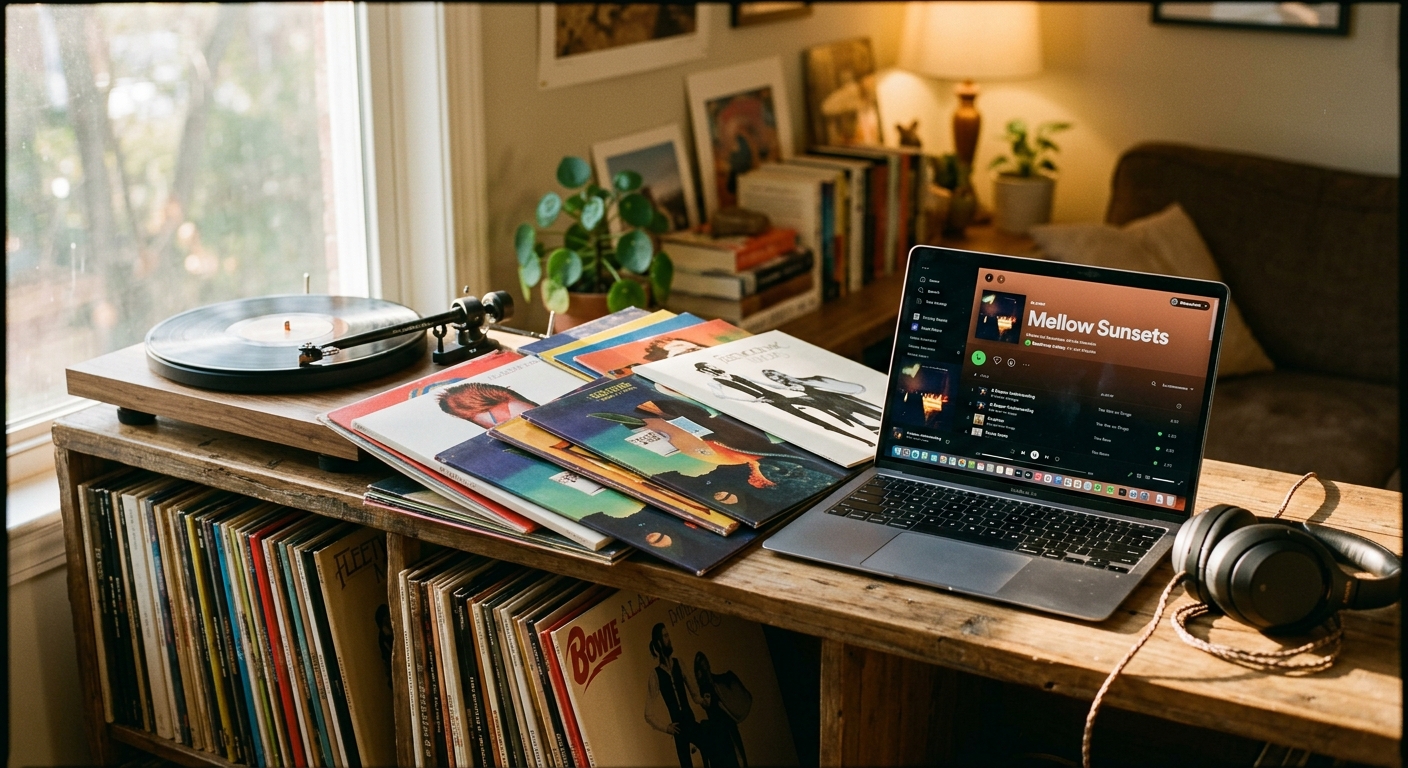
The interesting thing about the digital versus vinyl question is how many people answer it with a simple word: both. The rise of hybrid collecting is one of the quieter music stories of the past decade. People maintain digital libraries for discovery and convenience and also buy records for the artists and albums that matter most to them.
This pattern shows up in the data. Vinyl sales have grown for sixteen consecutive years in the United States, with 2024 marking the highest vinyl revenue since 1988. Streaming subscriptions continue to climb. These are not contradictory trends. They reflect two different relationships with music that many people hold at the same time.
A digital library is a map of everything you have ever been curious about. A vinyl collection is a portrait of who you actually are as a music person. The map helps you explore; the portrait tells you where you come from. Keeping both means never having to choose between depth and breadth.
The Practical Side of Both Formats
Maintaining a digital library and a vinyl collection does require a little more thought than choosing one. Storage is the obvious difference. Digital files take up hard drive space or cloud storage, which is cheap and manageable. Vinyl takes shelf space, and once your collection grows past a certain point, you start making decisions about organization and display that digital folders never require.
The cost structure is also different. Digital streaming costs a monthly subscription fee, typically between ten and seventeen dollars, and you get access to everything as long as you keep paying. Vinyl involves upfront costs per record, ranging from twenty to forty dollars for a standard new pressing, and prices for rare or limited editions can climb much higher. Used vinyl occupies its own market, where condition and rarity determine price in ways that have nothing to do with streaming.
For collectors, the long-term value of vinyl is different from digital as well. A record in good condition holds its value and can appreciate. A digital file, by contrast, is as good as the subscription service that hosts it. If a service shuts down or changes its terms, your access to your library depends entirely on their goodwill. Physical ownership has a permanence that digital licensing does not.
Building a Hybrid Setup That Works
The best hybrid music setup is the one you will actually use. For some people, this means streaming through a high-end audio system during the week and saving vinyl for the weekends or special occasions. For others, it means using a digital app to track and organize their vinyl collection while also using streaming to discover new artists before deciding which ones deserve a place on the shelf.
What makes the hybrid approach rewarding is that it lets music be both casual and intentional at the same time. Streaming handles the moments when you want music on in the background or need to hear something specific right now. Vinyl handles the moments when you want the music to be the point, when you want to sit down and let an album take up the room it was made for.
Apps like What's Spinning are built for exactly this kind of listener. You can log a streaming session at noon and a vinyl listening session at midnight and see them both reflected in the same record of your musical life. The format does not matter to the app; the listening is what counts.
In the end, the question of digital versus vinyl is less about which format wins and more about what kind of relationship you want with music. Both formats offer something real. The collectors who get the most out of both are the ones who stop thinking of it as a competition and start treating it as a conversation between two different ways of loving music.
A spreadsheet tracks what you own. What's Spinning identifies what's playing.
On-device vinyl ID logs your listening history automatically. 7-day free trial.
Looking for Shazam for vinyl?
What's Spinning identifies what's playing on your turntable on-device, logs history, and AirPlays now-playing to your TV.
Comparing vinyl ID apps?
Analog requires Discogs and is iPhone-first (iPad coming). What's Spinning works without Discogs on iPhone and iPad with AirPlay.
Try What's Spinning Free
Turn your iPad into a live now-playing display. Track every record you spin.
START FREE TRIALThen $4.99/mo or $39.99/yr · Cancel anytime