Why Vinyl Sounds Warmer: The Analog Science, Explained Simply
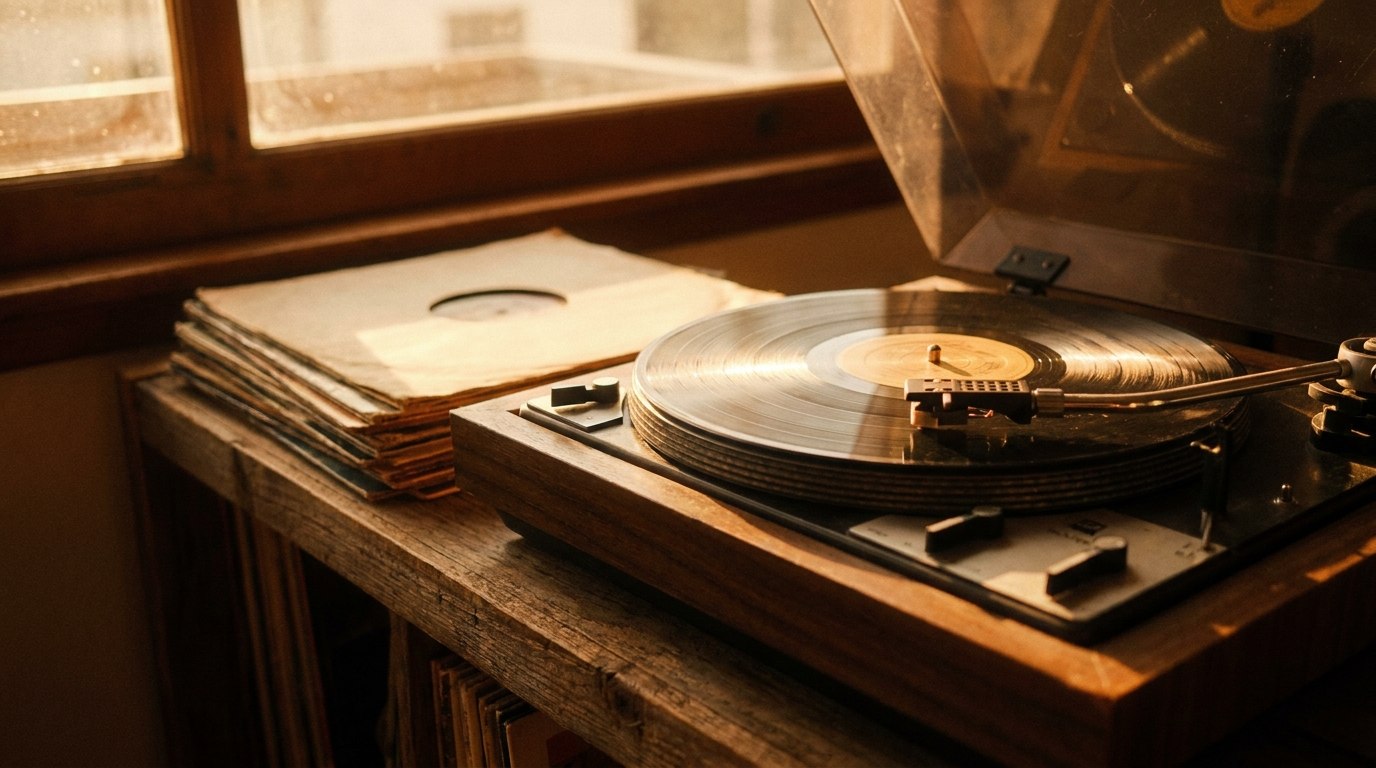
Ask any vinyl enthusiast why records sound warmer than digital, and you will get a mix of technical explanations and mystical hand-waving. Some blame the crackle. Others credit the lack of compression. A few will mutter something about "seeing the music" in the grooves. The truth is more interesting than any single explanation, because "warmth" is not one thing, it is a collection of physical and psychological effects that accumulate every time a needle drops into a groove.
To understand analog warmth, you first need to understand what happens when music gets pressed onto a record. A master recording starts as a continuous analog waveform, a smooth undulating groove carved into lacquer. That groove is not a digital file with discrete steps; it is a physical landscape that mirrors every nuance of the original performance. When the phono cartridge traces that landscape, it moves in direct response to those physical contours, generating an electrical signal that is a faithful mechanical reproduction of what was cut into thelacquer.
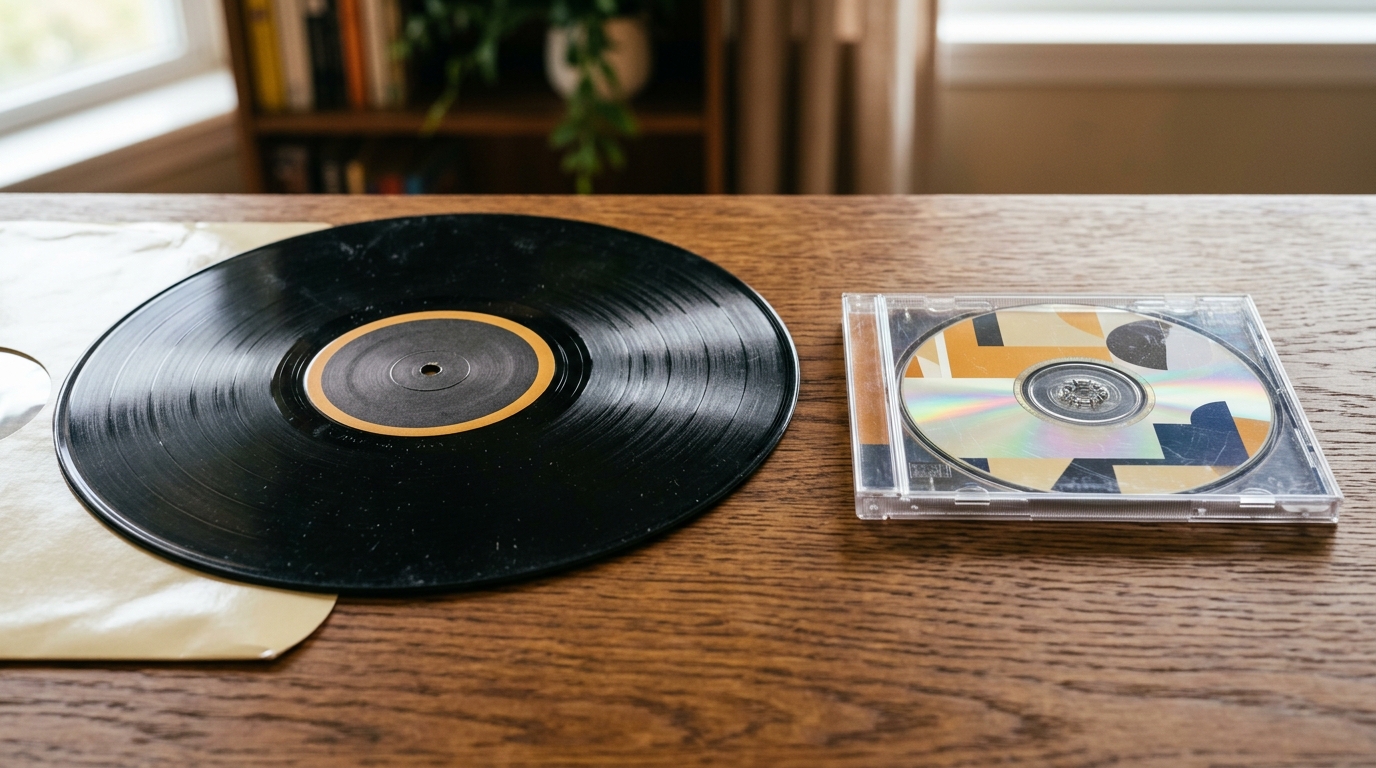
Digital audio works differently. It samples the waveform at specific intervals, typically 44,100 times per second for CD-quality audio. Each sample captures a snapshot of amplitude at a precise moment. Between those moments, the digital system knows nothing. The reconstruction filter attempts to smooth the gaps, but critics argue that something gets lost in the translation from continuous to discrete. Vinyl advocates say they can hear the difference, and research suggests they are not imagining it.
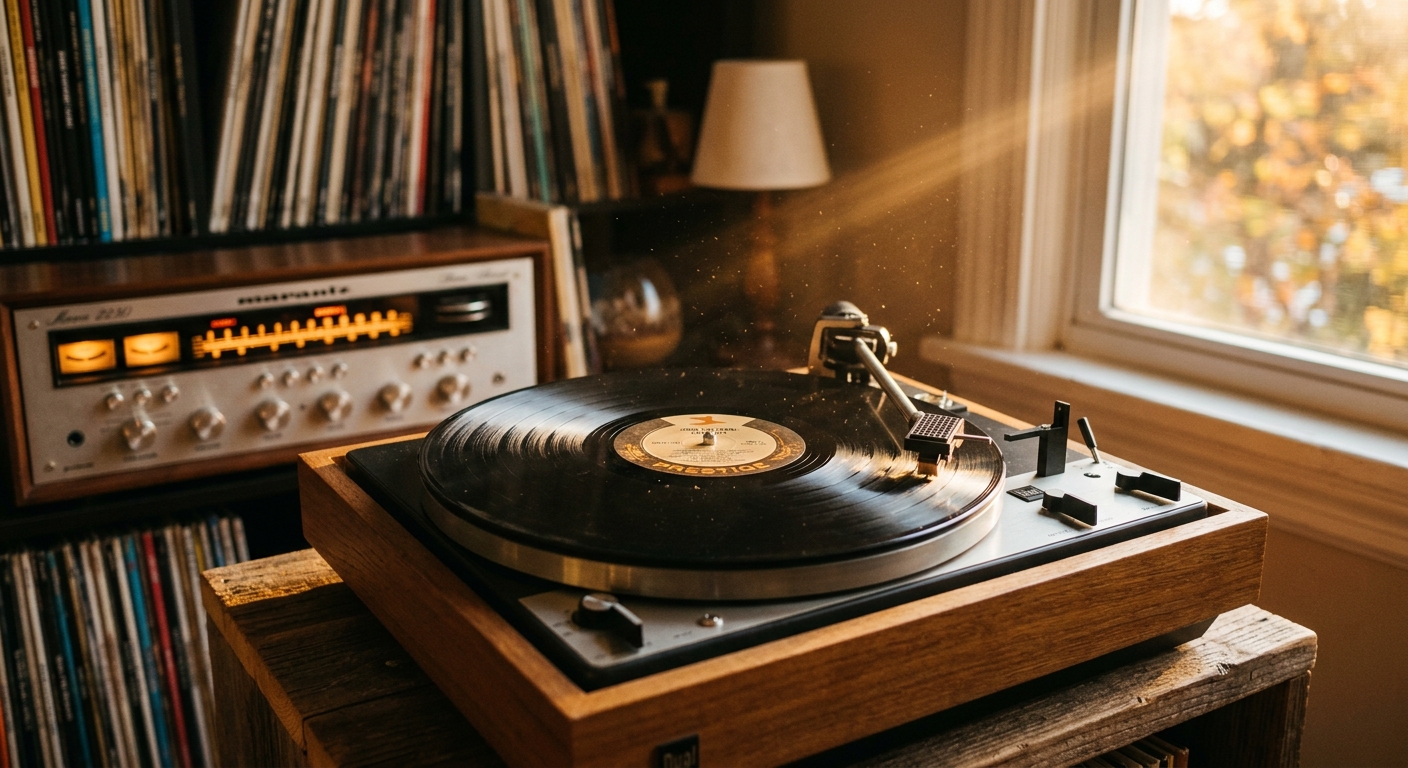
The concept of harmonic distortion plays a major role in the warmth debate. Vacuum tube amplifiers, which were standard equipment when vinyl ruled, produce primarily second-order harmonic distortion. These are pleasant-sounding overtones that reinforce the fundamental frequency. Transistors tend to produce third-order harmonics, which can sound harsh or brittle at high volumes. This is one reason why tube amplifiers became associated with warmth, even when playing digital sources.
RIAA equalization adds another layer to the story. When records were first standardized in the 1950s, the Recording Industry Association of America mandated a specific curve for cutting and playback. Low frequencies were reduced during cutting to prevent the groove from becoming too wide. High frequencies were boosted to improve signal-to-noise ratio. During playback, the inverse curve is applied. The result is that the bass and treble pass through a kind of acoustic wringer, and some argue this gentle processing contributes to the perceived warmth of vinyl playback.
The physical nature of the medium matters in ways that go beyond engineering specifications. A vinyl record stores music as kinetic energy. The stylus traces the groove and the cartridge converts mechanical movement into electrical signal with almost no intermediate steps. Digital audio passes through multiple conversion stages: analog-to-digital conversion, data compression, storage, playback decompression, and digital-to-analog conversion. Each stage introduces its own artifacts and limitations. Vinyl has fewer conversion stages, and purists argue that simplicity of path translates to sonic honesty.
Low-frequency reproduction on vinyl has a character that digital struggles to match. The deep bass on a record arrives with a kind of physical authority. This is partly because vinyl can reproduce frequencies below 20 Hz, which is below the threshold of human hearing but still perceptible as physical vibration. The sensation of bass you can feel in your chest is not just myth; it is physics. Digital systems may claim flat frequency response down to 20 Hz, but the actual impact and feel of very low bass often favors the analog format.
High frequencies on vinyl are limited compared to digital. The upper range fades somewhere between 40 and 50 kHz, while CD-quality digital extends to 22 kHz. You cannot hear above 20 kHz, so this seems irrelevant. But some researchers and engineers argue that the extended high-frequency response of digital, combined with the harshness that can emerge when converting those inaudible frequencies back to analog, contributes to listener fatigue. Vinyl simply cannot produce those problematic frequencies, so the top end feels smoother and less exhausting over long listening sessions.
Dynamic range tells a complicated story. Modern digital formats like FLAC or high-resolution audio can exceed the dynamic range of vinyl by a wide margin. A quiet passage on a record competes with surface noise, while digital silence is truly silent. Yet vinyl advocates counter that the compression artifacts introduced during the record-cutting process, combined with the gentle limiting of peaks, create a consistent dynamic feel that feels more musical rather than less. Highly compressed digital recordings can sound like they are stuck in a narrow dynamic window, while vinyl breathes with the natural swell and decay of acoustic instruments.
The psychological dimension of vinyl warmth should not be dismissed. Ritual matters in listening. The act of selecting a record, removing it from its sleeve, placing it on the platter, and lowering the needle creates a psychological state that primes you for deeper engagement. You are more likely to sit down and listen to a full album side when you have invested that physical effort. Streaming or digital playback requires no such ceremony, and the ease of skipping tracks encourages fragmented listening rather than immersive sessions.
Surface noise is always present on vinyl, though newer pressings are quieter than vintage copies. Some listeners find the soft hiss distracting. Others report that the noise fills the silence between notes in a way that makes the musical moments feel more significant by contrast. The crackle and pop that appear on used records are not just noise; they are sonic texture that your brain learns to filter out while remaining aware of on some level. That texture creates a sense of presence and physicality that digital silence cannot replicate.
Understanding warmth requires accepting that sonic preference is deeply personal and context-dependent. What sounds warm to one listener may sound dull or incomplete to another. The science of psychoacoustics has documented many phenomena where perceived differences exist without measurable correlates. But measurable differences do exist between analog and digital formats, and they are numerous enough to explain why so many listeners develop strong preferences for one or the other.
Whether you prefer the ritual and sonics of vinyl or the convenience and precision of digital, understanding the underlying science enriches the listening experience. The next time you drop a needle and hear that familiar warmth wash over you, you will know that you are hearing the accumulated result of decades of acoustic engineering, mechanical precision, and the enduring appeal of sound stored in grooves.
Vinyl warmth comes from multiple factors working together: the continuous analog waveform stored in the groove, the mechanical-to-electrical conversion of the phono cartridge, the harmonic distortion characteristics of tube amplifiers, and the gentle dynamic limiting of the RIAA equalization curve. No single element creates warmth; it emerges from the combination.
The answer depends on how you measure and what you value. Vinyl has measurable limitations in high-frequency response and dynamic range compared to high-resolution digital formats. But the harmonic characteristics of analog playback, the reduced conversion stages, and the physical nature of groove tracing create a sonic signature that many listeners describe as warmer. Perception of warmth is also influenced by the psychological ritual of vinyl playback.
Vinyl can reproduce frequencies below the threshold of human hearing, which contributes to a physical sensation of bass that digital systems sometimes struggle to match. The impact and feel of very low bass on a good turntable setup often exceeds what listeners experience from digital playback, even when frequency response measurements favor the digital format. The mechanical nature of vinyl reproduction plays a role in this perceived advantage.
Tube amplifiers produce primarily second-order harmonic distortion, which creates pleasant-sounding overtones that reinforce the fundamental frequency. Transistor amplifiers tend toward third-order harmonics, which can sound harsh at higher volumes. When paired with vinyl playback, the natural harmonic signature of tubes complements the characteristics of the analog format, creating a synergistic warmth that many listeners find musically engaging.
A spreadsheet tracks what you own. What's Spinning identifies what's playing.
On-device vinyl ID logs your listening history automatically. 7-day free trial.
Looking for Shazam for vinyl?
What's Spinning identifies what's playing on your turntable on-device, logs history, and AirPlays now-playing to your TV.
Comparing vinyl ID apps?
Analog requires Discogs and is iPhone-first (iPad coming). What's Spinning works without Discogs on iPhone and iPad with AirPlay.
Try What's Spinning Free
Turn your iPad into a live now-playing display. Track every record you spin.
START FREE TRIALThen $4.99/mo or $39.99/yr · Cancel anytime