Vinyl vs CD Collections in 2026: Which is Worth Building?
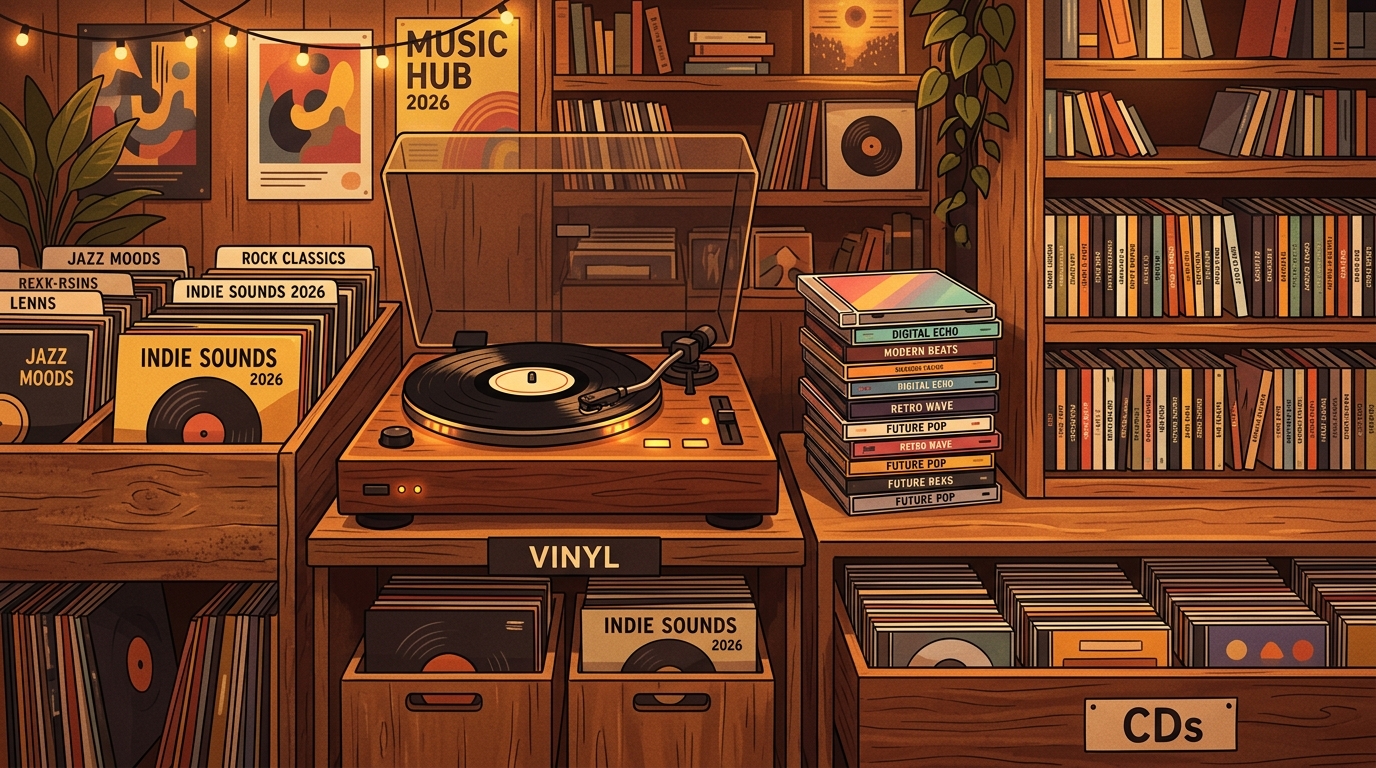
If you are starting, rebuilding, or seriously reshaping a music collection in 2026, the vinyl vs CD question is not nostalgia theater. It is a real budget, space, sound, and availability decision. Vinyl is the cultural heavyweight right now, with the ritual, artwork, and resale buzz. CDs are the quiet value play, with cheap used prices, stable playback, and a deep catalog that has not been picked over in the same way.
The short version: build vinyl if you want a tactile listening ritual and you enjoy collecting objects as much as music. Build CDs if you want the most music per dollar, reliable sound quality, and less maintenance. For many collectors, the smartest answer is a split collection.
The 2026 market tells two different stories
In the United States, vinyl is still the stronger physical format by revenue. The RIAA 2025 year-end report says vinyl revenue rose 9.3% to $1.043 billion, with 46.8 million units shipped. CDs moved 29.5 million units and generated $312.4 million, down 7.8% in revenue from 2024. The same report notes 19 consecutive years of vinyl growth, which is remarkable for a format that was once treated as obsolete.
The UK picture is more balanced. The BPI reported that UK physical music revenue grew for a third straight year in 2025. Vinyl revenue climbed 19.9% to £174.7 million, its highest level in more than three decades, while CD revenue also rose 3.1% to £99.6 million. That matters because it shows CDs are not merely surviving as dead stock. In some markets, they are finding fresh collector interest.
Collector behavior backs that up. Discogs said in early 2026 that users added more than 114 million items to collections during 2025, an average of nearly 2.2 million items per week. Ownership, cataloging, and physical media identity still matter in a streaming-first world. A tool like What's Spinning fits into that habit because it helps you remember what you actually play, not just what you bought.
Sound quality: less romance, more reality
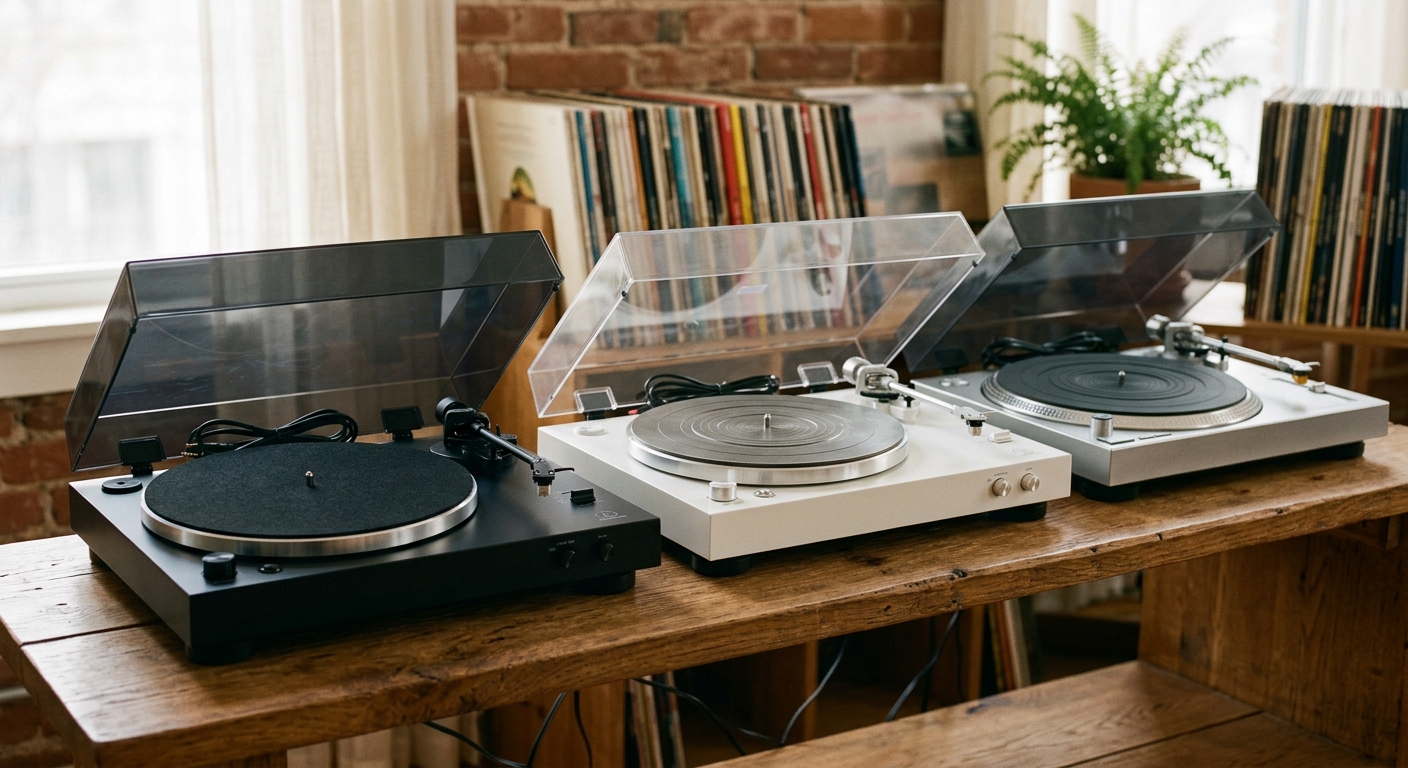
Vinyl can sound wonderful, but it is not automatically superior. A great pressing played on a well-set-up turntable can feel spacious, physical, and alive. A bad pressing, worn used copy, dirty stylus, or poorly aligned cartridge can sound noisy and distorted. Vinyl sound quality depends on the record, mastering, pressing plant, cartridge, tracking force, phono stage, speakers, and cleaning routine.
CDs are less romantic but more predictable. The format stores 16-bit, 44.1 kHz digital audio, covering normal listening. If the disc is not scratched and the mastering is good, playback is consistent.
The real sound-quality question is mastering. Some vinyl releases are cut from excellent masters; some use the same compressed digital sources found elsewhere. Some late-1990s and 2000s CDs suffer from loudness-war mastering, while early pressings and careful reissues can sound superb. Research the specific release rather than declaring a format winner.
Cost: CDs are the bargain, vinyl is the premium object
New vinyl has become expensive. It is common to see new LPs priced from the high twenties into the forties, with deluxe variants, color editions, and imported pressings climbing higher. Used vinyl is not the bargain bin it once was either. Popular classic rock, jazz, indie, punk, hip-hop, and metal titles are often priced with Discogs in mind.
CDs remain one of the best deals in music collecting. Used stores, thrift shops, estate sales, and online sellers still offer large numbers of discs for a few dollars each. You can build a serious collection of jazz, classical, 1990s alternative, electronic, metal, and singer-songwriter albums for a fraction of the vinyl cost. Box sets are especially attractive on CD because they often include bonus tracks, booklets, and archival material.
Space, care, and daily use
Vinyl asks for room. LP jackets are beautiful partly because they are large, but that scale becomes a storage problem fast. A few hundred records need sturdy shelving, vertical storage, sleeves, cleaning supplies, and a turntable setup that will not damage them. Moving a vinyl collection is also a small logistical comedy, though nobody laughs while carrying the boxes.
CDs are simpler. They take less space, tolerate normal handling better, and can be played, ripped, or stored with less ceremony. Jewel cases crack, but discs are easy to replace or rehouse. For collectors who want a physical library without dedicating a wall to it, CDs are practical in a way vinyl never will be.
Availability and genre fit
Vinyl is strongest when the object is part of the experience: classic albums, audiophile jazz, electronic twelve-inches, punk singles, soul, reggae, metal variants, and visually striking modern releases. It is also the format where limited editions and store exclusives create the most energy.
CDs shine where catalog depth matters. Classical, jazz, ambient, experimental, 1990s and 2000s rock, underground metal, soundtracks, and box sets are often easier and cheaper on CD. Many albums from the CD era were never pressed on vinyl at scale, or they received later vinyl editions that are costly or split awkwardly across too many discs.
So, which collection is worth building?
If you have to choose one, choose based on behavior, not identity. If you want the most albums for the least money, CDs win in 2026. If you want a collection that doubles as furniture, ritual, and visual culture, vinyl wins. If you want investment upside, vinyl has more visible demand, but it also has higher buy-in prices and more condition risk. If you want playback reliability and catalog exploration, CDs are hard to beat.
My practical recommendation is to build a hybrid collection with rules. Buy vinyl for albums where the format adds something: artwork, sequencing, pressing quality, personal importance, or the joy of playing it on a turntable. Buy CDs for breadth, bonus material, hard-to-find catalog titles, and albums where the vinyl price feels detached from the music. Track what you play over time, then let your listening data guide future buying. The best 2026 collection is not the one that wins an internet argument. It is the one you actually use.
FAQ
Not automatically. Vinyl can sound excellent with a good pressing and setup, but CDs are more consistent and less affected by wear, dust, and cartridge alignment. Mastering usually matters more than format.
Yes. CDs are still inexpensive compared with vinyl, they offer strong sound quality, and many albums from the 1980s through 2000s are easier to find on CD than on vinyl.
Vinyl has stronger mainstream collector demand, but condition, pressing details, and purchase price matter. CDs can appreciate too, especially rare early pressings and out-of-print box sets, but most music should be bought to enjoy first.
Start with CDs if budget and catalog depth matter most. Start with vinyl if the turntable ritual and large-format artwork are central to the appeal. A small hybrid collection is often the best beginner path.
A spreadsheet tracks what you own. What's Spinning identifies what's playing.
On-device vinyl ID logs your listening history automatically. 7-day free trial.
Looking for Shazam for vinyl?
What's Spinning identifies what's playing on your turntable on-device, logs history, and AirPlays now-playing to your TV.
Comparing vinyl ID apps?
Analog requires Discogs and is iPhone-first (iPad coming). What's Spinning works without Discogs on iPhone and iPad with AirPlay.
Try What's Spinning Free
Turn your iPad into a live now-playing display. Track every record you spin.
START FREE TRIALThen $4.99/mo or $39.99/yr · Cancel anytime